Has Inheritage Foundation supported you today?
Your contribution helps preserve India's ancient temples, languages, and cultural heritage. Every rupee makes a difference.
Secure payment • Instant 80G certificate
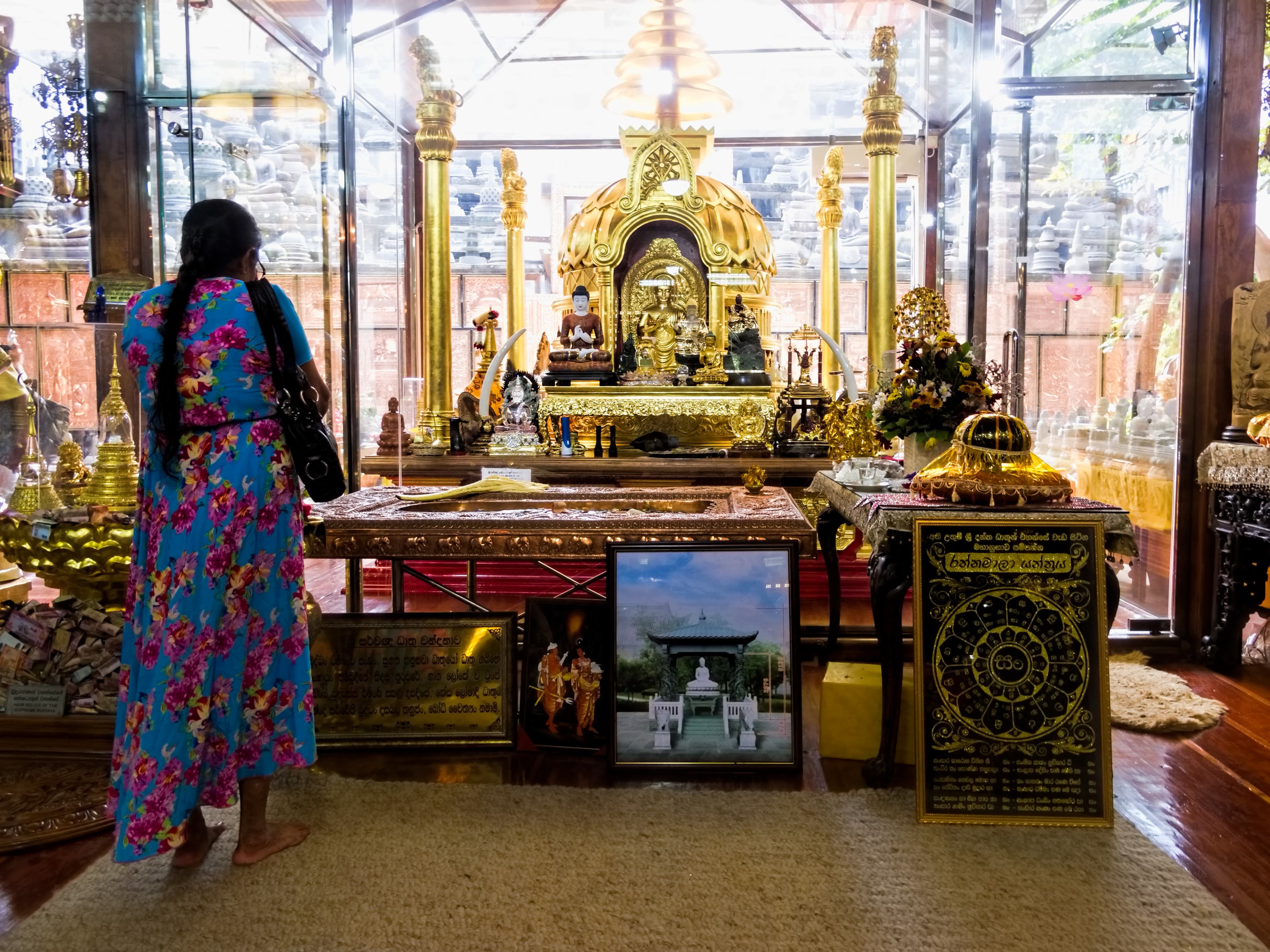
Gangaramaya Temple Colombo Sri Lanka
Gangaramaya Temple, majestically situated in the heart of Colombo, represents one of the most extraordinary and culturally significant Buddhist temples in Sri Lanka, established in the late 19th century CE as a harmonious blend of Sri Lankan, Thai, Indian, and Chinese architectural styles, creating a powerful testament to the profound transmission of Indian Buddhist religious and architectural traditions to Sri Lanka and demonstrating the sophisticated multicultural synthesis that has characterized Sri Lankan religious practices. The temple complex, featuring a Vihara (temple), Cetiya (pagoda), Bodhi tree, and museum, demonstrates the direct transmission of Indian Buddhist temple architecture, particularly the traditions of northern India and Southeast Asia, with local adaptations that reflect the sophisticated synthesis of Indian Buddhist religious and artistic traditions with Sri Lankan, Thai, and Chinese building techniques, while the temple's most remarkable feature is its Seema Malaka, an assembly hall for monks designed by the renowned architect Geoffrey Bawa and funded by a Muslim patron, exemplifying the interfaith harmony and multicultural synthesis that has characterized Sri Lankan religious practices. The temple's architectural layout, with its eclectic design incorporating elements from multiple Asian architectural traditions, follows sophisticated planning principles that demonstrate the transmission of Indian Buddhist temple planning from the great temple complexes of India and Southeast Asia, while the temple's extensive decorative programs including sculptures, carvings, and architectural elements demonstrate the sophisticated synthesis of Indian Buddhist iconography and artistic traditions with local and regional aesthetic sensibilities. Archaeological evidence reveals that the temple has served as a major center of Buddhist worship and learning for over a century, engaging in various welfare activities including operating old age homes, vocational schools, and orphanages, while the temple's association with the annual Navam Perahera, one of the largest Buddhist festivals in Colombo, demonstrates the continued vitality of Indian religious traditions in Sri Lanka. The temple's unique character as a center for Buddhist learning and social welfare demonstrates the sophisticated understanding of Indian Buddhist social engagement traditions that were transmitted to Sri Lanka, while the temple's location in the heart of Colombo underscores its significance as a major center for the transmission of Buddhist teachings and culture in modern Sri Lanka. Today, Gangaramaya Temple stands as one of the most important Buddhist temples in Colombo, serving as a powerful testament to the transmission of Indian Buddhist culture and architecture to Sri Lanka, while ongoing conservation efforts continue to protect and maintain this extraordinary cultural treasure that demonstrates the profound impact of Indian civilization on Sri Lankan religious and artistic traditions. ([1][2])
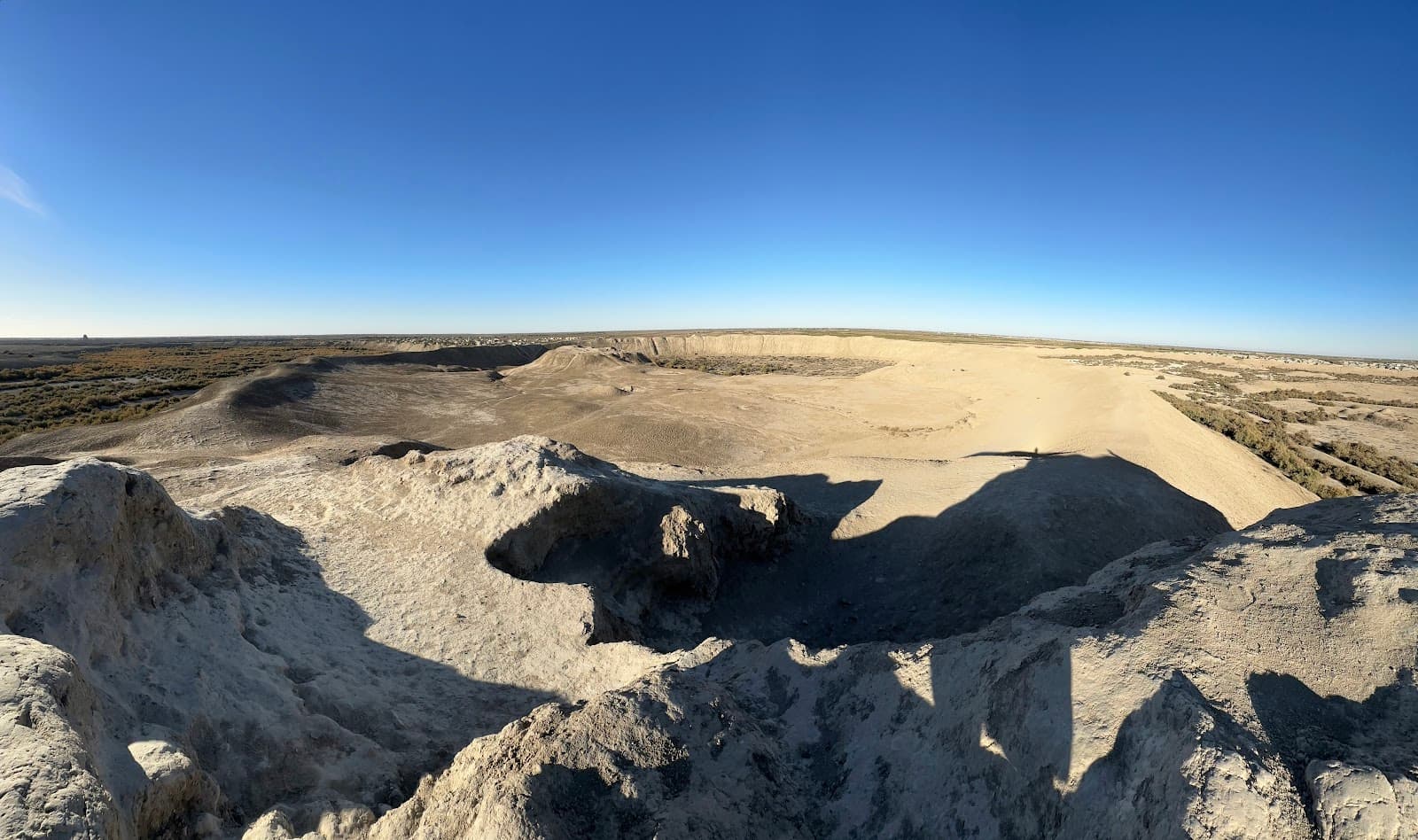
Ancient Merv Gyaur Kala Monastery Mary Region Turkmenistan
Nestled within the ancient city of Merv in Turkmenistan's Mary Region, the Gyaur Kala Monastery stands as a significant Buddhist site dating from the 3rd to 11th centuries CE ([1][2]). As a vital hub along the Silk Road for over four millennia, Merv's Gyaur Kala citadel houses this monastery, reflecting notable Indian Buddhist architectural influences ([1]). This influence underscores the interconnectedness of ancient civilizations and the transmission of religious and artistic ideas across vast distances. Archaeological excavations have uncovered stupas, monastic cells, and assembly halls, revealing the adoption of Indian Buddhist monastery planning principles in Central Asia ([2]). The monastery's layout, featuring a central stupa surrounded by living and assembly spaces, mirrors the design of Indian Buddhist viharas (monasteries) ([2]). Such structural similarities highlight the enduring impact of Indian architectural traditions on religious structures throughout the region. Fired brick and mud brick construction techniques are demonstrably evident in the monastery's surviving structures ([1]). Intricate carvings once adorned the walls, illustrating a fusion of Indian Buddhist iconography and Central Asian artistic sensibilities, particularly within the Kushan-Gandharan style ([2]). The Kushan period saw Merv flourish as a prominent center of Buddhist learning, facilitating the dissemination of Indian Buddhist texts and practices across Central Asia ([1]). Stone platforms and foundations showcase the sophisticated architectural planning employed in the monastery's construction ([1]). The discovery of inscriptions in Sanskrit, Pali, and various Central Asian languages at the site corroborates its pivotal role in transmitting Indian Buddhist culture ([2]). While direct textual evidence is limited, it is plausible that spatial arrangements and design elements were influenced by principles similar to those outlined in Vastu Shastra, the ancient Indian science of architecture, emphasizing harmonious design and orientation ([3]). Today, Ancient Merv, a UNESCO World Heritage Site, testifies to the profound influence of Indian civilization on Central Asian religious and artistic traditions ([1][2]).
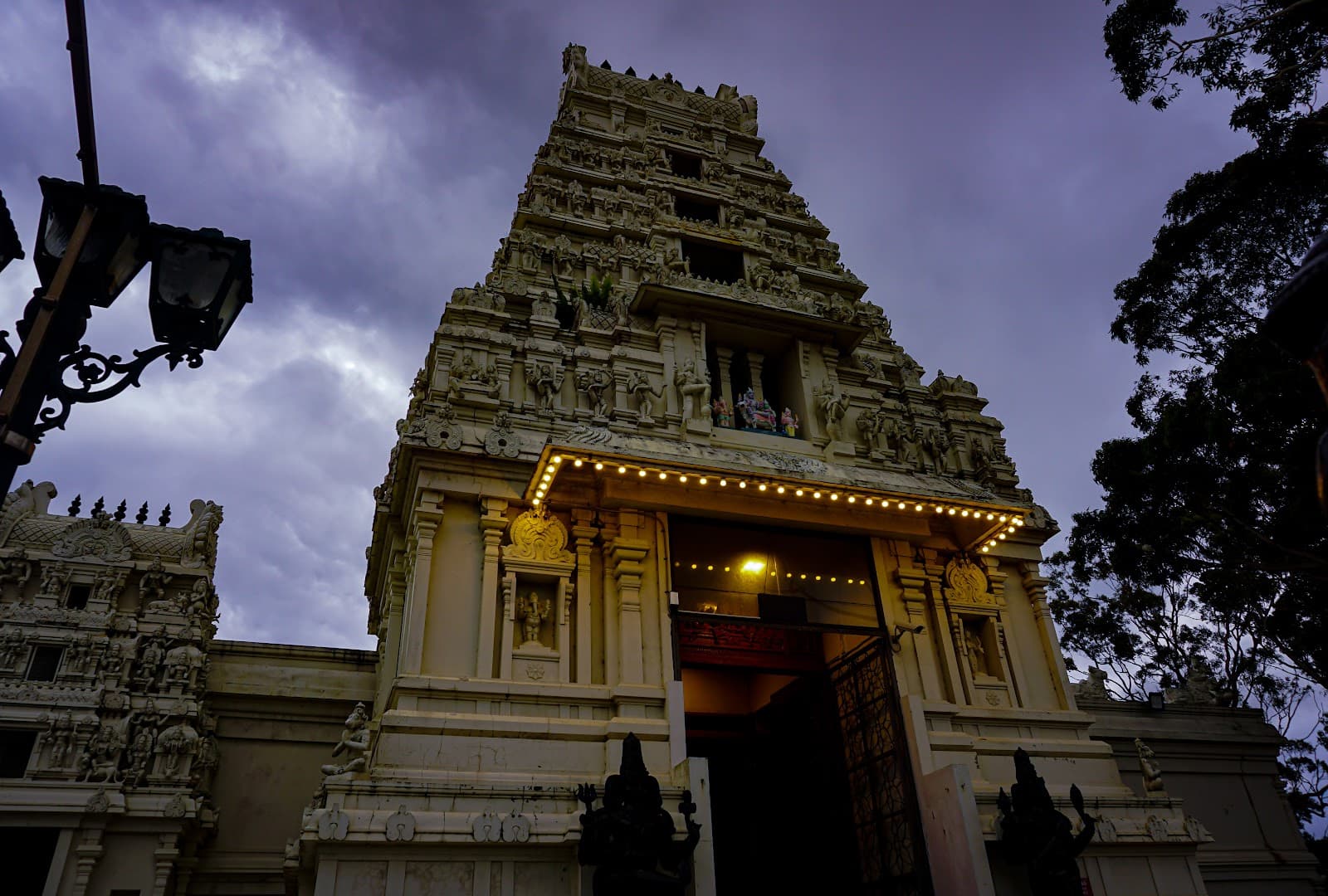
Sri Venkateswara Temple Helensburgh
Sri Venkateswara Temple Helensburgh is dedicated to Lord Venkateswara and anchors Helensburgh, New South Wales, as the largest traditional mandir in the southern hemisphere ([1][2]). Weekday darshan operates from 8:00 AM to 12:00 PM and 4:00 PM to 7:00 PM, while weekend seva blocks extend to 8:30 PM with queue marshals stationed under the sixteen-column mandapa to separate ticketed archana devotees from casual visitors ([1][5]). The annadhanam hall seats 350 with stainless service lines and HACCP logs posted beside the prasadam counter, and volunteers patrol the dining floor between sittings to keep evacuation aisles clear ([1][2]). Asphalt car parks on Temple Road are segmented into family, coach, and accessible bays, each mapped on LED boards that update occupancy in real time during Brahmotsavam ([1]). A 1:14 accessible ramp wraps the southern side of the rajagopuram and connects to a hydraulic platform that bridges the final granite risers, so wheelchair users reach the sanctum viewing rail without lifting assistance ([3]). Orientation signage uses bilingual Tamil-English panels, QR-linked audio guides, and pictograms for shoe storage, first aid, and quiet rooms, helping newcomers settle without slowing veteran pilgrims ([2][6]). Site stewards log fire drills, rainwater pump tests, and sanitation cycles within an asset-management tablet so compliance tasks are timestamped before evening arati concludes ([4]). With the granite kitchen humming, the main hall ventilated via roof monitors, and ushers escorting seniors to shaded seating, the complex remains fully ready for year-round worship, festivals, and coach tours ([1][2]).
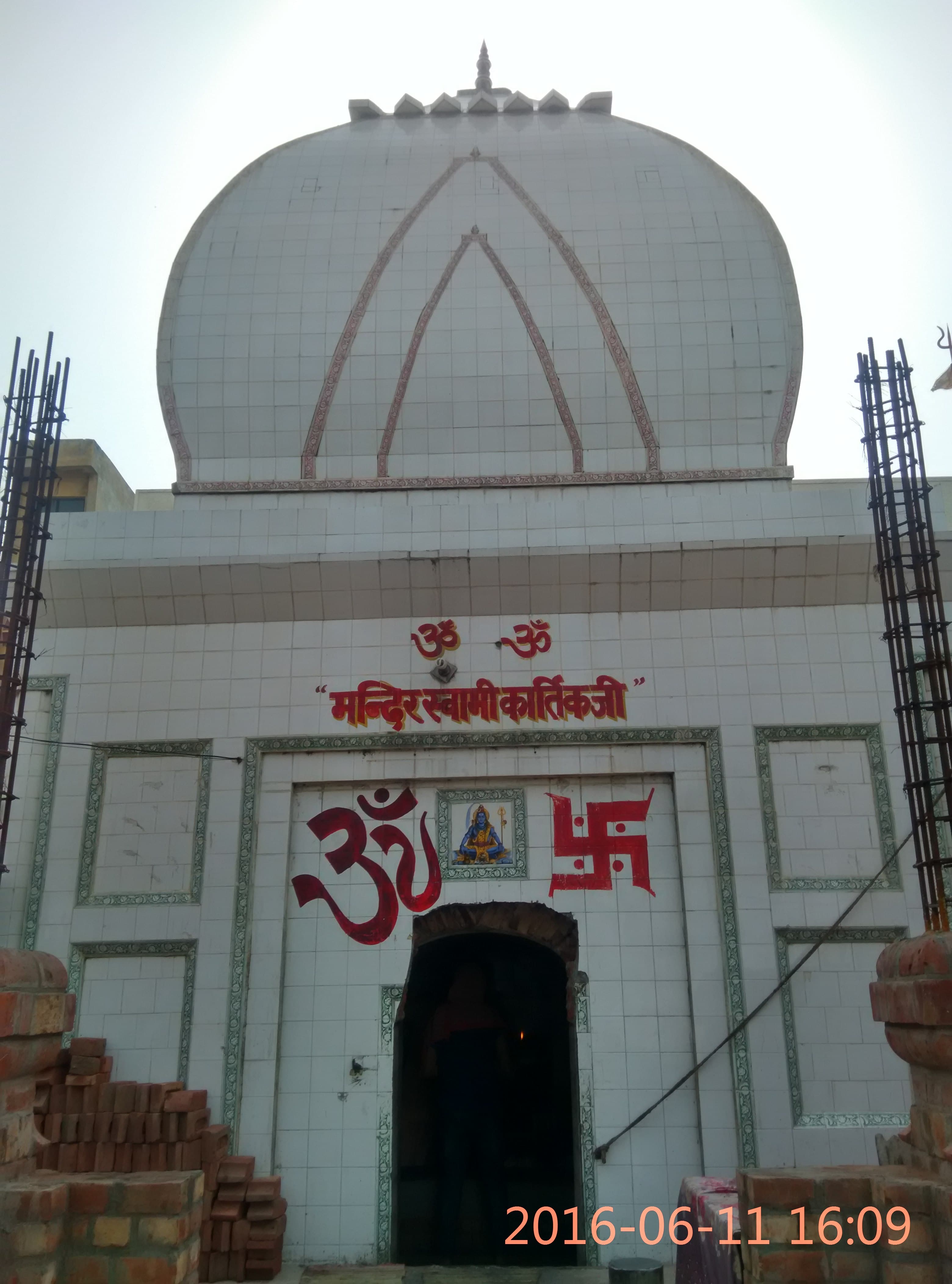
Kartikeya Temple Pehowa
The midday sun beat down on the dusty plains of Haryana as I approached the Kartikeya Temple in Pehowa. Having crisscrossed North India, exploring countless ancient sites, I had a certain expectation of what I might find. Pehowa, however, surprised me. This wasn't just another temple; it was a palpable confluence of history, faith, and the quiet resilience of a town built around devotion. The temple complex, dedicated to Lord Kartikeya, the son of Shiva and Parvati, sits nestled beside the sacred Saraswati Tirtha, a revered tank believed to be the source of the now-lost Saraswati River. The air hummed with a low thrum of chanting, punctuated by the occasional clang of a bell. Pilgrims, their faces etched with devotion, circumambulated the tank, their hands clasped in prayer. The scene was a vibrant tableau of faith, a living testament to the enduring power of belief. The temple itself is an architectural marvel, a blend of Mughal and later Hindu architectural styles. Unlike the towering, ornate structures I've encountered in Rajasthan, the Kartikeya Temple exudes a quiet grandeur. The main entrance, a relatively modest archway, leads into a spacious courtyard. The walls, constructed from sandstone, bear the marks of time – subtle discolorations, weathered carvings, and the faint remnants of what might have been vibrant frescoes. These imperfections, rather than detracting from the beauty, enhance it, whispering tales of centuries past. I was particularly struck by the intricate carvings adorning the temple walls. Depictions of deities, celestial beings, and scenes from Hindu mythology are rendered with remarkable detail. The craftsmanship is exquisite, a testament to the skill of the artisans who painstakingly carved these narratives into stone. I spent a considerable amount of time examining these panels, tracing the lines with my fingers, trying to decipher the stories they told. Inside the sanctum sanctorum, the atmosphere shifts. The air is thick with incense, and the low murmur of prayers intensifies. Photography is prohibited within the inner chamber, which, in a way, enhances the experience. It forces you to be present, to absorb the energy of the space, to connect with the palpable sense of devotion that permeates the air. The deity, Lord Kartikeya, is represented by a Shivalinga, a symbolic representation of divine energy. The sight is simple yet profound, a reminder of the essence of faith. Beyond the main temple, the complex houses several smaller shrines dedicated to various deities. Each shrine has its own unique character, its own story to tell. I wandered through these smaller spaces, observing the rituals, listening to the whispers of prayers, and absorbing the unique atmosphere of each. One of the most striking aspects of the Pehowa experience is the palpable sense of community. The temple isn't just a place of worship; it's the heart of the town. Locals gather in the courtyard, sharing stories, exchanging news, and participating in the daily rituals. This sense of community, of shared faith and tradition, is something I've encountered in many sacred sites across North India, but it felt particularly strong in Pehowa. As I left the Kartikeya Temple, the late afternoon sun casting long shadows across the courtyard, I felt a sense of quiet reverence. This wasn't just a visit to a historical site; it was an immersion in a living tradition. The temple, with its weathered stones and intricate carvings, stands as a testament to the enduring power of faith, a beacon of hope and devotion in the heart of Haryana. It's a place I won't soon forget, a place that reminds me of the rich tapestry of history, culture, and spirituality that makes North India so captivating.
Aguada Fort Sinquerim Goa
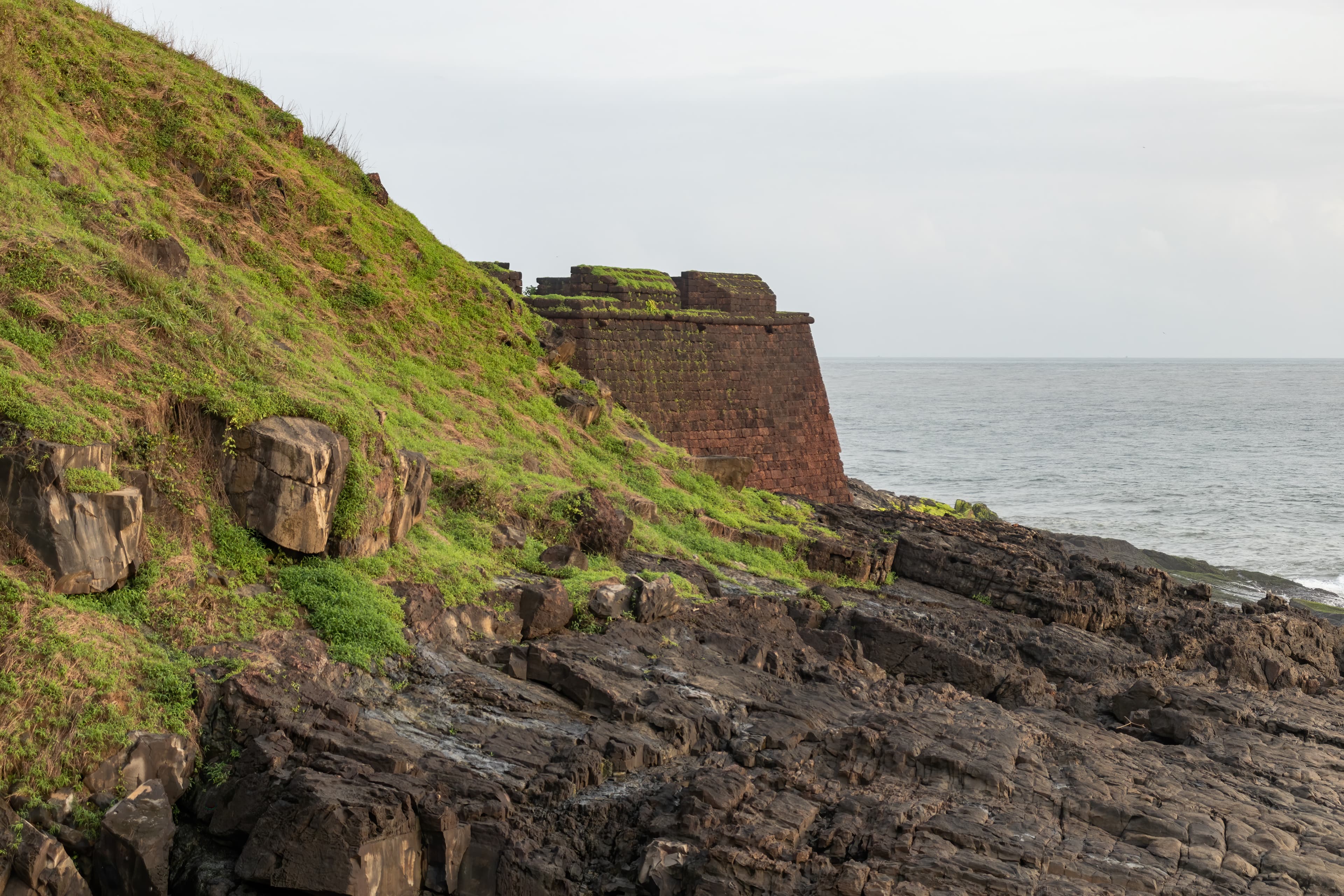
Framing Goa's coastline is Aguada Fort, a *durg* (fortress) constructed in 1650 CE by the Portuguese, strategically positioned at the confluence of the Mandovi River and the Arabian Sea ([1][2]). The fort, built with laterite stone, exemplifies a fusion of European military design and subtle Indian influences ([3]). Its sturdy lower ramparts and strategic gun placements were intended to defend against Maratha incursions ([7]). Stone platforms and foundations underscore the fort's lasting resilience. Aguada, translating to 'water', features a freshwater spring, a prime example of *jala sthapathya* (hydraulic engineering), which supplied essential drinking water to ships ([8]). Added later, the lighthouse provides panoramic vistas. It's plausible that the fort's layout integrates *Vastu Shastra* principles, aligning structures with cardinal directions to optimize defensive capabilities and spatial harmony ([9]). However, specific textual references to *Vastu Shastra* applications within the fort's design require further documented evidence. Within the *Garbhagriha* (Sanctum) of Aguada Fort, a distinct cultural synthesis takes shape. The design elements reflect the architectural and cultural exchanges prevalent during the 17th century ([1][2]). The fort's architecture doesn't explicitly mirror the intricate details described in texts like the *Manasara Shilpa Shastra* or the *Mayamata*, which extensively cover temple construction and iconography. Instead, it represents an adaptation of European military architecture to the Indian context, utilizing locally available materials like laterite and basalt ([3]). The enduring laterite walls withstand the rigors of monsoon rains and coastal conditions, demonstrating remarkable durability ([3]). Preservation efforts at Aguada allow for appreciation of its architectural integrity. Aguada Fort embodies a unique chapter in Indo-Portuguese history, a testament to the architectural and cultural interactions of the 17th century, although direct correlations to Vedic texts or specific *Shilpa Shastras* remain limited ([1][2]).
Thousand Pillar Temple Hanamkonda
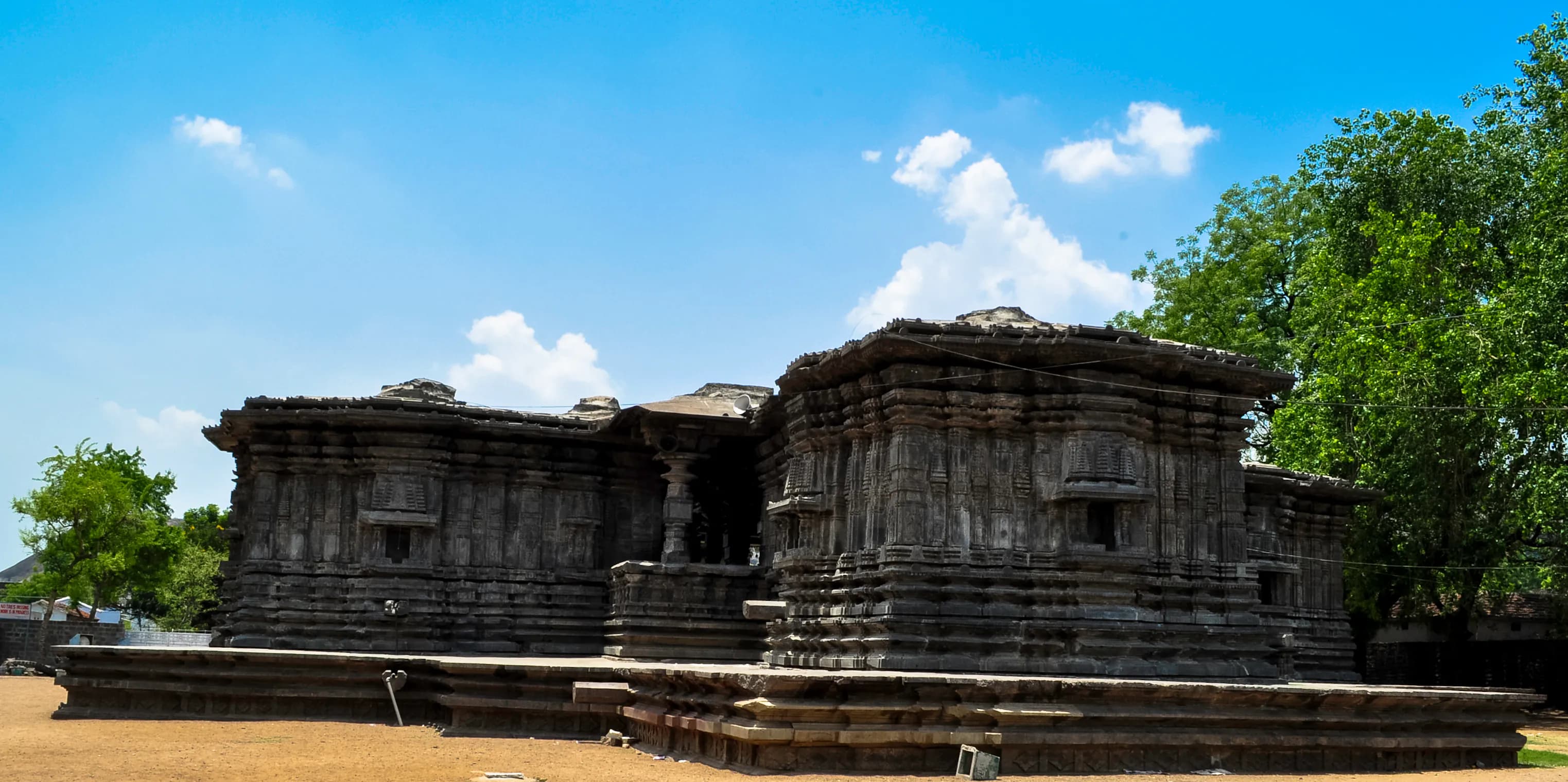
The midday sun beat down on the stone, radiating heat that shimmered in the air above the Thousand Pillar Temple. Having explored countless caves and temples across Maharashtra, I’ve developed a keen eye for architectural nuances, and this temple in Hanamkonda, Telangana, promised a feast for the senses. Even before stepping through the imposing entrance, the sheer scale of the structure was breathtaking. It wasn't just a temple; it was a testament to the architectural prowess of the Kakatiya dynasty. The name "Thousand Pillar Temple" is a bit of a misnomer. While it evokes a sense of grandeur, there aren't actually a thousand pillars. Closer to 280 support this marvel, intricately carved and strategically placed to create a seemingly endless colonnade. These pillars aren't merely structural supports; they are storytellers. Each one is adorned with elaborate carvings depicting scenes from Hindu mythology, celestial beings, and scenes of courtly life. I spent a considerable amount of time just circling the pillars, tracing the stories etched into the stone, marveling at the skill of the artisans who breathed life into these granite monoliths centuries ago. The temple is dedicated to a trinity of deities: Lord Shiva (as Rudreshwara), Lord Vishnu (as Vaikuntha Vishnu), and Lord Surya (the Sun God). This dedication to three major deities within a single complex is a testament to the Kakatiyan's inclusive religious philosophy. The main shrines, each housing one of the deities, are connected by a central mandapam, a large pillared hall. The play of light and shadow within this space, filtered through the intricately carved pillars, creates an ethereal atmosphere. It's easy to imagine the vibrant religious ceremonies that would have once filled this hall with chanting and the scent of incense. One of the most striking features of the temple is the star-shaped sanctum of Lord Vishnu. The precision of the architecture is remarkable. The angles, the proportions, the intricate carvings on the outer walls – everything points to a deep understanding of geometry and aesthetics. I noticed a subtle shift in the architectural style in this section, hinting at the influence of different artisans or perhaps even a slightly later period of construction. This blend of styles adds another layer of intrigue to the temple's narrative. As I moved through the complex, I noticed the remnants of vibrant paint on some of the carvings. While much of the original color has faded with time, these remnants offer a glimpse into the temple’s past glory. I could envision the vibrant hues that once adorned these sculptures, transforming the temple into a kaleidoscope of color. It's a reminder that these weren't just grey stone structures; they were living, breathing expressions of faith and artistry. Beyond the main shrines, the temple complex also houses several smaller shrines and mandapas. I discovered a particularly captivating Nandi mandapa, housing a large monolithic Nandi (the sacred bull of Lord Shiva). The sheer size of the Nandi is impressive, and the intricate detailing on its form is a testament to the sculptor's skill. The Thousand Pillar Temple isn't just a collection of stones; it's a living testament to a rich cultural heritage. It's a place where history, mythology, and artistry converge. Walking through its hallowed halls, I felt a profound connection to the past, a sense of awe at the ingenuity and devotion of those who built this magnificent structure. It’s a must-see for anyone seeking to understand the architectural brilliance of the Kakatiya dynasty and experience the spiritual heart of Telangana. My journey through the caves and temples of Maharashtra has prepared me for many breathtaking sights, but the Thousand Pillar Temple stands out as a truly exceptional experience.
Canberra Sri Vishnu Shiva Mandir Mawson
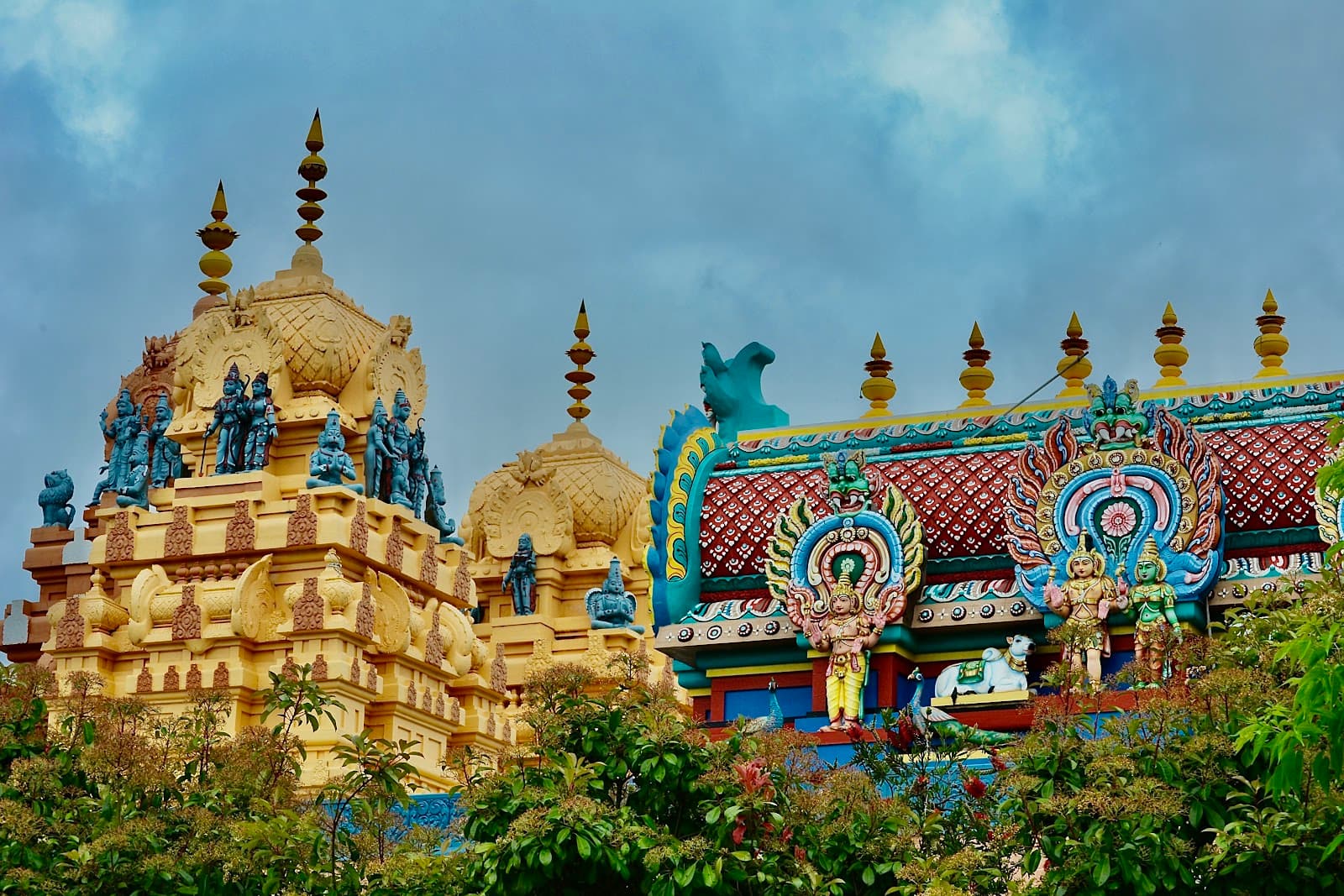
Embodying a synthesis of tradition and modernity, Canberra Sri Vishnu Shiva Mandir Mawson, inaugurated in 1984, serves as a vibrant hub for the Hindu community in the Australian Capital Territory ([1]). Housed within a renovated 1970s office building, the temple uniquely integrates dual sanctums (Garbhagriha) dedicated to Lord Vishnu and Lord Shiva, reflecting the syncretic traditions within Hinduism ([1][2]). This adaptation demonstrates how ancient architectural principles can be reinterpreted in contemporary contexts. Within the central hall, devotees engage in daily rituals (darshan) observed during specific hours, with extended timings during major festivals such as Mahashivaratri and Deepavali ([1][5]). Sophisticated queue management systems, incorporating RFID technology, guide devotees to the respective Vaishnava and Shaiva shrines, ensuring a seamless experience ([1][5]). Further enhancing the spiritual environment, subtle applications of Vastu Shastra principles are evident in the temple's layout, fostering harmony and positive energy flow ([4]). Modern amenities are seamlessly integrated within the community center, including classrooms for cultural education, a kitchen for preparing annadhanam (food offerings), and dedicated meditation spaces ([1][3]). Advanced HVAC systems, managed by a building management system, ensure optimal environmental control, while digital signage provides bilingual schedules and emergency alerts ([2][3]). Granite and sandstone blocks, traditionally hand-carved, find expression through modern materials like reinforced concrete and brickwork, blending ancient aesthetics with contemporary construction techniques ([3]). Through collaborative partnerships with ACT SES, the temple reinforces its operational resilience, solidifying its role as a focal point for worship, cultural exchange, and community engagement ([1][3]). The temple's architecture, while modern, subtly echoes elements of the Nagara style found in North Indian temples, particularly in its vertical emphasis and symbolic ornamentation ([2]). The Canberra Sri Vishnu Shiva Mandir thus stands as a testament to the enduring relevance of Hindu traditions in a globalized world ([1]).
Sanghi Temple Hyderabad
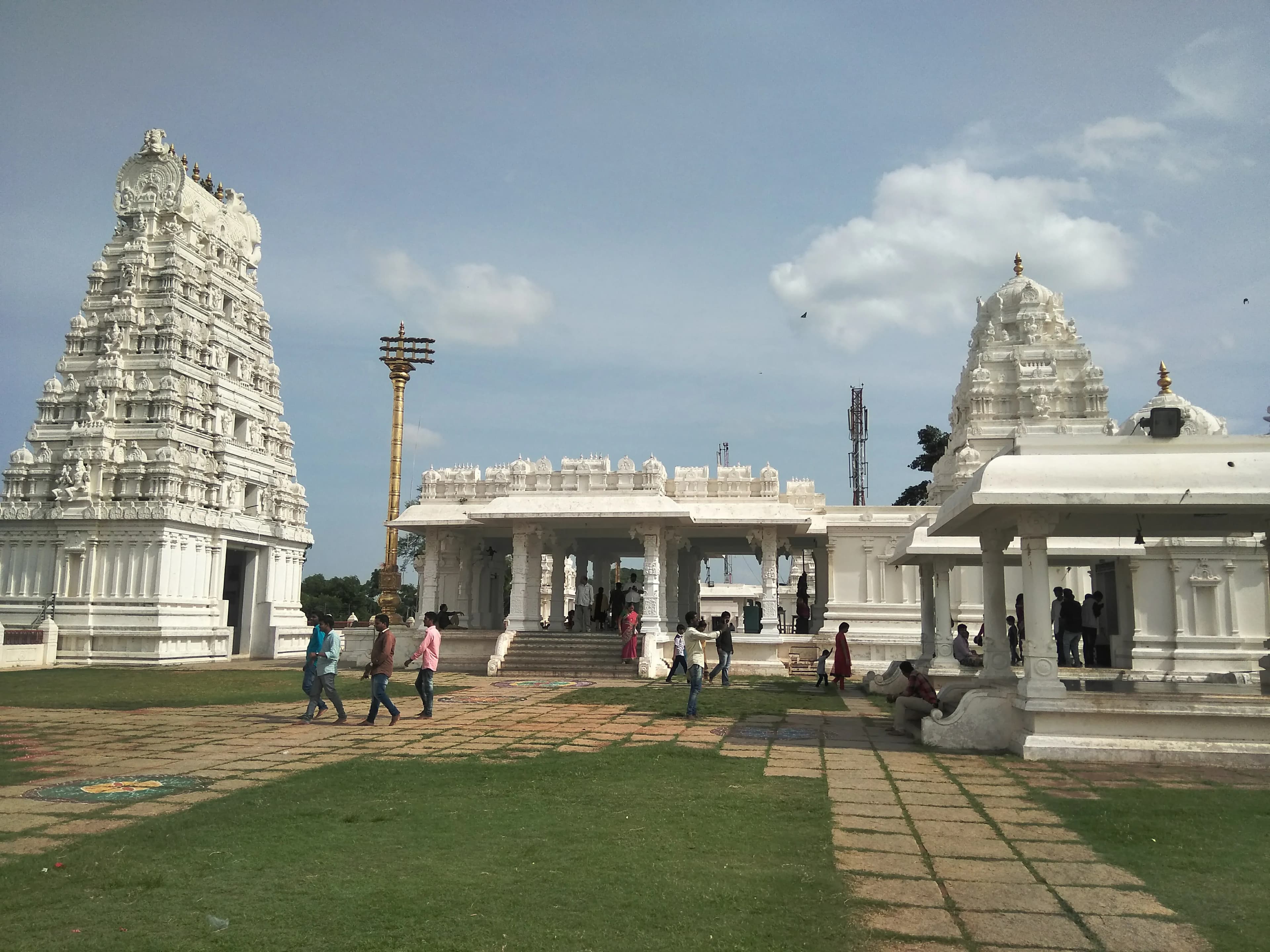
The wind whipped around me, carrying the faint scent of incense and the distant chanting of mantras, as I stood at the foot of the magnificent Sanghi Temple. Having explored countless forts and palaces of Rajasthan, I’ve developed a keen eye for architectural grandeur, and even so, this temple, nestled amidst the rocky landscape of Telangana, took my breath away. It wasn’t a single monolithic structure, but a sprawling complex of shrines, each dedicated to a different deity within the Hindu pantheon, all crafted from gleaming white marble that seemed to radiate an inner light. The main temple, dedicated to Lord Venkateswara, dominates the skyline. Its towering gopuram, intricately carved with scenes from Hindu mythology, draws the eye upwards, almost piercing the cerulean sky. The sheer scale of the structure is awe-inspiring. I’ve seen the intricate carvings of Dilwara and the imposing walls of Chittorgarh, but the pristine white marble of Sanghi Temple, reflecting the bright Telangana sun, created a different kind of majesty. It felt less like a fortress and more like a celestial palace, descended from the heavens. As I ascended the broad steps leading to the main sanctum, I noticed the meticulous detailing. Every inch of the temple, from the towering pillars to the delicate latticework screens, was adorned with carvings. Mythological figures, celestial beings, and floral motifs intertwined in a complex tapestry of artistry. The craftsmanship was exquisite, reminiscent of the delicate jali work I’d admired in the palaces of Jaipur, but here, the sheer volume of carving was overwhelming. It was as if an army of artisans had poured their hearts and souls into every chisel stroke. Inside the main sanctum, the atmosphere was charged with devotion. The air hummed with the low murmur of prayers and the clanging of bells. The deity, Lord Venkateswara, stood resplendent, adorned with jewels and garlands. The sheer faith radiating from the devotees around me was palpable, a testament to the spiritual power this place held. It was a stark contrast to the hushed reverence I’d experienced in the Jain temples of Ranakpur. Here, devotion was expressed openly, with an almost tangible energy. Beyond the main temple, the complex unfolded like a labyrinth of spiritual discovery. Smaller shrines dedicated to Lord Ganesha, Lord Shiva, and Goddess Durga dotted the landscape, each with its own unique architectural style and devotional atmosphere. I was particularly drawn to the serene beauty of the Goddess Lakshmi shrine, its delicate carvings and peaceful ambiance offering a respite from the bustling activity of the main temple. It reminded me of the quiet courtyards within the City Palace of Udaipur, hidden oases of tranquility amidst the grandeur. Wandering through the complex, I stumbled upon a small amphitheater, its stage facing a backdrop of lush greenery. I learned that cultural performances and religious discourses are often held here, adding another layer to the temple's vibrant tapestry. It was a thoughtful inclusion, acknowledging the importance of art and education alongside spiritual practice. This reminded me of the open-air performances I’d witnessed in the Mehrangarh Fort of Jodhpur, where history and culture came alive under the desert sky. As the sun began to set, casting long shadows across the marble courtyards, I found myself sitting by the temple’s tranquil pond, watching the koi fish glide through the clear water. The air was filled with the sound of chirping birds and the distant chanting of evening prayers. The temple, bathed in the warm glow of the setting sun, seemed to exude a sense of peace and serenity. It was a fitting end to my visit, a moment of quiet reflection after a day of exploration and discovery. Sanghi Temple, with its architectural splendor and spiritual richness, had left an indelible mark on my memory. It was a testament to the enduring power of faith and the artistry of human hands, a place where the divine and the earthly met in perfect harmony.
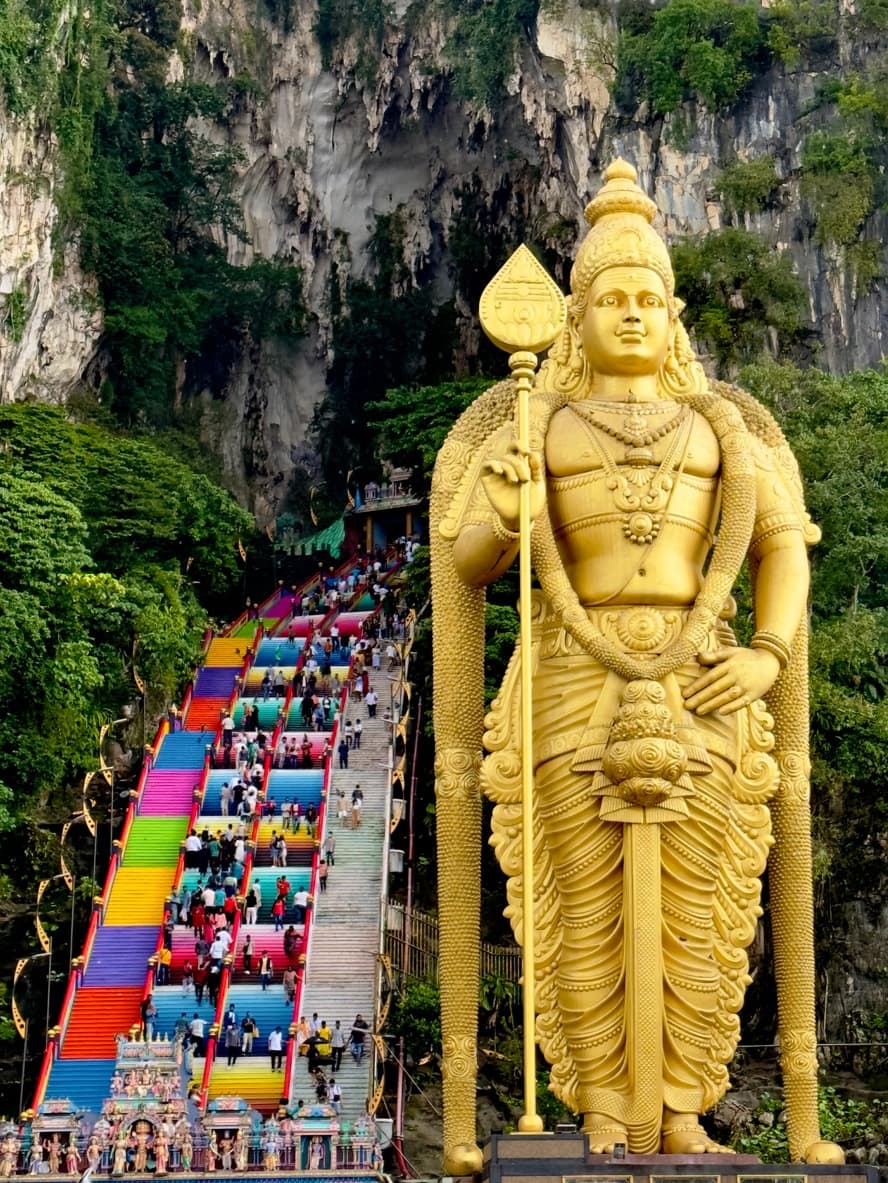
Batu Caves Sri Subramaniar Swamy Temple Selangor
Crowning a limestone karst formation 15 kilometers north of Kuala Lumpur, the Sri Subramaniar Swamy Temple at Batu Caves attracts millions annually to venerate Lord Murugan ([1][2]). Integrating Dravidian temple architecture with natural caves estimated to be 400 million years old, the site presents a unique synthesis of faith and geology ([1]). Ascending 272 vibrantly painted steps, devotees encounter shrines dedicated to Vinayagar, Valli, Deivayanai, and Kasi Viswanathar before reaching the main sanctum in a 90-meter-high cave ([1]). Granite and sandstone blocks, meticulously carved, form the Vimana (temple tower) and Mandapa (pillared hall), housing Murugan's sacred Vel (divine spear) ([3]). The temple adheres to daily rituals, including six Kala Pujas (daily worship rituals) and weekly Abhishekam (sacred bathing) ([1]). During Thaipusam, devotees undertake Kavadi (ceremonial burdens) and Pal Kudam (milk pot) processions, showcasing their devotion ([2]). The vibrant colors and intricate detailing reflect the rich artistic traditions of Dravidian temple architecture ([4]). Furthermore, the foothills accommodate a multipurpose hall, cultural museum, and visitor center, enhancing the visitor experience ([1]). The temple's construction, dating back to 1890 CE during the Colonial Period, demonstrates the enduring influence of Indian architectural styles in Southeast Asia ([5]). The integration of limestone, granite, reinforced concrete, steel, copper Kalashas, and timber illustrates the adaptation of traditional methods to the local environment ([3]). Since 2019, the temple has integrated technology to monitor the cave environment and manage visitor flow, blending spiritual traditions with modern conservation efforts ([3]). This fusion of faith, architecture, and natural wonder establishes Batu Caves as a significant cultural landmark ([2]).
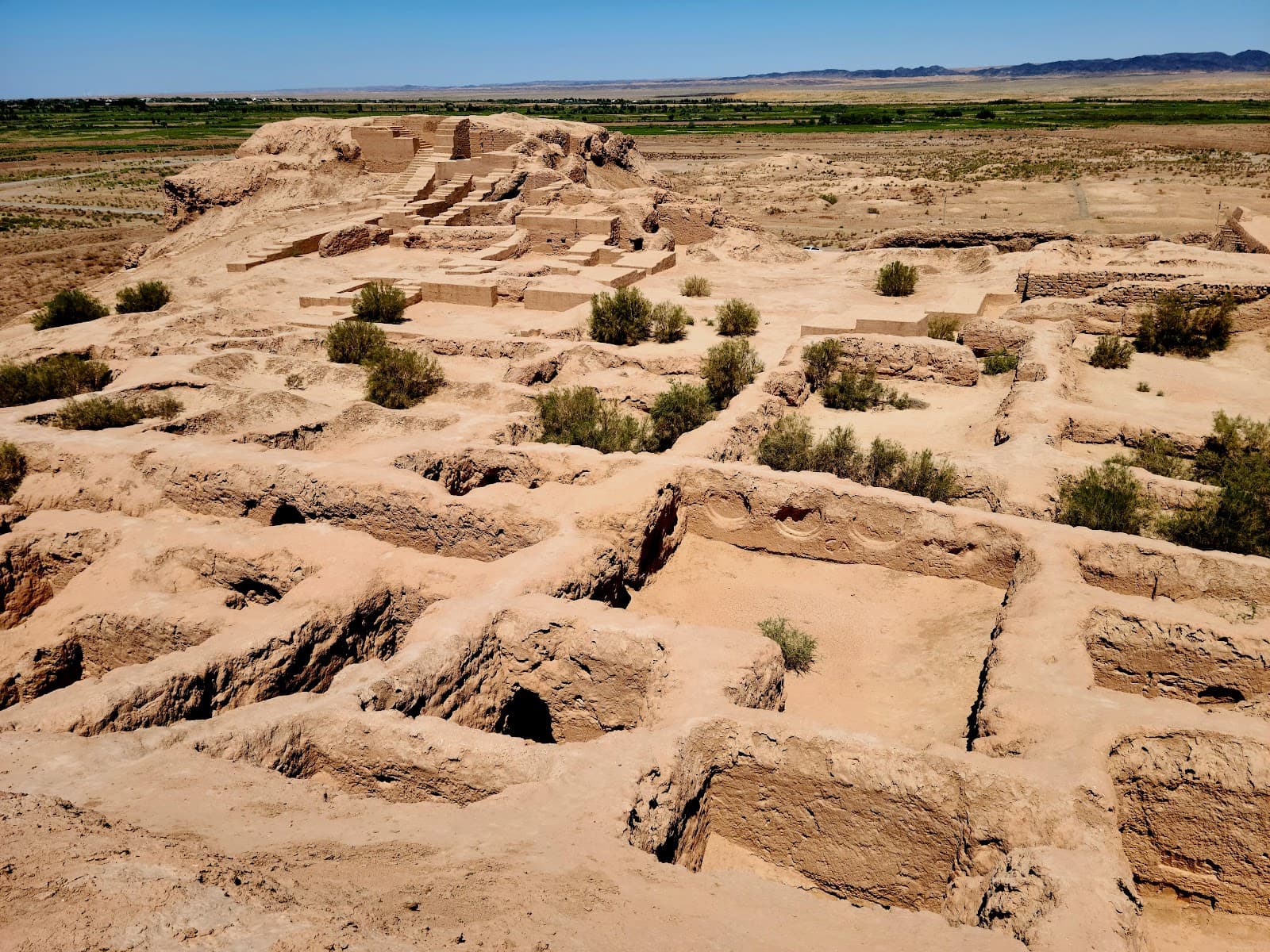
Topraq-Kala Karakalpakstan Uzbekistan
Topraq-Kala, located in the Karakalpakstan region of Uzbekistan, represents one of the most magnificent and archaeologically significant Khorezmian palace-temple complexes in Central Asia, constructed from the 1st to 4th centuries CE as a major administrative and religious center that demonstrates the extraordinary synthesis of Central Asian palace architecture with Indian Hindu religious iconography and artistic traditions, creating a powerful testament to the profound transmission of Indian religious and cultural traditions to Central Asia during the ancient period. The complex, comprising an extensive fortified palace with multiple courtyards, residential quarters, and religious structures, features remarkable archaeological discoveries including temple remains adorned with Hindu iconography including sculptures and reliefs depicting Hindu deities that demonstrate the direct transmission of Indian Hindu religious and artistic traditions to Central Asia, while the discovery of numerous artifacts including sculptures of Shiva, Vishnu, and other Hindu deities provides crucial evidence of the site's role as a center where Indian Hindu religious practices flourished in Central Asia. The palace-temple complex demonstrates sophisticated architectural planning with multiple levels, courtyards, and specialized structures that reflect both Central Asian palace traditions and Indian temple architectural influences, while the extensive decorative programs including sculptures and reliefs executed in styles that demonstrate clear connections to Indian artistic traditions provide crucial evidence of the ways in which Indian Hindu iconography was adapted and transformed in the Central Asian context. Archaeological excavations have revealed that the complex served as both a major administrative center for the Khorezmian state and a center of Hindu worship, while the discovery of numerous artifacts including coins, pottery, and ritual objects provides crucial evidence of the site's role in the transmission of Indian religious, artistic, and cultural traditions to Central Asia, demonstrating the sophisticated understanding of Indian traditions possessed by the inhabitants of this remarkable complex. The site's location along major trade routes underscores its significance as a center for the transmission of Indian religious and cultural traditions to Central Asia, while the extensive archaeological remains provide crucial insights into the ways in which Indian Hindu practices were integrated into Central Asian palace and religious architecture. Today, Topraq-Kala stands as a UNESCO Tentative List site and represents one of the most important Khorezmian archaeological sites in Central Asia, serving as a powerful testament to the transmission of Indian Hindu culture and architecture to Central Asia, while ongoing archaeological research and conservation efforts continue to protect and study this extraordinary cultural treasure that demonstrates the profound impact of Indian civilization on Central Asian religious and artistic traditions. ([1][2])
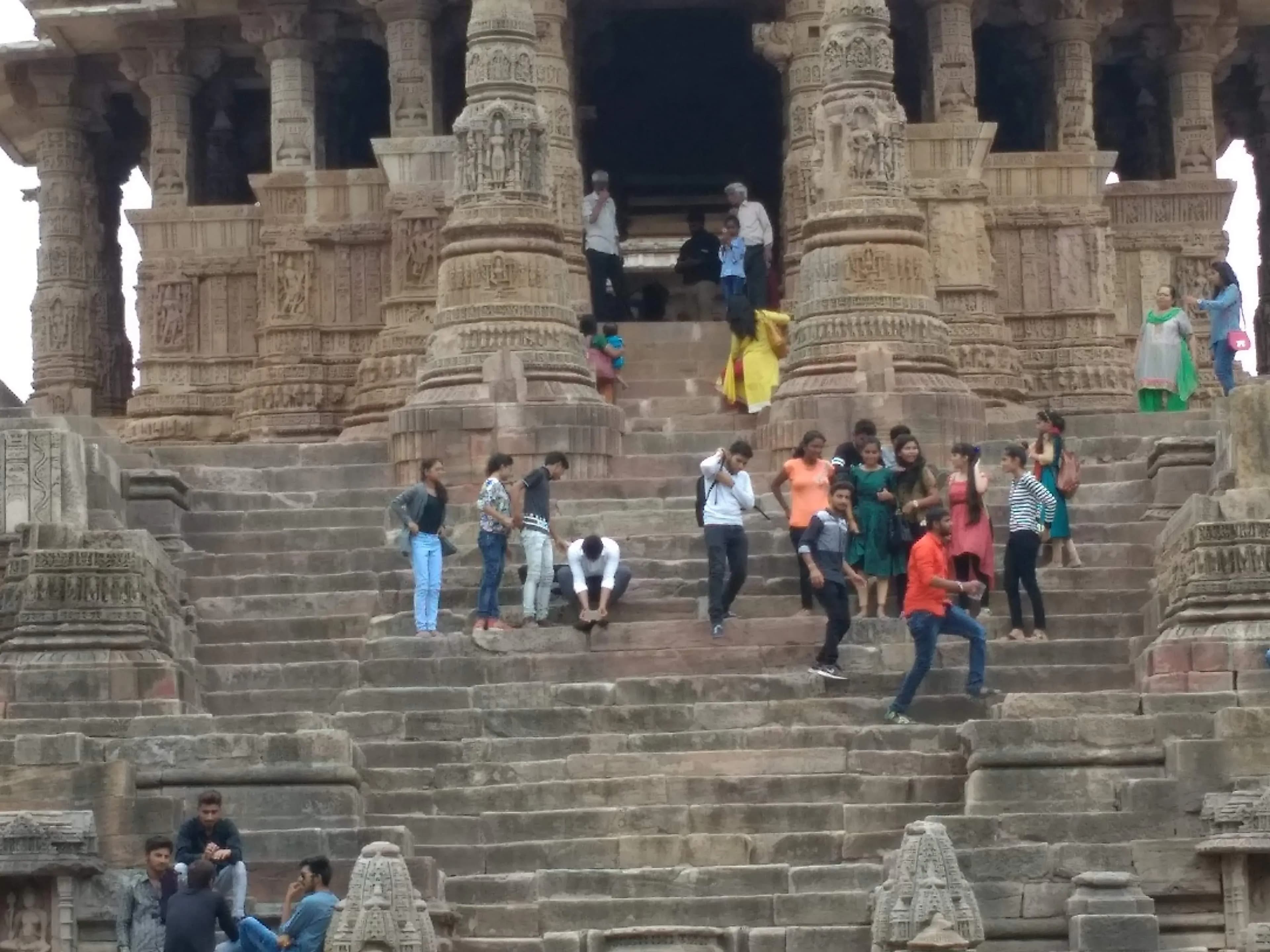
Modhera Sun Temple Mehsana
The dawn sun cast long shadows across the exquisitely carved stone, illuminating the Modhera Sun Temple in a way that felt almost reverential. Having explored countless temples across North India, from the soaring peaks of the Himalayas to the plains of the Gangetic belt, I thought I had become somewhat jaded to the grandeur of ancient architecture. Modhera, however, stopped me in my tracks. This wasn't just another temple; it was a symphony in stone, a testament to the Solanki dynasty's devotion to the sun god, Surya. Located in Modhera, a small village in Gujarat's Mehsana district, the temple complex is divided into three distinct parts: the Surya Kund (stepwell), the Sabha Mandap (assembly hall), and the Guda Mandap (sanctum sanctorum). My exploration began with the Surya Kund, a massive rectangular stepwell descending several stories into the earth. Unlike utilitarian stepwells I'd seen elsewhere, this one was ornate, with over 108 miniature shrines carved into its sides, dedicated to various deities. Imagine descending into the earth surrounded by intricate carvings of gods and goddesses, the cool air a welcome respite from the Gujarati heat. It felt like stepping back in time, witnessing a sacred ritual bath frozen in stone. From the stepwell, a flight of steps led me to the Sabha Mandap, the assembly hall. This pillared marvel is a masterpiece of intricate carvings. Each pillar tells a story, depicting scenes from the epics, celestial nymphs, and intricate geometric patterns. The play of light and shadow through the pillars created an ethereal atmosphere, making it easy to imagine the vibrant gatherings that must have once taken place within these walls. I spent a considerable amount of time simply circling the hall, tracing the carvings with my fingers, trying to decipher the stories they whispered. The sheer density of the ornamentation was breathtaking; every inch of the stone seemed to pulsate with life. Finally, I reached the Guda Mandap, the sanctum sanctorum, now bereft of its original idol. Even without the presiding deity, the space held a palpable sense of sanctity. The towering shikhara, though partially ruined, still reached towards the sky, a symbol of aspiration and devotion. The walls of the sanctum were covered in intricate carvings depicting Surya in his various forms, riding his chariot across the heavens. The level of detail was astonishing; the sculptor had captured the very essence of the sun god's power and radiance. One of the most striking aspects of the Modhera Sun Temple is its precise alignment with the cardinal directions. During the equinoxes, the first rays of the rising sun would illuminate the image of Surya in the sanctum, a feat of architectural ingenuity that underscores the deep astronomical knowledge of the Solanki architects. Although I wasn't there during the equinox, I could still visualize the spectacle, the sun's golden rays piercing the darkness and bathing the deity in light. As I walked away from the temple, the setting sun painting the sky in hues of orange and gold, I couldn't help but feel a sense of awe. Modhera is more than just a collection of stones; it's a living testament to the artistic and engineering prowess of a bygone era. It's a place where history, mythology, and architecture converge to create an experience that is both humbling and inspiring. For anyone seeking a glimpse into India's rich cultural heritage, the Modhera Sun Temple is an absolute must-see. It's a journey not just through space, but through time itself.
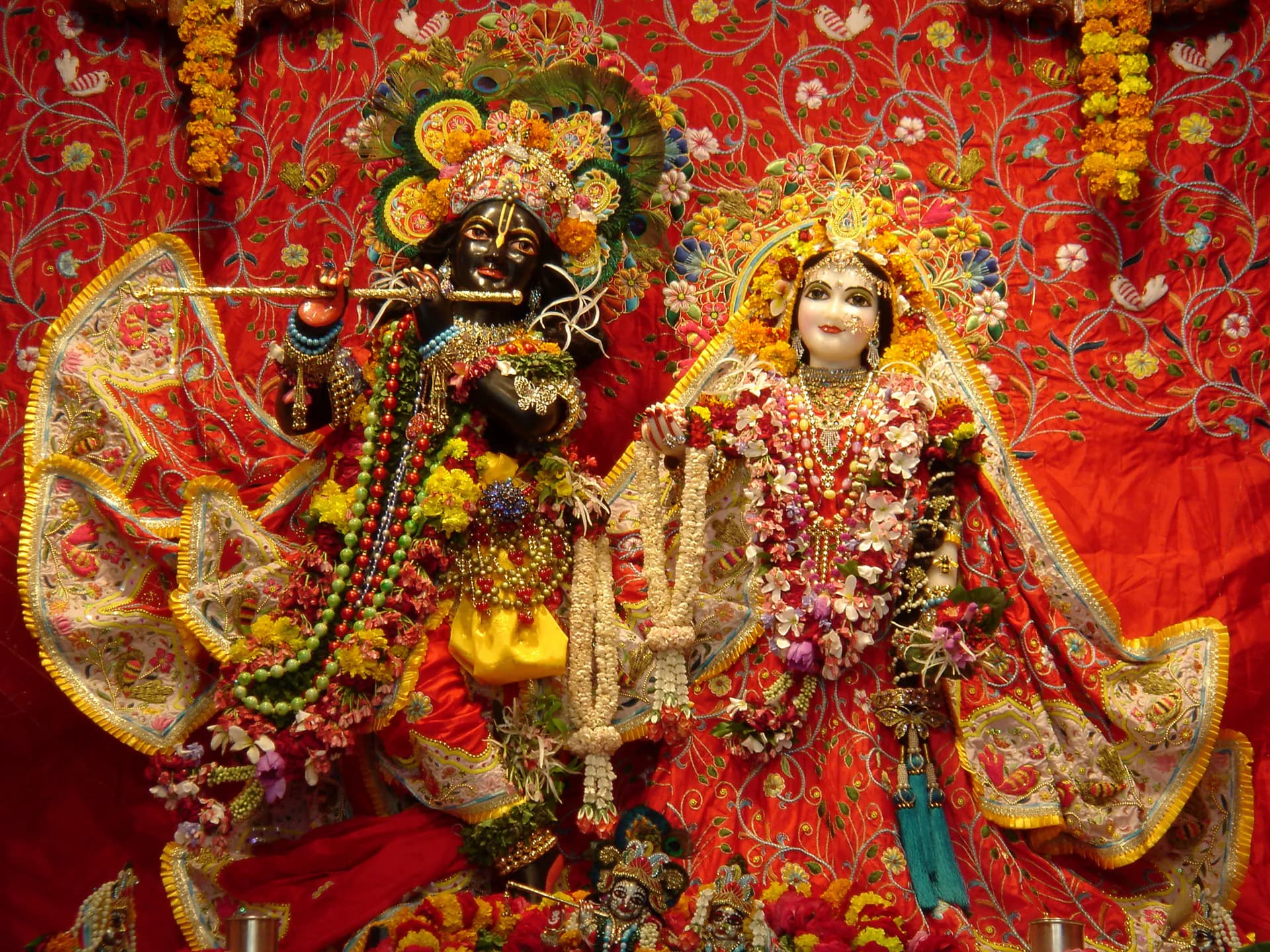
ISKCON Temple Dimapur
The ISKCON Temple Dimapur, dedicated to Lord Krishna, stands in Dimapur, Nagaland, as a testament to India's enduring spiritual and architectural traditions, which span millennia [1]. Consecrated in 1995 CE, this contemporary edifice draws deeply from indigenous Indian architectural styles, primarily Orissan Nagara and broader Nagara forms, while also incorporating elements reminiscent of Gupta and Neo-Classical aesthetics [2]. The temple's design reflects a continuous lineage of sacred architecture, emphasizing the profound cultural practices and spiritual devotion that have characterized Indian civilization for thousands of years [1] [2]. The architectural scheme of the ISKCON Temple Dimapur is a modern interpretation of the Nagara style, which is prevalent across North India and characterized by its towering, curvilinear shikhara [2]. Specifically, it incorporates features of the Orissan Nagara sub-school, where the shikhara, known as a 'Deul', rises almost vertically before curving sharply inwards towards the summit [5]. The temple typically features a 'garbhagriha' (sanctum sanctorum) housing the principal deity, preceded by one or more 'mandapas' (halls) [2] [5]. In Orissan style, a 'Jagamohan' (assembly hall) often precedes the 'Deul', and the main temple's ground plan is nearly invariably square, with a round 'Mastaka' (crowning element) at the apex of its superstructure [5]. The exterior walls of Nagara temples are often articulated with projections known as 'rathas', which create a dynamic interplay of light and shadow and enhance ornamentation [2]. The temple's construction utilizes reinforced cement concrete (RCC) for structural integrity, with concrete grades such as M30 employed to ensure high load-bearing capacity and durability [4]. The foundation typically involves pile foundations, designed to support the substantial weight of the superstructure [4]. Materials like sandstone, often used in traditional Nagara temples, are likely complemented by modern finishes and decorative elements, reflecting the blend of ancient aesthetics with contemporary construction methods [2] [4]. Decorative elements within ISKCON temples often include intricate carvings and sculptures that depict deities, celestial beings, and mythological narratives, reflecting the rich heritage of Vedic culture . The design principles are rooted in Vedic traditions, drawing from texts like the Shilpa Shastras and Vastu Shastra, which emphasize harmony with natural elements and cosmic energies . Towering 'shikharas' symbolize Mount Meru, the cosmic axis, guiding spiritual focus heavenward . The sanctum sanctorum, housing the deities, is meticulously aligned with cardinal directions, with east-facing entrances welcoming the sun's first rays, symbolizing enlightenment . The temple complex is designed to include community spaces such as kirtan halls for collective chanting, prasadam (sanctified food) dining areas, libraries, and classrooms, fostering a holistic spiritual ecosystem . Conservation efforts for ISKCON temples generally focus on maintaining the structural integrity of modern construction while preserving the traditional artistic and spiritual elements . The temple is actively programmed with daily rituals, festivals, and educational initiatives, serving as a vibrant center for spiritual gatherings and community service [1]. It is fully operational, accessible to devotees and visitors, and maintained by the ISKCON Foundation, ensuring its role as a continuous beacon of devotion and cultural preservation [1].
Quick Links
Plan Your Heritage Journey
Get personalized recommendations and detailed visitor guides