Has Inheritage Foundation supported you today?
Your contribution helps preserve India's ancient temples, languages, and cultural heritage. Every rupee makes a difference.
Secure payment • Instant 80G certificate
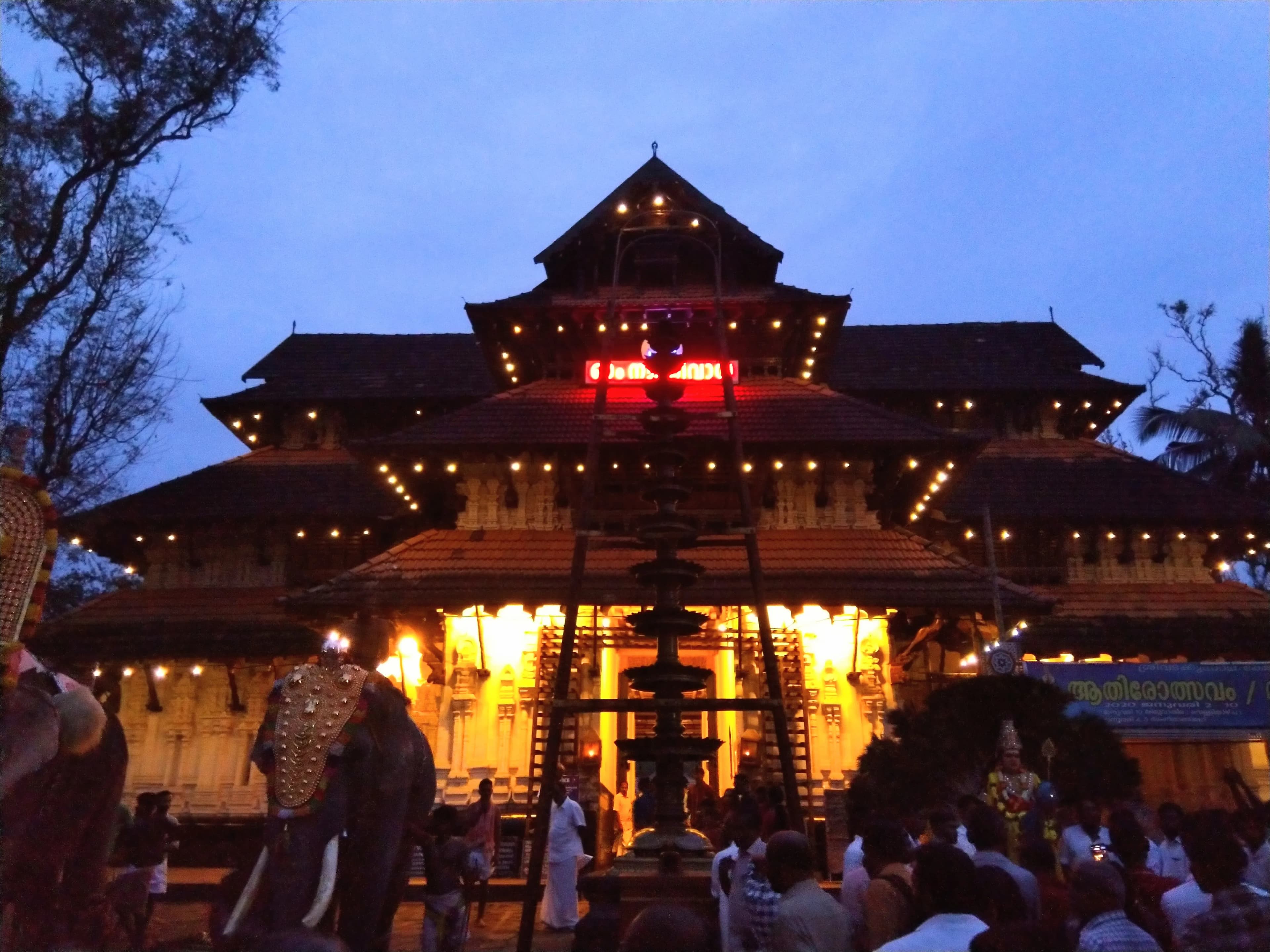
Vadakkunnathan Temple Thrissur
The colossal teakwood structure of the Vadakkunnathan Temple rose before me, an imposing presence against the vibrant Kerala sky. As a Chennai native steeped in the granite grandeur of Dravidian architecture, I felt a distinct shift in aesthetic as I entered the temple complex in Thrissur. This wasn't the soaring gopurams and mandapas I was accustomed to. This was Kerala architecture at its finest, a unique blend of Dravidian influences and regional sensibilities. The temple, dedicated to Lord Shiva, is a complex of three shrines – dedicated to Shiva (Vadakkunnathan), Parvati (Koothambalam), and Rama (Sree Rama). What immediately struck me was the circular sanctum sanctorum of the main shrine, a departure from the square garbhagrihas typical of Tamil Nadu temples. This circularity, I learned, is a hallmark of Kerala temple architecture, and the Vadakkunnathan Temple exemplifies it beautifully. The sloping, tiled roofs of the shrine, layered in concentric circles, created a visually captivating rhythm, culminating in a golden pinnacle. The walls of the sanctum were adorned with intricate wood carvings, depicting scenes from the epics, a testament to the skill of Kerala's artisans. Unlike the open prakarams of Tamil temples, the Vadakkunnathan Temple is enclosed within a high laterite wall, punctuated by four gopurams, though these are significantly smaller and less ornate than their Tamil counterparts. This enclosed layout created a sense of intimacy, almost as if the temple was holding its secrets close. Within the walls, the koothambalam, the traditional theatre for Koothu and Koodiyattam performances, stood out. Its massive, sloping roof, supported by thick wooden pillars, spoke of a rich tradition of performing arts intertwined with temple rituals. The polished wooden floor of the koothambalam seemed to hum with the echoes of countless performances, a palpable connection to the past. The temple's use of wood as the primary building material was another striking feature. While stone is the dominant material in Tamil Nadu temples, here, the warm, rich tones of wood created a different atmosphere, more organic and earthy. The intricate carvings on the wooden pillars and beams, depicting deities, mythical creatures, and floral motifs, were breathtaking in their detail. The natural weathering of the wood over centuries had lent it a patina that added to the temple's aura of antiquity. As I circumambulated the main shrine, I noticed the absence of elaborate sculptures on the outer walls, a stark contrast to the densely sculpted surfaces of Tamil temples. The emphasis here seemed to be on the overall form and the intricate woodwork, rather than on external ornamentation. This minimalist approach, I realized, contributed to the temple's serene and contemplative atmosphere. The murals within the temple, however, were a revelation. Though some were faded with age, the vibrant colours and dynamic compositions of the surviving murals, depicting scenes from the Mahabharata and Ramayana, were captivating. The Kerala style of mural painting, with its emphasis on bold lines and vibrant colours, was distinct from the Tanjore style I was familiar with. These murals offered a glimpse into the rich artistic traditions that flourished under the patronage of the temple. My visit to the Vadakkunnathan Temple was a journey of discovery, a chance to appreciate the nuances of South Indian temple architecture beyond the familiar Dravidian idiom. The temple's unique architectural features, its emphasis on wood, its enclosed layout, and its rich artistic traditions offered a fascinating counterpoint to the temple architecture of my homeland. It reinforced the idea that while the underlying principles of temple architecture may be shared across South India, regional variations and local sensibilities create unique expressions of devotion and artistry.
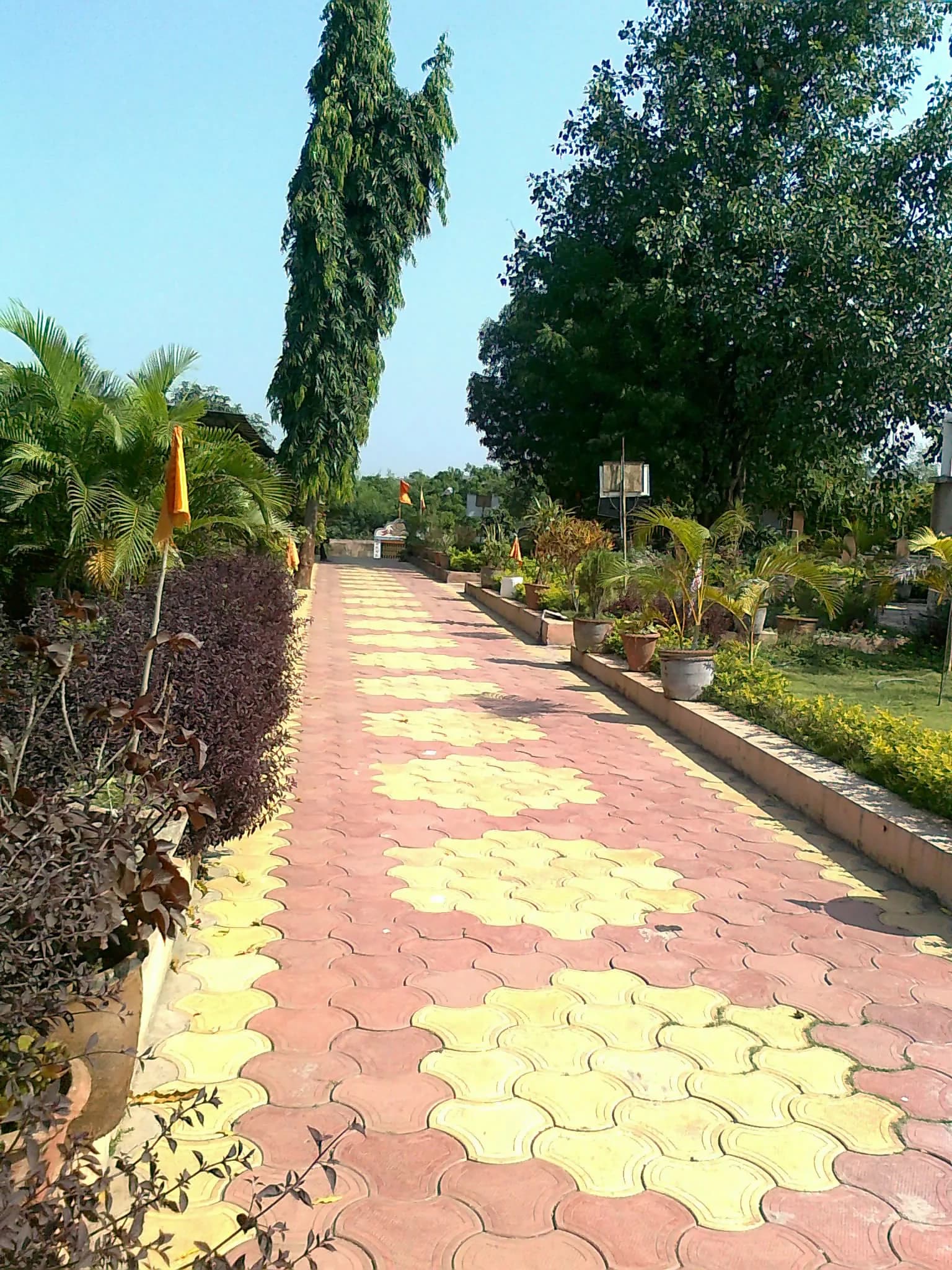
Shri Krishna Mandir Ludhiana
The midday sun cast long shadows across the sprawling courtyard of Shri Krishna Mandir in Ludhiana, the light catching the intricate carvings that adorned its facade. The temple, a relatively recent construction compared to the ancient wonders I typically study, still exuded a palpable sense of devotion and architectural richness. Its gleaming white marble exterior, punctuated by vibrant splashes of colour, stood in stark contrast to the bustling urban landscape that surrounded it. My initial impression was one of harmonious fusion. The temple’s design cleverly blends elements of traditional North Indian Nagara architecture with a touch of contemporary flair. The shikhara, the towering structure above the sanctum sanctorum, while not reaching the dizzying heights of some ancient temples, still commanded attention with its graceful curves and ornate detailing. Small, delicately carved miniature shikharas clustered around the main one, creating a sense of rhythmic ascension. Stepping inside, the cool marble floor offered respite from the Punjab heat. The main prayer hall, a vast and airy space, was filled with the murmur of chanting and the scent of incense. The pillars supporting the high ceiling were far from simple structural elements; each was a canvas for intricate carvings depicting scenes from the Krishna Leela, the divine plays of Lord Krishna. I was particularly struck by the dynamic portrayal of Krishna’s Rasa Leela, the dance with the gopis, which captured the fluidity and energy of the divine dance. The sculptor’s skill was evident in the expressive faces and flowing garments of the figures, bringing the mythological narrative to life. Unlike the dimly lit interiors of many ancient temples, Shri Krishna Mandir was bathed in natural light, which streamed in through large windows adorned with stained glass depicting various deities. This modern touch, while a departure from traditional temple architecture, enhanced the vibrancy of the space and allowed for a clearer appreciation of the artistry within. The temple complex extends beyond the main prayer hall, encompassing smaller shrines dedicated to other deities, including Radha, Shiva, and Hanuman. Each shrine, while smaller in scale, maintained the same level of artistic detail and devotional fervour. I noticed a distinct shift in architectural style in the Hanuman shrine, which incorporated elements reminiscent of Dravidian architecture, particularly in the gopuram-like structure above the entrance. This subtle incorporation of different architectural styles within a single complex spoke to the inclusive nature of the temple and its embrace of diverse traditions. One of the most captivating aspects of Shri Krishna Mandir was its extensive use of coloured marble inlay work. Floral motifs, geometric patterns, and depictions of divine symbols adorned the walls, pillars, and even the ceiling, creating a visual feast. The vibrant hues of red, green, blue, and yellow contrasted beautifully with the pristine white marble, adding a layer of opulence and grandeur to the space. This inlay work, reminiscent of the pietra dura technique, demonstrated a high level of craftsmanship and meticulous attention to detail. As I wandered through the temple complex, I observed the seamless integration of the sacred and the secular. Devotees engaged in prayer and ritual, while families strolled through the gardens, children playing in the designated areas. This harmonious coexistence underscored the temple's role as not just a place of worship, but also a community hub, a space for social interaction and cultural expression. My visit to Shri Krishna Mandir offered a fascinating glimpse into the evolution of temple architecture in India. While rooted in tradition, the temple embraces modern elements and diverse influences, creating a unique architectural vocabulary that reflects the dynamic nature of faith and cultural expression in contemporary India. It served as a potent reminder that architecture, even in its sacred manifestations, is not static but continues to adapt and evolve, reflecting the changing needs and aspirations of the communities it serves.
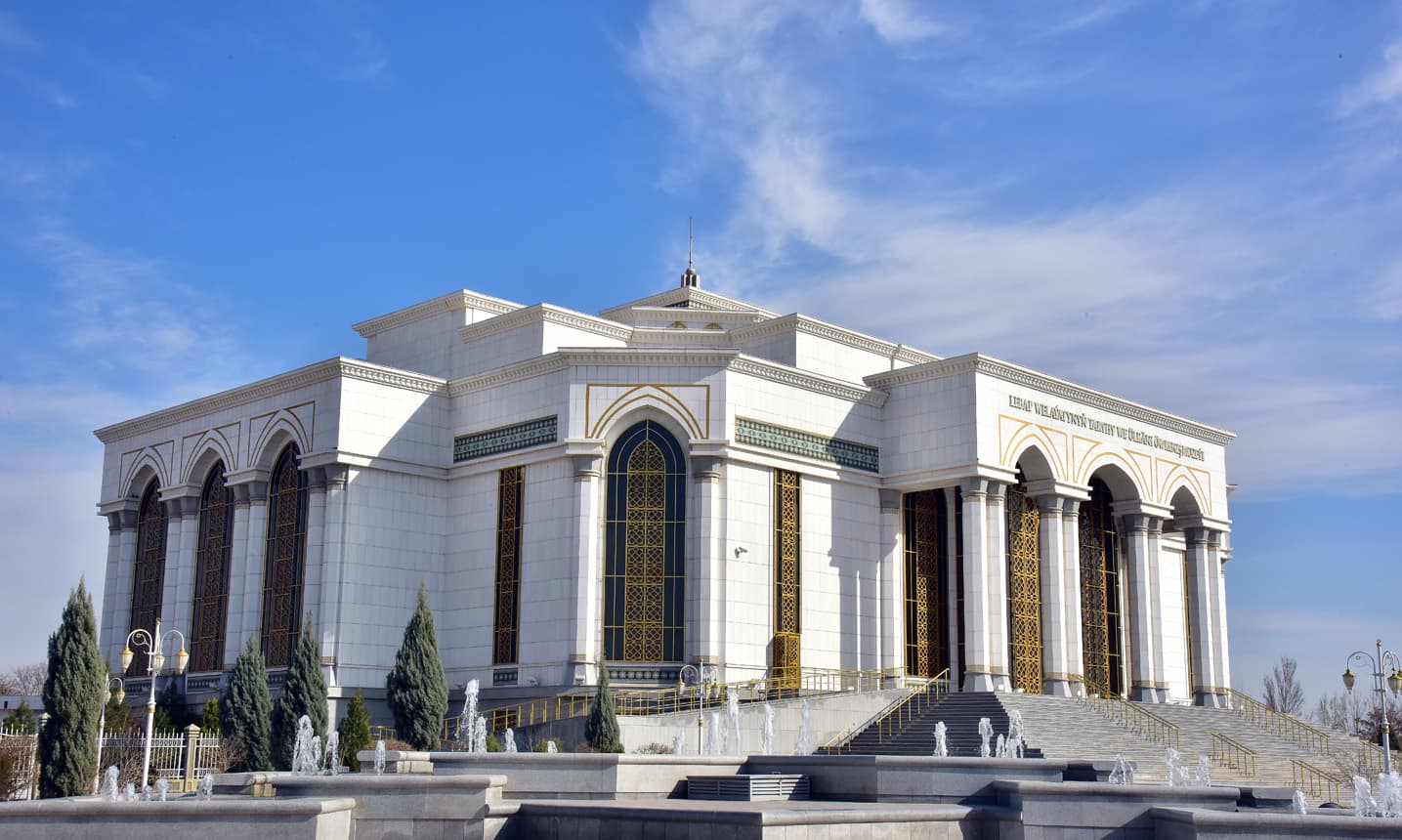
Khalchayan Temple Ruins Lebap Turkmenistan
Khalchayan Temple Ruins, dramatically situated in the Lebap Region of eastern Turkmenistan, represents one of the most extraordinary and archaeologically significant Kushan-period sites in Central Asia, dating to the 2nd century BCE and featuring remarkable Indic sculptures and architectural elements that demonstrate the profound transmission of Indian Buddhist and Hindu religious and artistic traditions to Central Asia during the Kushan period, creating a powerful testament to the sophisticated synthesis of Indian and Central Asian cultural traditions. The temple ruins, featuring sophisticated architectural elements and extraordinary Indic sculptures executed in the distinctive Kushan-Gandharan style that emerged from the synthesis of Indian and Central Asian artistic traditions, demonstrates the direct transmission of Indian Buddhist and Hindu iconographic programs and artistic traditions from the great artistic centers of India including Gandhara, Mathura, and the monastic centers of northern India, while the site's most remarkable feature is its extraordinary collection of Indic sculptures featuring Buddha images, Bodhisattvas, and Hindu deities executed with remarkable artistic sophistication and iconographic accuracy that demonstrate the sophisticated understanding of Indian Buddhist and Hindu iconography possessed by Kushan artists. The temple ruins' architectural layout, with their central structures surrounded by ritual spaces and architectural elements, follows sophisticated planning principles that demonstrate remarkable parallels with Indian Buddhist and Hindu temple planning principles, while the temple ruins' extensive decorative programs including Indic sculptures, architectural elements, and religious iconography demonstrate the sophisticated synthesis of Indian Buddhist and Hindu iconography and artistic traditions with local Central Asian aesthetic sensibilities, particularly the distinctive Kushan-Gandharan style that emerged from the synthesis of Indian and Central Asian artistic traditions. Archaeological evidence reveals that the site served as a major center of religious and artistic activity during the Kushan period, attracting traders, artists, and religious practitioners from across Central Asia, South Asia, and beyond, while the discovery of numerous Indic sculptures including Buddha images, Bodhisattvas, and Hindu deities that demonstrate clear Indian influences, architectural elements that parallel Indian practices, and religious iconography that reflects Indian Buddhist and Hindu cosmological concepts provides crucial evidence of the site's role in the transmission of Indian religious and artistic traditions to Central Asia, demonstrating the sophisticated understanding of Indian Buddhist and Hindu traditions possessed by the site's patrons and artistic establishment. The site's association with the Kushan Empire, which had strong connections to India and played a crucial role in the transmission of Indian religious and artistic traditions to Central Asia, demonstrates the sophisticated understanding of Indian religious and artistic traditions that were transmitted to Central Asia, while the site's Indic sculptures and architectural elements demonstrate remarkable parallels with Indian Buddhist and Hindu temple architecture and iconographic programs that were central to ancient Indian religious traditions. The site has been the subject of extensive archaeological research, with ongoing excavations continuing to reveal new insights into the site's sophisticated architecture, artistic programs, and its role in the transmission of Indian religious and artistic traditions to Central Asia, while the site's status as a UNESCO Tentative List site demonstrates its significance as a major center for the transmission of Indian cultural traditions to Central Asia. Today, Khalchayan Temple Ruins stands as a UNESCO Tentative List site and represents one of the most important Kushan-period sites in Central Asia, serving as a powerful testament to the transmission of Indian Buddhist and Hindu culture and art to Central Asia, while ongoing archaeological research and conservation efforts continue to protect and study this extraordinary cultural treasure that demonstrates the profound impact of Indian civilization on Central Asian religious and artistic traditions. ([1][2])

Laxman Temple Sirpur
The late afternoon sun cast long shadows across the brick-strewn expanse, illuminating the Laxman Temple in Sirpur, Chhattisgarh, in a warm, ochre glow. Having crisscrossed North India, exploring countless ancient sites, I thought I’d become somewhat immune to the awe these structures inspire. Yet, standing before this 7th-century marvel, I felt a familiar thrill, a sense of connection to a past both glorious and enigmatic. Unlike the ornate sandstone structures common in Rajasthan or the intricate carvings of Khajuraho, the Laxman Temple, dedicated to Lord Vishnu, exudes a quiet strength. Built of brick, it stands as a testament to the architectural prowess of the Dakshin Kosala period. The sheer scale is impressive. The temple rises on a high plinth, its walls adorned with intricate terracotta panels depicting scenes from the Ramayana, the Puranas, and everyday life. These panels, though weathered by time, retain a remarkable clarity, offering glimpses into the artistic sensibilities and societal norms of a bygone era. I climbed the broad flight of steps leading to the main sanctum, noticing the subtle shift in the brickwork. The lower levels showcased larger, more robust bricks, while the upper sections transitioned to smaller, finer ones, almost creating a sense of visual lightness as the temple ascended. The sanctum, now empty, still resonated with a palpable sense of reverence. I could almost imagine the chanting of priests and the fragrance of incense filling the air, transporting me back centuries. Circling the temple, I examined the terracotta panels more closely. The narrative scenes were particularly captivating. One panel depicted a royal procession, complete with elephants, horses, and musicians. Another showcased a scene from the Ramayana, possibly the abduction of Sita. The details were astonishing – the expressions on the faces, the intricate headdresses, even the folds of the garments were rendered with remarkable skill. These weren't mere decorations; they were stories etched in clay, offering a window into the rich cultural tapestry of the time. The architectural style of the Laxman Temple is distinct. The pancharatha plan, with its projections on the walls, creates a dynamic interplay of light and shadow. The shikhara, though partially damaged, still retains its elegant curvilinear form, a hallmark of the Nagara style prevalent in North India. However, what truly sets this temple apart is the extensive use of brick. While brick temples are not uncommon, the Laxman Temple showcases a level of sophistication rarely seen in brick construction. The precision of the brickwork, the intricate carvings, and the sheer scale of the structure are a testament to the mastery of the artisans who built it. As I descended the steps, I noticed a group of local children playing near the temple ruins. Their laughter echoed across the ancient site, a poignant reminder that life continues, even amidst the remnants of a forgotten empire. Sirpur, once a bustling centre of art, culture, and religion, now stands as a quiet testament to the ebb and flow of time. My visit to the Laxman Temple was more than just a sightseeing trip; it was a journey through time. It was a reminder of the rich cultural heritage of India, a heritage that often lies hidden in plain sight, waiting to be discovered and appreciated. As I left Sirpur, the image of the temple bathed in the golden light of the setting sun remained etched in my mind, a symbol of resilience, artistry, and the enduring power of the past.
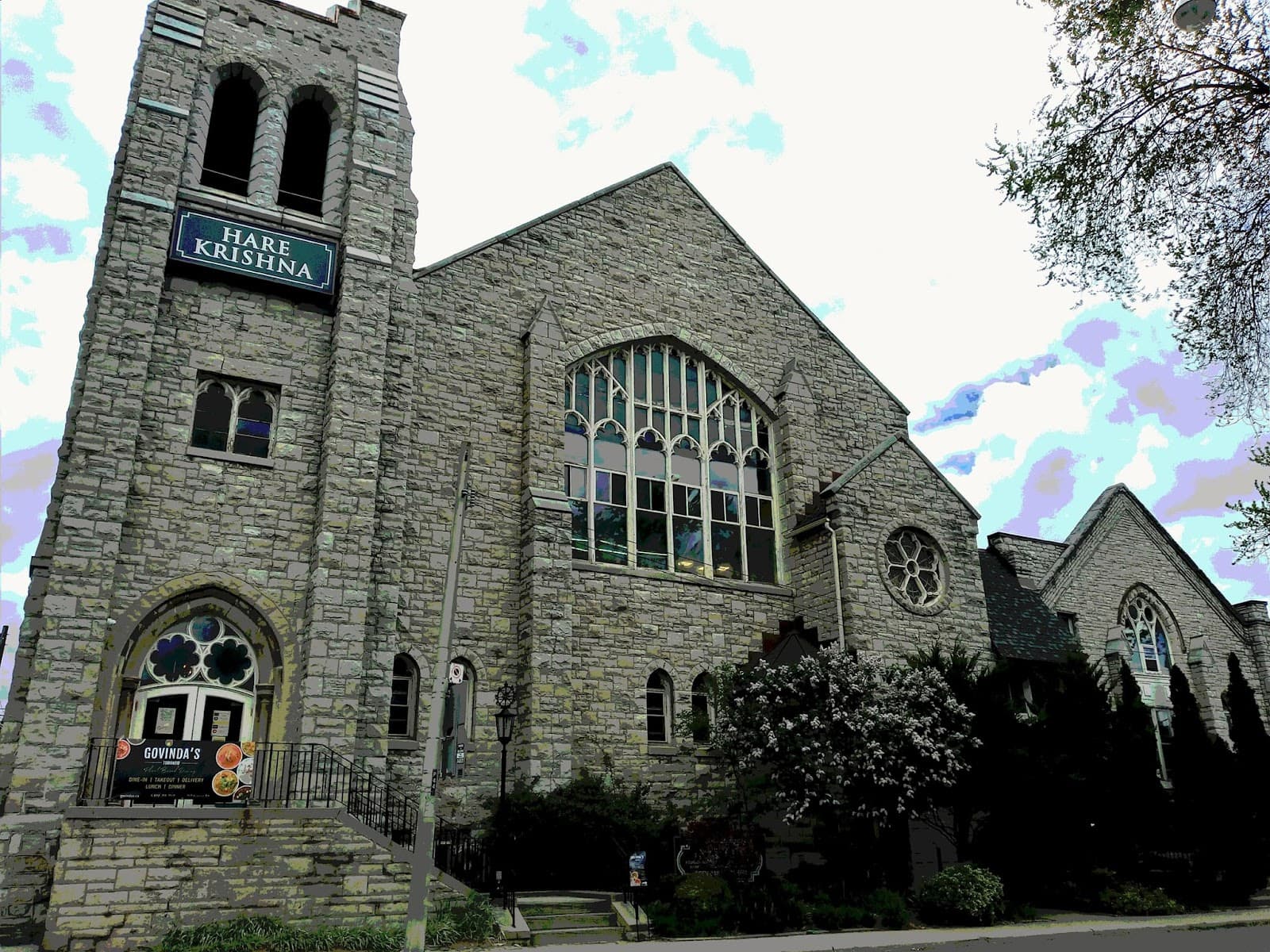
ISKCON Toronto Hare Krishna Temple
ISKCON Toronto Hare Krishna Temple is dedicated to Lord Krishna and anchors Midtown Toronto’s Annex district as a landmark Victorian mansion repurposed for Gaudiya Vaishnava worship since 1976 ([1][2]). The heritage-listed building opens daily 4:30 AM-9:00 PM, with mangala arati, japa, bhoga offerings, and evening kirtan filling the carved salons, while Govinda’s lunch program serves vegetarian prasadam to residents, students, and office workers ([1][3]). Volunteers stage queue ropes in the central hall, manage shoe storage, and coordinate Harinam teams headed downtown, while the operations desk handles guided tours, yoga sign-ups, and Food for Life outreach rosters ([1][5]). The kitchen runs HACCP-compliant vegetarian service using induction equipment and compostable serveware, and a dumbwaiter lifts trays to dining rooms to keep narrow staircases clear ([3]). Accessibility retrofits include a rear lift, 1:12 ramps, tactile markers, captioned signage, and hearing loops in the temple hall, while quiet rooms support sensory-sensitive guests ([2][5]). Building systems integrate geothermal wells, smart thermostats, and HEPA filtration to regulate the mansion through Toronto seasons, and digital screens share daily schedules, queue times, and community announcements. Blood drives, legal aid clinics, language classes, and art salons share the calendar with kirtan residencies and Rath Yatra planning, reflecting operational readiness for both civic service and devotional rhythm ([3][5]).
Subashi Buddhist Temple Kuqa Xinjiang China
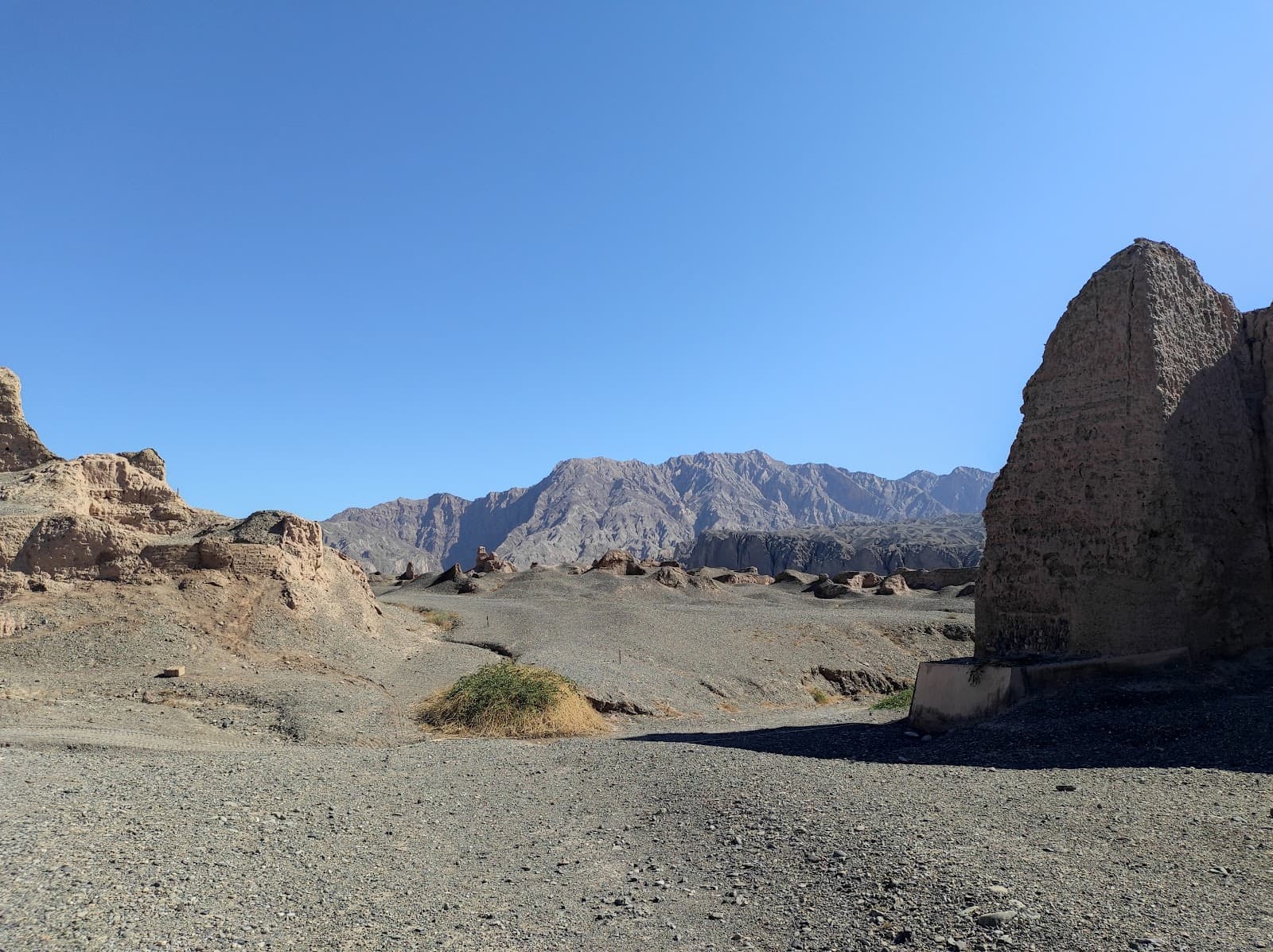
Subashi Buddhist Temple, located near Kuqa in Aksu Prefecture, Xinjiang, China, represents one of the most magnificent and architecturally sophisticated Buddhist temple complexes along the northern branch of the Silk Road, constructed from the 2nd to 6th centuries CE when the ancient Kingdom of Kucha flourished as a major center for the transmission of Buddhism from India to China, creating a stunning testament to the direct transmission of Indian Buddhist architectural and artistic traditions to Central Asia. The temple complex, constructed primarily from rammed earth, fired brick, and wood with extensive stucco and painted decoration, features massive walls, towering pillars, and extensive ruins that once formed one of the largest Buddhist monastic complexes in the Tarim Basin, with the site's architectural grandeur and sophisticated design demonstrating the systematic transmission of Indian Buddhist monastery architecture, particularly the traditions of northern India, to Central Asia. The site's architectural design demonstrates direct influence from Indian Buddhist monastery architecture, with the overall plan, structural forms, and decorative programs reflecting Indian Buddhist practices that were systematically transmitted to Central Asia, while the discovery of numerous Indic sculptures, including a remarkable 6th to 7th century sarira (Buddhist relic box) depicting Central Asian figures in long tunics reminiscent of Tocharian friezes, provides crucial evidence of the site's role as a major center of Buddhist artistic production that was directly influenced by Indian traditions. Archaeological excavations have revealed extraordinary preservation of architectural elements including massive walls, pillars, and foundations that demonstrate the sophisticated engineering techniques employed in the temple's construction, while the discovery of numerous sculptures, inscriptions, and ritual objects provides further evidence of the site's importance as a center of Buddhist worship, learning, and artistic production. The temple complex flourished particularly during the 5th to 7th centuries CE, when it served as one of the most important centers for the transmission of Buddhism from India to China, attracting monks, traders, and pilgrims from across the Buddhist world, while the site's location along the northern Silk Road facilitated its role in the transmission of Buddhist teachings, art, and culture. The site continued to function as a Buddhist center through the 6th century CE, with evidence of continued use and modifications that reflect the evolving religious and political landscape of the region, while the site's eventual abandonment, likely during the 7th or 8th century CE following political changes and the decline of Buddhism in the region, left substantial ruins that continue to provide crucial insights into the site's history and significance. The discovery of the sarira casket and other Indic sculptures at Subashi provides particularly important evidence of the ways in which Indian Buddhist artistic traditions were adapted and synthesized with local Central Asian elements, demonstrating the complex cultural exchanges that occurred along the Silk Road, while the site's architectural grandeur underscores its historical importance as a major center of Buddhist learning and practice. Today, Subashi stands as a UNESCO Tentative List site and represents one of the most important archaeological sites in the Taklamakan Desert, serving as a powerful testament to the transmission of Indian Buddhist architecture and art along the Silk Road, while ongoing archaeological research and preservation efforts continue to protect and study this extraordinary cultural treasure that demonstrates the profound impact of Indian civilization on Central Asian Buddhist art and architecture. ([1][2])
Nageshwar Jyotirlinga Temple Dwarka
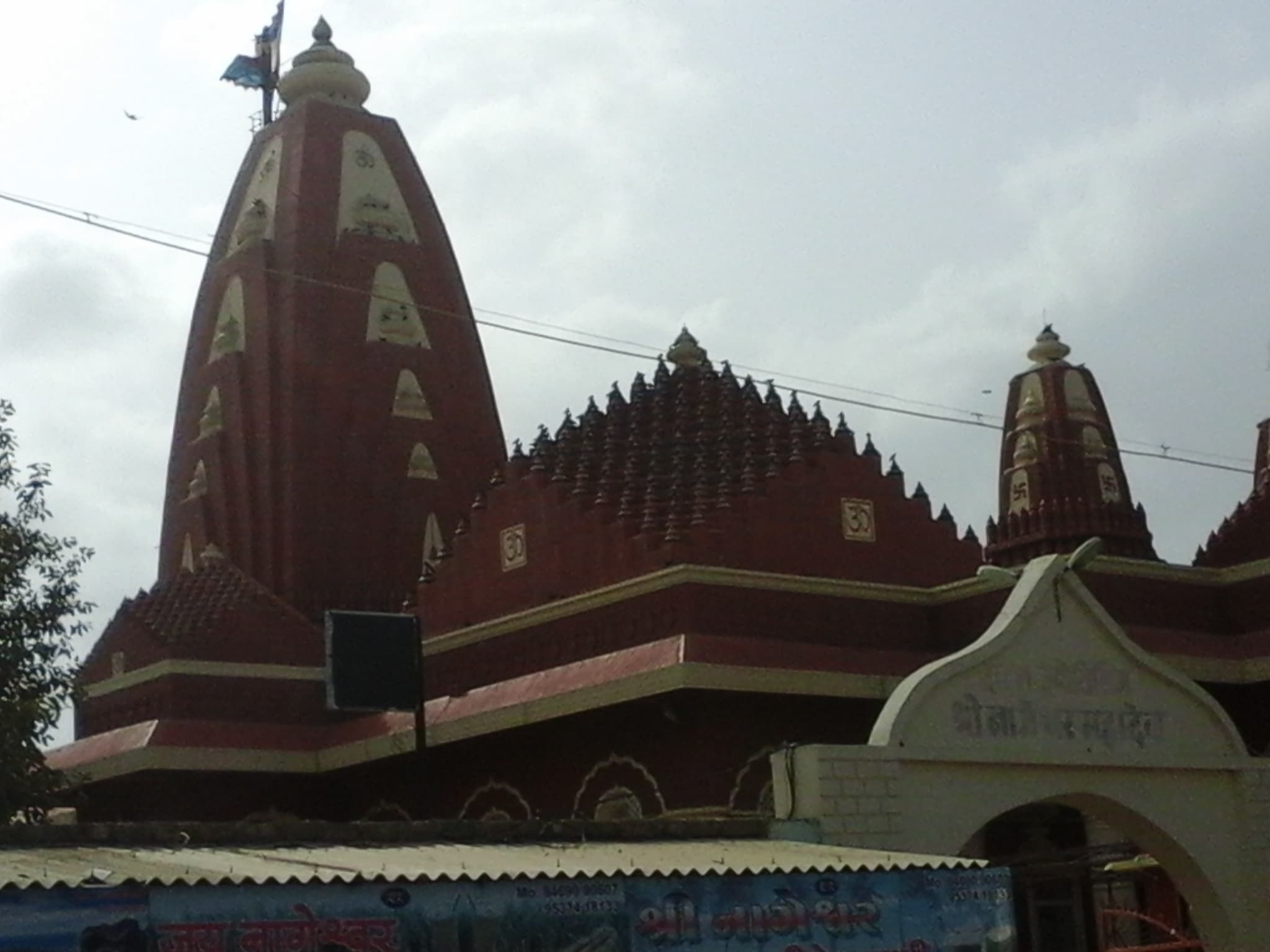
The Gujarat sun beat down, casting long shadows across the sprawling complex of the Nageshwar Jyotirlinga Temple. Located in Daarukavanam, near the fabled city of Dwarka, this temple pulsates with a palpable energy, a hum of devotion that resonates through the very stones. It’s not just another temple; it’s a testament to faith, a vibrant tapestry woven with mythology, history, and architectural brilliance. My lens, accustomed to capturing the grandeur of India's heritage, found itself constantly drawn to new details. The towering, freshly painted Shikhara, adorned with intricate carvings, dominated the skyline. Its vibrant hues, a stark contrast against the clear blue sky, seemed to amplify the sacredness of the space. Unlike some ancient temples weathered by time, Nageshwar retains a vividness, a sense of renewal that speaks to the continuous devotion it receives. As I moved closer, the sheer scale of the Nandi statue became apparent. It’s colossal, a magnificent sculpture guarding the entrance to the main shrine. The meticulous detailing on the Nandi, from the folds of its skin to the expression on its face, showcases the sculptor's mastery. I spent a considerable amount of time circling it, capturing its imposing presence from various angles. The play of light and shadow on its polished black surface added another layer of depth to the photographs. Stepping inside the main sanctum, I was enveloped by a sense of tranquility. The air was thick with the scent of incense and the murmur of prayers. The Jyotirlinga, the symbolic representation of Lord Shiva, resides within the garbhagriha, radiating a powerful spiritual aura. Photography isn't permitted inside the inner sanctum, which, in a way, enhances the mystique. It allows the experience to become more personal, more introspective. You’re forced to engage with the space, to absorb the energy, rather than simply capturing an image. The temple complex is remarkably well-maintained. The marble flooring, polished to a gleam, reflects the vibrant colours of the devotees' attire. I observed families performing rituals, their faces etched with devotion. The atmosphere was charged with a collective sense of faith, a shared spiritual experience that transcended language and background. It wasn't just a religious site; it was a living, breathing testament to the enduring power of belief. The surrounding gardens, a welcome respite from the sun's intensity, added to the temple's charm. The meticulous landscaping, with its vibrant flowers and manicured lawns, provided a tranquil setting for contemplation. I noticed several devotees sitting quietly amidst the greenery, lost in prayer or simply absorbing the peaceful atmosphere. One aspect that particularly struck me was the seamless blend of the old and the new. While the core temple structure exudes ancient wisdom and architectural heritage, the surrounding facilities, including the restrooms and the prasadam counters, are modern and well-maintained. This delicate balance ensures that the temple remains accessible and comfortable for visitors while preserving its historical and spiritual significance. My time at Nageshwar Jyotirlinga Temple was more than just a photographic assignment; it was a spiritual journey. It was a chance to witness the unwavering faith of the devotees, to marvel at the architectural brilliance of the temple, and to capture the essence of a sacred space that has resonated with pilgrims for centuries. As I packed my equipment, I knew that the images I captured were more than just photographs; they were fragments of a vibrant spiritual tapestry, a testament to the enduring power of faith in the heart of India.
Ranakpur Jain Temple Ranakpur
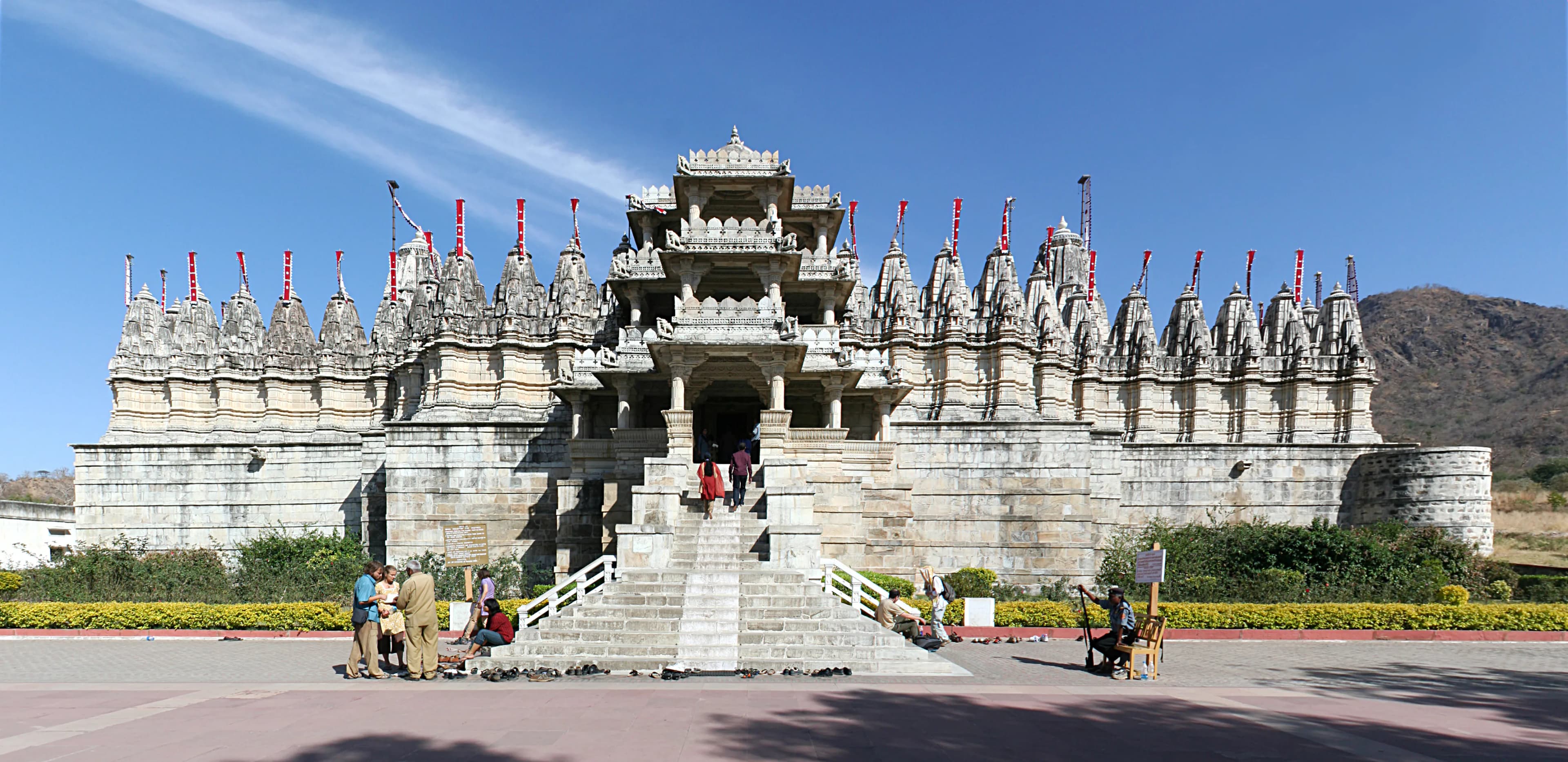
The air, thick with the scent of incense and marigold garlands, vibrated with a low hum of chanting as I stepped into the Chaumukha Temple at Ranakpur. Sunlight, filtered through the intricate marble latticework, dappled the courtyard in a mosaic of light and shadow, illuminating the sheer scale of this architectural marvel. It wasn't just a temple; it was a sculpted poem in marble, an ode to Tirthankara Rishabhanatha. My initial impression was one of overwhelming complexity. 1444 intricately carved pillars, each unique, support the temple's vast expanse. No two are alike, a testament to the skill and dedication of the artisans who, legend says, toiled for over 50 years to bring this vision to life. Craning my neck, I traced the delicate floral patterns, the sinuous celestial nymphs (apsaras), and the fierce depictions of mythical creatures that adorned every surface. The marble, a pale, almost translucent white, seemed to glow from within, radiating an ethereal beauty. The temple's layout, a complex network of mandapas (halls) and shrines, invited exploration. I wandered through the labyrinthine corridors, each turn revealing a new vista, a fresh perspective on the central shrine. The four-faced image of Rishabhanatha, serene and meditative, gazed out in all directions, symbolizing his omniscience. The play of light and shadow on his face, shifting with the sun's movement, created an almost hypnotic effect. One particular carving captivated me – a miniature shrine, barely a few inches high, tucked away in a corner pillar. It was a perfect replica of the main temple, complete with its own miniature pillars and domes. This fractal-like repetition, a microcosm within the macrocosm, spoke volumes about the meticulous planning and execution that went into the temple's construction. It wasn't just about grandeur; it was about the meticulous attention to detail, the dedication to replicating the sacred on every scale. Ascending the steps to the upper levels, I gained a panoramic view of the entire complex. The domes, clustered like a mountain range, seemed to rise organically from the earth, their intricate carvings softening their imposing size. From this vantage point, I could appreciate the temple's relationship with its surroundings. Nestled within the Aravalli hills, it seemed to draw strength and serenity from the landscape, its white marble a stark contrast to the rugged, brown hills. Beyond the main temple, smaller shrines dedicated to other Jain Tirthankaras dotted the complex. Each possessed its own unique character, its own intricate carvings and stories. I spent hours exploring these smaller temples, discovering hidden carvings and deciphering the symbolic language of Jain iconography. As the day drew to a close, the temple was bathed in the warm glow of the setting sun. The marble, now tinged with orange and gold, seemed to radiate a different kind of beauty, a warmth that contrasted with the cool serenity of the day. The chanting grew louder, the air thicker with the scent of incense, as devotees gathered for the evening prayers. Leaving the temple, I carried with me not just images of breathtaking architecture, but a sense of awe and wonder. Ranakpur was more than just a temple; it was a testament to human ingenuity, devotion, and the enduring power of art. It was a place where stone had been transformed into poetry, where architecture had become a spiritual experience. It was a place I knew I would carry within me, long after I had left its hallowed halls.
Sindhi Guru Darbar Temple Dubai
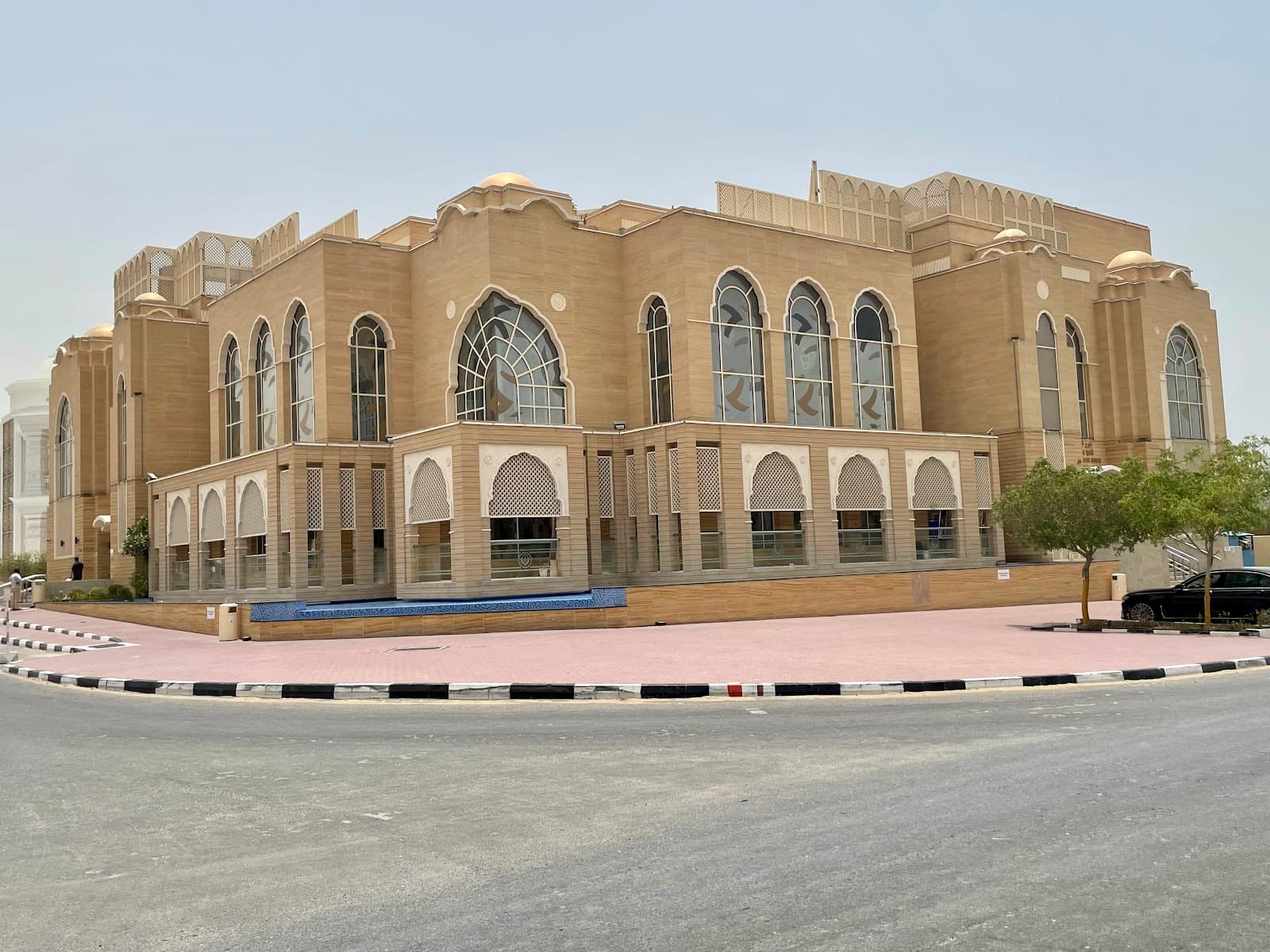
Sindhi Guru Darbar Temple traces its origins to the 1958 Bur Dubai courtyard shrine that housed both Guru Granth Sahib and deities cherished by the Sindhi Hindu community; in 2009 the community inaugurated a new three-storey complex nearby, and in January 2024 the founder trustees opened a contemporary 40,000-square-foot Sindhi Guru Darbar in Jebel Ali Worship Village to support Dubai\u2019s expanding diaspora, while continuing daily nitya seva at the historic Bur Dubai site ([1][2]). The Jebel Ali mandir integrates a main darbar for Jhulelal, Durga, Shiv Parivar, Balaji, Shirdi Sai, and Guru Granth Sahib with a 900-seat langar hall, Gujarati/Sindhi classrooms, Ayurveda clinic, legal aid desk, and co-working lounge for blue-collar workers on rest days. The façade features an 11-petal lotus crown, mirrored cladding, and LED-integrated jaalis referencing both Sindhi ajrak motifs and Arabic mashrabiya. Daily operations run 5:30 AM-9:30 PM with sehar arti, satsang, guru vandana kirtan every evening, and Rasoi Seva distributing 1,500 vegetarian meals daily. The temple\u2019s rituals highlight Sindhi riverine heritage: weekly Jhulelal palki processions, chej folk dance workshops, akhand jaap streams to labour accommodations, and Sindhi language instruction for children. During Cheti Chand the complex handles 25,000 devotees using RFID entry, shaded queue mazes, dedicated women\u2019s security lanes, medical tents, and shuttle buses from Ibn Battuta metro. A heritage gallery preserves memories of Bur Dubai\u2019s original temple, featuring oral histories, decrees from the late Sheikh Rashid, and a digital map of Sindhi businesses that sprang up around the Creek ([1][3]).
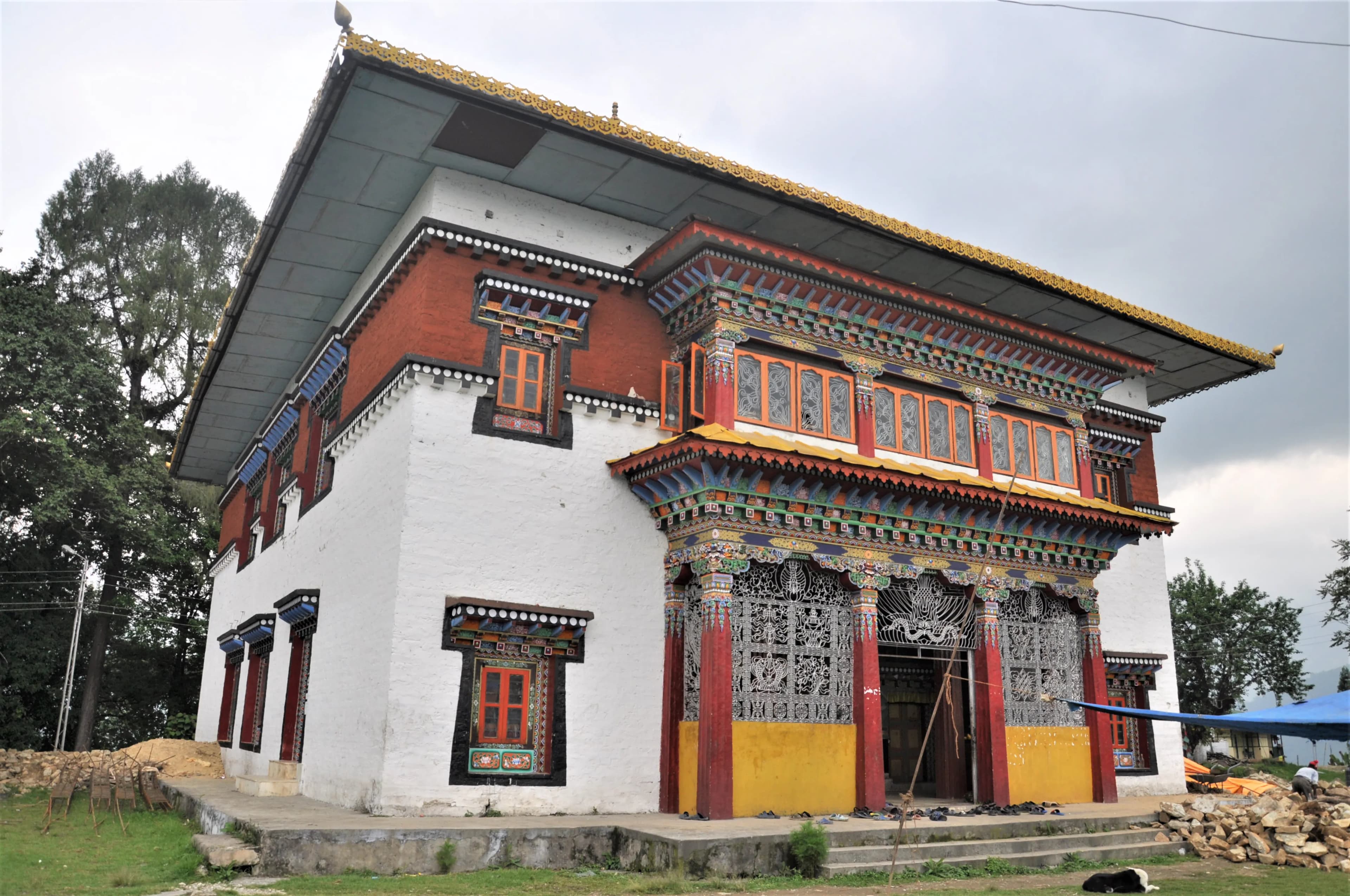
Tashiding Monastery West Sikkim
The biting Himalayan wind whipped prayer flags into a frenzy as I climbed the final steps to Tashiding Monastery. Perched atop a hill in West Sikkim, it commands a breathtaking panorama of the surrounding valleys, a vista that felt both grounding and spiritually uplifting. This wasn't just another monastery; it radiated an ancient energy, a palpable sense of history that whispered from the weathered stones. Built in the 17th century by Ngadak Sempa Chempo Phuntsog Rigzin, one of the three lamas who consecrated the first Chogyal (king) of Sikkim, Tashiding holds a unique position in the state's religious and cultural landscape. The architecture, a blend of Tibetan and Sikkimese styles, immediately captivated me. The main structure, the Dukhang or assembly hall, is a two-storied edifice with a sloping roof adorned with intricate carvings. Unlike the vibrant colours often seen in other monasteries, Tashiding is predominantly white, lending it an air of serene austerity. The gold-plated roof, however, catches the sunlight, creating a dazzling beacon against the backdrop of the deep green hills. I noticed the walls were slightly inclined inwards, a feature I learned was a common architectural element in the region, designed to withstand earthquakes. Stepping inside the Dukhang, I was enveloped by the scent of burning juniper incense and yak butter lamps. The walls were covered in vibrant murals depicting Buddhist deities, intricate mandalas, and scenes from the life of Buddha. These weren't mere decorations; they were narratives, each brushstroke imbued with symbolic meaning. I spent a considerable amount of time studying the Thangka paintings, marveling at the meticulous detail and the vibrant colours that seemed to defy the passage of time. The low hum of chanting monks added another layer to the immersive experience, creating an atmosphere of profound tranquility. One of the most striking features of Tashiding Monastery is the Chorten Thong-Rang, a golden stupa believed to be self-sprung. Legend has it that this stupa arose spontaneously from the earth, marking the spot where Guru Padmasambhava, the revered 8th-century Buddhist master, blessed the land. This stupa isn't just a religious artifact; it's the heart of Tashiding, a symbol of the monastery's sacred significance. Circumambulating the stupa, as is customary, I felt a sense of connection to the generations of pilgrims who had walked this same path before me. Beyond the main structures, the monastery complex houses several smaller shrines and residential quarters for the monks. I observed the monks going about their daily routines, their faces etched with a quiet serenity that spoke volumes about their devotion. The rhythmic clang of cymbals and the deep resonance of chanting punctuated the stillness, creating a soundscape that was both mesmerizing and deeply moving. My visit to Tashiding wasn't just a journalistic assignment; it was a pilgrimage of sorts. It offered a glimpse into the rich tapestry of Sikkim's cultural and spiritual heritage. The monastery isn't just a collection of buildings; it's a living testament to the enduring power of faith, a place where the past and present converge in a harmonious blend. As I descended the hill, leaving the serene embrace of Tashiding behind, I carried with me not just photographs and notes, but a profound sense of peace and a renewed appreciation for the enduring legacy of the Himalayas. The wind still carried the sound of chanting, a gentle reminder of the sacred ground I had just walked upon. It was a sound, I knew, that would resonate within me long after I had left Sikkim.
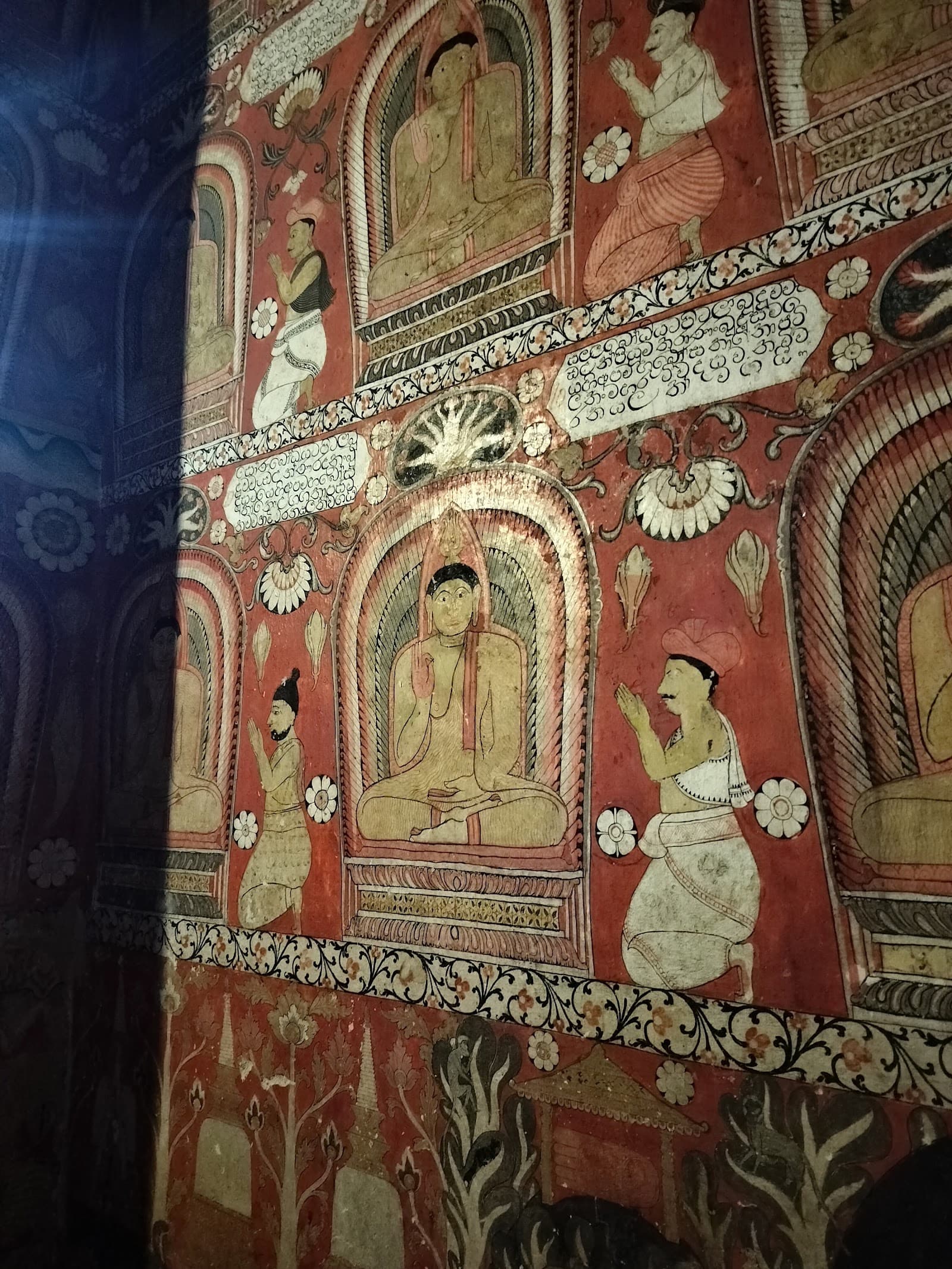
Lankatilaka Vihara Kandy Sri Lanka
Lankatilaka Vihara, dramatically perched atop the Panhalgala Rock near Kandy, represents one of the most extraordinary and architecturally significant Buddhist temples in Sri Lanka, constructed in the 14th century CE during the reign of King Bhuvanekabahu IV and designed by the South Indian architect Sathapati Rayar, creating a powerful testament to the profound transmission of Indian Buddhist and Hindu architectural traditions to Sri Lanka and demonstrating the sophisticated religious syncretism that has characterized Sri Lankan religious practices. The temple complex, featuring sophisticated architectural elements that seamlessly integrate Hindu deities within its Buddhist sanctum, demonstrates the direct transmission of South Indian Dravidian temple architecture, particularly the traditions of the Chola and Pandya dynasties, with local adaptations that reflect the sophisticated synthesis of Indian Buddhist and Hindu religious and artistic traditions with Sri Lankan building techniques, while the temple's most remarkable feature is its unique architectural design that combines Sinhalese and Dravidian styles, creating a distinctive Kandyan period architectural synthesis that demonstrates the sophisticated understanding of Indian architectural traditions possessed by Sri Lankan architects and patrons. The temple's architectural layout, with its central image house adorned with Kandyan-era paintings and sculptures, surrounded by multiple enclosures and subsidiary shrines dedicated to various Hindu deities including Upulvan, Ganapathi, Saman, Vibhishana, Kataragama deviyo, and Kumara Bandara, follows sophisticated South Indian Dravidian temple planning principles that were systematically transmitted from the great temple complexes of Tamil Nadu, while the temple's extensive decorative programs including murals, sculptures, and architectural elements demonstrate the sophisticated synthesis of Indian Buddhist and Hindu iconography and artistic traditions with local Sri Lankan aesthetic sensibilities. Archaeological evidence reveals that the temple served as a major center of both Buddhist and Hindu worship for over six centuries, attracting pilgrims from across Sri Lanka and South India, while the discovery of numerous inscriptions and historical records provides crucial evidence of the site's role in the transmission of Indian religious texts and practices to Sri Lanka, demonstrating the sophisticated understanding of Indian religious traditions possessed by the temple's patrons and religious establishment. The temple's association with the South Indian architect Sathapati Rayar demonstrates the direct transmission of Indian architectural expertise to Sri Lanka, while the temple's unique synthesis of Buddhist and Hindu elements demonstrates the remarkable religious syncretism that has characterized Sri Lankan religious practices for centuries. Today, Lankatilaka Vihara stands as one of the most important examples of Kandyan period architecture in Sri Lanka, serving as a powerful testament to the transmission of Indian Buddhist and Hindu culture and architecture to Sri Lanka, while ongoing archaeological research and conservation efforts continue to protect and study this extraordinary cultural treasure that demonstrates the profound impact of Indian civilization on Sri Lankan religious and artistic traditions. ([1][2])
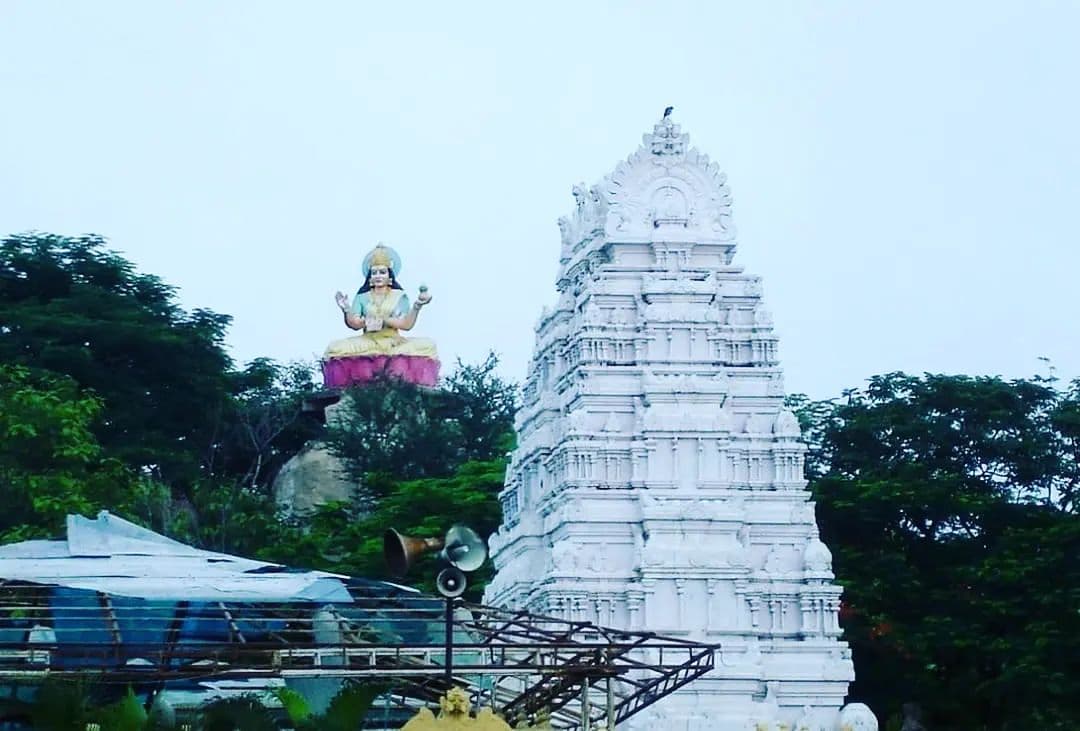
Gnana Saraswathi Temple Basar Telangana
The melodic chanting of Vedic hymns hung heavy in the air, a palpable presence that wrapped around me as I stepped into the courtyard of the Gnana Saraswathi Temple in Basar. Having explored countless temples across North India, I’d arrived with a seasoned eye, ready to dissect and appreciate the nuances of this southern shrine dedicated to the goddess of knowledge. The energy here, however, was distinctly different, a vibrant hum that resonated with the scholarly pursuits it championed. Located on the banks of the Godavari River, the temple complex felt ancient, its stones whispering tales of centuries past. Unlike the towering, ornate structures I was accustomed to in the north, the architecture here was more subdued, yet no less compelling. The main temple, dedicated to Goddess Saraswathi, is relatively small, its entrance guarded by a modest gopuram. The simplicity, however, belied the temple's significance. Inside, the deity, adorned in vibrant silks and glittering jewels, held a captivating presence. She wasn't depicted as the fierce, warrior goddess often seen in North India, but rather as a serene embodiment of wisdom and learning, a subtle yet powerful distinction. Adjacent to the Saraswathi temple stands a shrine dedicated to Lakshmi, the goddess of wealth, and a little further, one for Kali, the goddess of power. This trinity, housed within the same complex, spoke volumes about the interconnectedness of knowledge, prosperity, and strength, a philosophy deeply embedded in Indian thought. What truly set the Gnana Saraswathi Temple apart was the palpable emphasis on education. The temple is believed to be one of the three places where the Goddess Saraswathi manifested herself, the other two being Kashmir and Sringeri. This association with learning was evident everywhere. Students from across the region flocked to the temple, seeking blessings before exams. I witnessed families performing Aksharabhyasam, a sacred ceremony where children are initiated into the world of letters. The air thrummed with the quiet murmur of prayers and the rustle of palm leaves, a testament to the temple's continuing role as a centre of learning. The surrounding landscape further enhanced the temple's tranquil atmosphere. The Godavari River, flowing serenely beside the temple, added a layer of serenity to the already peaceful environment. The surrounding hills, dotted with lush greenery, provided a picturesque backdrop. I spent some time by the riverbank, watching the pilgrims take a holy dip, their faces reflecting a quiet devotion. One of the most intriguing aspects of the temple was the presence of a large number of ancient manuscripts, preserved within the temple complex. While I couldn't access them directly, the very knowledge of their existence added another layer of historical significance to the site. It spoke of a time when this temple served not just as a place of worship, but also as a repository of knowledge, a beacon of learning in the region. As I prepared to leave, I noticed a group of young children diligently practicing calligraphy on slates, their brows furrowed in concentration. It was a poignant reminder of the temple's enduring legacy, its continued relevance in a world increasingly driven by technology. The Gnana Saraswathi Temple wasn't just a place of worship; it was a living testament to the power of knowledge, a sanctuary where the pursuit of wisdom was celebrated and nurtured. My journey through North India had exposed me to countless architectural marvels and spiritual havens, but the Gnana Saraswathi Temple, with its unique blend of serenity and scholarly pursuit, left an indelible mark, a quiet echo of ancient wisdom resonating within me.
Quick Links
Plan Your Heritage Journey
Get personalized recommendations and detailed visitor guides