Has Inheritage Foundation supported you today?
Your contribution helps preserve India's ancient temples, languages, and cultural heritage. Every rupee makes a difference.
Secure payment • Instant 80G certificate
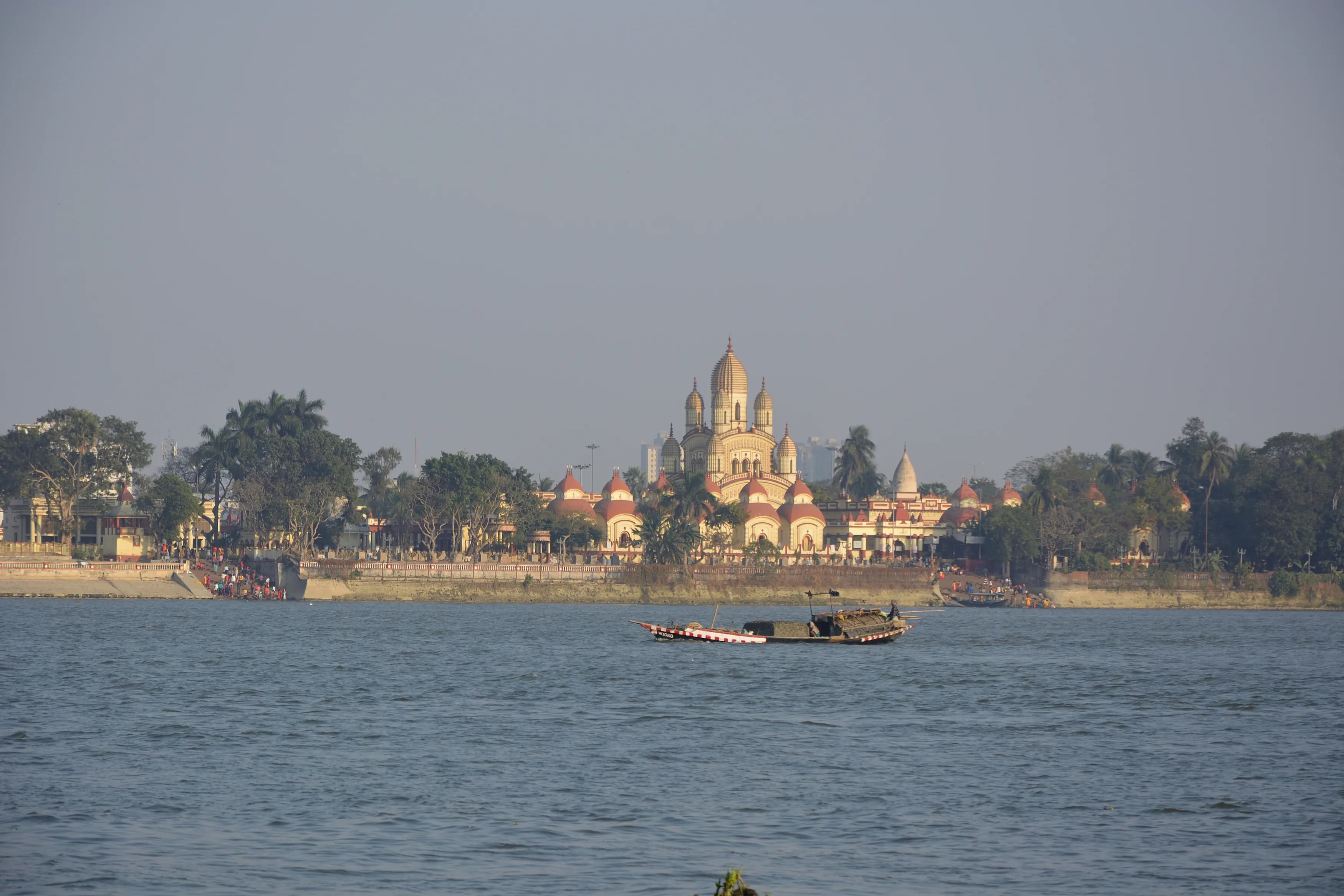
Dakshineswar Kali Temple Kolkata
The Hooghly River's edge frames the Dakshineswar Kali Temple in Kolkata, a 19th-century testament to Bengali Navaratna architecture ([1][2]). Commissioned by Rani Rashmoni and completed in 1855 CE, the temple is dedicated to Bhavatarini, a form of Kali ([3]). The complex exemplifies a unique blend of devotion and architectural style distinct from Dravidian forms ([4]). Intricate carvings adorning the walls depict scenes from Hindu epics and Puranas, narrating tales of deities and cosmic events ([5]). The main temple, a nine-spired structure, showcases the curved roof characteristic of Bengali architecture, a design element that gained prominence during the British Colonial Period ([1][2]). This 'nava-ratna' (nine-jeweled) style distinguishes it from other regional temple designs ([3]). Within the Garbhagriha (Sanctum), Bhavatarini stands upon Shiva, symbolizing Shakti's (divine feminine energy) power ([4]). The silver embellishments and sindoor (red vermillion) create a mesmerizing spiritual ambiance ([5]). Surrounding the main shrine, twelve Shiva temples line the ghats, each echoing the Navaratna style in miniature form ([1][2]). A Radha-Krishna temple adds a contrasting element, its carvings depicting the divine love story ([3]). Stone platforms and foundations demonstrate the temple's solid construction, utilizing brick, terracotta, and wood ([4][5]). The temple reflects influences of Vastu Shastra principles, which guide the orientation and spatial arrangement ([1][2]). The complex harmoniously blends architectural elements with the spiritual essence of Bengal, offering a serene escape from Kolkata's bustle ([3]). The Dakshineswar Kali Temple remains a vibrant center of pilgrimage and a significant landmark of Indian heritage ([4][5]).
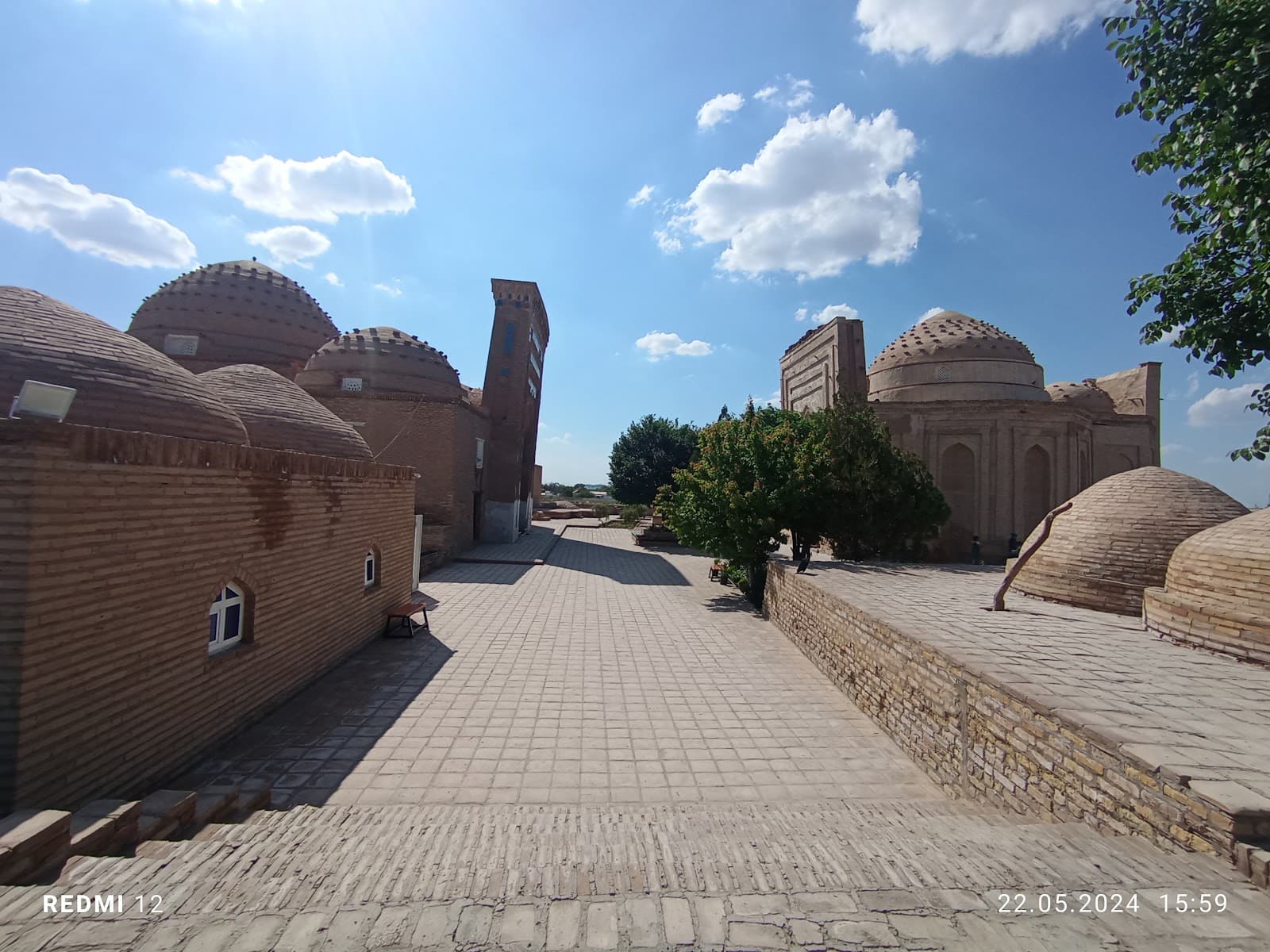
Koneurgench Dash Mosque Temple Remnants Dashoguz Turkmenistan
Koneurgench, dramatically situated in the Dashoguz Region of northern Turkmenistan, represents one of the most extraordinary and archaeologically significant medieval cities in Central Asia, serving as the capital of the Khorezm Empire and featuring the remarkable Dash Mosque with its 12th-13th century temple remnants that demonstrate pre-Islamic layers with remarkable parallels to Indian religious and architectural traditions, creating a powerful testament to the sophisticated synthesis of Indian and Central Asian cultural traditions during the medieval period. The ancient city, also known as Kunya-Urgench and designated as a UNESCO World Heritage Site, features extraordinary architectural elements including the Dash Mosque with its underlying temple structures that demonstrate clear Indian architectural influences from periods before the Islamic conquest, while the site's most remarkable feature is its sophisticated pre-Islamic temple remnants featuring architectural elements, ritual structures, and decorative programs that demonstrate clear parallels with Indian temple architecture and religious practices. The temple remnants' architectural layout, with their central ritual structures surrounded by ceremonial spaces and architectural elements, follows sophisticated planning principles that demonstrate remarkable parallels with Indian temple planning principles, while the temple remnants' extensive decorative programs including architectural elements and religious iconography demonstrate the sophisticated synthesis of Indian religious iconography and architectural traditions with local Central Asian aesthetic sensibilities. Archaeological evidence reveals that the site served as a major center of religious and cultural activity for centuries before the Islamic period, attracting traders, priests, and elites from across Central Asia, South Asia, and beyond, while the discovery of numerous artifacts including architectural elements that demonstrate clear Indian influences, ritual objects that parallel Indian practices, and religious iconography that reflects Indian cosmological concepts provides crucial evidence of the site's role in the transmission of Indian religious traditions to Central Asia, demonstrating the sophisticated understanding of Indian religious and architectural traditions possessed by the site's patrons and religious establishment. The site's association with the Khorezm Empire, which had extensive trade and cultural connections with India throughout its history, demonstrates the sophisticated understanding of Indian religious traditions that were transmitted to Central Asia, while the site's pre-Islamic temple remnants and architectural elements demonstrate remarkable parallels with Indian temple architecture and religious practices that were central to ancient Indian religious traditions. The site has been the subject of extensive archaeological research, with ongoing excavations continuing to reveal new insights into the site's sophisticated architecture, religious practices, and its role in the transmission of Indian religious traditions to Central Asia, while the site's status as a UNESCO World Heritage Site demonstrates its significance as a major center for the transmission of Indian cultural traditions to Central Asia. Today, Koneurgench stands as a UNESCO World Heritage Site and represents one of the most important medieval cities in Central Asia, serving as a powerful testament to the transmission of Indian religious and architectural traditions to Central Asia, while ongoing archaeological research and conservation efforts continue to protect and study this extraordinary cultural treasure that demonstrates the profound impact of Indian civilization on Central Asian religious and cultural traditions. ([1][2])
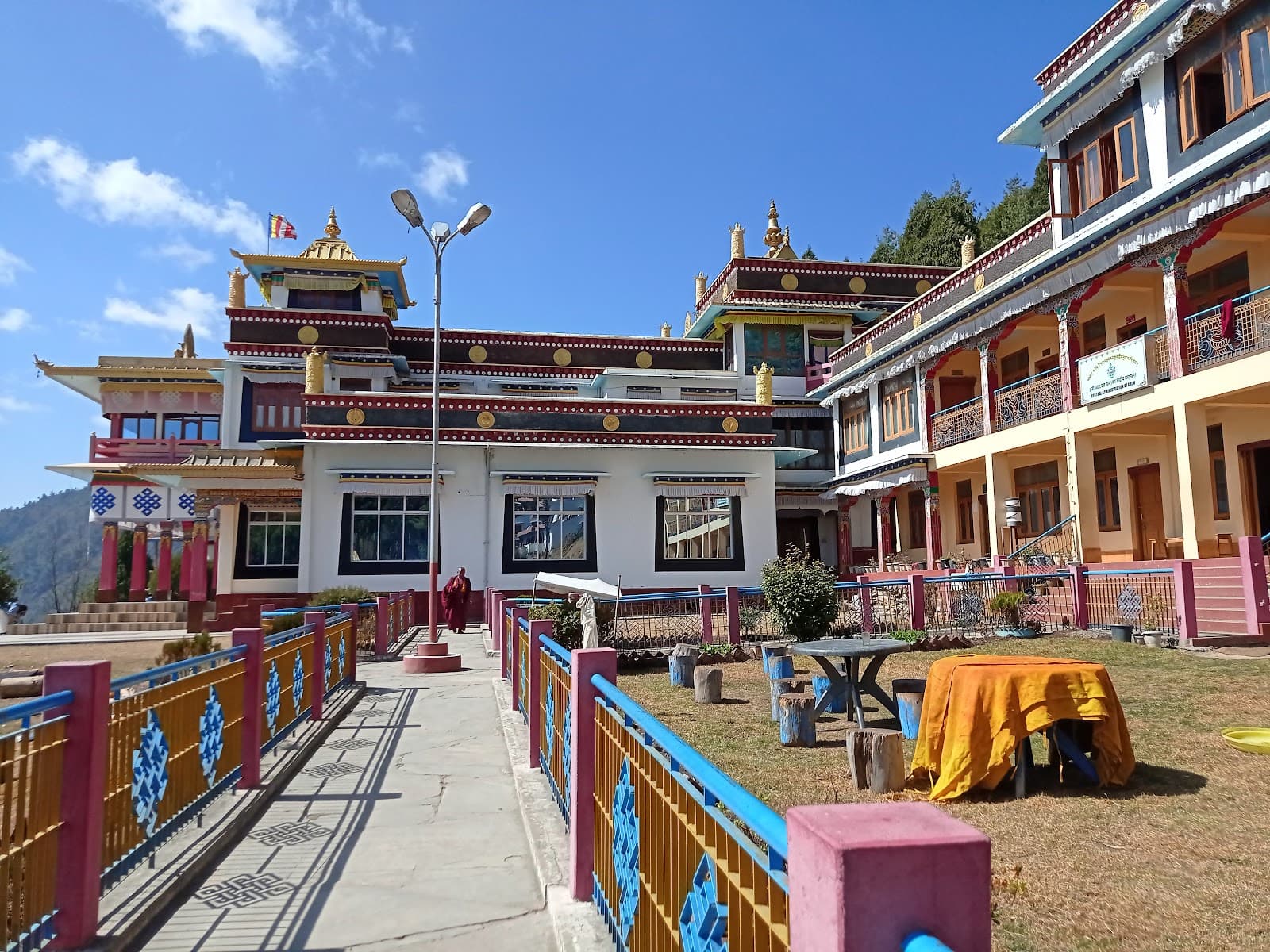
Bomdila Monastery Bomdila
Encircled by the majestic Himalayas, Bomdila Monastery, also known as Gentse Gaden Rabgyel Ling, provides a serene spiritual haven in Arunachal Pradesh ([1]). Consecrated in 1965 by the 14th Dalai Lama, Tenzin Gyatso, this monastery showcases Tibetan Buddhist monastic architecture, reminiscent of similar structures found in Tibet ([2][3]). Its vibrant colors and fortress-like sloping walls create a visually striking landmark, reflecting the region's cultural identity ([1]). Within the Dukhang (main prayer hall), elaborate carvings depicting Buddhist deities and intricate mandala patterns adorn the walls, reflecting artistic traditions ([3][4]). Sturdy wooden pillars support the ceiling, displaying the Gelugpa school's influence through prominent statues of Tsongkhapa ([5]). The monastery's design incorporates elements of traditional Tibetan architecture adapted to the Himalayan environment, echoing principles of spatial harmony found in ancient Indian texts like the Mayamata, which emphasizes the importance of site selection and orientation ([2]). Exploring the monastery complex unveils a museum that safeguards ancient scriptures, religious artifacts, and delicate thangkas (religious scrolls) ([3][4]). Preserved manuscripts, adorned with elegant Tibetan calligraphy, underscore the region's abundant literary heritage ([1][5]). From the rooftop, panoramic views of the Himalayas enhance the monastery's spiritual resonance, connecting visitors to the enduring power of faith (Shraddha) in this Himalayan sanctuary ([2]). While built in the 20th century, the monastery's design and layout resonate with the principles of Vastu Shastra, the ancient Indian science of architecture, emphasizing harmony between nature and built structures ([4][5]). The monastery stands as a testament to the enduring influence of Indian philosophical and architectural traditions in the Himalayan region.
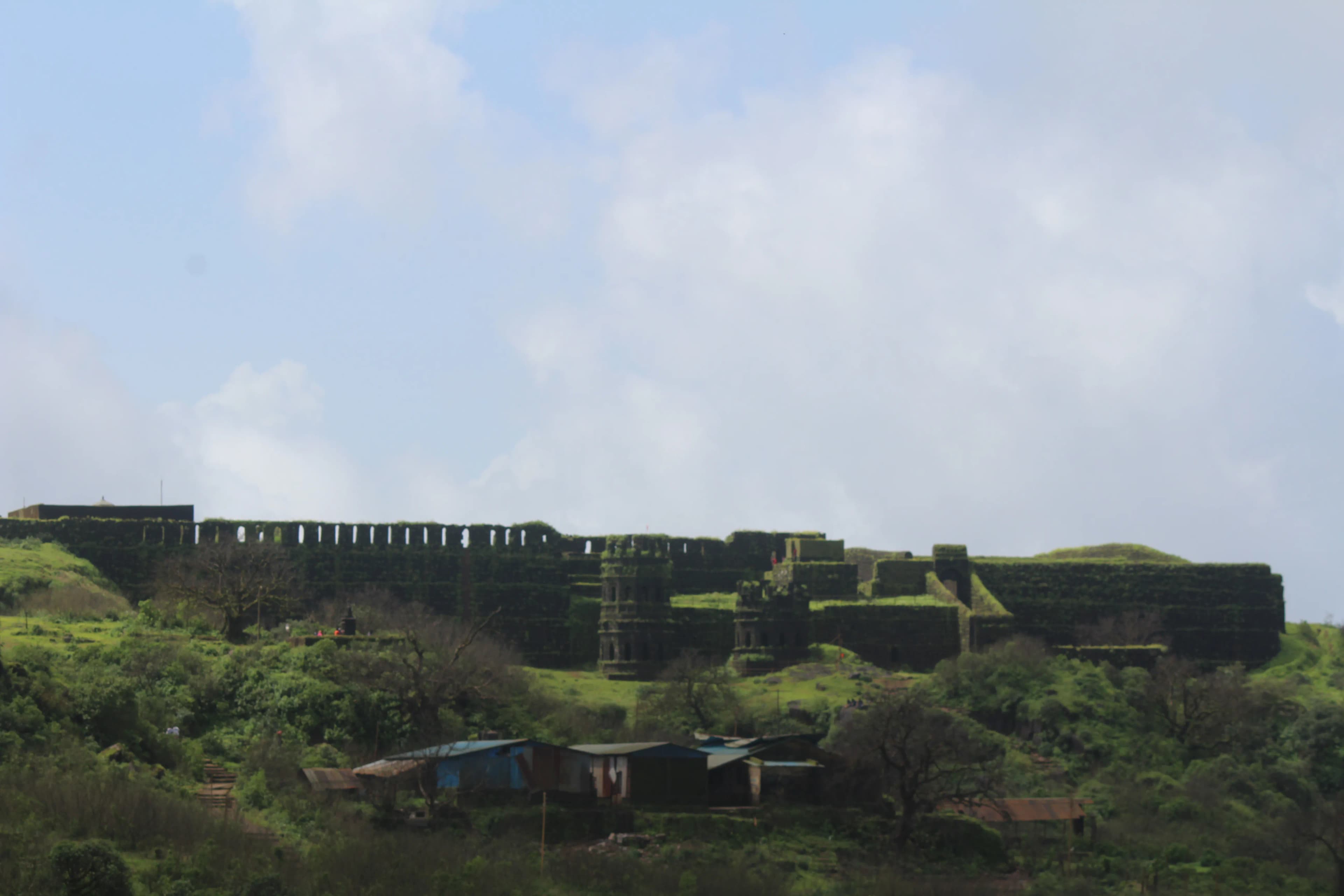
Raigad Fort Raigad
The imposing silhouette of Raigad Fort, etched against the Sahyadri mountain range, is a sight that commands reverence. Ascending via the ropeway, the sheer scale of the fortifications became immediately apparent. Unlike the granite behemoths of South India, Raigad’s laterite stone construction lends it a unique reddish-brown hue, a stark contrast to the verdant backdrop. The climb, even aided by the ropeway, instilled a sense of the strategic brilliance behind its location. One can only imagine the arduous journey undertaken by those who scaled it in centuries past. Stepping onto the Mahadarwaja, the main entrance, I was struck by the robust simplicity of its design. The absence of elaborate carvings, so characteristic of South Indian temple gateways, highlighted the fort's primarily defensive function. The massive basalt pillars flanking the entrance, however, hinted at a degree of ceremonial importance. The remnants of the once-formidable wooden doors, reinforced with iron studs, spoke volumes about the fort's resilience against sieges. The layout of the fort, spread across a plateau, is a testament to meticulous planning. The strategically placed granaries, water cisterns, and armories revealed a deep understanding of logistical necessities. The ruins of the market area, though overgrown, allowed me to visualize the bustling life that once thrived within these walls. The royal mint, with its surprisingly sophisticated equipment, offered a glimpse into the economic prowess of the Maratha empire. The Jagdishwar Temple, dedicated to Lord Shiva, stands as a poignant reminder of Chhatrapati Shivaji Maharaj's devout faith. While smaller and simpler than the grand temples of the South, its location within the fort complex underscored the integration of religious and secular life. The basalt construction of the temple, distinct from the laterite used for the fort walls, suggested that it might have pre-dated the fort itself, possibly repurposed and incorporated into the larger complex. The highlight of my visit was undoubtedly the Meghadambari, the royal palace. While only the foundations and a few walls remain, the sheer scale of the structure is awe-inspiring. I could almost picture the grandeur of the court, the vibrant tapestries, and the echoes of important discussions that once filled these halls. The panoramic view from the palace site, encompassing the surrounding valleys and hills, was breathtaking. It was easy to see why Shivaji Maharaj chose this location for his capital – a vantage point offering both strategic advantage and unparalleled natural beauty. One aspect that particularly intrigued me was the sophisticated water management system. The numerous rock-cut cisterns, strategically placed to collect rainwater, showcased a remarkable understanding of hydraulic engineering. This efficient system ensured a continuous supply of water, crucial for sustaining a large population within the fort, especially during prolonged sieges. The presence of several smaller fortifications and watchtowers scattered across the plateau further emphasized the emphasis on defense. The ingenious use of the natural terrain, incorporating cliffs and steep slopes into the defensive strategy, was a testament to the military acumen of the Maratha architects. Raigad Fort is more than just a historical monument; it's a living testament to the vision and resilience of Chhatrapati Shivaji Maharaj. While the grandeur of the South Indian temples I'm accustomed to is absent, the stark beauty and strategic brilliance of Raigad offer a different kind of architectural marvel. It's a place that resonates with history, echoing the footsteps of warriors, kings, and the everyday people who once called this fort their home. My visit to Raigad was not just a journey through time; it was an immersive experience that left me with a profound appreciation for the ingenuity and fortitude of the Maratha empire.
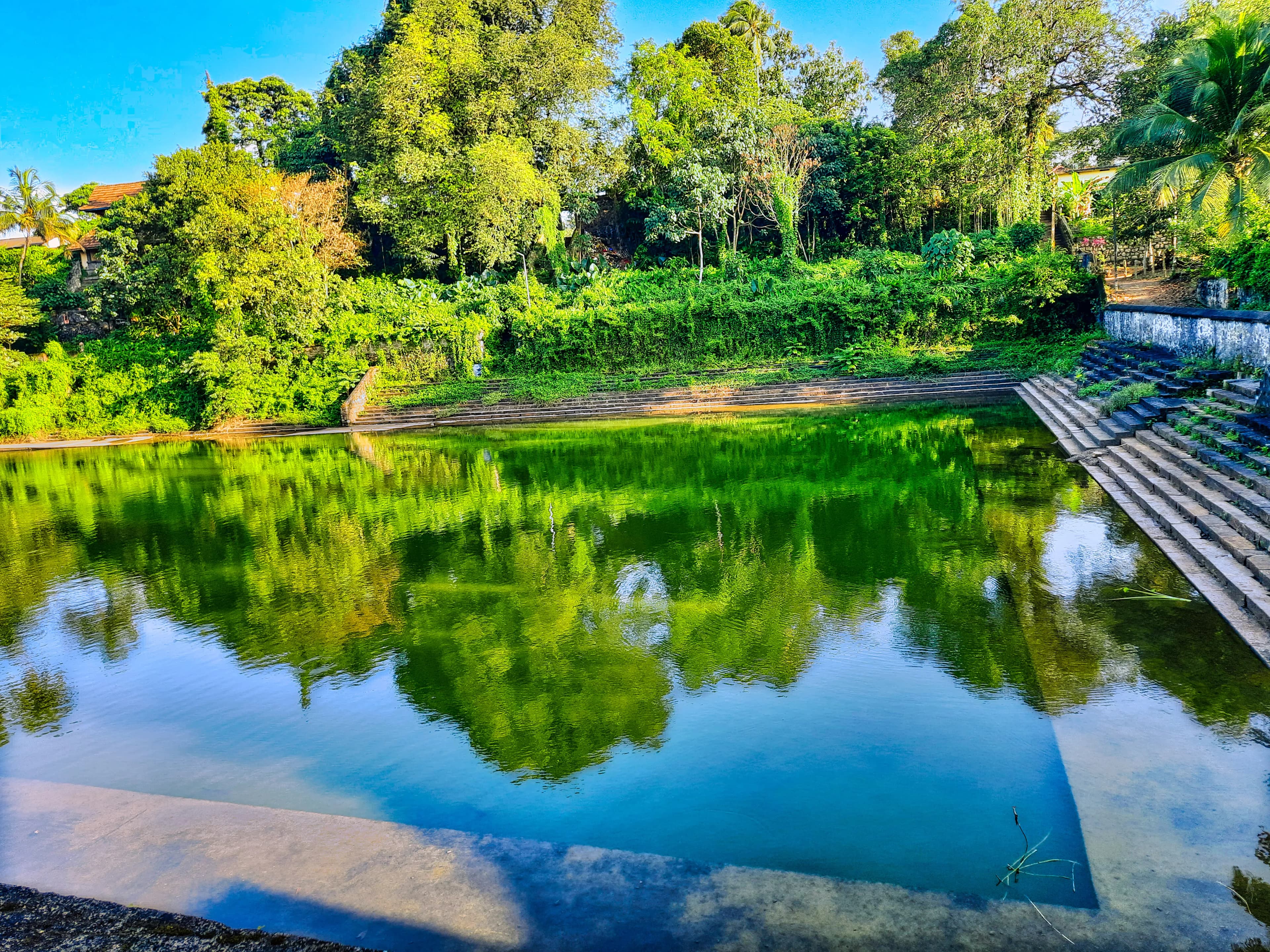
Sabarimala Sastha Temple Pathanamthitta
The arduous 18-step climb to the Sabarimala Sastha Temple, nestled deep within the Periyar Tiger Reserve, is more than just a physical feat; it’s a spiritual odyssey. As I ascended, the chanting of "Swamiye Saranam Ayyappan" reverberated through the dense foliage, a palpable energy that transcended the physical strain. This pilgrimage, undertaken by millions annually, culminates at a shrine that embodies a unique blend of Kerala’s architectural traditions and the temple's specific tantric influences. Unlike the towering gopurams that characterize many South Indian temples, Sabarimala’s main sanctum is relatively modest in height. Clad in copper plates, it sits atop a plateau, its simplicity contrasting sharply with the surrounding verdant wilderness. The absence of elaborate ornamentation initially surprised me, accustomed as I am to the intricate carvings of Tamil Nadu temples. However, the starkness of the structure seemed to amplify the spiritual focus, directing attention inwards rather than outwards. The copper sheathing, burnished by time and weather, glowed with a warm, inviting aura, especially striking in the early morning light. The temple’s architecture reflects its tantric associations. The sanctum sanctorum houses the deity Ayyappan in a yogic posture, and the overall layout, while adhering to some Kerala temple conventions, also incorporates elements that facilitate the specific rituals and practices associated with Ayyappan worship. The path leading to the main shrine is punctuated by smaller shrines dedicated to various deities, each contributing to the narrative of Ayyappan's life and legend. I noticed the prevalence of open spaces around the main shrine, designed to accommodate the vast crowds during the pilgrimage season. This spatial planning, while practical, also contributes to a sense of communal worship, fostering a shared experience amongst the devotees. One of the most striking features is the flight of 18 holy steps leading to the sanctum. Each step represents a specific virtue or principle, and ascending them is considered a symbolic act of purification. The steps are constructed of granite, and while their design is relatively simple, their significance is immense. As I climbed, I observed the diverse array of devotees, each carrying their irumudi kettu, the sacred bundle containing offerings for the deity. The collective devotion was palpable, creating an atmosphere of shared purpose and spiritual intensity. The temple’s location within the dense forest adds another layer to its unique character. The natural surroundings are integral to the pilgrimage experience, symbolizing the journey through the trials and tribulations of life towards spiritual enlightenment. The absence of urban encroachment allows for a deeper connection with nature, enhancing the sense of tranquility and spiritual immersion. I noticed the careful integration of the natural landscape into the temple complex, with pathways winding through the trees and the surrounding hills forming a dramatic backdrop. My visit to Sabarimala was more than just an architectural study; it was an immersive cultural experience. The temple's unique blend of architectural simplicity, tantric influences, and natural setting creates a powerful spiritual ambiance that resonates deeply with the millions who undertake this arduous pilgrimage. It offered a fresh perspective on temple architecture, highlighting the power of simplicity and the profound connection between spirituality and the natural world. The experience underscored how architecture can serve as a powerful conduit for faith and devotion, shaping not just the physical space but also the spiritual journey of the pilgrim.
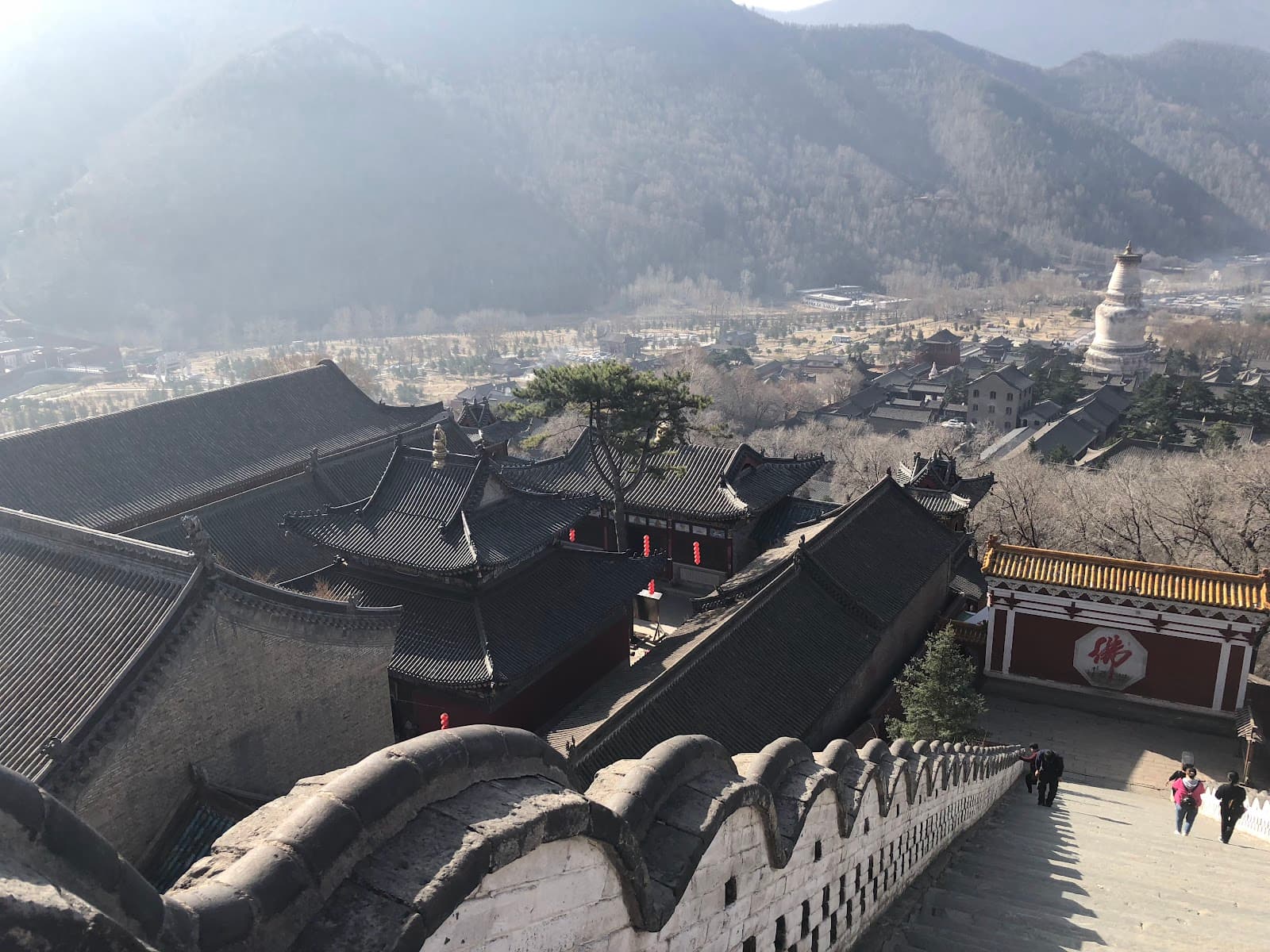
Mount Wutai Monasteries Shanxi China
Mount Wutai, dramatically rising from the rugged terrain of northern Shanxi Province, represents one of the most extraordinary and historically significant Buddhist mountain complexes in China, dating from the 1st century CE and serving as one of the Four Sacred Buddhist Mountains of China that flourished as a major center of Buddhist learning and practice with remarkable connections to Indian Buddhist traditions, particularly through its association with Manjushri, the Bodhisattva of Wisdom who is central to Indian Buddhist cosmology, and featuring over 53 monasteries and temples that demonstrate clear connections to the architectural and religious traditions of ancient India, particularly the sophisticated mountain monastery planning principles and Hindu guardian deity traditions that were transmitted from the great Buddhist centers of northern India, creating a powerful testament to the profound transmission of Indian Buddhist civilization to China during the early medieval period. The site, featuring sophisticated Buddhist temple structures with halls, pagodas, and ritual spaces that demonstrate clear connections to the architectural traditions of ancient India, particularly the sophisticated mountain monastery planning principles and the remarkable preservation of Hindu guardian deities that reflect the integration of Indian Hindu and Buddhist traditions, demonstrates the direct transmission of Indian Buddhist architectural knowledge, religious iconography, and cultural concepts from the great monastic universities of ancient India, particularly Nalanda and Taxila, which systematically transmitted Buddhist teachings and architectural traditions to China through the extensive trade and pilgrimage networks that connected India with China, while the site's most remarkable feature is its extraordinary collection of over 53 monasteries and temples, including the ancient Nanchan Temple dating from the 8th century, that demonstrate remarkable parallels with Indian mountain monastery traditions, particularly the structural techniques and iconographic programs that were central to Indian Buddhist architecture, including depictions of Hindu guardian deities that reflect the sophisticated synthesis of Indian Hindu and Buddhist traditions. The temple structures' architectural layout, with their sophisticated planning, central halls surrounded by subsidiary structures, meditation chambers, and ceremonial spaces, follows planning principles that demonstrate remarkable parallels with Indian Buddhist monastery planning principles, particularly the vihara and mountain monastery traditions that were central to Indian Buddhist architecture, while the site's extensive archaeological remains including Hindu guardian deity sculptures with clear Indian stylistic influences, Buddhist sculptures that reflect Indian iconographic traditions, and architectural elements demonstrate the sophisticated synthesis of Indian Hindu and Buddhist iconography and cosmological concepts with local Chinese aesthetic sensibilities and building materials. Historical evidence reveals that the site served as a major center of Buddhist learning and religious activity during the 1st through 13th centuries, attracting monks, traders, and pilgrims from across China, South Asia, and Central Asia, while the discovery of numerous artifacts including Hindu guardian deity sculptures with clear Indian connections, Buddhist sculptures that reflect Indian iconographic traditions, and architectural elements that reflect Indian architectural concepts provides crucial evidence of the site's role in the transmission of Indian Buddhist and Hindu traditions to China, demonstrating the sophisticated understanding of Indian religious architecture and practices possessed by the site's patrons and monastic establishment. The site's association with Manjushri, the Bodhisattva of Wisdom who is central to Indian Buddhist cosmology and is traditionally said to reside on Mount Wutai, demonstrates the sophisticated understanding of Indian Buddhist traditions that were transmitted to China, while the site's Buddhist temple structures and Hindu guardian deities demonstrate remarkable parallels with Indian Buddhist temple architecture and Hindu religious traditions that were central to ancient Indian civilization. The site has been the subject of extensive historical research and conservation efforts, with ongoing work continuing to reveal new insights into the site's sophisticated architecture, religious practices, and its role in the transmission of Indian religious traditions to China, while the site's status as a UNESCO World Heritage Site demonstrates its significance as a major center for the transmission of Indian Buddhist and cultural traditions to China. Today, Mount Wutai stands as one of the most important historical Buddhist sites in China, serving as a powerful testament to the transmission of Indian Buddhist civilization to China, while ongoing historical research and conservation efforts continue to protect and study this extraordinary cultural treasure that demonstrates the profound impact of Indian civilization on Chinese religious and cultural development. ([1][2])
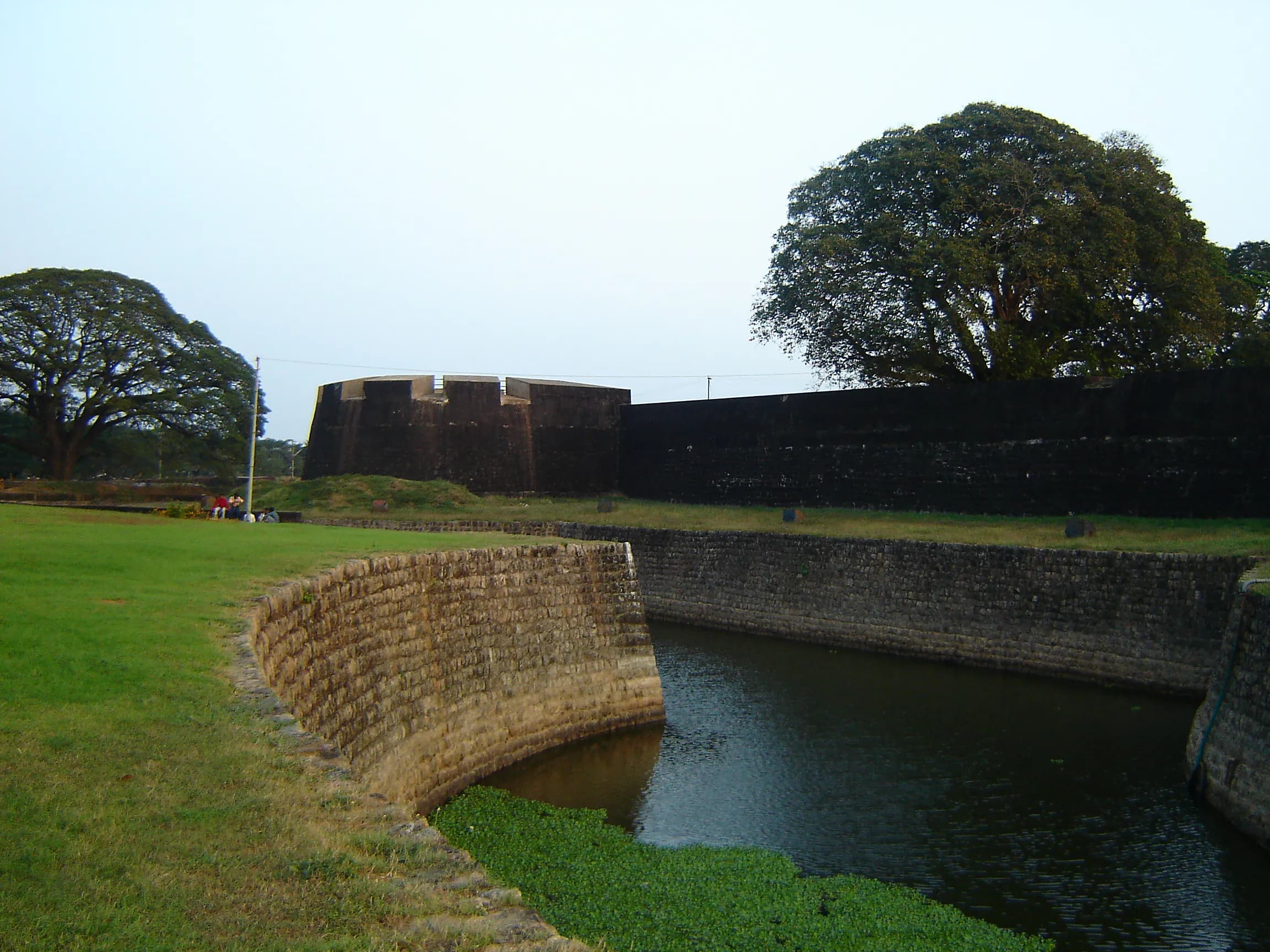
Palakkad Fort Palakkad
The imposing laterite walls of Palakkad Fort, locally known as Tipu's Fort, rose before me under the Kerala sun, a stark contrast to the vibrant green of the surrounding landscape. Having explored countless architectural wonders across Gujarat, I was eager to see how this Kerala fortress compared to the intricate stone carvings and majestic structures of my home state. The sheer scale of the fort, a sprawling rectangle dominating the heart of Palakkad town, was immediately impressive. Stepping through the enormous teakwood gates, I felt a palpable shift in atmosphere. The bustling town sounds faded, replaced by the quiet whispers of history echoing within the thick ramparts. Unlike the ornate gateways of Gujarati forts, these were functional, emphasizing defense over decoration, a testament to the fort's strategic importance. The laterite stone, so characteristic of Kerala architecture, gave the walls a unique reddish-brown hue, different from the sandstone and marble I was accustomed to. The rough texture of the stone, almost porous, spoke of centuries of weathering and resilience. I walked along the ramparts, tracing the outline of the fort, and the strategic brilliance of its design became clear. The wide moat, now dry, would have been a formidable obstacle, while the strategically placed bastions offered commanding views of the surrounding plains. I could imagine archers stationed here, their arrows raining down on any approaching enemy. The fort's location, guarding the Palakkad Gap, a crucial mountain pass connecting Kerala to Tamil Nadu, underscored its historical significance as a gateway between kingdoms. Descending from the ramparts, I explored the inner courtyard. The stark simplicity of the fort's interior contrasted sharply with the elaborate palaces and courtyards found within Gujarati forts. Here, functionality reigned supreme. The barracks, now empty, hinted at the lives of the soldiers who once garrisoned this fortress. I could almost hear the clang of swords and the rhythmic marching of feet. One of the most striking features within the fort is the Hanuman temple, a splash of vibrant color against the muted tones of the laterite. The intricate carvings on the temple walls, depicting scenes from the Ramayana, showcased a different architectural style, a blend of Kerala and Dravidian influences. This juxtaposition of the austere fort and the ornate temple highlighted the cultural fusion that has shaped this region. The small, unassuming Anjaneya Swami temple, dedicated to Lord Hanuman, tucked away in a corner of the fort, held a certain charm. Local legend claims that the idol magically grew in size, necessitating the raising of the temple roof – a story that added a touch of mystique to the place. This reminded me of the numerous folklore and legends associated with Gujarati forts, demonstrating the power of storytelling in preserving history and culture. Climbing the steps of the watchtower, I was rewarded with panoramic views of Palakkad town and the surrounding countryside. The verdant rice paddies stretching out beyond the fort walls painted a picture of tranquility, a stark contrast to the fort's martial past. From this vantage point, I could appreciate the fort's strategic importance, controlling the vital passage through the mountains. My visit to Palakkad Fort offered a fascinating glimpse into a different architectural tradition. While lacking the ornate embellishments of Gujarati forts, its strength lay in its simplicity and strategic design. The laterite walls, the dry moat, and the commanding bastions spoke volumes about the fort's military history. It was a powerful reminder of the diverse architectural heritage of India, each region with its unique story to tell. The fort stands as a silent sentinel, guarding not just the Palakkad Gap, but also the memories of a bygone era.
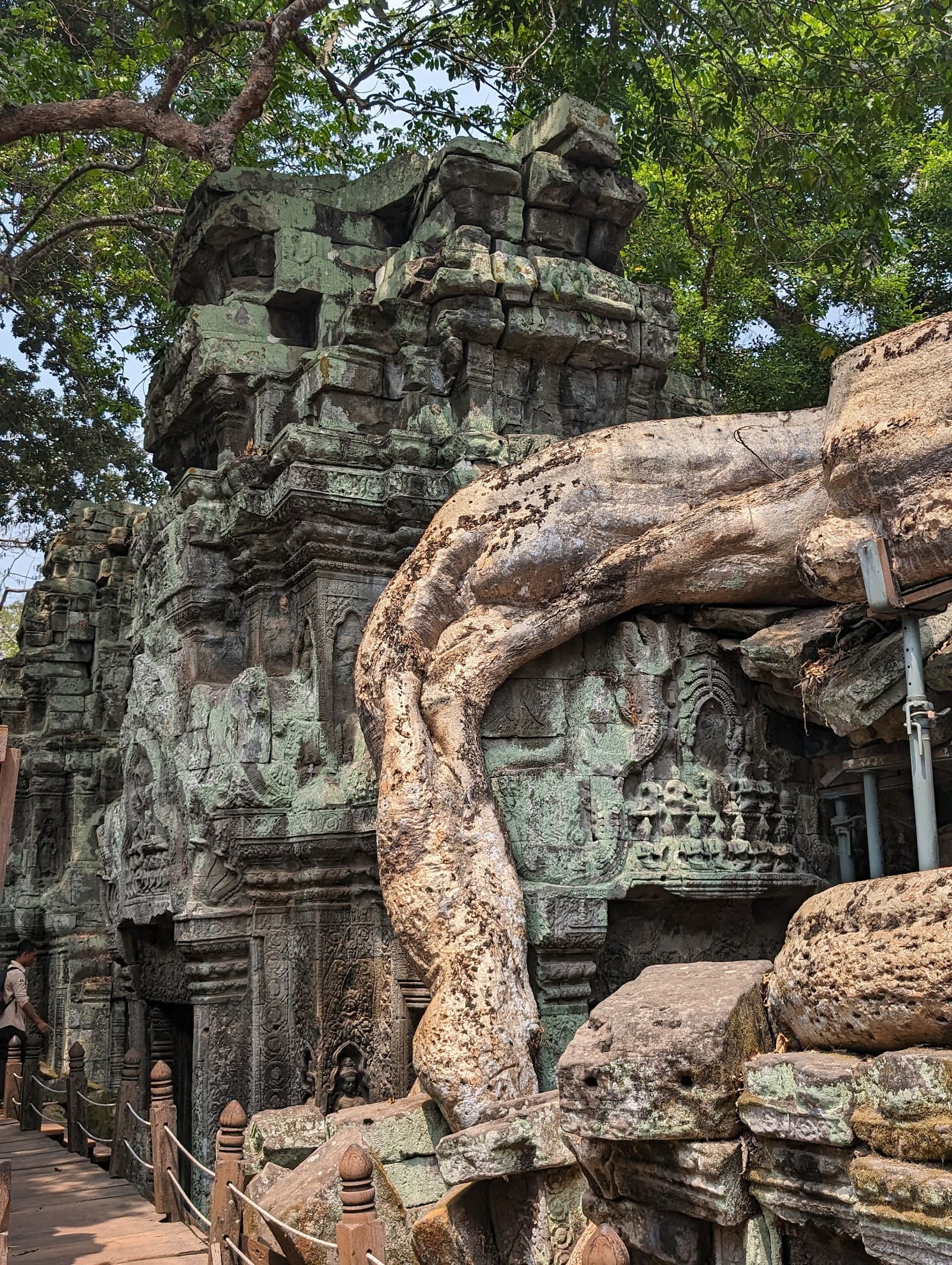
Ta Prohm Siem Reap Cambodia
Ta Prohm, dramatically enveloped by the Cambodian jungle with massive tree roots intertwining with ancient stone structures, represents one of the most atmospheric and visually striking temple complexes in Southeast Asia, constructed in the late 12th and early 13th centuries CE during the reign of King Jayavarman VII as a Mahayana Buddhist monastery and university that retained extensive Shaiva (Shiva-worshipping) iconography, creating a powerful testament to the sophisticated religious syncretism that characterized Khmer religious practices and the continued transmission of Indian Buddhist and Hindu traditions to Southeast Asia. The temple complex, originally covering over 60 hectares and serving as a major center of Buddhist learning that housed over 12,000 people including monks, students, and support staff, features extraordinary architectural elements that demonstrate the synthesis of Indian Buddhist monastery architecture with Khmer building techniques, while the temple's extensive decorative programs including numerous devatas, apsaras, and mythological scenes demonstrate the sophisticated understanding of both Indian Buddhist and Hindu iconography possessed by Khmer artists. The temple's most remarkable feature is its current state, intentionally left largely unrestored by conservation authorities to preserve the dramatic visual effect of massive silk-cotton and strangler fig trees growing through and over the stone structures, creating a powerful symbiosis between nature and architecture that has made it one of the most photographed and iconic temples in Cambodia, while this preservation approach demonstrates the sophisticated understanding of the site's aesthetic and historical significance. Archaeological evidence reveals that the temple served as both a major center of Mahayana Buddhist learning and a repository of Shaiva iconography, demonstrating the remarkable religious syncretism that characterized Khmer religious practices, while the discovery of numerous inscriptions provides crucial evidence of the site's role in the transmission of Indian Buddhist and Hindu texts and practices to Southeast Asia. The temple's architectural layout, with its central sanctuary surrounded by multiple enclosures, libraries, and numerous smaller structures, follows sophisticated Indian Buddhist monastery planning principles that were systematically transmitted from the great monastic centers of India, while the temple's extensive decorative programs including scenes from Hindu mythology demonstrate the ways in which Indian religious traditions were integrated into Khmer Buddhist practice. Today, Ta Prohm stands as part of the UNESCO World Heritage Site and represents one of the most visually striking temples in Southeast Asia, serving as a powerful testament to the transmission of Indian Buddhist and Hindu culture to Southeast Asia, while ongoing archaeological research and conservation efforts continue to protect and study this extraordinary cultural treasure that demonstrates the profound impact of Indian civilization on Southeast Asian religious and artistic traditions. ([1][2])

Mahamuni Pagoda Agartala
The Mahamuni Pagoda, a revered Buddhist shrine, stands as a testament to India's millennia-spanning cultural heritage in Manubankul village, located in the Sabroom Sub-Division of South Tripura, approximately 134 kilometers from Agartala [2] [3]. This ancient monastery embodies the continuous tradition of Indian civilization, showcasing indigenous architectural styles that reflect deep historical roots [3]. The pagoda is dedicated to the Mahamuni Buddha, a central figure of veneration for Buddhist communities across the region and beyond [2]. Its architectural design is a unique synthesis, primarily reflecting the Arakanese Buddhist architecture style, with discernible influences from Bengali Temple architecture and indigenous Tripura architectural traditions, creating a distinctive Indo-Colonial architectural overlay in its later phases [4]. The structure is characterized by its intricate temple architecture, featuring detailed carvings and ornate ceilings within the central shrine complex, which exemplify exquisite craftsmanship [1]. These decorative elements often depict Buddhist iconography, mythological narratives, and floral motifs, deeply embedded in the region's artistic lexicon [1]. The primary construction materials likely include locally sourced brick and stucco, common in the region for religious edifices, with timber elements for structural support and decorative finishes, though specific dimensions are not widely documented [4]. The pagoda's design incorporates a central shrine, typically housing the principal Buddha image, surrounded by an extensive, well-maintained grass lawn, contributing to the serene ambiance of the site [3]. While specific technical details regarding structural systems, engineering innovations, water management, or defensive features are not extensively published, the enduring nature of the structure over centuries suggests robust traditional construction techniques adapted to the local environment [2]. The Mahamuni Pagoda holds the dual designation of a 'Protected Monument of State Importance' and an 'Important Buddhist Site' by the Government of Tripura, ensuring its preservation and inclusion in state conservation programs [5]. Current conservation efforts focus on maintaining the structural integrity of the ancient monastery and preserving its artistic elements, with ongoing archaeological findings contributing to a deeper understanding of its layered history [5]. The site is actively programmed, hosting a famous week-long fair annually in March-April, alongside traditional Mahamuni and 'Owha' festivals, which draw thousands of Buddhist and non-Buddhist pilgrims from India, Myanmar, Thailand, Sri Lanka, Japan, and Bangladesh [2] [3]. Visitor flow is managed to ensure both spiritual reverence and heritage preservation, with accessibility provisions in place. The pagoda remains operationally ready, serving as a vibrant center for Buddhist worship and cultural exchange, upholding its legacy as a key heritage landmark within India's unbroken cultural continuum [5].
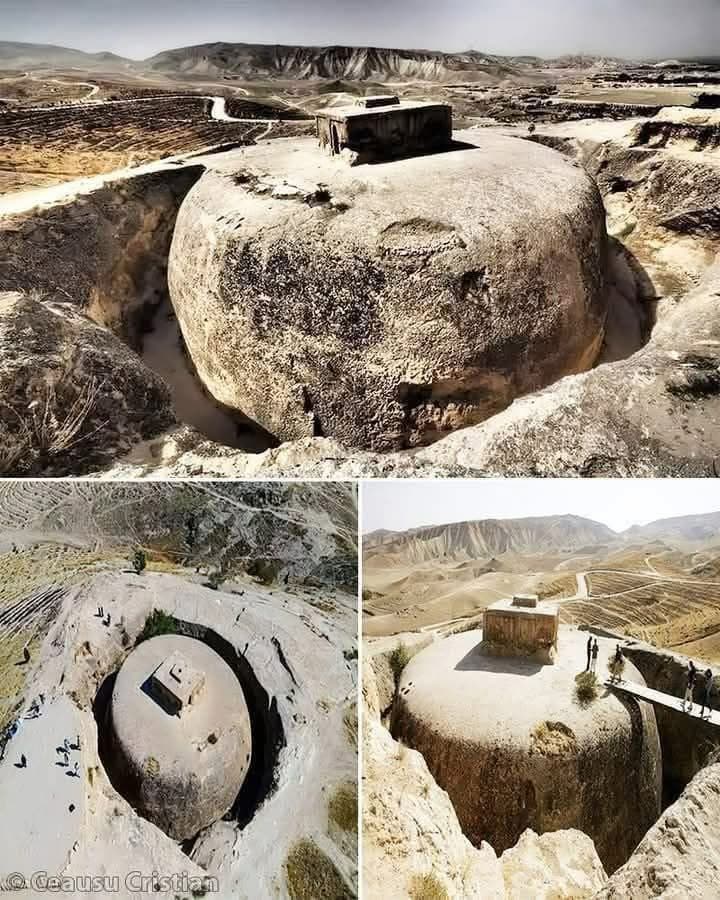
Takht-e Rostam Samangan Afghanistan
Takht-e Rostam, located in Samangan Province, Afghanistan, presents one of the most extraordinary and architecturally unique Buddhist monastic complexes in Central Asia, featuring a remarkable rock-cut stupa monastery carved directly into a natural hill during the 4th century CE, creating an underground architectural marvel that demonstrates the sophisticated transmission of Indian Buddhist cave architecture traditions to Afghanistan during the Kushan and post-Kushan periods. The monastery complex, carved entirely from living rock using techniques adapted from Indian cave temple traditions, features a massive underground stupa chamber accessed through a vertical shaft, with the stupa itself carved in relief from the rock face, creating a three-dimensional architectural sculpture that combines structural engineering with artistic mastery in a manner unparalleled in Central Asian Buddhist architecture. The site's architectural design demonstrates direct influence from Indian Buddhist cave architecture, particularly the early rock-cut monasteries of western India such as Ajanta and Ellora, with the overall plan, stupa form, and decorative elements reflecting traditions that were systematically transmitted from India to Afghanistan through centuries of cultural exchange along the Silk Road. Archaeological evidence reveals that the monastery was constructed during a period when Buddhism flourished across Afghanistan under Kushan and later Hephthalite patronage, with the site serving as both a religious center and a waypoint for Buddhist monks and traders traveling between India and Central Asia, while the sophisticated rock-cutting techniques employed demonstrate the transmission of Indian architectural knowledge to Afghan craftsmen. The monastery complex includes multiple chambers, meditation cells, and water management systems carved directly into the rock, demonstrating sophisticated understanding of both structural engineering and hydrological principles, while the stupa's elaborate decorative program featuring Buddhist iconography and Indic motifs provides crucial evidence of the transmission of Indian artistic traditions to Central Asia. The site has undergone multiple phases of use and modification over the centuries, with evidence of continued Buddhist activity through the 7th century CE, while the site's eventual abandonment and subsequent use as a local landmark reflects the complex religious and cultural transformations that occurred in Afghanistan following the decline of Buddhism in the region. Today, Takht-e Rostam stands as a UNESCO-recognized archaeological site and represents one of the most important examples of rock-cut Buddhist architecture in Central Asia, serving as a powerful testament to Afghanistan's ancient Buddhist heritage and its historical role as a center for the transmission of Indian religious and architectural traditions across the ancient world, while ongoing archaeological research continues to reveal new insights into the site's construction techniques, religious practices, and cultural significance. ([1][2])
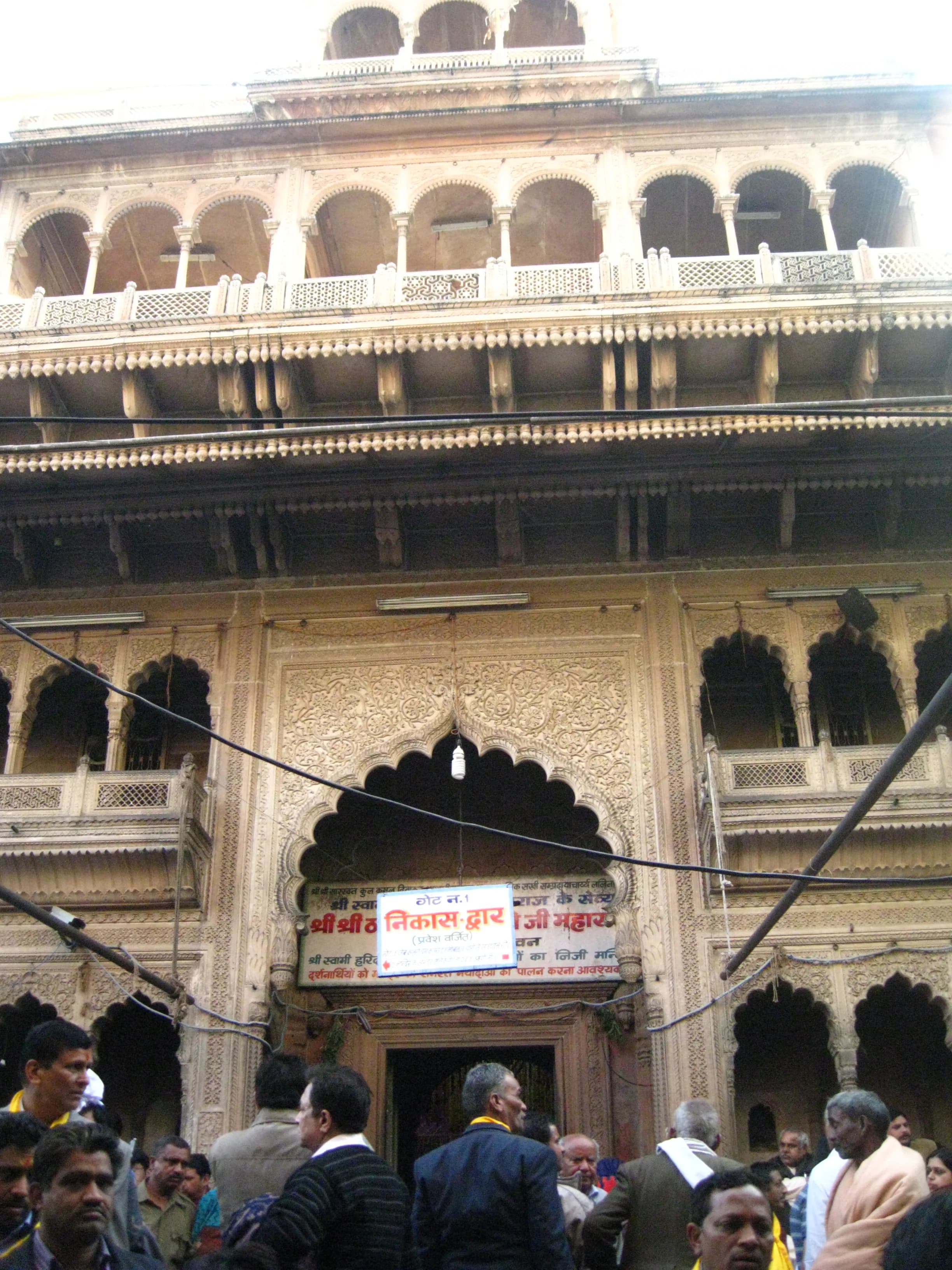
Banke Bihari Temple Vrindavan
The Banke Bihari Temple, situated in Vrindavan, Mathura district, Uttar Pradesh, stands as a profound testament to India's millennia-spanning cultural heritage and its continuous tradition of devotion to Lord Krishna [1] [2]. This revered Hindu temple is dedicated to Banke Bihari, an iconic representation believed to embody the combined divine forms of Radha and Krishna [1] [2]. The central idol, a captivating black image, is notably depicted in the Tribhanga (three-bend) posture, a classical stance in Indian iconography that signifies grace and divine playfulness [1] [2]. The temple's architecture predominantly reflects the indigenous Rajasthani style, a tradition deeply rooted in India's historical architectural practices, characterized by intricate craftsmanship and robust construction [1] [5]. While the specific dimensions of the entire complex are not universally published, the structural elements feature wide entrances adorned with beautifully carved arches, a hallmark of traditional Indian temple design [1]. The walls throughout the temple interior are meticulously covered with elaborate carvings and vibrant paintings, which vividly narrate episodes from Lord Krishna's life, serving both as decorative elements and didactic visual scriptures [1]. The roof, constructed in a traditional manner, exhibits detailed decorations that further enhance the aesthetic and spiritual ambiance of the sacred space [1]. The temple's interior is celebrated for its exquisite stonework and stunning designs, encompassing a large prayer hall where devotees gather for bhajans and aarti, fostering a collective spiritual experience [1]. The spatial arrangement includes a peaceful courtyard, offering a tranquil environment for contemplation amidst the vibrant devotional activities [1]. Uniquely, the temple does not feature bells within its premises, nor does it perform the Mangala Aarti (early morning ritual) daily, except on Krishna Janmashtami, out of a belief to avoid disturbing the deity, who is revered as a child [2] [5]. Furthermore, the darshan (viewing) of the idol is intentionally interrupted every five minutes by drawing curtains, a practice stemming from the belief that an uninterrupted gaze might cause Banke Bihari to accompany a devotee home, leaving the temple empty [2] [5]. This distinctive ritual underscores the intimate and personal relationship devotees share with the deity. The temple is thronged by thousands of visitors daily, maintaining its status as an active center of worship and cultural practice [5]. Conservation efforts are ongoing to preserve this national heritage site, ensuring its structural integrity and the longevity of its artistic and spiritual elements [4]. The site remains fully operational, accessible to devotees and visitors, and continues to uphold its ancient traditions and maintenance protocols, embodying the enduring legacy of Indian civilization [1] [4].
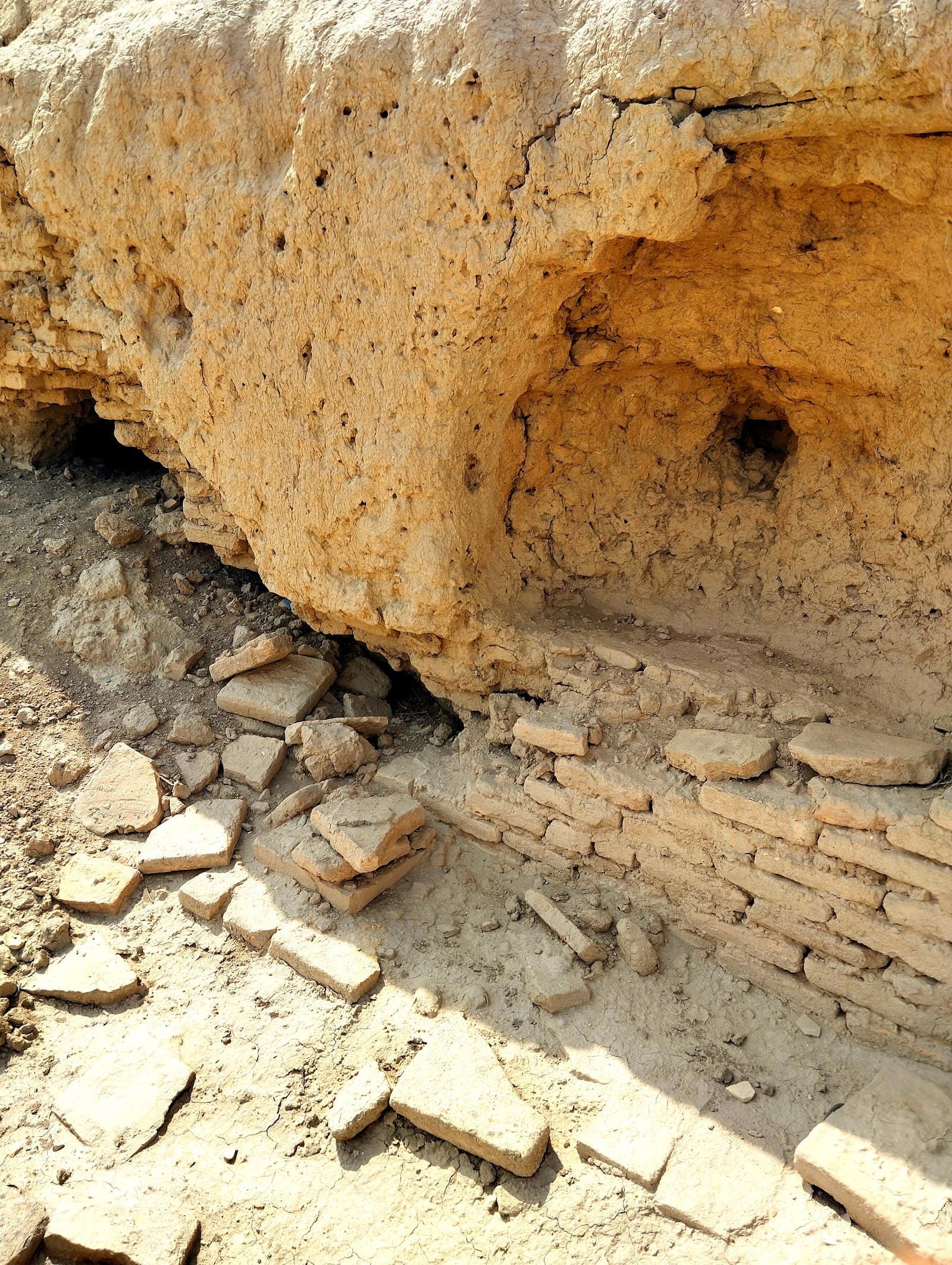
Abiverd Medieval Silk Road City Ahal Turkmenistan
Abiverd Medieval Silk Road City, located in the Ahal Region of Turkmenistan, stands as a profound testament to India's millennia-spanning cultural heritage, reflecting the enduring influence of ancient Indian architectural traditions along the historic Silk Road. This archaeological site, dating back to approximately the 3rd-7th centuries CE, embodies a layered history where indigenous Indian architectural styles, materials, and cultural practices converged with Central Asian forms, showcasing India's deep historical roots and continuous civilizational impact [5] [1]. The site's architectural vocabulary includes elements of the Maru-Gurjara, Nagara, and Vastu Shastra styles, which are integral to India's rich architectural continuum [1] [3] [4]. The Maru-Gurjara architecture, originating in western India, is characterized by its intricate carvings, delicate sculptures, and graceful jalis (lattice screens) [1]. This style often features elaborate entrance gates known as toranas, ornate pillars, and decorative 'flying' arch-like elements that, while non-structural, enhance aesthetic appeal [3]. Fortified structures, courtyards, gardens, and sophisticated water features are also hallmarks, designed for both defense and comfort in arid regions [1]. At Abiverd, these principles are evident in the remnants of its robust city walls, which were surrounded by a dry moat and featured rounded towers, suggesting a defensive architecture that may have incorporated such Indian design philosophies for both structural integrity and aesthetic embellishment [5]. The central tell, approximately 18 meters high and 213 meters in circumference, likely housed monumental structures whose design would have drawn upon these intricate decorative and structural elements [5]. The Nagara architecture, a prominent northern Indian temple style, is distinguished by its tall, curvilinear shikharas (spires) topped by a kalasha (finial), typically built on a high platform without elaborate boundary walls [3]. While Abiverd's primary monumental structures were likely mosques and civic buildings, the underlying principles of verticality, monumental scale, and the use of a central, elevated structure for prominence, as seen in Nagara temples, could have influenced the design of its significant edifices [3]. The site's overall layout, encompassing a rectangular area of 42 hectares, suggests an adherence to ancient Indian planning principles, particularly those of Vastu Shastra [5]. Vastu Shastra, an ancient Indian system, dictates principles of design, layout, measurements, ground preparation, space arrangement, and spatial geometry, aiming to integrate architecture with nature and align structures with cardinal directions and the five elements [4]. The strategic orientation of Abiverd's city gates and the internal organization of its citadel and rabat (trade and craft district) reflect a sophisticated urban planning informed by such ancient Indian spatial theories, ensuring optimal energy flow and functional harmony [2] [5]. Construction at Abiverd utilized both unbaked and baked brick, with the latter becoming more prevalent for monumental architecture from the 10th century CE onwards, allowing for vaulted ceilings and domed structures [5] [5]. The decorative brickwork, carved terracotta, and stucco, characteristic of the region, would have been applied with patterns and motifs that could reflect the intricate geometric and vegetal ornamentation seen in Indo-Islamic architecture, a style that itself is a synthesis of Indian and Islamic forms [3] [5]. Archaeological excavations, which began in the 20th century, have unearthed pottery shards, coins, and other artifacts, many of which are preserved in Turkmenistan's national museums, providing tangible links to its rich past [3] [5]. Abiverd is currently recognized as a historical and cultural monument, with ongoing archaeological research conducted by international expeditions from France and Russia [5]. The site is accessible to visitors, with continuous maintenance and preservation efforts ensuring its operational readiness as a significant heritage destination [5].
Quick Links
Plan Your Heritage Journey
Get personalized recommendations and detailed visitor guides