Has Inheritage Foundation supported you today?
Your contribution helps preserve India's ancient temples, languages, and cultural heritage. Every rupee makes a difference.
Secure payment • Instant 80G certificate
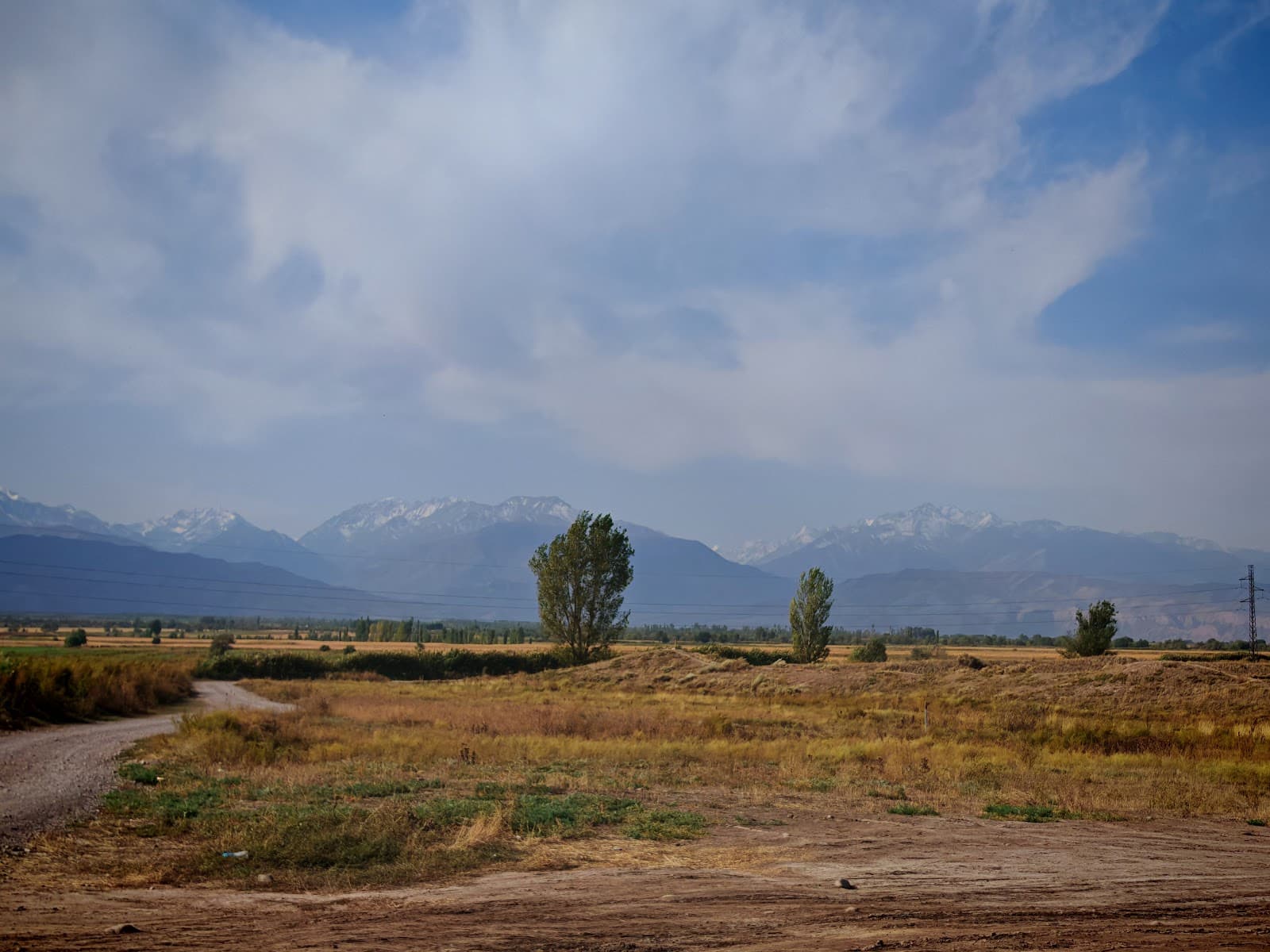
Ak-Beshim Buddhist Temple Chui Valley Kyrgyzstan
Ak-Beshim, located in Kyrgyzstan's Chui Valley, flourished as Suyab between the 6th and 8th centuries CE ([1][2]). As a vital Silk Road hub, the city became a melting pot of Indian Buddhist, Chinese, and Central Asian cultures ([1]). The temple complex illustrates the transmission of Indian Buddhist architectural knowledge into Central Asia ([1][2]). Fired brick and mud brick construction techniques shaped the monastic complex, which includes stupas and temple structures that resonate with Indian Buddhist architecture ([1][2]). The layout, featuring central stupas surrounded by monastic cells and ritual chambers, reflects the traditions of Indian Viharas (monasteries) and Chaitya halls (prayer halls) ([1]). Buddhist sculptures and inscriptions reveal a synthesis of Indian iconography and Central Asian aesthetics ([1][3]). These artistic elements likely drew inspiration from the Shilpa Shastras, ancient Indian texts detailing art and architecture, although specific textual references from texts like the Manasara Shilpa Shastra are yet to be definitively established through archaeological evidence at this site. Archaeological excavations have uncovered artifacts, including Buddhist sculptures exhibiting Indian stylistic influences, Sanskrit inscriptions, and architectural components reflecting Indian cosmological concepts ([2][3]). These discoveries emphasize Ak-Beshim's role in disseminating Indian Buddhist traditions ([1][2]). The presence of Sanskrit, the liturgical language of Hinduism and Buddhism, suggests a deep cultural exchange ([3]). The influence of Vastu Shastra principles, the ancient Indian science of architecture, may be observed in the temple's layout, although further research is needed to confirm specific applications of texts like the Mayamata ([4]). During the Early Medieval period, temple architecture often integrated local materials and techniques with established religious traditions ([5]). Ak-Beshim's construction, utilizing fired brick, mud brick, stone, lime mortar, metal, and wood, showcases this fusion ([1][2]). Ongoing research promises further insights into the intricate interplay of architecture and religious practices at this significant Silk Road site ([1][5]).
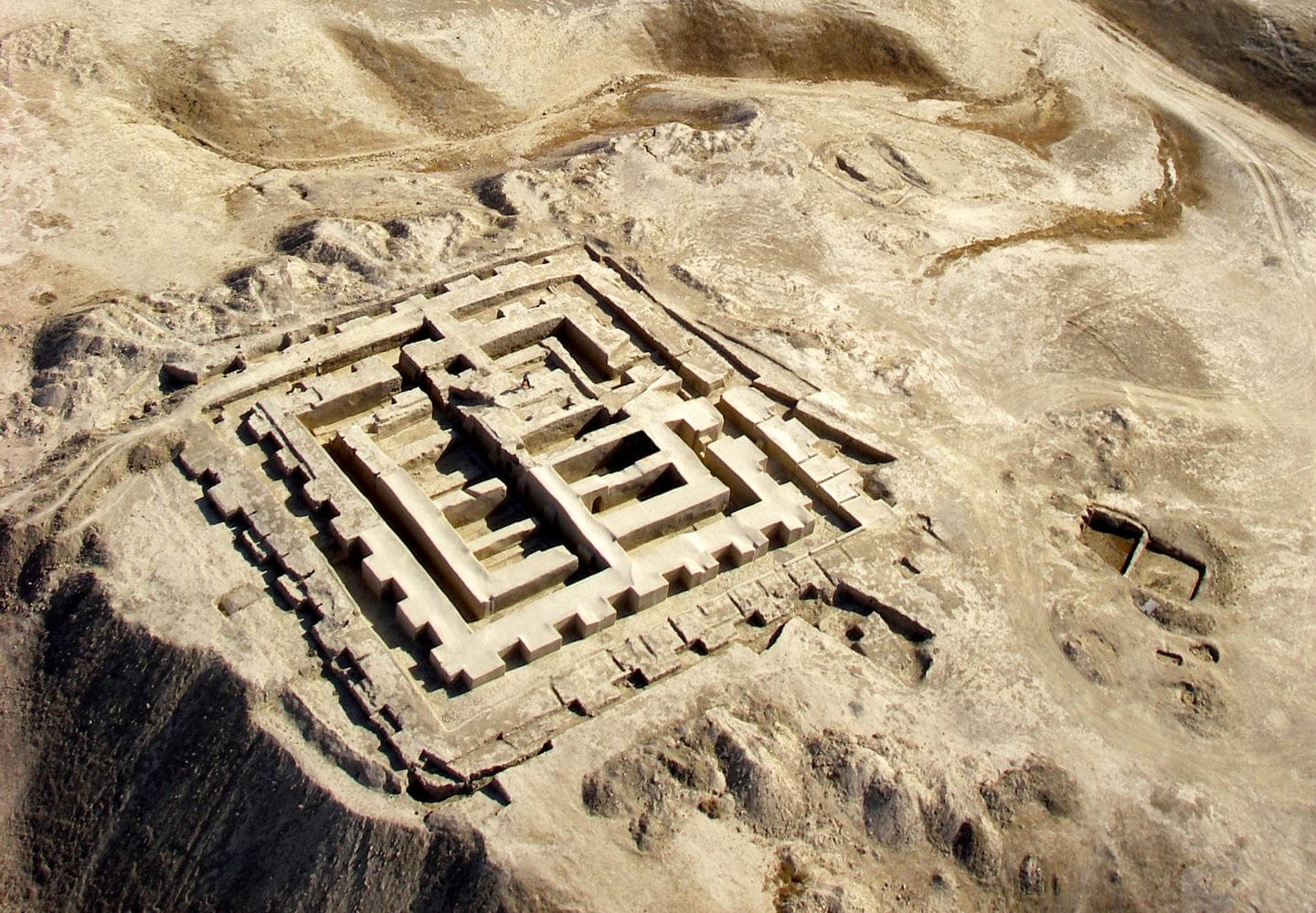
Yaz-Depe Ahal Turkmenistan
Yaz-Depe, an ancient monumental site located in the Ahal Region of Turkmenistan, stands as a profound testament to the millennia-spanning cultural heritage of the broader Indo-Iranian world, reflecting deep indigenous roots and continuous traditions that resonate with India's own ancient civilization. This Iron Age temple complex, dating back to approximately 500 BCE, embodies the Indo-Zoroastrian and Indian Religious architectural styles, showcasing a sophisticated blend of regional traditions and broader cultural influences [1] [4]. The site, a prominent feature of the Yaz culture, is characterized by its substantial brick platform mound, which rises to a height of 8 meters, supporting the remains of structures that once covered an area of approximately 1 hectare during its Iron Age phase [1]. The construction primarily utilized mud-brick, a prevalent material in ancient Central Asian architecture, laid in regular courses, indicative of advanced indigenous building techniques for the period [1] [3]. Architectural investigations at Yaz-Depe have revealed the presence of fortified structures, a common characteristic of settlements during the Yaz I period, which often served as central keeps for rural communities [1]. While specific dimensions for individual temple structures at Yaz-Depe are not extensively documented, comparative studies with other regional sites and general characteristics of Zoroastrian fire temples suggest a rectangular layout, often encircled by corridors and fortified external walls, as seen in contemporary structures like the fire temple at Topaz Gala Depe [3]. The absence of traditional burials within the Yaz culture, including Yaz-Depe, is a notable feature, interpreted by scholars as potential evidence of the Zoroastrian practice of exposure or sky burial, aligning with ancient Indo-Iranian religious customs [1]. The site's material culture includes pottery, initially hand-made during the Yaz I phase, evolving to incorporate increasing use of wheel-thrown ware in the Yaz II period, often adorned with distinctive triangle and ladder patterns [1]. Archaeological findings also encompass bronze and iron arrowheads, iron sickles, and carpet knives, reflecting the technological advancements of the Iron Age [1]. The architectural principles observed, such as the construction of monumental platforms and the use of specific ceramic types, demonstrate a continuity with preceding Late Bronze Age traditions in the region, while also exhibiting unique indigenous features [1]. The broader influence of Indian religious architecture in Central Asia, particularly in the form of stupas with square bases and multi-storied arrangements, and the use of central pillars (griha-stambha), suggests a shared architectural vocabulary and cultural exchange across ancient geographical boundaries [4]. Yaz-Depe, as part of the State Historical and Cultural Park "Ancient Merv," is currently preserved and maintained, with ongoing archaeological research contributing to its understanding [5]. The site stands as a tangible link to a continuous cultural legacy, demonstrating the enduring architectural and religious traditions that shaped the ancient world, and remains operationally ready for scholarly engagement and heritage appreciation [2] [5].
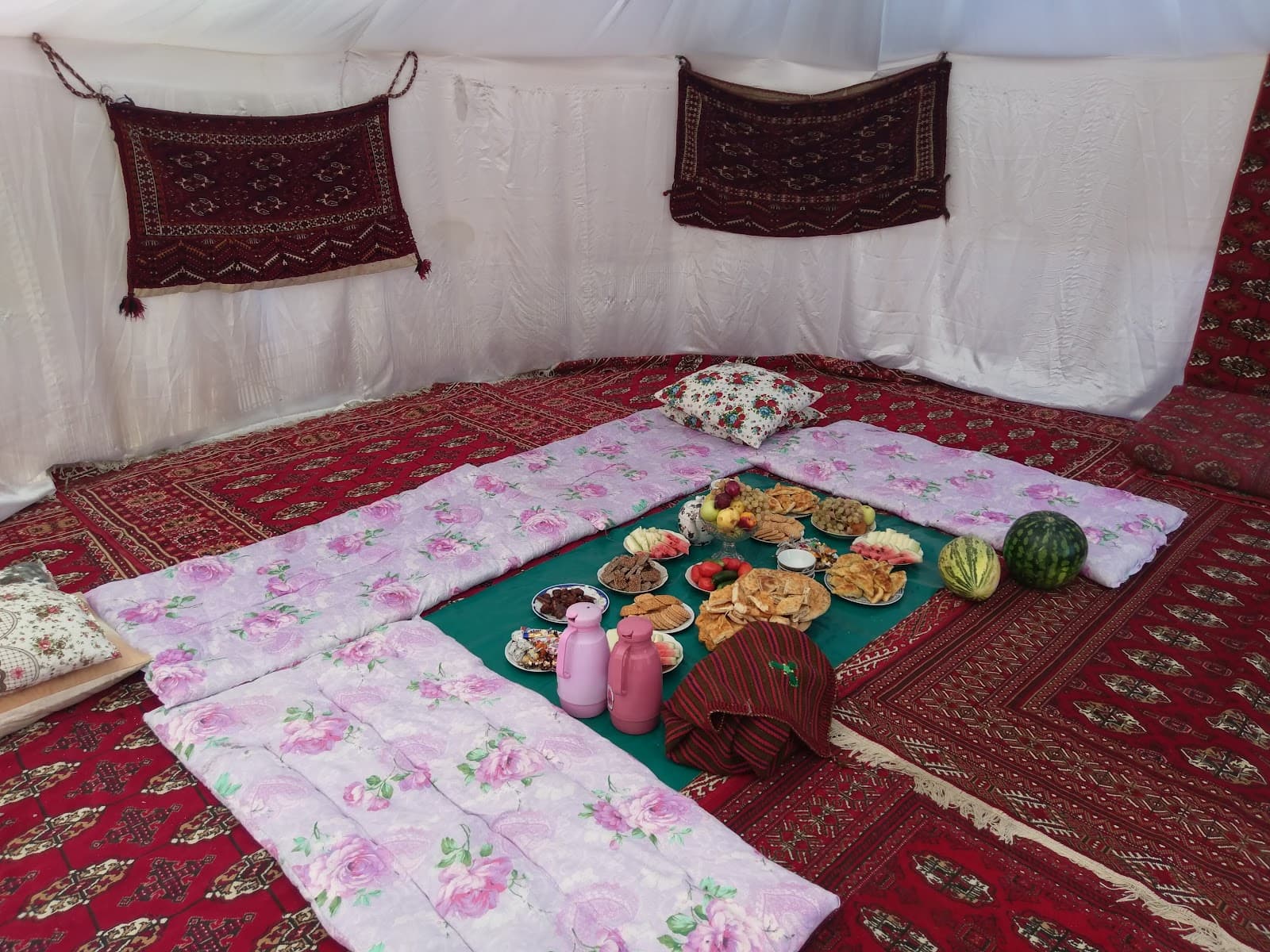
Anau Neolithic Bronze Age Site Ahal Turkmenistan
Nestled in the Ahal Region of Turkmenistan, Anau emerges as a significant Neolithic and Bronze Age site, tracing back to 4500 BC ([1][2]). Archaeological excavations have unveiled complex settlement patterns, suggesting early cultural exchanges between Central and South Asia ([1]). Vastu Shastra principles, the ancient Indian science of architecture, may have subtly influenced Anau's urban layout, evident in the organization of residential spaces and storage areas, echoing similar layouts in the Indus Valley Civilization ([2]). Mud brick construction formed the primary building method, showcasing the ingenuity of early agricultural communities ([1]). Intricate carvings adorning the walls and pottery fragments of Anau hint at possible Indian influences, potentially indicating the spread of agricultural practices and cultural traditions ([1][3]). Stone platforms and foundations demonstrate advanced engineering capabilities for the period ([2]). Evidence suggests that Anau served as a hub for agricultural innovation, drawing traders and farmers from across Central Asia, South Asia, and the Middle East ([3][4]). Vedic astronomical principles might have played a role in the site's orientation, although concrete proof is currently lacking ([5]). Granite and sandstone blocks, though not primary materials, were used to craft artifacts suggesting connections to Indus Valley techniques ([4]). Sophisticated drainage systems, crucial for urban settlements, bear resemblances to those discovered in ancient Indian cities ([1][2]). This site's importance lies in its continuous habitation from the Neolithic through the Bronze Age, providing invaluable insights into the evolution of settled life and cross-cultural interactions ([3][5]). The presence of shared architectural elements and artistic motifs speaks to a rich tapestry of interconnectedness in ancient Central and South Asia, reflecting a confluence of ideas and technologies. Discoveries of terracotta figurines and painted pottery further enrich our understanding of the artistic and cultural landscape of Anau ([6][7]).
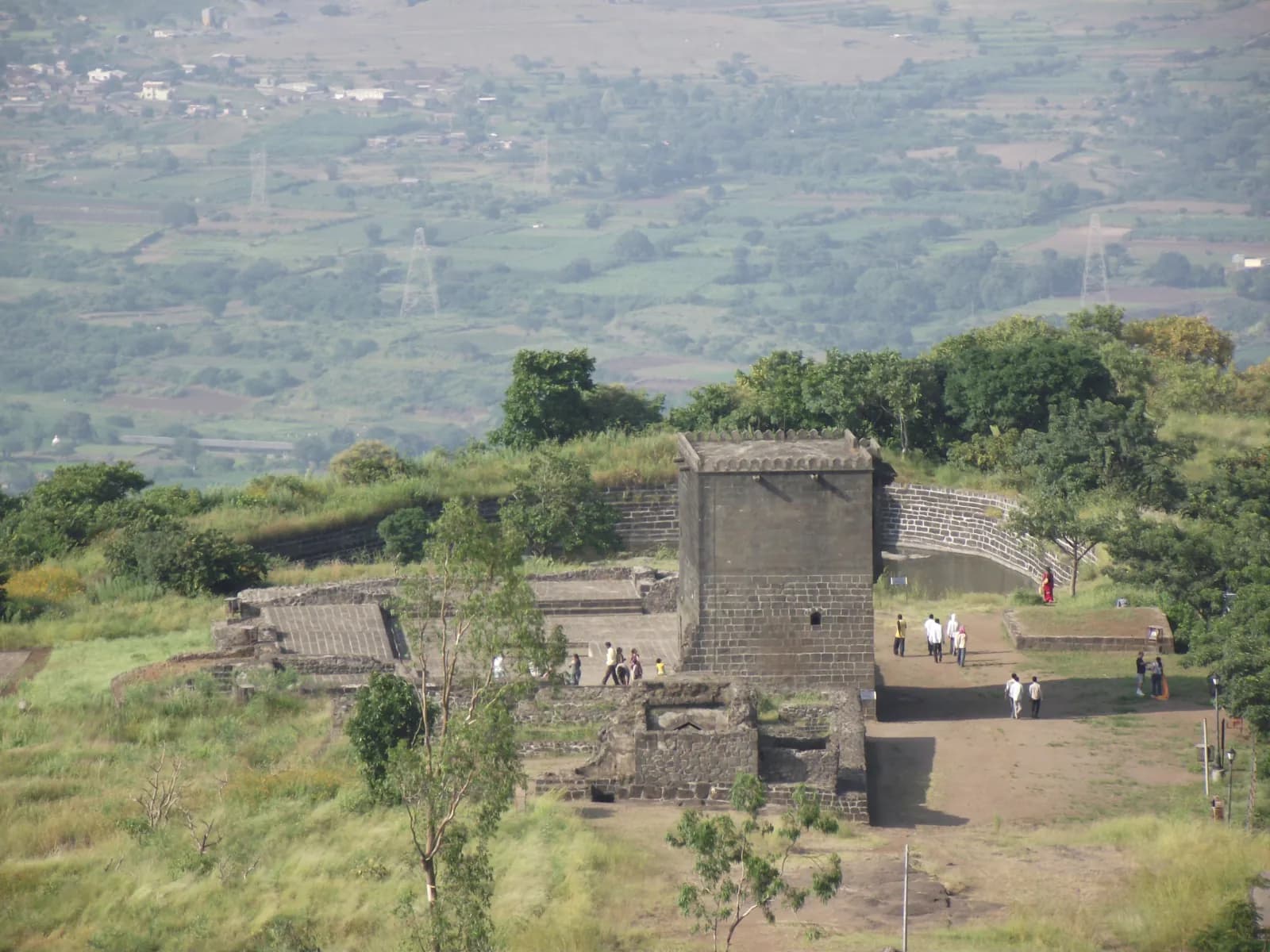
Shivneri Fort Junnar
The imposing basalt ramparts of Shivneri Fort, rising dramatically from the Deccan plateau, held me captivated from the moment I arrived in Junnar. Having spent years immersed in the granite wonders of South Indian temple architecture, I was eager to experience this different, yet equally compelling, facet of India's heritage. The fort, a formidable military stronghold for centuries, offered a fascinating glimpse into a world shaped by strategic necessities rather than the spiritual aspirations that drove the Dravidian temple builders. The ascent to the fort itself was an experience. The winding path, carved into the rock, felt like a journey back in time. Unlike the elaborate gopurams and mandapas I was accustomed to, the entrance to Shivneri was a study in practicality. The fortifications, though lacking the ornate carvings of southern temples, possessed a raw beauty, their strength evident in the sheer thickness of the walls and the clever placement of bastions. The strategically positioned 'Shivai Devi' and 'Maha Darwaja' gates, with their sturdy wooden doors reinforced with iron, spoke volumes about the fort's defensive history. Within the fort walls, a different world unfolded. The rugged terrain enclosed a surprisingly self-sufficient community. Water tanks, carved meticulously into the rock, showcased impressive water management techniques, a stark contrast to the temple tanks of the south, which often served ritualistic purposes as well. The 'Badami Talav,' with its intricate stepped sides, was a particularly striking example. The granaries, built to withstand sieges, were another testament to the fort's pragmatic design. The architectural style within the fort was a blend of various influences. While the overall structure was dictated by military needs, glimpses of later architectural embellishments were visible, particularly in the residential areas. The 'Shivai Mata Mandir,' where Chhatrapati Shivaji Maharaj was born, held a special significance. While simpler than the grand temples of the south, it possessed a quiet dignity, its stone construction echoing the fort's overall aesthetic. The carvings on the pillars and lintels, though less intricate than the temple sculptures I was familiar with, displayed a distinct local style. One of the most striking features of Shivneri Fort was its integration with the natural landscape. The architects had skillfully utilized the natural contours of the hill, incorporating the rock formations into the fort's defenses. This symbiotic relationship between architecture and nature was a recurring theme, reminding me of the hilltop temples of South India, where the natural surroundings often played a crucial role in the temple's design and symbolism. Exploring the 'Ambarkhana,' the grain storage, and the 'Kalyan Buruj,' I couldn't help but compare the ingenuity of the Maratha military architects with the temple builders of the south. While the latter focused on creating spaces that inspired awe and devotion, the former prioritized functionality and defense. The lack of elaborate ornamentation at Shivneri, however, did not diminish its architectural merit. The fort's strength lay in its simplicity and its seamless integration with the landscape. My visit to Shivneri Fort was a powerful reminder that architectural brilliance can manifest in diverse forms. While my heart remains deeply connected to the ornate temples of South India, the stark beauty and strategic ingenuity of Shivneri Fort offered a valuable new perspective on India's rich architectural heritage. The echoes of history resonated within those basalt walls, narrating tales of resilience, strategy, and a deep connection to the land. It was an experience that broadened my understanding of Indian architecture and left me with a profound appreciation for the diverse expressions of human ingenuity.
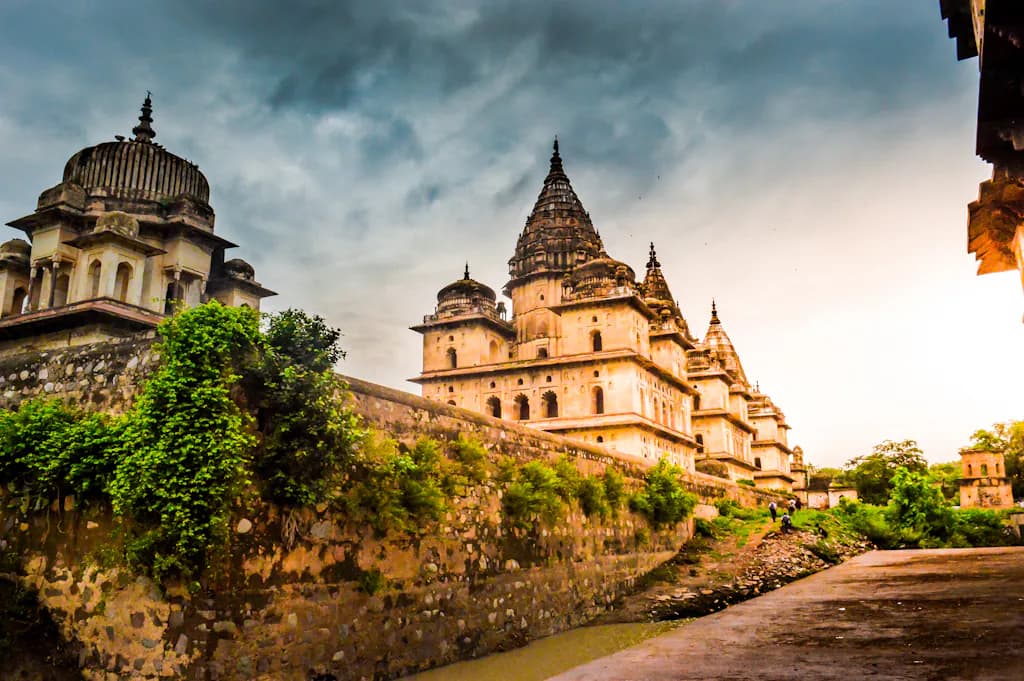
Orchha Fort Orchha
The midday sun beat down on the ochre stone, casting long shadows that danced across the courtyards of Orchha Fort. Dust motes, stirred by a gentle breeze whispering through the Betwa River valley, swirled around me, adding a touch of ethereal magic to the already imposing structure. Having explored countless forts across North India, from the colossal ramparts of Rajasthan to the crumbling citadels of the Himalayas, I thought I was immune to being awestruck. Orchha proved me wrong. This wasn’t just another fort; it was a symphony in stone, a testament to the Bundela Rajput’s architectural prowess and artistic sensibilities. Unlike the stark military fortifications I’d encountered elsewhere, Orchha exuded a regal elegance, a blend of defensive strength and palatial grandeur. The fort complex, perched on an island amidst the Betwa, is a cluster of interconnected palaces and temples, each with its own unique story to tell. My exploration began with the Raja Mahal. Stepping through the imposing arched gateway, I was immediately transported back in time. The sheer scale of the courtyard, surrounded by multi-storied structures, was breathtaking. Intricate carvings adorned the pillars and balconies, depicting scenes from epics and courtly life. I climbed the narrow, winding staircases, the stone worn smooth by centuries of footsteps, and emerged onto the rooftop terraces. From here, the panoramic view of the river, the surrounding plains, and the other palaces within the complex was simply mesmerizing. I could almost imagine the Bundela kings surveying their domain from this very spot. Next, I ventured into the Jahangir Mahal, a stunning example of Mughal architecture built to commemorate the visit of Emperor Jahangir. The contrast between the robust Rajput architecture of the Raja Mahal and the delicate, almost ethereal beauty of the Jahangir Mahal was striking. Here, intricate latticework screens, known as *jalis*, filtered the sunlight, creating a play of light and shadow within the chambers. The central courtyard, with its elegant chhatris and ornate balconies, was a masterpiece of design. I spent a considerable amount of time simply admiring the intricate tilework, the delicate floral patterns, and the sheer artistry that had gone into creating this architectural gem. The Ram Raja Temple, uniquely situated within the fort complex, was my next stop. Unlike typical temples, this one felt more like a palace, a reflection of the deep reverence the Bundela rulers had for Lord Ram. The temple’s vibrant colours, the intricate carvings, and the constant hum of devotional chants created a palpable sense of spirituality. Witnessing the devotion of the pilgrims, I felt a connection to the living history of this place. As I wandered through the Sheesh Mahal, now converted into a heritage hotel, I couldn't help but imagine the lives of the royals who once inhabited these spaces. The mirrored walls, the ornate ceilings, and the remnants of frescoes hinted at a life of luxury and grandeur. Standing on the balcony, overlooking the Betwa River, I felt a sense of tranquility wash over me. Leaving the fort complex as the sun began to set, casting a golden glow on the stone, I felt a profound sense of awe and admiration. Orchha Fort wasn't just a collection of buildings; it was a living, breathing testament to a rich and vibrant history. It was a place where architecture, art, and spirituality intertwined seamlessly, creating an experience that transcended the ordinary. For anyone seeking a glimpse into the heart of India's historical and architectural heritage, Orchha Fort is an absolute must-see. It’s a place that stays with you long after you’ve left, a reminder of the enduring power of human creativity and the beauty that can be found in the most unexpected corners of the world.
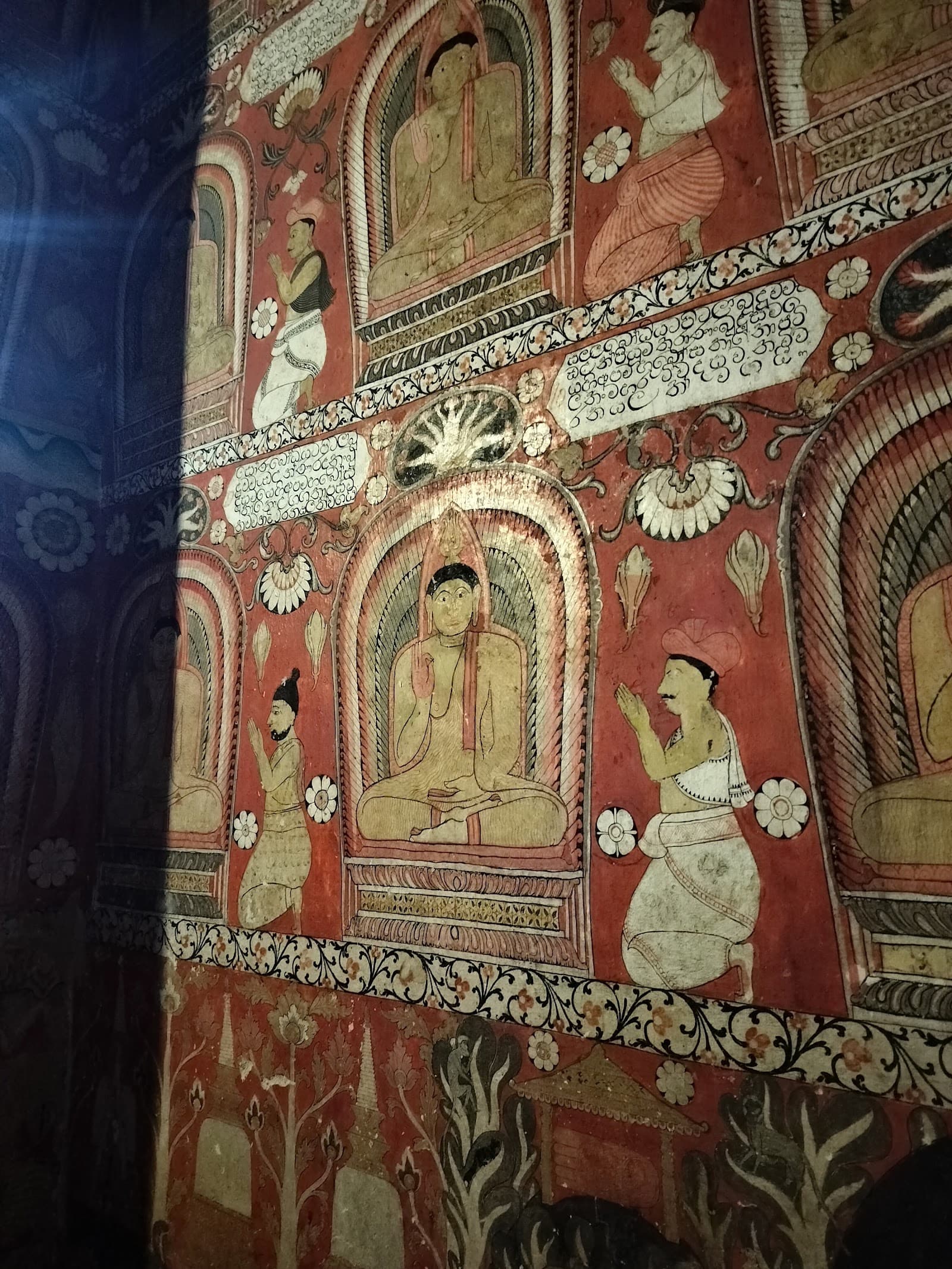
Lankatilaka Vihara Kandy Sri Lanka
Lankatilaka Vihara, dramatically perched atop the Panhalgala Rock near Kandy, represents one of the most extraordinary and architecturally significant Buddhist temples in Sri Lanka, constructed in the 14th century CE during the reign of King Bhuvanekabahu IV and designed by the South Indian architect Sathapati Rayar, creating a powerful testament to the profound transmission of Indian Buddhist and Hindu architectural traditions to Sri Lanka and demonstrating the sophisticated religious syncretism that has characterized Sri Lankan religious practices. The temple complex, featuring sophisticated architectural elements that seamlessly integrate Hindu deities within its Buddhist sanctum, demonstrates the direct transmission of South Indian Dravidian temple architecture, particularly the traditions of the Chola and Pandya dynasties, with local adaptations that reflect the sophisticated synthesis of Indian Buddhist and Hindu religious and artistic traditions with Sri Lankan building techniques, while the temple's most remarkable feature is its unique architectural design that combines Sinhalese and Dravidian styles, creating a distinctive Kandyan period architectural synthesis that demonstrates the sophisticated understanding of Indian architectural traditions possessed by Sri Lankan architects and patrons. The temple's architectural layout, with its central image house adorned with Kandyan-era paintings and sculptures, surrounded by multiple enclosures and subsidiary shrines dedicated to various Hindu deities including Upulvan, Ganapathi, Saman, Vibhishana, Kataragama deviyo, and Kumara Bandara, follows sophisticated South Indian Dravidian temple planning principles that were systematically transmitted from the great temple complexes of Tamil Nadu, while the temple's extensive decorative programs including murals, sculptures, and architectural elements demonstrate the sophisticated synthesis of Indian Buddhist and Hindu iconography and artistic traditions with local Sri Lankan aesthetic sensibilities. Archaeological evidence reveals that the temple served as a major center of both Buddhist and Hindu worship for over six centuries, attracting pilgrims from across Sri Lanka and South India, while the discovery of numerous inscriptions and historical records provides crucial evidence of the site's role in the transmission of Indian religious texts and practices to Sri Lanka, demonstrating the sophisticated understanding of Indian religious traditions possessed by the temple's patrons and religious establishment. The temple's association with the South Indian architect Sathapati Rayar demonstrates the direct transmission of Indian architectural expertise to Sri Lanka, while the temple's unique synthesis of Buddhist and Hindu elements demonstrates the remarkable religious syncretism that has characterized Sri Lankan religious practices for centuries. Today, Lankatilaka Vihara stands as one of the most important examples of Kandyan period architecture in Sri Lanka, serving as a powerful testament to the transmission of Indian Buddhist and Hindu culture and architecture to Sri Lanka, while ongoing archaeological research and conservation efforts continue to protect and study this extraordinary cultural treasure that demonstrates the profound impact of Indian civilization on Sri Lankan religious and artistic traditions. ([1][2])

Hisor Fortress Complex Hisor Tajikistan
Hisor Fortress Complex, dramatically situated in the Hisor District of central Tajikistan, represents one of the most archaeologically significant fortified settlements in Central Asia, constructed over multiple periods from ancient times through the medieval period as a major defensive and administrative center with archaeological layers containing Buddhist remain fragments, creating a powerful testament to the transmission of Indian Buddhist religious and artistic traditions to Central Asia. The fortress complex, featuring sophisticated defensive architecture including fortified walls, towers, and gates that were constructed and reconstructed over centuries, contains archaeological layers that have yielded Buddhist remain fragments including sculptures, reliefs, and architectural elements that demonstrate clear Indian Buddhist iconographic influences, providing crucial evidence of the site's role as a center for the transmission of Indian Buddhist culture to Central Asia. Archaeological excavations have revealed extraordinary archaeological layers containing Buddhist remain fragments executed in styles that demonstrate clear Indian Buddhist iconographic influences, while the discovery of numerous artifacts including coins, pottery, and ritual objects provides crucial evidence of the site's role as a major center of trade and religious activity that attracted merchants, monks, and pilgrims from across the Buddhist world including India. The fortress complex's architectural layout, with its defensive walls, towers, and gates, follows sophisticated defensive planning principles, while the archaeological layers containing Buddhist remain fragments demonstrate the ways in which Indian Buddhist traditions were integrated into Central Asian fortified settlements. The fortress complex's location in the Hisor District, a major crossroads of ancient trade routes, underscores its significance as a center for the transmission of Buddhist teachings, art, and culture from India to Central Asia and beyond, while the site's archaeological layers demonstrate the sophisticated understanding of Indian Buddhist traditions possessed by the communities that inhabited this extraordinary complex. Today, Hisor Fortress Complex stands as a major archaeological site and represents one of the most important fortified settlements in Central Asia, serving as a powerful testament to the transmission of Indian Buddhist culture to Central Asia, while ongoing archaeological research and conservation efforts continue to protect and study this extraordinary cultural treasure that demonstrates the profound impact of Indian civilization on Central Asian religious and artistic traditions. ([1][2])
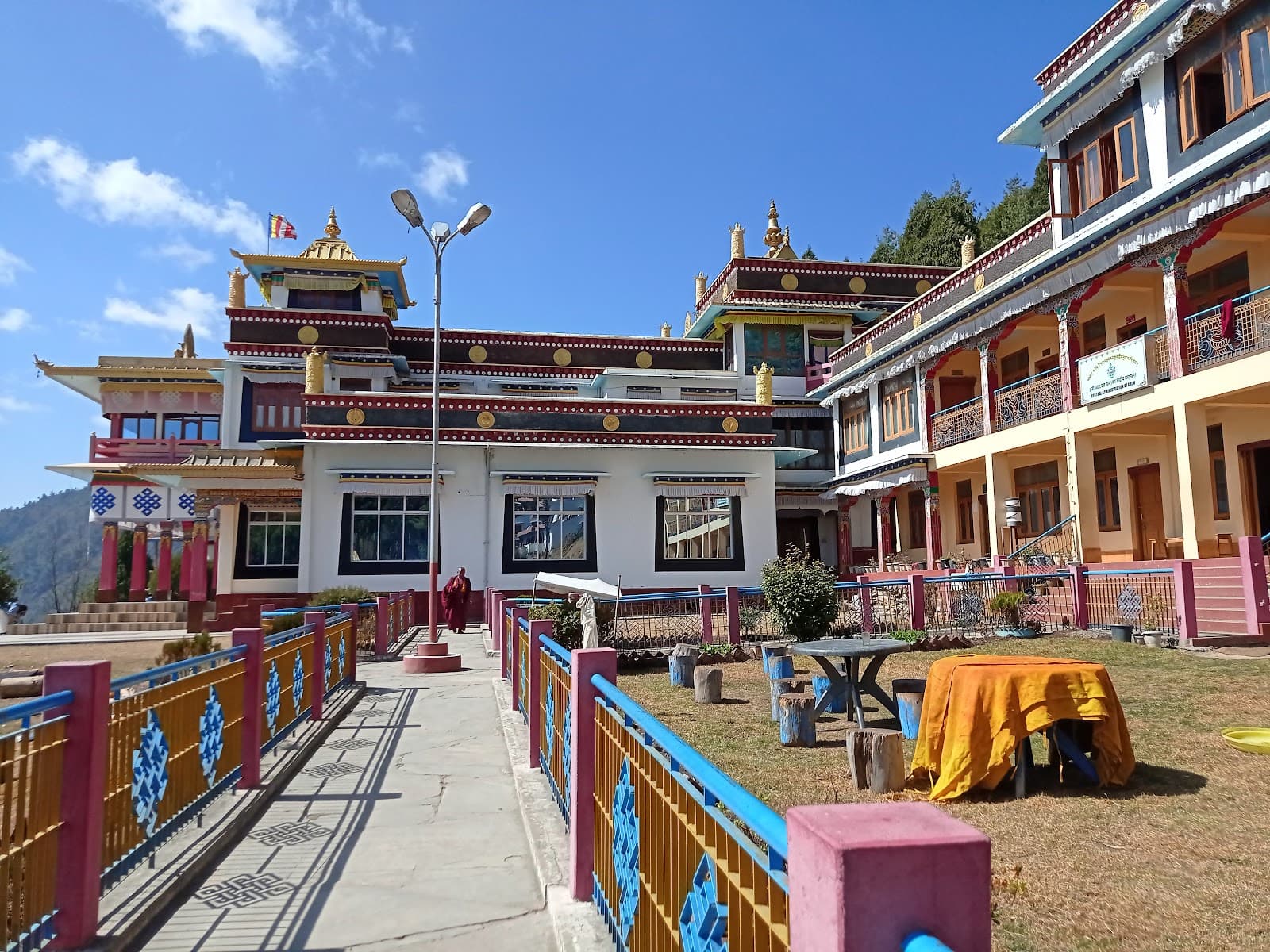
Bomdila Monastery Bomdila
Encircled by the majestic Himalayas, Bomdila Monastery, also known as Gentse Gaden Rabgyel Ling, provides a serene spiritual haven in Arunachal Pradesh ([1]). Consecrated in 1965 by the 14th Dalai Lama, Tenzin Gyatso, this monastery showcases Tibetan Buddhist monastic architecture, reminiscent of similar structures found in Tibet ([2][3]). Its vibrant colors and fortress-like sloping walls create a visually striking landmark, reflecting the region's cultural identity ([1]). Within the Dukhang (main prayer hall), elaborate carvings depicting Buddhist deities and intricate mandala patterns adorn the walls, reflecting artistic traditions ([3][4]). Sturdy wooden pillars support the ceiling, displaying the Gelugpa school's influence through prominent statues of Tsongkhapa ([5]). The monastery's design incorporates elements of traditional Tibetan architecture adapted to the Himalayan environment, echoing principles of spatial harmony found in ancient Indian texts like the Mayamata, which emphasizes the importance of site selection and orientation ([2]). Exploring the monastery complex unveils a museum that safeguards ancient scriptures, religious artifacts, and delicate thangkas (religious scrolls) ([3][4]). Preserved manuscripts, adorned with elegant Tibetan calligraphy, underscore the region's abundant literary heritage ([1][5]). From the rooftop, panoramic views of the Himalayas enhance the monastery's spiritual resonance, connecting visitors to the enduring power of faith (Shraddha) in this Himalayan sanctuary ([2]). While built in the 20th century, the monastery's design and layout resonate with the principles of Vastu Shastra, the ancient Indian science of architecture, emphasizing harmony between nature and built structures ([4][5]). The monastery stands as a testament to the enduring influence of Indian philosophical and architectural traditions in the Himalayan region.
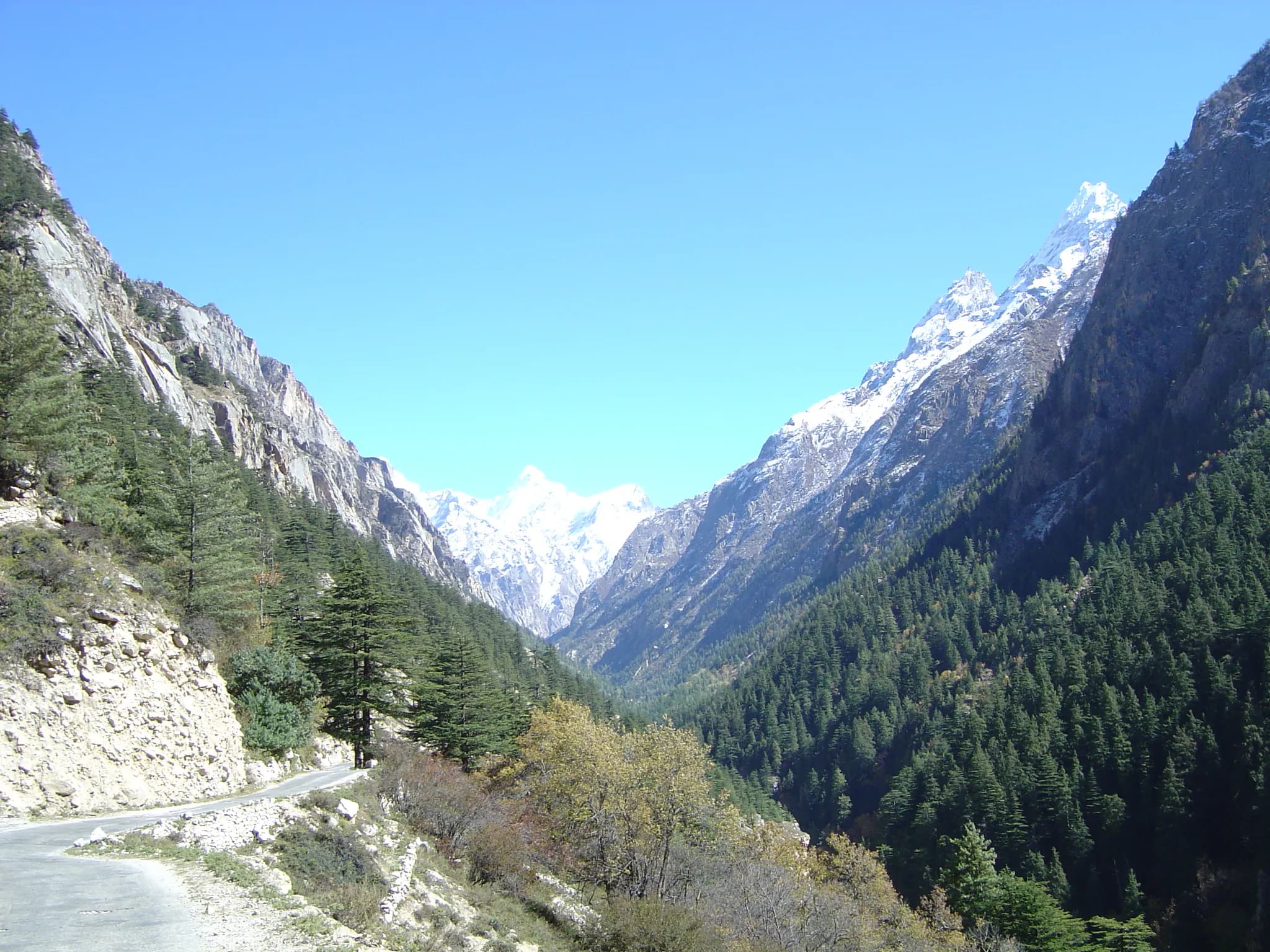
Gangotri Temple Uttarkashi
The glacial chill of the Bhagirathi River, roaring just a few meters away, seemed to permeate the very stones of the Gangotri Temple. Standing before this pristine white structure, nestled amidst the towering Himalayas, I felt a palpable shift from the Dravidian temple architecture I'm so accustomed to in Chennai. Here, the simplicity and almost austere elegance of the Gangotri Temple spoke a different architectural language, a testament to the resilience of faith in this harsh, yet breathtaking landscape. Built in the 18th century by the Gorkha General Amar Singh Thapa, the temple lacks the elaborate ornamentation and towering gopurams that characterize South Indian temples. Its two-story structure, constructed primarily of granite, is relatively small in scale, yet its presence is magnified by the sheer grandeur of its surroundings. The sloping roof, clad in sheets of copper, is a distinct feature, a practical adaptation to the heavy snowfall this region experiences. This contrasts sharply with the granite and sandstone vimanas of the south, designed to withstand torrential monsoons. Entering the sanctum sanctorum, I was struck by the reverence that permeated the air. The deity, Goddess Ganga, is depicted in a silver palanquin, a stark departure from the intricately carved stone idols I'm familiar with. The simplicity of the iconography, however, seemed to amplify the spiritual energy within the temple. The lack of elaborate carvings within the sanctum allowed the focus to remain solely on the goddess, fostering a sense of direct connection with the divine. Stepping back outside, I began to appreciate the subtle nuances of the temple's design. The lack of extensive sculptural programs, common in Dravidian architecture, allows the natural beauty of the surrounding landscape to become an integral part of the temple experience. The snow-capped peaks, the roaring river, and the crisp mountain air all contribute to a sense of awe and reverence. This integration of the natural world with the built environment is a hallmark of Himalayan temple architecture, a stark contrast to the often self-contained temple complexes of the south. I observed a few pilgrims performing parikrama around the temple. The circumambulatory path, unlike the wide prakarams of Southern temples, was a simple, paved walkway. This again highlighted the emphasis on functionality and adaptation to the environment. The temple's design prioritizes accessibility and practicality, reflecting the challenging terrain and weather conditions. The use of granite for the temple's construction is also noteworthy. While granite is used in South Indian temples, particularly for the base and pillars, the extensive use of this material at Gangotri speaks to its local availability and durability in this mountainous region. The gleaming white granite, set against the backdrop of the grey mountains and the turquoise river, creates a visually stunning contrast. One aspect that particularly intrigued me was the absence of a dedicated mandapam or pillared hall, a ubiquitous feature in South Indian temples. This absence, I believe, stems from the climatic conditions. A large open hall would be impractical in a region that experiences heavy snowfall. The temple's design, therefore, prioritizes enclosed spaces for warmth and protection from the elements. My visit to the Gangotri Temple was a profound experience, offering a fresh perspective on sacred architecture. It underscored the fact that architectural styles are not merely aesthetic choices but are deeply intertwined with the environment, the local culture, and the practical needs of the community. While the Dravidian temples of my homeland celebrate ornamentation and intricate detail, the Gangotri Temple, in its elegant simplicity, embodies a different kind of beauty, a beauty born of resilience, adaptation, and a deep reverence for the natural world. It stands as a testament to the enduring power of faith, expressed through architecture that harmonizes with its surroundings, creating a sacred space that resonates with the very soul of the Himalayas.
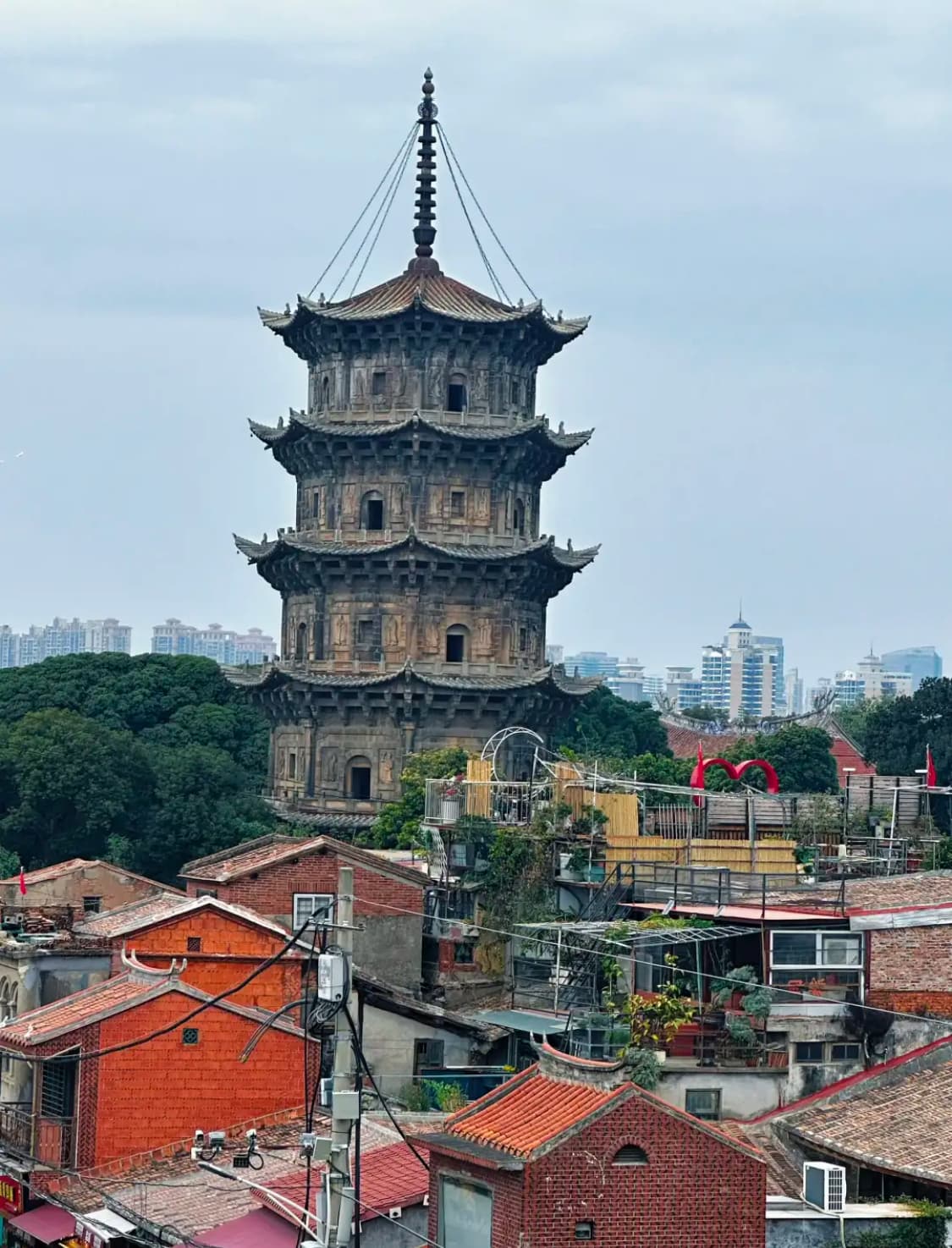
Kaiyuan Temple Quanzhou Fujian China
Kaiyuan Temple, dramatically situated in the historic city of Quanzhou in southeastern Fujian Province, represents one of the most extraordinary and archaeologically significant Buddhist temple complexes in China, dating from the 7th century CE and serving as a major center along the Maritime Silk Road that flourished as a cosmopolitan hub where Indian Hindu and Buddhist traditions, Chinese cultural influences, and Southeast Asian maritime cultures converged, creating a powerful testament to the profound transmission of Indian religious civilization to China during the medieval period. The site, featuring sophisticated Buddhist temple structures with the remarkable preservation of ancient Hindu stone columns that demonstrate clear connections to the architectural traditions of ancient India, particularly the sophisticated column design principles and decorative programs that were transmitted from the great temple centers of southern India, demonstrates the direct transmission of Indian architectural knowledge, religious iconography, and cultural concepts from the great centers of ancient India, particularly the sophisticated temple architecture traditions that were systematically transmitted to China through the extensive maritime trade networks that connected India with China, while the site's most remarkable feature is its extraordinary collection of ancient Hindu stone columns, originally from a Hindu temple that once stood on the site, featuring sophisticated carvings of Hindu deities, mythological scenes, and architectural elements that demonstrate remarkable parallels with Indian temple architecture traditions, particularly the structural techniques and decorative programs that were central to Indian temple architecture. The temple structures' architectural layout, with their sophisticated planning, central halls surrounded by subsidiary structures, and the integration of Hindu architectural elements into Buddhist temple design, follows planning principles that demonstrate remarkable parallels with Indian temple planning principles, particularly the structural techniques and decorative traditions that were central to Indian temple architecture, while the site's extensive archaeological remains including the Hindu stone columns, Buddhist sculptures, and architectural elements demonstrate the sophisticated synthesis of Indian Hindu and Buddhist iconography and cosmological concepts with local Chinese aesthetic sensibilities and building materials. Archaeological evidence reveals that the site served as a major center of religious activity and cultural exchange during the 7th through 13th centuries, attracting traders, monks, and pilgrims from across China, South Asia, and Southeast Asia, while the discovery of numerous artifacts including the Hindu stone columns with clear Indian stylistic influences, Buddhist sculptures that reflect Indian iconographic traditions, and architectural elements that reflect Indian architectural concepts provides crucial evidence of the site's role in the transmission of Indian religious traditions to China, demonstrating the sophisticated understanding of Indian temple architecture and religious practices possessed by the site's patrons and religious establishment. The site's association with the ancient city of Quanzhou, which flourished as a major trading port along the Maritime Silk Road with extensive connections to India and Southeast Asia, demonstrates the sophisticated understanding of Indian religious traditions that were transmitted to China, while the site's Hindu stone columns and Buddhist temple structures demonstrate remarkable parallels with Indian temple architecture traditions that were central to ancient Indian civilization. The site has been the subject of extensive archaeological research and conservation efforts, with ongoing work continuing to reveal new insights into the site's sophisticated architecture, religious practices, and its role in the transmission of Indian religious traditions to China, while the site's status as part of the Quanzhou UNESCO World Heritage Site demonstrates its significance as a major center for the transmission of Indian religious and cultural traditions to China. Today, Kaiyuan Temple stands as one of the most important religious sites in China, serving as a powerful testament to the transmission of Indian religious civilization to China, while ongoing archaeological research and conservation efforts continue to protect and study this extraordinary cultural treasure that demonstrates the profound impact of Indian civilization on Chinese religious and cultural development. ([1][2])
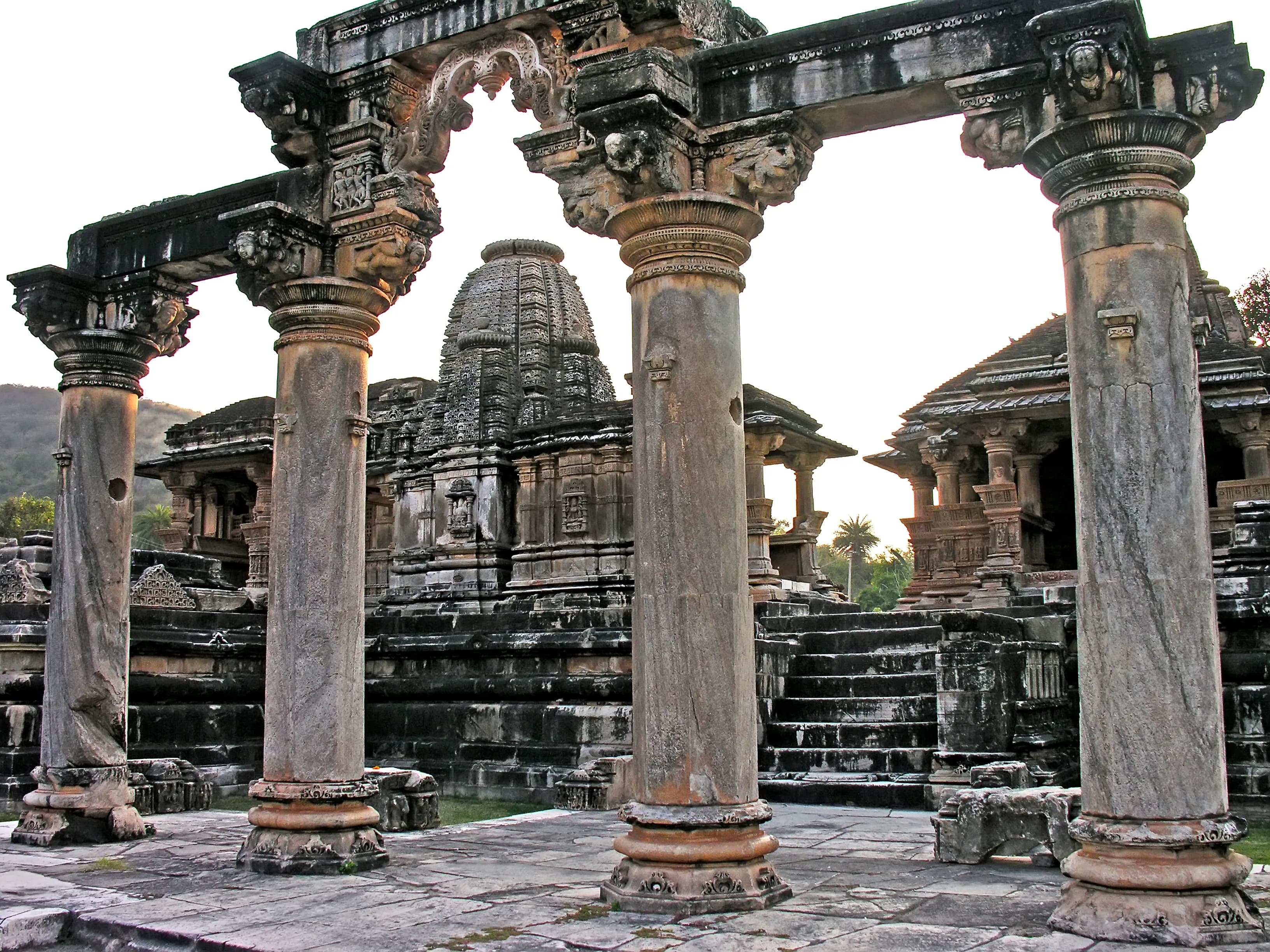
Eklingji Temple, Kailashpuri (Udaipur)
The Eklingji Temple, a revered Hindu temple complex dedicated to Lord Shiva, is situated in Kailashpuri village, Udaipur district, Rajasthan, India, embodying a continuous tradition of Indian civilization spanning millennia [5]. This site stands as a profound testament to India's enduring cultural legacy, with its origins tracing back to the 8th century CE, reflecting ancient indigenous architectural styles and spiritual practices [4] [5]. The complex is a magnificent example of traditional Indian temple architecture, primarily showcasing the Nagara style, characterized by its curvilinear shikhara (spire) and intricate carvings [3] . The main temple within the complex is double-storied, featuring a colossal pyramidal-style roof and a remarkably carved tower [3]. Constructed predominantly from marble and granite, the temple's exterior walls are adorned with intricate carvings and sculptures depicting Hindu mythological stories and deities [4] . The entrance to the main shrine is guarded by a silver image of Nandi, the sacred bull, with two additional Nandi carvings in brass and black stone found within the complex [3] [5]. The sanctum sanctorum (Garbha Griha) houses the principal deity, a striking four-faced idol of Lord Shiva, carved from black marble and approximately 50 feet in height [3] . Each face of the idol represents a different aspect of Shiva: the eastern face symbolizes Surya (the sun), the western face Lord Brahma, the northern face Lord Vishnu, and the southern face Rudra (a fierce form of Shiva) [1] [3] . A heightened Shivlinga at the center of these faces represents the core essence of Lord Shiva [1]. The Eklinga statue is further encircled by figures of Goddess Parvati, Lord Ganesha, and Lord Kartikeya [3]. The temple also features heavily ornate silver doors, which depict images of Lord Ganesha and Lord Kartikeya [5]. Between the sanctum and the sabha mandap (assembly hall), there is a silver enclosure, a later addition by Maharana Bhagwat Singh [1]. The temple complex is not merely a single structure but comprises 108 temples, each contributing to the site's rich architectural and spiritual tapestry . To the north of the main Eklingji temple, two tanks, Karz Kund and Tulsi Kund, are integral to the site's water management and ritualistic practices [3] [5]. The intricate carvings, particularly those influenced by the Kalinga style architecture and the pyramidal superstructure, necessitate ongoing, specialized conservation efforts [2]. While specific dimensions for all structures are not universally documented, the grandeur of the main temple's pyramidal roof and the 50-foot idol indicate significant scale and sophisticated engineering for its period [3]. The site is actively managed by a trust, ensuring its operational readiness and continued accessibility for devotees, with daily pujas performed by appointed priests, though the Maharana of Mewar traditionally holds the right to perform special worship [5]. The temple remains a vibrant center of spiritual devotion, attracting visitors who come to witness the morning and evening aartis and explore the surrounding shrines .
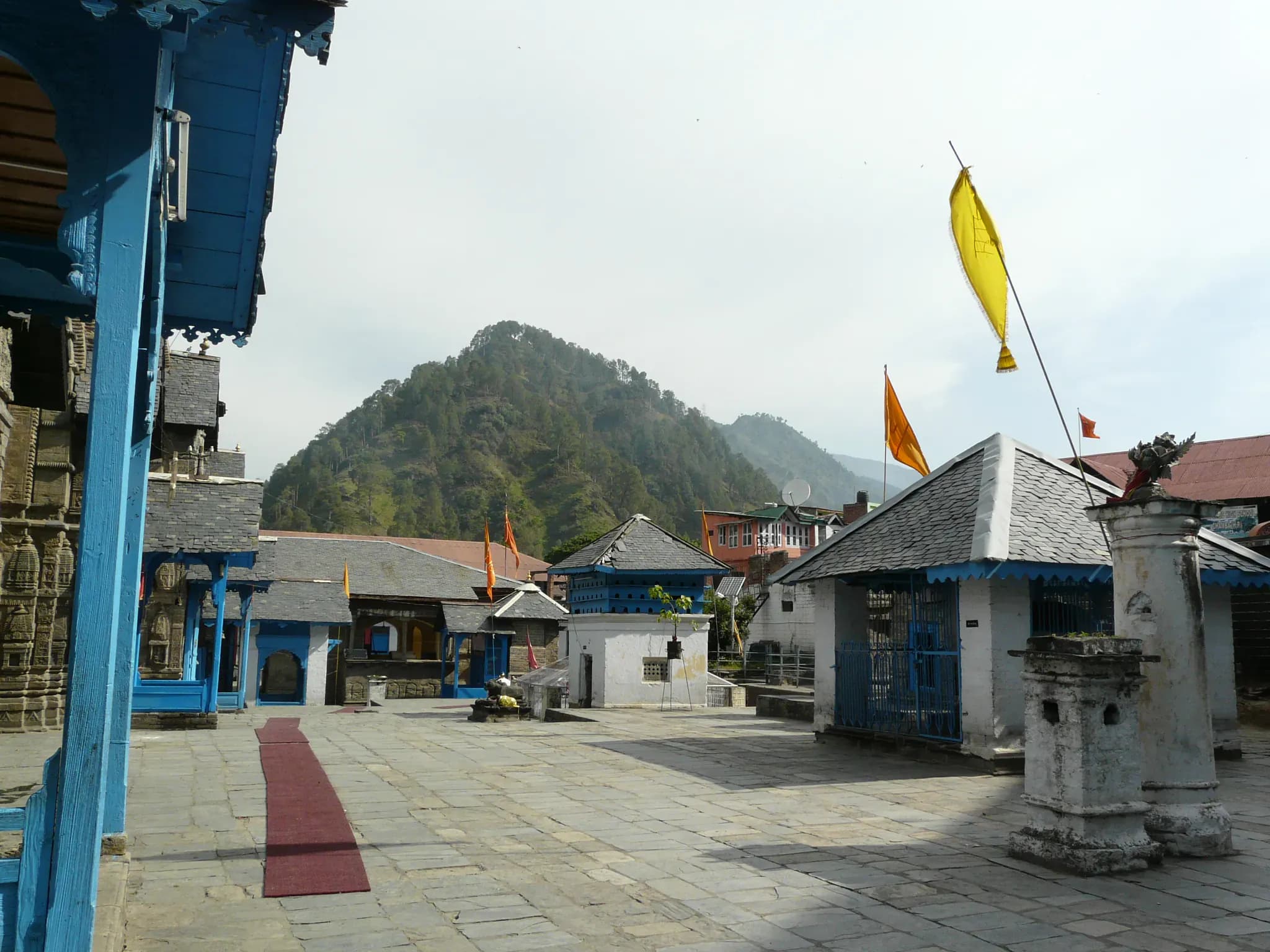
Lakshmi Narayan Temple Chamba
The crisp Himalayan air vibrated with the faint clang of temple bells as I stepped into the Lakshmi Narayan Temple complex in Chamba. Nestled against the dramatic backdrop of the Dhauladhar range, this cluster of intricately carved shrines, a testament to the artistic prowess of the Chamba rulers, felt both imposing and intimate. Having documented over 500 monuments across India, I’ve developed a keen eye for architectural nuances, and Chamba’s temple complex offered a feast for the senses. The first structure that captured my attention was the Lakshmi Narayan Temple, the oldest and largest within the complex. Built primarily of wood and stone in the Shikhara style, its towering conical roof, adorned with intricate carvings of deities and mythical creatures, reached towards the azure sky. The weathered wooden panels, darkened by time and the elements, spoke of centuries of devotion and whispered stories of bygone eras. I was particularly drawn to the ornate brass doorways, their intricate floral and geometric patterns gleaming in the afternoon sun. These weren't mere entrances; they were portals to a realm of spiritual significance. As I moved deeper into the complex, I encountered a series of smaller temples, each dedicated to a different deity within the Hindu pantheon. The Radha Krishna Temple, with its delicate carvings of Krishna playing the flute, exuded a sense of playful devotion. The Shiva Temple, its stone walls adorned with depictions of the fearsome yet benevolent deity, felt palpably different, radiating an aura of quiet power. The architectural styles varied subtly, showcasing the evolution of temple architecture in the region over several centuries. Some featured sloping slate roofs, a characteristic of the local vernacular, while others echoed the Shikhara style of the main temple, creating a harmonious blend of architectural influences. One aspect that truly captivated me was the intricate woodwork. The Chamba region is renowned for its skilled woodcarvers, and their artistry is on full display throughout the complex. From the elaborately carved pillars and beams to the delicate latticework screens, every surface seemed to tell a story. I spent hours photographing these details, trying to capture the essence of the craftsmanship and the devotion that inspired it. The wood, though aged, retained a warmth and richness that contrasted beautifully with the cool grey stone. Beyond the architectural marvels, the complex pulsed with a living spirituality. Devotees moved through the courtyards, offering prayers and performing rituals. The air was thick with the scent of incense and the murmur of chants, creating an atmosphere of profound reverence. I observed a group of women circumambulating the main temple, their faces etched with devotion, their colorful saris adding vibrant splashes of color against the muted tones of the stone and wood. These weren't mere tourists; they were active participants in a centuries-old tradition, their presence adding another layer of meaning to the already rich tapestry of the site. The Lakshmi Narayan Temple complex isn't just a collection of beautiful buildings; it’s a living testament to the enduring power of faith and the artistic brilliance of a bygone era. It's a place where history, spirituality, and architecture intertwine, creating an experience that resonates deep within the soul. As I packed my equipment, preparing to leave this haven of tranquility, I felt a sense of gratitude for having witnessed this remarkable confluence of art and devotion. The images I captured, I knew, would serve as a reminder of the rich cultural heritage of Chamba and the enduring spirit of India.
Quick Links
Plan Your Heritage Journey
Get personalized recommendations and detailed visitor guides