Has Inheritage Foundation supported you today?
Your contribution helps preserve India's ancient temples, languages, and cultural heritage. Every rupee makes a difference.
Secure payment • Instant 80G certificate
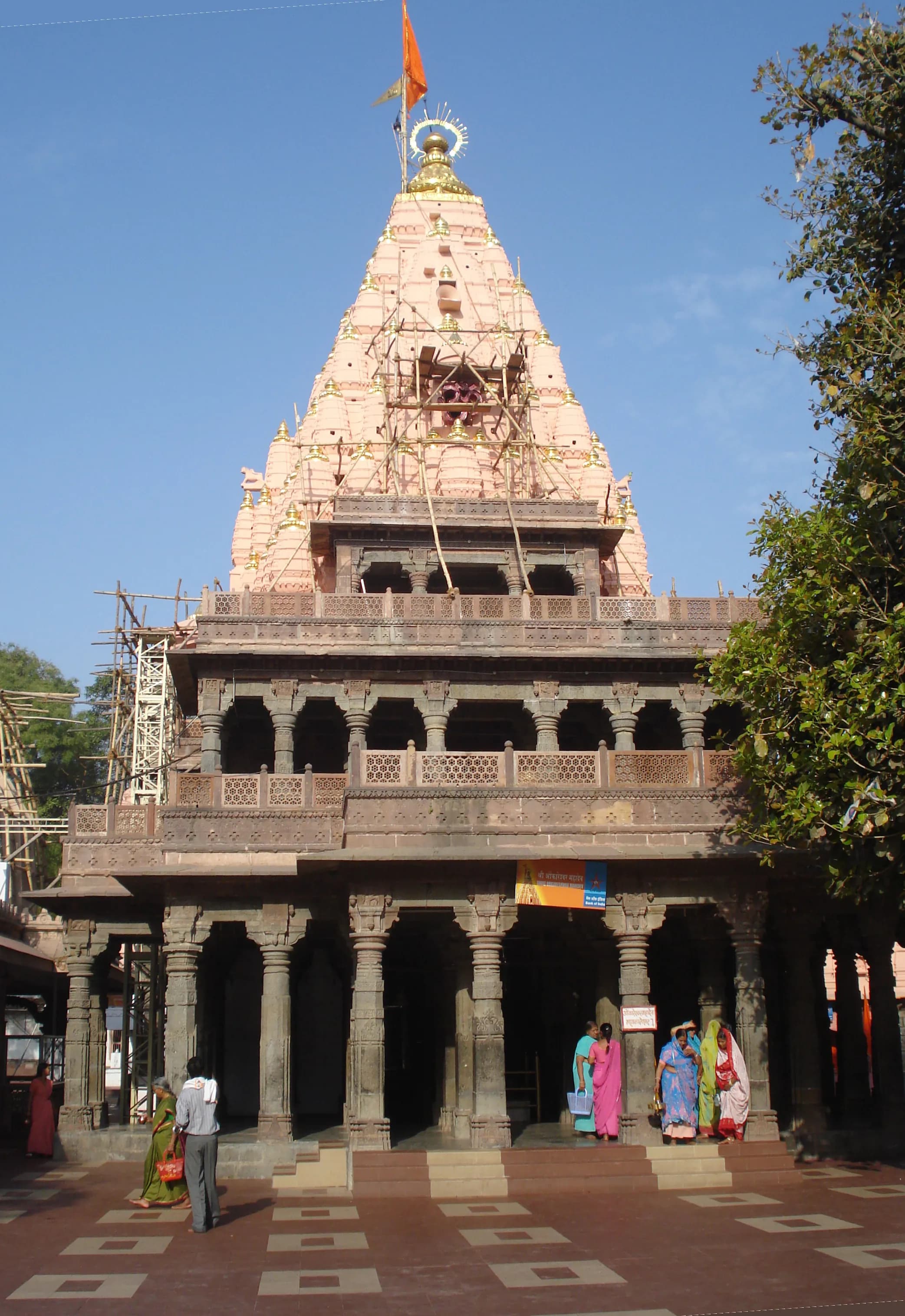
Mahakaleshwar Jyotirlinga Ujjain
The imposing silhouette of Mahakaleshwar Jyotirlinga dominates the Ujjain skyline, a beacon drawing pilgrims and architecture enthusiasts alike. My journey from the humid shores of Chennai to the heart of Madhya Pradesh was driven by a deep fascination with South Indian temple architecture, and a desire to witness the unique architectural confluence at this revered Jyotirlinga. The temple, dedicated to Lord Shiva, stands as a testament to the Paramara dynasty's architectural prowess, a style distinct yet echoing influences from across the Indian subcontinent. Stepping through the bustling marketplace leading to the temple, the air thick with incense and devotion, I felt a palpable shift in atmosphere. The towering gopuram, while not as elaborate as the Dravidian towers I'm accustomed to, commanded attention with its multi-tiered structure, adorned with sculptures depicting scenes from Hindu mythology. The use of sandstone, a departure from the granite prevalent in South Indian temples, lent the structure a warm, earthy hue. Entering the complex, the layout struck me as a blend of Northern and Southern architectural sensibilities. The temple follows a panchayatana plan, with four subsidiary shrines surrounding the main sanctum, a feature more commonly seen in North Indian temples. However, the intricate carvings on the pillars and walls, depicting deities and floral motifs, resonated with the detailed ornamentation characteristic of South Indian temple art. I noticed the prominent use of the 'kumbha' motif, a pot-shaped element signifying prosperity and abundance, a familiar sight in Dravidian architecture. The main sanctum, housing the revered lingam, exuded an aura of profound sanctity. The shikhara, the towering structure above the sanctum, while not as soaring as the vimana of South Indian temples, possessed a distinct elegance. Its curvilinear form, adorned with miniature shikharas and intricate carvings, showcased the Paramara style's unique aesthetic. The play of light and shadow within the sanctum, filtering through the latticed windows, added to the spiritual ambience. One of the most striking features of the Mahakaleshwar Jyotirlinga is the presence of the 'Bhasma Aarti,' a ritual unique to this temple. Witnessing the early morning ritual, where the lingam is anointed with sacred ash, was a powerful experience. The rhythmic chanting of the priests, the fragrance of incense, and the palpable devotion of the gathered devotees created an atmosphere charged with spiritual energy. Descending to the underground chamber, the 'Kotirudra Samhita,' I was struck by the cool, serene atmosphere. This subterranean space, adorned with intricately carved pillars and sculptures, served as a stark contrast to the bustling activity above. The presence of water channels, perhaps for ritualistic purposes, reminded me of similar features found in ancient South Indian temples, hinting at a potential exchange of architectural ideas across regions. Exploring the temple complex further, I observed the integration of later additions, particularly from the Maratha period. The influence of Maratha architecture was evident in the ornate gateways and pavilions, showcasing a harmonious blend of architectural styles. The use of brightly coloured paint on some of the structures, a departure from the more subdued palette of the original temple, added a vibrant dimension to the complex. My visit to the Mahakaleshwar Jyotirlinga was a journey of architectural discovery. It highlighted the fluidity of architectural styles across India, demonstrating how regional variations can coexist and influence each other. While the temple's architectural vocabulary differed from the Dravidian style I'm deeply familiar with, the underlying principles of sacred geometry, intricate ornamentation, and the creation of a spiritually charged space resonated deeply. The Mahakaleshwar Jyotirlinga stands not just as a testament to the Paramara dynasty's architectural legacy, but as a symbol of India's rich and diverse architectural heritage.
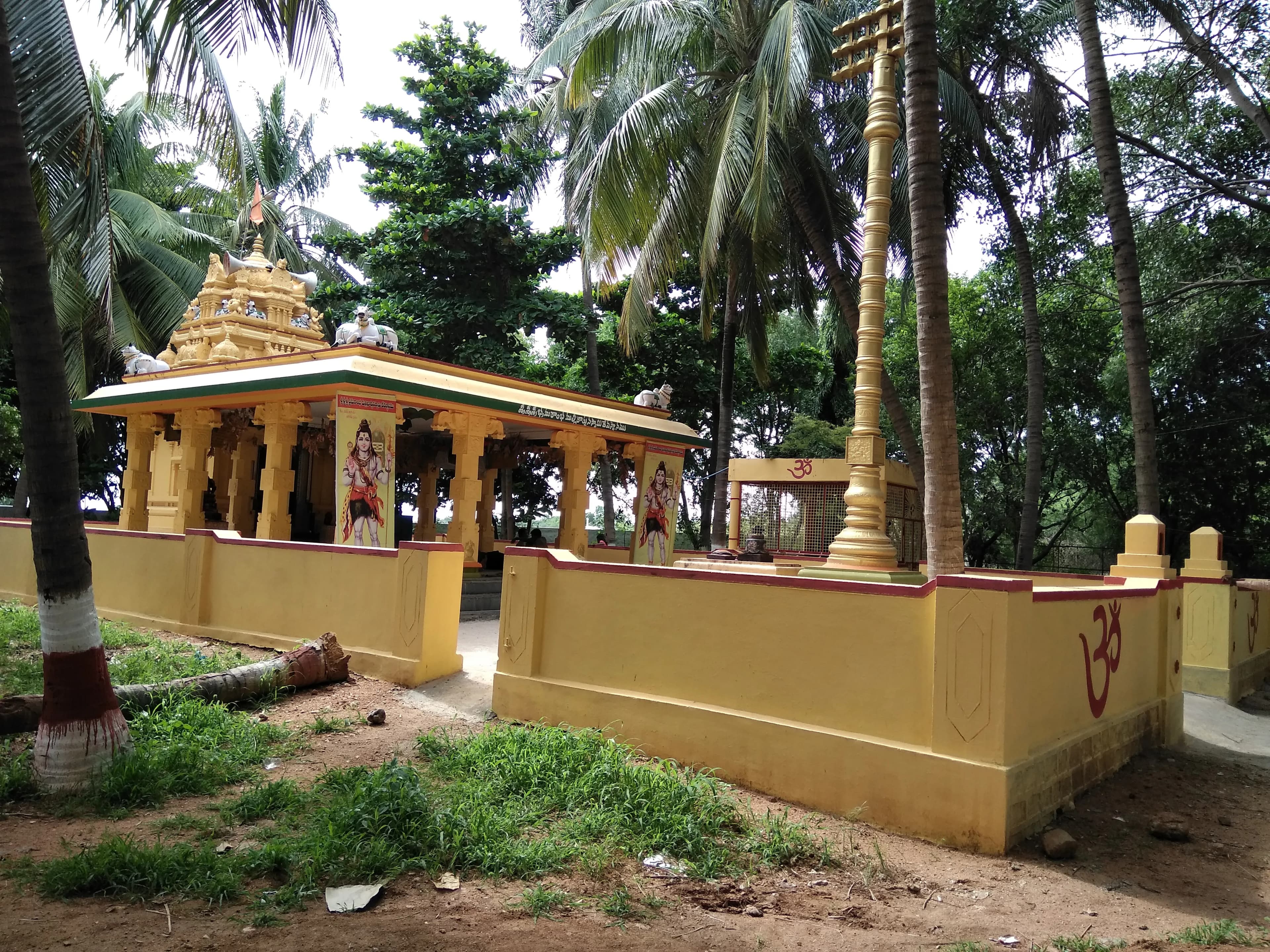
Mallikarjuna Swamy Temple Srisailam
The imposing gopuram of the Mallikarjuna Swamy Temple, a beacon of Dravidian architecture, pierced the brilliant Andhra Pradesh sky as I approached. Situated atop Srisailam hill, part of the Nallamala range, the temple complex unfolded before me like a tapestry woven with stone, history, and faith. The sheer scale of the structure, a sprawling labyrinth of courtyards, shrines, and pillared halls, was breathtaking. Having documented countless architectural marvels across Gujarat, I was prepared for grandeur, but Srisailam's energy was unique, a palpable hum of devotion that resonated through the very stones. My exploration began at the main entrance, dominated by the majestic Rajagopuram. Its intricate carvings, depicting scenes from Hindu mythology, held my gaze. Every inch of the gopuram, from the vibrant deities to the stylized floral motifs, spoke of the skill and dedication of the artisans who crafted it centuries ago. The Vijayanagara influence was evident in the robust construction and the elaborate ornamentation, a testament to the empire's patronage of the arts. I noted the distinct Dravidian features – the pyramidal shikhara, the towering gopurams, and the mandapas supported by intricately carved pillars. The stone, a warm, earthy hue, seemed to absorb and radiate the sun's heat, adding to the atmosphere of ancient power. Stepping into the Mukhamandapa, the main hall, I was enveloped by a forest of pillars. Each one was a masterpiece of sculpture, narrating stories through its carvings. Celestial beings, mythical creatures, and scenes from epics like the Ramayana and Mahabharata unfolded before my eyes. I spent a considerable amount of time examining the minute details – the expressive faces of the deities, the dynamic postures of the dancers, the intricate patterns of the foliage. The sheer artistry was overwhelming. The play of light and shadow within the mandapa added another layer of depth to the experience, highlighting the three-dimensional quality of the carvings. The inner sanctum, where the presiding deity, Lord Mallikarjuna (a form of Shiva), resides, was a place of palpable reverence. While photography wasn't permitted inside, the mental image I retained was vivid. The atmosphere was charged with spiritual energy, a stark contrast to the bustling activity of the outer courtyards. The air was thick with the scent of incense and the murmur of prayers. I observed the devotees, their faces etched with devotion, offering prayers and performing rituals passed down through generations. This tangible connection to the past, the unbroken thread of faith, was perhaps the most compelling aspect of my visit. Beyond the main shrine, the complex houses numerous smaller shrines dedicated to various deities. I was particularly drawn to the Sahasra Linga, a stone slab carved with a thousand miniature lingams, a testament to the devotion of the artisans. The Patalaganga, a sacred spring flowing from the bedrock, added a natural element to the predominantly stone landscape. The cool water, believed to possess healing properties, offered a refreshing respite from the Andhra heat. As I wandered through the complex, I noticed the intricate patterns of the stone flooring. Geometric designs, floral motifs, and even depictions of animals were meticulously carved into the stone. These details, often overlooked, spoke volumes about the attention to detail that characterized the temple's construction. Even the seemingly mundane elements were imbued with artistic significance. Leaving the Mallikarjuna Swamy Temple, I felt a sense of awe and gratitude. The experience was more than just a visual feast; it was a journey through time, a glimpse into the rich cultural and spiritual heritage of India. The temple stands as a testament to the enduring power of faith and the extraordinary artistic achievements of a bygone era. It’s a site I would urge any traveler, particularly those with an interest in architecture and history, to experience firsthand.
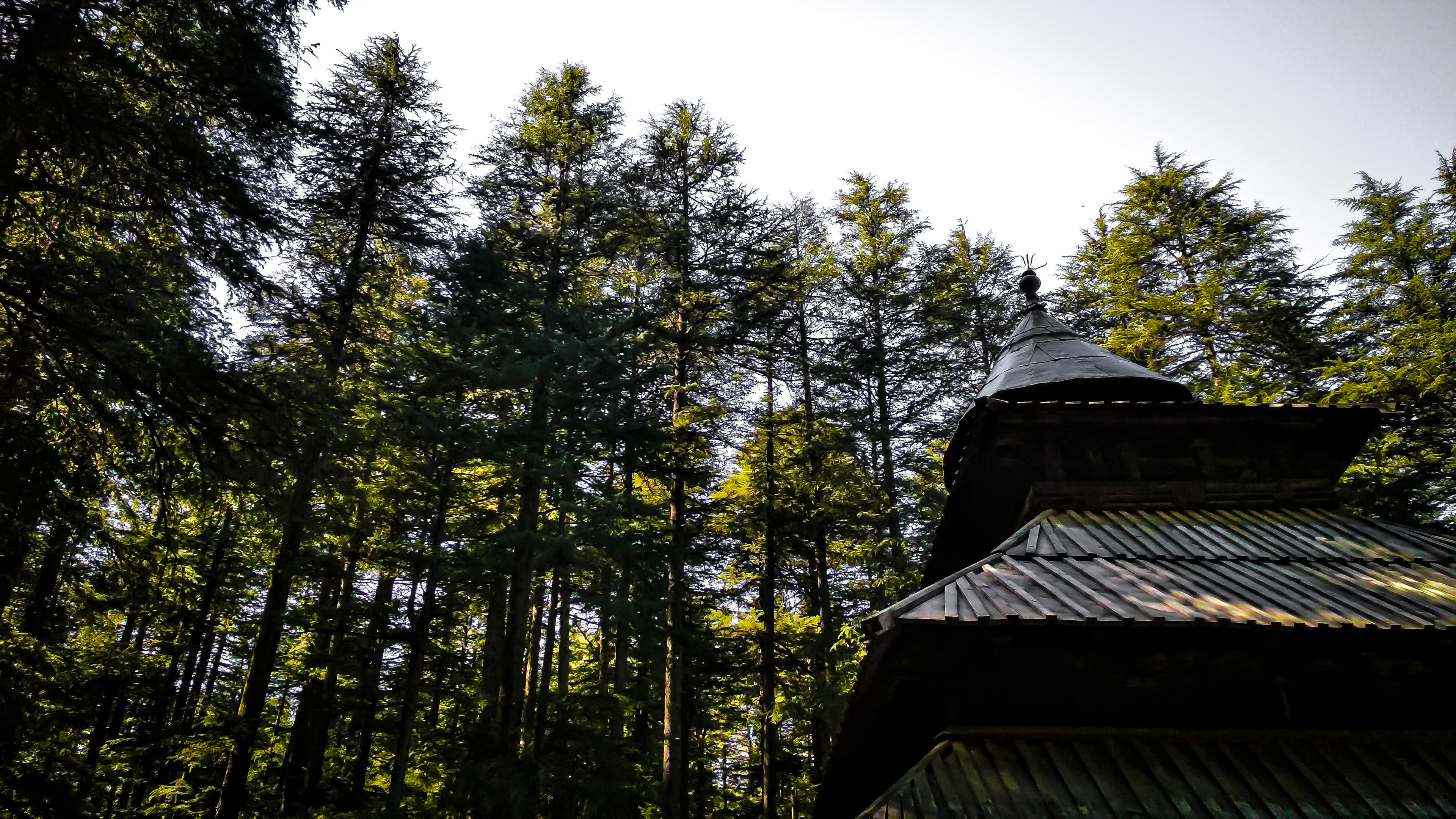
Hidimba Devi Temple Manali
The crisp mountain air of Manali carried the scent of pine as I approached the Hidimba Devi Temple, a structure that seemed to rise organically from the dense cedar forest surrounding it. Unlike the ornate stone temples I'm accustomed to in Gujarat, this one was strikingly different, a testament to the unique architectural traditions of the Himalayas. The four-tiered pagoda-style roof, crafted entirely of wood, commanded attention. Each tier, diminishing in size as it ascended, was covered with intricately carved wooden shingles, creating a textured, almost woven effect. The broad eaves, also wooden, projected outwards, offering a sense of shelter and echoing the protective embrace of the surrounding forest. Circling the temple, I observed the intricate carvings that adorned the wooden panels. Depictions of animals, deities, and floral motifs were etched with remarkable detail, narrating stories that I longed to decipher. The deep brown wood, darkened by time and weather, lent an air of ancient wisdom to these narratives. A particularly striking panel portrayed the goddess Durga riding a lion, a powerful image that resonated with the raw, untamed beauty of the landscape. These carvings, unlike the precise and polished stonework I’ve seen in Gujarat’s temples, possessed a rustic charm, a direct connection to the natural world. The foundation of the temple, constructed of stone, provided a sturdy base for the towering wooden structure. This marriage of stone and wood, a blend of the earthbound and the ethereal, felt deeply symbolic. The stone represented the enduring strength of the mountains, while the wood spoke to the transient nature of life, a constant cycle of growth and decay. This duality, so evident in the temple's architecture, seemed to reflect the very essence of the Himalayan landscape. Entering the small, dimly lit sanctum, I was struck by the absence of a traditional idol. Instead, a large rock, believed to be the imprint of the goddess Hidimba Devi, served as the focal point of worship. This reverence for a natural formation, rather than a sculpted image, further emphasized the temple's connection to the surrounding environment. The air within the sanctum was thick with the scent of incense and the murmur of prayers, creating an atmosphere of quiet contemplation. Outside, the temple grounds were alive with activity. Local vendors sold colorful trinkets and offerings, while families gathered to offer prayers and seek blessings. The vibrant energy of the present contrasted beautifully with the ancient stillness of the temple itself, creating a dynamic interplay between the past and the present. I observed a young girl carefully placing a flower at the base of a cedar tree, a simple act of devotion that spoke volumes about the deep-rooted reverence for nature in this region. As I descended the stone steps, leaving the temple behind, I couldn’t help but reflect on the profound impact of the experience. The Hidimba Devi Temple was more than just a structure; it was a living testament to the harmonious coexistence of human creativity and the natural world. It was a reminder that architecture can be a powerful expression of cultural identity, a tangible link to the past, and a source of inspiration for the future. The temple’s unique wooden architecture, its intricate carvings, and its reverence for nature offered a refreshing contrast to the architectural traditions I was familiar with, broadening my understanding of the diverse cultural landscape of India. The image of the towering wooden pagoda, nestled amidst the towering cedars, remained etched in my mind, a symbol of the enduring power of faith and the timeless beauty of the Himalayas.
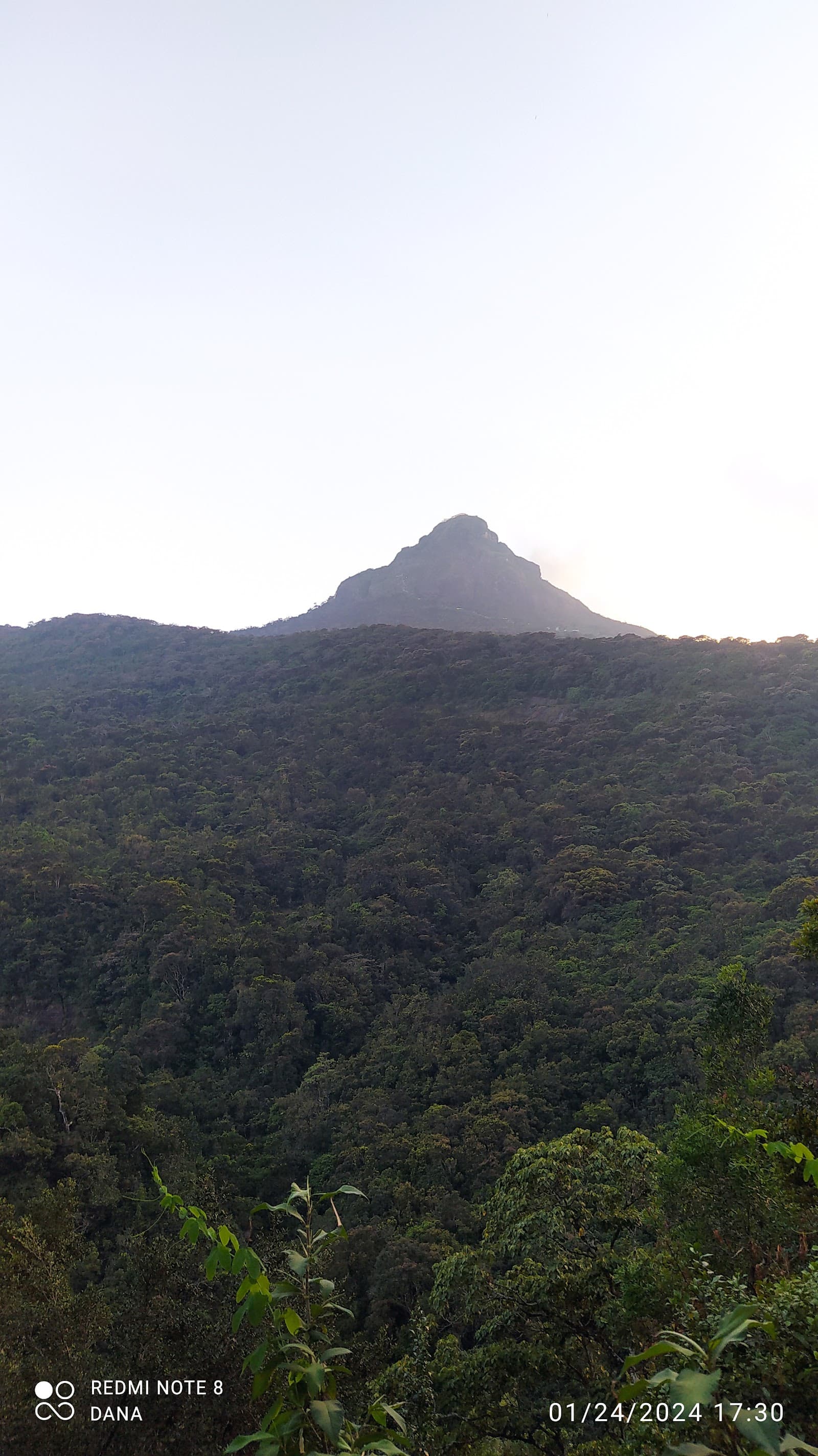
Adam's Peak Sri Pada Central Province Sri Lanka
Adam's Peak, known as Sri Pada, is a revered conical sacred mountain situated in the Central Province of Sri Lanka, standing at an elevation of 2,243 meters (7,359 feet) [2]. This site holds profound significance within India's millennia-spanning heritage, embodying a continuous tradition of spiritual veneration and cultural exchange that dates back thousands of years [3]. At its summit lies the Sri Pada, a natural rock formation measuring approximately 1.8 meters (5 feet 11 inches) in length, or specifically 67 inches (170 cm) long and 18 inches (46 cm) wide, which is revered as a sacred footprint [1] [2]. This impression is a focal point of multi-faith pilgrimage, believed by Buddhists to be the footprint of the Buddha, by Hindus as that of Shiva or Hanuman, by Muslims as Adam's, and by some Christians as St. Thomas's [3] [4]. The architectural elements at Adam's Peak primarily facilitate pilgrimage, with thousands of steps constructed from cement or rough stones forming the primary ascent routes from the base to the summit [2]. These pathways are illuminated during the pilgrimage season, ensuring accessibility and safety for devotees [2]. Near the summit, a temple structure encloses and protects the sacred footprint, featuring a handsome roof that shelters the venerated impression [2] [3]. While specific dimensions of the temple structure itself are not widely documented, its function is to provide a sacred enclosure for the footprint, reflecting traditional Indic temple architecture principles of enshrining a central deity or sacred object [3]. The mountain's geological composition is primarily gneiss rock, known for its richness in precious stones such as garnets, rubies, and sapphires, which historically contributed to the island's ancient name, Ratnadvipa ('Island of Gems') [1]. The surrounding Peak Wilderness Sanctuary, established in 1940, is a critical conservation zone, recognized as a UNESCO World Heritage Site in 2010 as part of the Central Highlands of Sri Lanka [1] [5]. This sanctuary is a biodiversity hotspot, home to endemic species and the source of three major Sri Lankan rivers [1] [5]. Current conservation efforts focus on managing the environmental impact of large pilgrim numbers, addressing issues such as waste accumulation and the offering of endangered endemic flowers like *ran dothalu* (Loxococcus rupicola) [4]. Archaeological investigations have clarified that certain recently discovered 'footprints' near the peak are modern carvings and lack historical archaeological value, emphasizing the importance of preserving the authentic ancient site [4]. The site remains actively programmed for pilgrimage, with rest stops and wayside shops providing refreshments during the six-month pilgrimage season, ensuring operational readiness and continuous spiritual engagement [2].
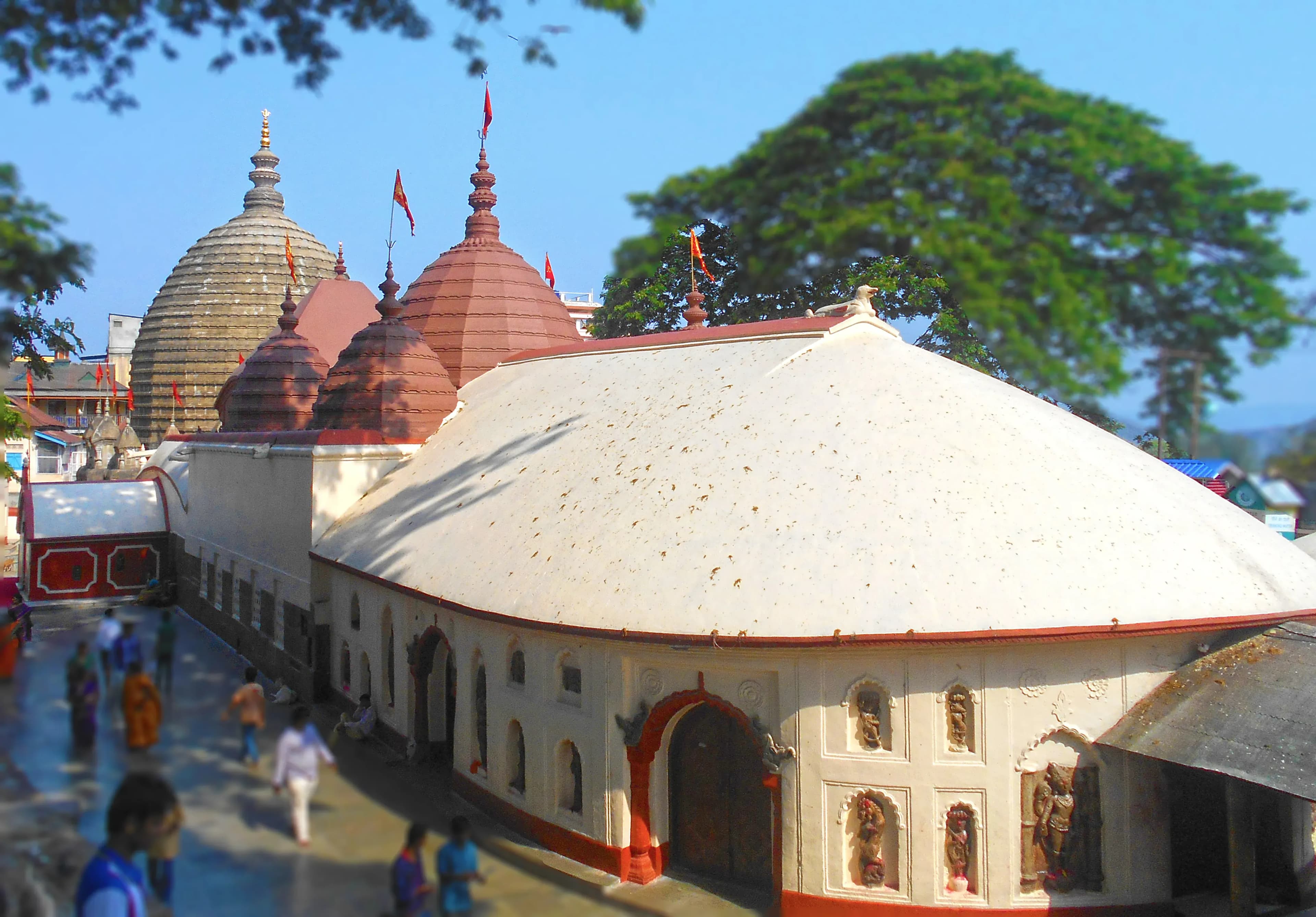
Kamakhya Temple Guwahati
The air hung thick and heavy, not just with the monsoon humidity of Guwahati, but with an almost palpable sense of ancient power. Climbing the steep steps to the Kamakhya Temple, carved into the Nilachal Hill, felt like ascending into a different realm altogether. This wasn’t just a temple; it was a living, breathing entity, pulsating with centuries of devotion and shrouded in an aura of mystique unlike anything I’ve encountered in Uttar Pradesh, despite its own rich tapestry of sacred sites. The temple complex itself is a labyrinthine structure, a blend of traditional Assamese architecture with influences from various periods. The primary shrine, dedicated to the goddess Kamakhya, is uniquely devoid of any idol. Instead, the object of veneration is a *yoni*, a natural rock fissure in the shape of a vulva, perpetually bathed by a spring. This powerful symbol of Shakti, the feminine divine principle, sets Kamakhya apart from most other Hindu temples and imbues the site with a raw, primal energy. The walls of the temple are adorned with intricate carvings depicting various deities and mythological scenes. I noticed a distinct stylistic difference from the temple sculptures I’m accustomed to in Uttar Pradesh. The figures here possess a certain dynamism, a fluidity of form that speaks to the influence of tantric traditions. The vibrant colours, though faded in places by time and weather, still hinted at the rich artistic heritage of the region. The atmosphere within the temple was charged with devotion. Devotees from all walks of life, not just from Assam but from across India and even beyond, thronged the courtyard, their faces etched with reverence. The air was thick with the scent of incense and flowers, and the rhythmic chanting of mantras created a hypnotic backdrop. Witnessing the fervent prayers and rituals, I felt a deep sense of connection to something larger than myself, a shared human yearning for the divine. One of the most striking aspects of Kamakhya is its embrace of the natural world. The temple is nestled amidst lush greenery, with trees and plants forming an integral part of the sacred landscape. This reverence for nature, so deeply ingrained in the local culture, resonated deeply with me. It reminded me of the ancient groves and sacred trees that dot the landscape of Uttar Pradesh, echoing a shared past where nature and divinity were inextricably linked. As I explored the various shrines within the complex, each dedicated to a different manifestation of the goddess, I couldn't help but reflect on the syncretic nature of Hinduism. Kamakhya, with its unique blend of tantric practices, folk beliefs, and mainstream Hindu traditions, stands as a testament to the religion's remarkable ability to absorb and integrate diverse influences. It’s a far cry from the more orthodox forms of Hinduism prevalent in parts of Uttar Pradesh, highlighting the fascinating regional variations within the broader faith. The Ambubachi Mela, an annual festival celebrating the goddess's menstrual cycle, is a particularly significant event at Kamakhya. Though I wasn't fortunate enough to witness it firsthand, the stories I heard from locals painted a vivid picture of the sheer scale and intensity of the celebrations. The temple doors are closed for three days, symbolizing the goddess's period of seclusion, and reopen to a massive influx of devotees eager to receive her blessings. This open acknowledgement of menstruation, a subject often treated with taboo in many parts of India, struck me as a powerful statement of female empowerment. Leaving Kamakhya Temple, I carried with me a profound sense of awe and wonder. It was more than just a pilgrimage site; it was a portal to a different world, a place where ancient traditions and beliefs continue to thrive. The experience offered me a fresh perspective on the multifaceted nature of Indian spirituality and deepened my appreciation for the rich cultural tapestry of the Northeast, a region that deserves far more attention and exploration than it often receives.
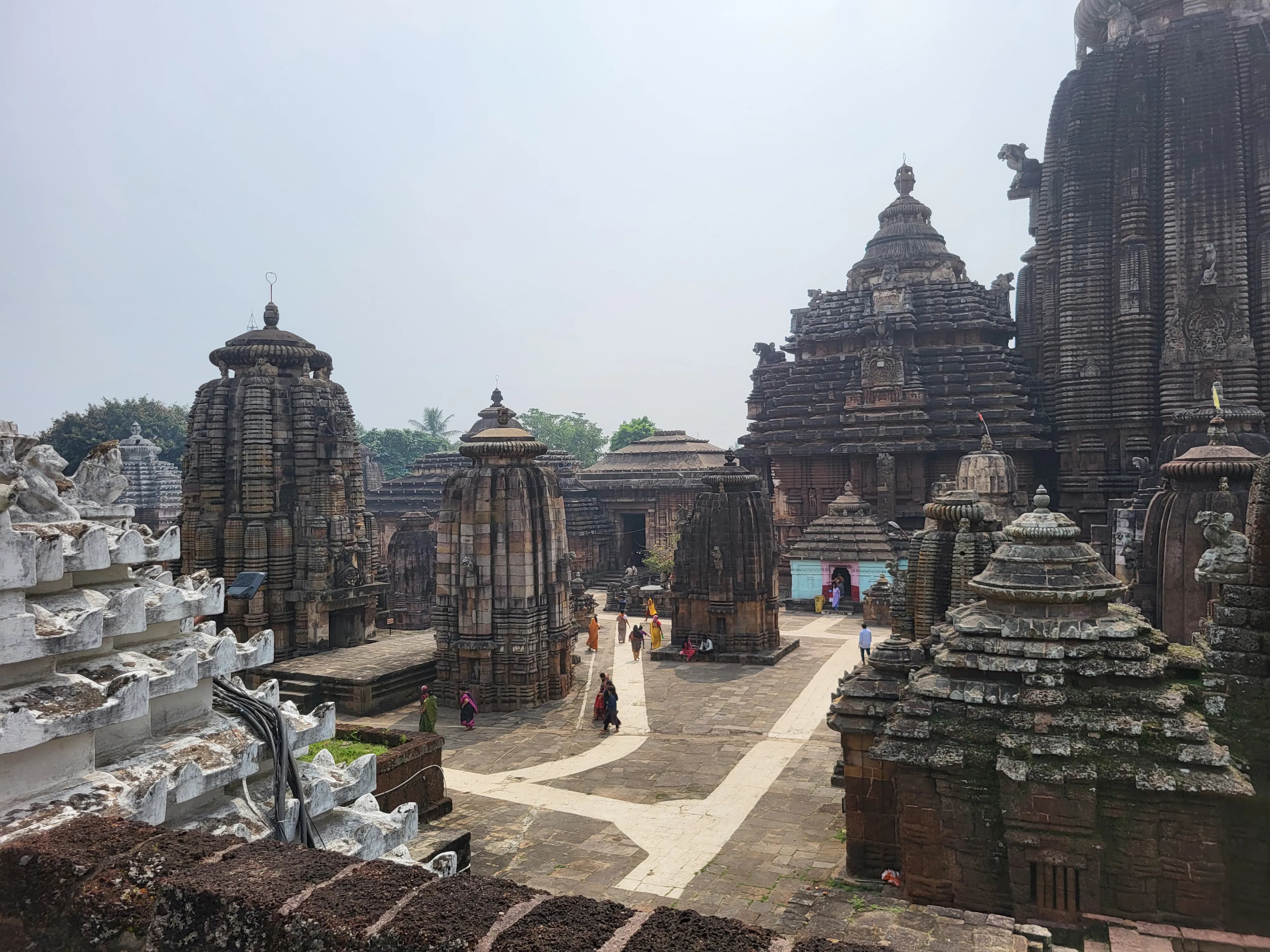
Lingaraj Temple Bhubaneswar
The sun beat down on my neck, the Odisha heat a stark contrast to the Delhi winters I was accustomed to. But the discomfort melted away as I stood before the Lingaraj Temple in Bhubaneswar, a monument that whispered tales of a thousand years. Having explored countless temples across North India, I thought I had a grasp on the nuances of Kalinga architecture, but Lingaraj proved to be in a league of its own. The sheer scale of the complex, enclosed within a high compound wall, was the first thing that struck me. The main temple, dedicated to Harihara, a combined form of Shiva and Vishnu, soared upwards, its deul (tower) a masterpiece of intricate carvings. Unlike the sandstone and marble I was familiar with in the north, this temple was constructed of laterite, a locally available reddish-brown stone, which lent it a unique earthy hue. The deul, reaching a height of 55 meters, was covered in a dense tapestry of sculptures – deities, mythical creatures, and intricate floral patterns, each vying for attention. I spent hours circumambulating the temple, my gaze constantly drawn upwards. The vertical lines of the deul, punctuated by horizontal bands of carvings, created a powerful sense of upward movement, as if the entire structure was striving to reach the heavens. The jagamohan (assembly hall) and natamandir (dance hall), though smaller than the main deul, were equally impressive, their surfaces adorned with elaborate friezes depicting scenes from Hindu mythology. One of the most striking features of the temple was the sheer number of subsidiary shrines scattered within the complex. Each shrine, though smaller in scale, echoed the architectural style of the main temple, creating a sense of harmonious unity. I noticed that many of these shrines were dedicated to various forms of Shakti, the divine feminine, highlighting the importance of goddess worship in this region. As I moved closer to the main entrance, the air grew thick with the scent of incense and the murmur of chanting. Though non-Hindus are not allowed inside the sanctum sanctorum, I could feel the palpable sense of devotion emanating from within. I observed the devotees, their faces etched with reverence, offering flowers and coconuts to the deity. It was a powerful reminder of the living faith that animates these ancient stones. The intricate carvings on the temple walls deserved closer inspection. I noticed a recurring motif of the naga, the serpent deity, often depicted with multiple heads and coiled around various deities. The presence of the naga, a symbol of fertility and protection, underscored the temple's connection to the natural world. I also observed depictions of erotic sculptures, a common feature of Kalinga temples, which are believed to represent the cycle of creation and regeneration. The experience of visiting Lingaraj was not just about admiring the architecture; it was about immersing myself in the cultural tapestry of Odisha. The temple, with its rich history and vibrant present, served as a window into the religious and artistic traditions of this fascinating region. It was a humbling reminder of the enduring power of faith and the remarkable artistry of our ancestors. As I left the temple complex, the setting sun casting long shadows across the laterite walls, I felt a deep sense of gratitude for having witnessed this architectural marvel. Lingaraj was not just a temple; it was a testament to the enduring spirit of India.
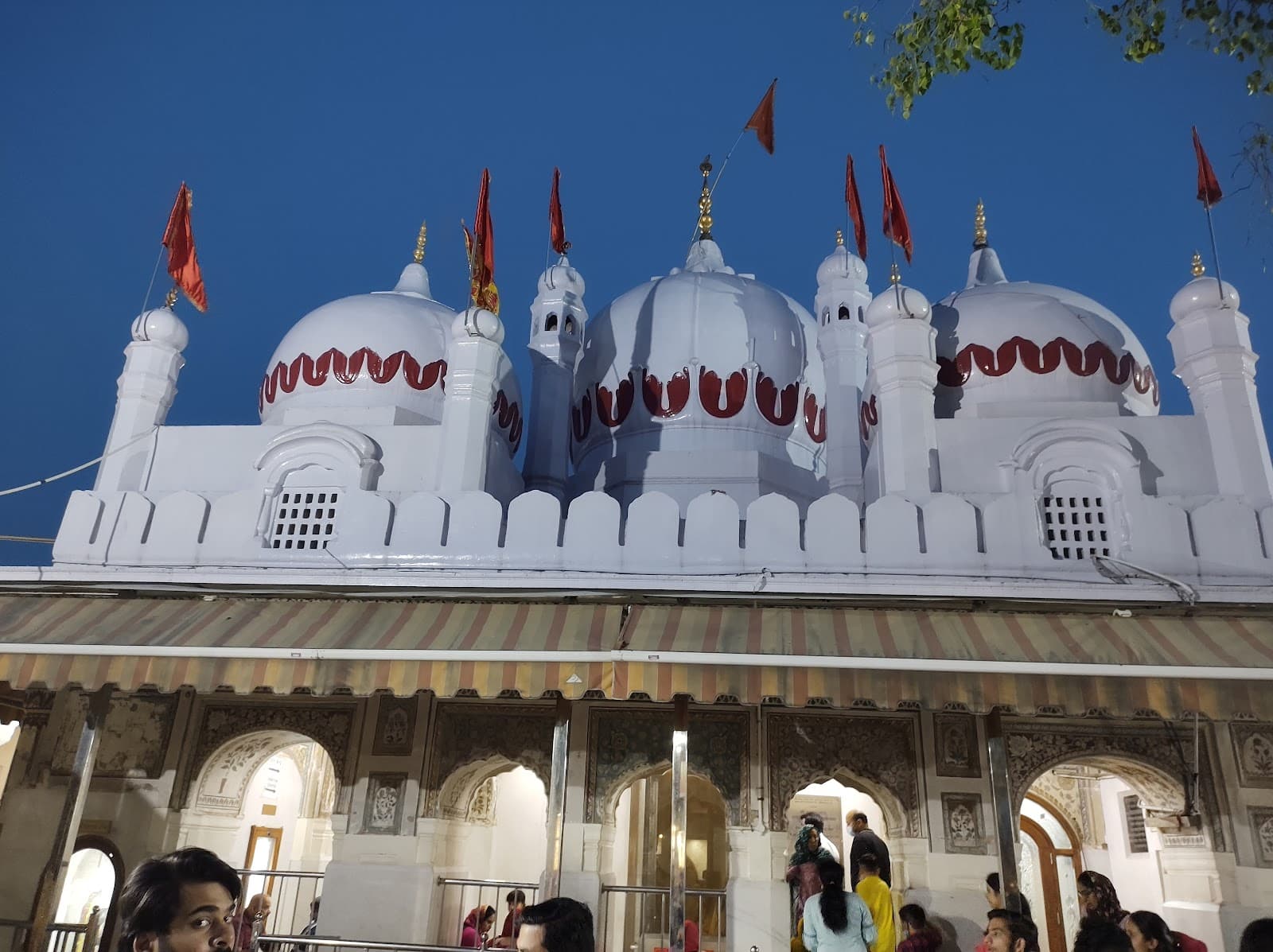
Mata Mansa Devi Mandir Panchkula
The cable car ascent to Mata Mansa Devi Mandir offered a breathtaking panorama of the Shivalik foothills. The sprawling complex, nestled amidst verdant slopes in Panchkula, Haryana, unfolded below, a tapestry of ochre and saffron against the green. Even from afar, the vibrant energy of the place was palpable, a hum of devotion that resonated across the landscape. Stepping off the cable car, I was immediately immersed in a sea of humanity. Pilgrims from all walks of life thronged the courtyard, their faces etched with a mixture of hope and reverence. The air was thick with the scent of incense and marigolds, punctuated by the rhythmic clang of temple bells. My camera, a constant companion, felt almost inadequate to capture the sheer scale of the scene, the raw emotion that hung heavy in the air. The main temple, dedicated to Mata Mansa Devi, an incarnation of Shakti, is a study in North Indian temple architecture. The shikhara, the towering curvilinear spire, dominates the skyline, its surface intricately carved with depictions of deities and celestial beings. The vibrant hues of saffron and red, traditionally associated with Shakti, lend the temple a powerful, almost regal presence. I spent a considerable amount of time documenting the intricate carvings, noticing the subtle variations in style and the remarkable preservation despite the passage of time. The stone, worn smooth in places by the touch of countless devotees, seemed to whisper stories of centuries of faith. Inside the temple, the atmosphere was electric. Devotees pressed forward, eager to offer their prayers and receive the blessings of the goddess. The walls were adorned with vibrant murals depicting scenes from Hindu mythology, adding another layer of visual richness to the space. The low, chanting prayers created a hypnotic backdrop, a rhythmic pulse that seemed to synchronize with the beating of my own heart. While photography was restricted within the sanctum sanctorum, I managed to capture the essence of the devotion, the quiet moments of reflection on the faces of the pilgrims. Beyond the main temple, the complex sprawls across the hillside, encompassing smaller shrines, shaded courtyards, and even a small museum. I was particularly drawn to the ancient peepal tree, its branches laden with sacred threads tied by devotees as symbols of their wishes and prayers. The tree, a silent witness to generations of faith, exuded a palpable sense of tranquility. Its gnarled roots, exposed in places, seemed to grip the earth with an almost primal force. One aspect that struck me was the seamless blend of the old and the new. While the temple itself is steeped in history, the complex also incorporates modern amenities like the cable car and well-maintained facilities for pilgrims. This delicate balance between preserving heritage and catering to contemporary needs is commendable. As the sun began to dip below the horizon, casting long shadows across the hillside, I found myself drawn back to the main courtyard. The evening aarti, a Hindu ritual of worship, was about to commence. The air crackled with anticipation as the priests prepared the offerings. The chanting intensified, accompanied by the rhythmic beat of drums and the melodic strains of devotional songs. The flickering flames of the lamps illuminated the faces of the devotees, creating a mesmerizing tableau of faith and devotion. Leaving Mata Mansa Devi Mandir, I felt a profound sense of peace and connection. The experience transcended mere documentation; it was a journey into the heart of faith, a testament to the enduring power of belief. The images I captured, I knew, were more than just photographs; they were fragments of a living, breathing tradition, a glimpse into the spiritual tapestry of India.
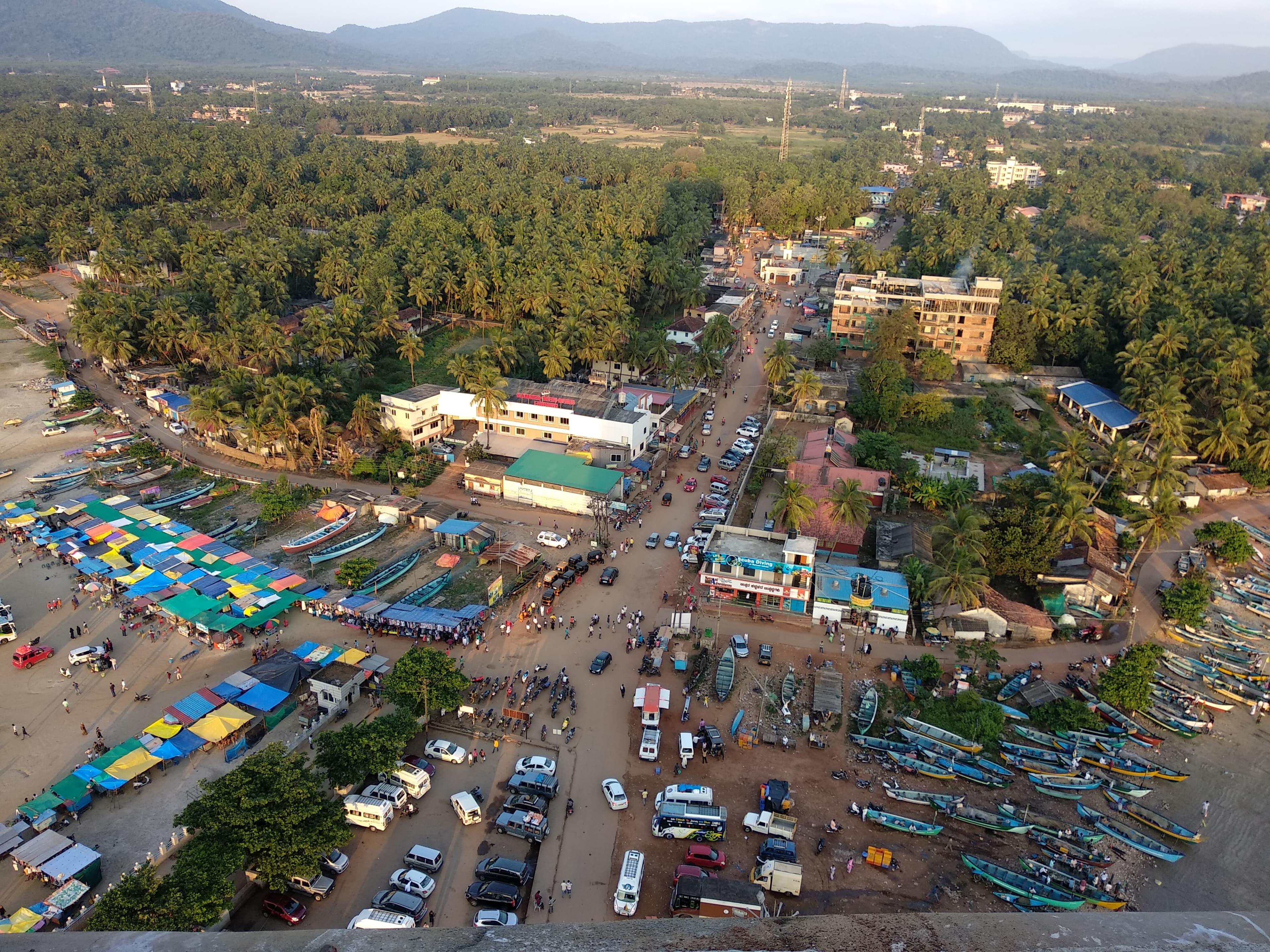
Murudeshwar Temple Murudeshwar
The colossal Shiva statue at Murudeshwar dominates the landscape long before you even reach the temple complex. Emerging from the coastal haze, it’s a breathtaking sight, a beacon drawing you closer to this unique UNESCO site nestled on the Kanduka Hill. As someone who has visited every UNESCO site in India, I can confidently say that Murudeshwar holds a special place, a vibrant blend of devotion, mythology, and stunning coastal beauty. The sheer scale of the statue is awe-inspiring. Standing at 123 feet tall, it’s the second tallest Shiva statue in the world, a modern marvel gazing out at the Arabian Sea. Its gleaming gold surface catches the sunlight, creating an ethereal glow that changes throughout the day. Climbing the steps within the statue's pedestal offers panoramic views of the coastline, the sprawling temple complex below, and the endless expanse of the ocean. The roar of the waves crashing against the rocks below adds a dramatic soundtrack to the experience. The temple complex itself is a fascinating blend of ancient and modern architecture. The main temple dedicated to Lord Shiva is relatively small compared to the towering statue, but it exudes a quiet serenity. Intricate carvings adorn the walls, depicting scenes from Hindu mythology, particularly stories related to the Atmalinga and Ravana, as this site is believed to be one of the places where Ravana attempted to bring the Atmalinga to Lanka. The vibrant colours used in the gopuram, the ornate gateway tower, are striking against the backdrop of the blue sky and the sea. One of the aspects I found particularly captivating was the Raja Gopura, a 20-storied tower offering a bird's-eye view of the entire complex and the surrounding area. A lift takes you to the top, where you're greeted with a 360-degree panorama. From this vantage point, the intricate layout of the temple complex becomes clear, and the strategic positioning of the statue, overlooking the sea, takes on a new significance. It's a truly breathtaking experience, especially during sunset when the sky explodes with colour. Beyond the main temple and the statue, the complex houses several smaller shrines dedicated to various deities. I spent some time exploring these, observing the rituals and the quiet devotion of the pilgrims. The air is thick with the scent of incense and the sound of chanting, creating a palpable sense of spirituality. The constant flow of devotees, from all walks of life, adds to the vibrant atmosphere. What sets Murudeshwar apart from other temple complexes in India is its unique coastal setting. The crashing waves, the salty air, and the vastness of the ocean create a dramatic backdrop for the temple, adding a layer of grandeur and mystique. The beach adjacent to the temple is a popular spot for pilgrims and tourists alike, offering a chance to relax and soak in the atmosphere after exploring the complex. My visit to Murudeshwar was more than just a sightseeing trip; it was an immersive experience. It was a journey into mythology, a testament to architectural ingenuity, and a reminder of the powerful connection between faith and nature. The sheer scale of the Shiva statue is undoubtedly impressive, but it's the overall atmosphere, the blend of ancient traditions and modern marvels, the stunning coastal setting, that truly makes Murudeshwar a must-visit UNESCO site in India. It’s a place where spirituality meets the sea, leaving a lasting impression on every visitor.
Battala Mahadev Temple Agartala
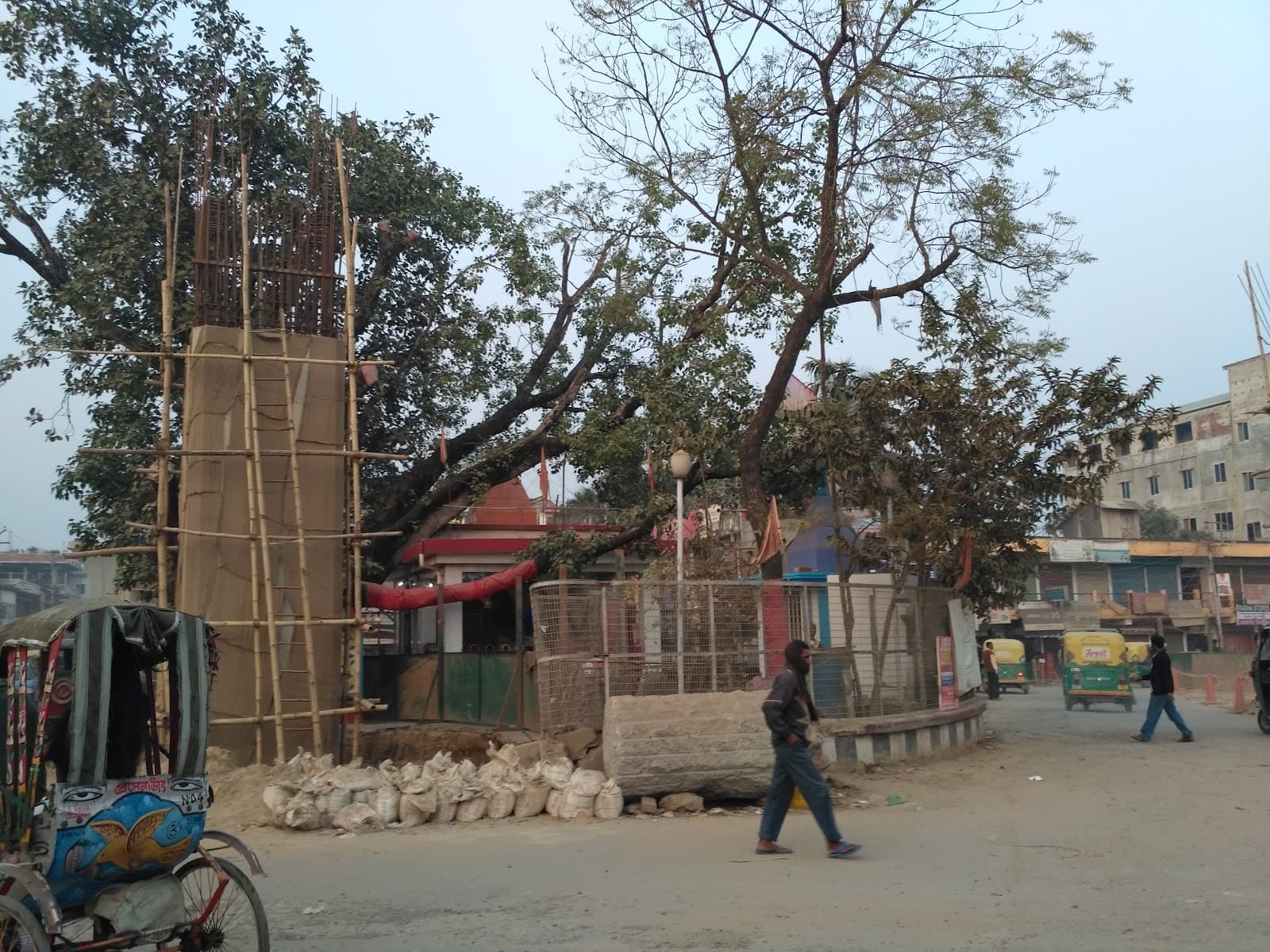
Nestled in the heart of Tripura, the Battala Mahadev Temple, a revered shrine dedicated to Lord Shiva, was erected around 1681 CE under the patronage of Maharaja Krishna Manikya ([1][2]). This 17th-century temple, a testament to the Manikya dynasty's devotion, showcases a captivating fusion of Nagara and Bengali architectural traditions ([3]). Its presence enriches Agartala's cultural tapestry, drawing devotees and architecture enthusiasts alike. During the Ahom period, temple architecture in India experienced a flourishing of regional adaptations, and this temple exemplifies such unique synthesis ([4]). The curvilinear tower, echoing the chala style of Bengal, adds a distinctive character to the temple's silhouette, illustrating the cross-pollination of architectural ideas ([3]). The temple's design subtly integrates regional aesthetics within the broader Hindu architectural framework. Stone platforms and foundations demonstrate the enduring construction techniques employed in building the Battala Mahadev Temple ([1][5]). The structure primarily utilizes locally sourced materials such as stone, bricks, terracotta, and wood, reflecting the region's architectural identity ([1][5]). The exterior, finished with whitewash, presents a serene and austere facade, a contrast to the vibrant ornamentation often seen in other Indian temples ([2]). Within the Garbhagriha (Sanctum), the Shiva lingam serves as the central focus of worship, inviting devotees into a space of spiritual communion ([3]). The temple stands as an embodiment of Tripura's rich cultural and religious heritage, offering a tranquil space for reflection and devotion ([4][5]). The patronage of the Manikya dynasty underscores the temple's historical significance, solidifying its place as a notable landmark in Agartala ([1][2][3]). The temple stands as a reminder of the architectural and artistic achievements of the era.
Mata Lal Devi Mandir Amritsar
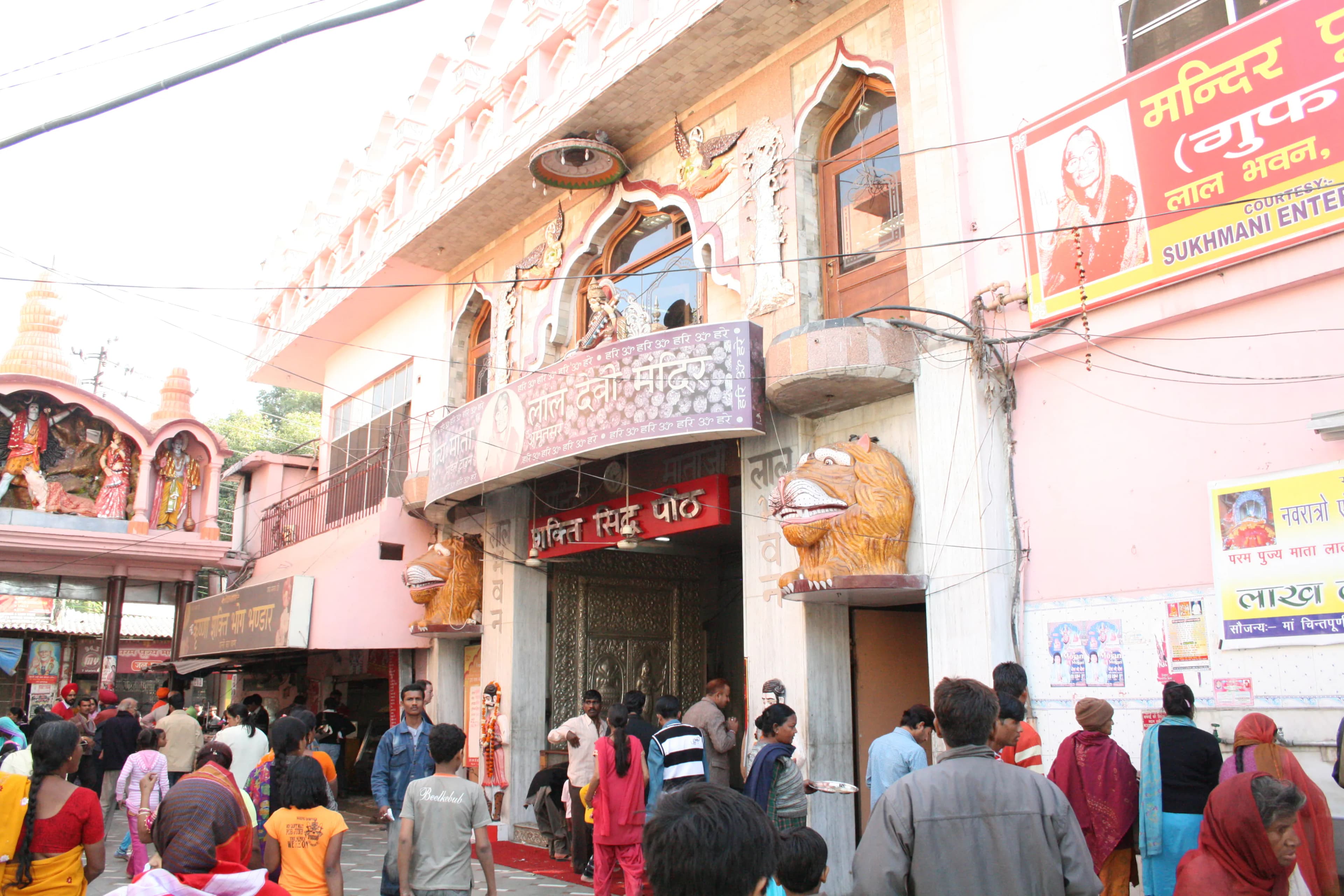
The narrow lanes of Amritsar, vibrant with the scent of spices and the echo of devotional chants, led me to a place quite unlike the Golden Temple’s grandeur, yet equally captivating: the Mata Lal Devi Mandir. This temple, dedicated to the 20th-century female saint Lal Devi, isn't a UNESCO World Heritage Site. It's a labyrinthine marvel, a kaleidoscope of mirrors, narrow passages, and unexpected chambers, often described as a "funhouse" for the devout. Having explored every UNESCO site in India, I can confidently say this temple offers a unique spiritual experience, blending traditional faith with an almost surreal, dreamlike atmosphere. Stepping inside felt like entering another dimension. The low-ceilinged passages, twisting and turning unpredictably, were lined with countless mirrors. These weren't placed for vanity, but to symbolize the illusions and distractions of the material world. Navigating through them, I felt a sense of disorientation, a deliberate unsettling meant to encourage introspection. The mirrored walls also amplified the sounds of chanting and the shuffling of feet, creating an immersive, almost hypnotic effect. The architecture defies easy categorization. It’s a fascinating blend of traditional Hindu motifs with elements seemingly borrowed from fairytales and fantasy. Elaborate murals depicting scenes from Hindu mythology adorned the walls, interspersed with quirky, almost kitsch, depictions of caves, tunnels, and celestial realms. One moment I was gazing at a vibrant depiction of Krishna, the next I was squeezing through a narrow passage meant to simulate a symbolic rebirth. This playful, almost theatrical quality sets Mata Lal Devi Mandir apart from the more austere temples I've visited. The temple’s heart lies in the sanctum dedicated to Mata Lal Devi. Here, devotees offer prayers and seek blessings, the atmosphere thick with faith and devotion. While photography is generally discouraged within the inner sanctum, the visual memory of the ornate shrine, adorned with flowers and flickering lamps, remains vivid. The energy within this space is palpable, a testament to the enduring power of belief. What struck me most about Mata Lal Devi Mandir was its accessibility. Unlike some temples with strict hierarchical structures, this space felt open to everyone. I observed people from all walks of life, young and old, rich and poor, navigating the maze-like passages, their faces reflecting a mix of curiosity, devotion, and amusement. Children, in particular, seemed to revel in the temple's playful design, their laughter echoing through the mirrored corridors. Beyond the main shrine, the temple complex houses several smaller shrines dedicated to various deities. I discovered a small pond, its surface covered with lotus flowers, and a miniature replica of the Vaishno Devi shrine, a popular pilgrimage site in Jammu and Kashmir. These additions further enhance the sense of wonder and discovery that permeates the entire complex. My visit to Mata Lal Devi Mandir was a journey into a world where faith and fantasy intertwine. It’s a place that challenges conventional notions of religious architecture and offers a unique, deeply personal experience. While not a UNESCO site, its cultural significance and the sheer ingenuity of its design make it a must-visit for anyone traveling to Amritsar. It’s a reminder that spirituality can manifest in unexpected ways, and that sometimes, the most profound experiences are found in the most unlikely of places. Leaving the temple, I carried with me not just the scent of incense and the echo of chants, but a renewed appreciation for the diverse and often surprising expressions of faith found across India.
Sabarimala Sastha Temple Pathanamthitta
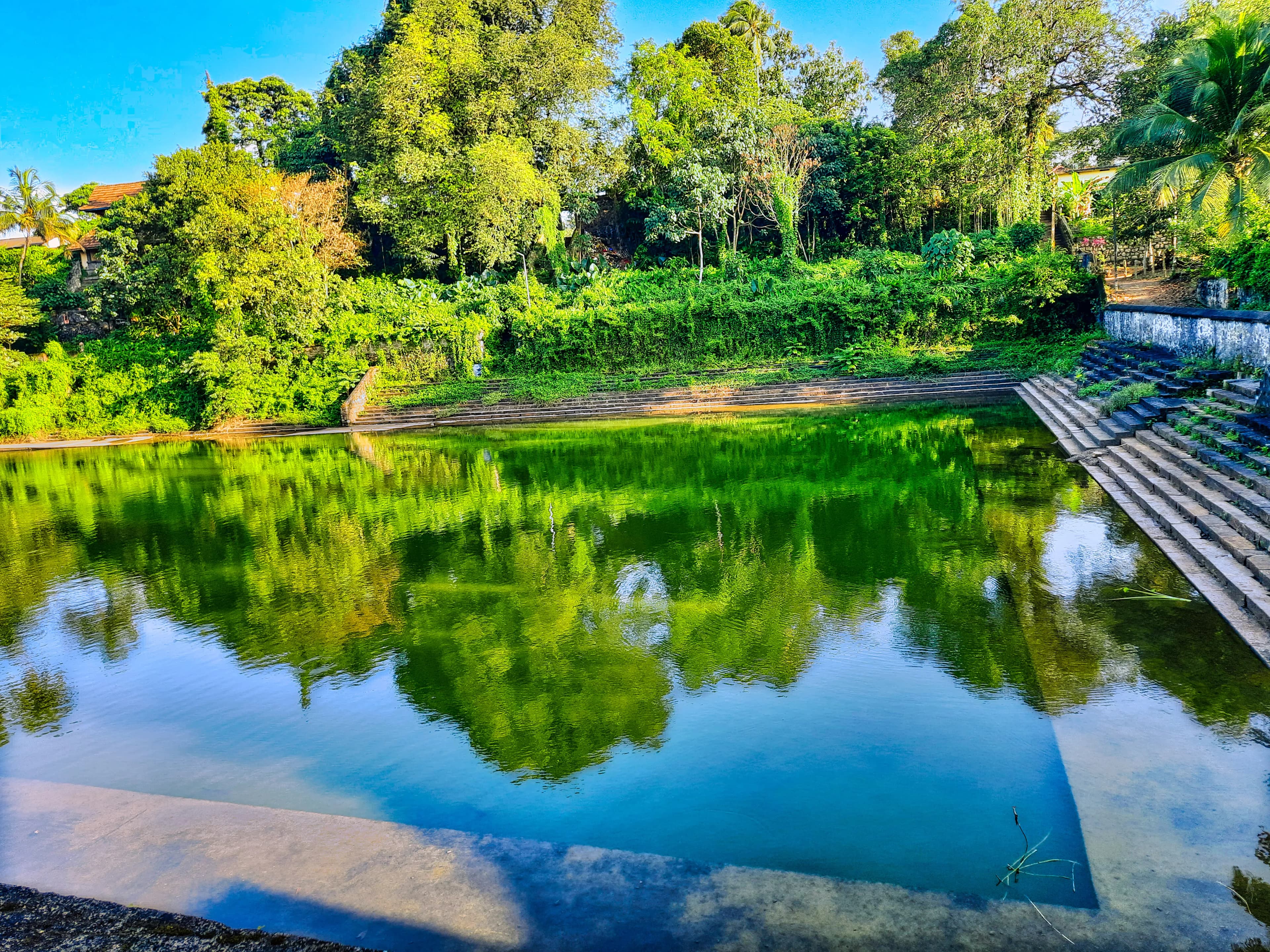
The arduous 18-step climb to the Sabarimala Sastha Temple, nestled deep within the Periyar Tiger Reserve, is more than just a physical feat; it’s a spiritual odyssey. As I ascended, the chanting of "Swamiye Saranam Ayyappan" reverberated through the dense foliage, a palpable energy that transcended the physical strain. This pilgrimage, undertaken by millions annually, culminates at a shrine that embodies a unique blend of Kerala’s architectural traditions and the temple's specific tantric influences. Unlike the towering gopurams that characterize many South Indian temples, Sabarimala’s main sanctum is relatively modest in height. Clad in copper plates, it sits atop a plateau, its simplicity contrasting sharply with the surrounding verdant wilderness. The absence of elaborate ornamentation initially surprised me, accustomed as I am to the intricate carvings of Tamil Nadu temples. However, the starkness of the structure seemed to amplify the spiritual focus, directing attention inwards rather than outwards. The copper sheathing, burnished by time and weather, glowed with a warm, inviting aura, especially striking in the early morning light. The temple’s architecture reflects its tantric associations. The sanctum sanctorum houses the deity Ayyappan in a yogic posture, and the overall layout, while adhering to some Kerala temple conventions, also incorporates elements that facilitate the specific rituals and practices associated with Ayyappan worship. The path leading to the main shrine is punctuated by smaller shrines dedicated to various deities, each contributing to the narrative of Ayyappan's life and legend. I noticed the prevalence of open spaces around the main shrine, designed to accommodate the vast crowds during the pilgrimage season. This spatial planning, while practical, also contributes to a sense of communal worship, fostering a shared experience amongst the devotees. One of the most striking features is the flight of 18 holy steps leading to the sanctum. Each step represents a specific virtue or principle, and ascending them is considered a symbolic act of purification. The steps are constructed of granite, and while their design is relatively simple, their significance is immense. As I climbed, I observed the diverse array of devotees, each carrying their irumudi kettu, the sacred bundle containing offerings for the deity. The collective devotion was palpable, creating an atmosphere of shared purpose and spiritual intensity. The temple’s location within the dense forest adds another layer to its unique character. The natural surroundings are integral to the pilgrimage experience, symbolizing the journey through the trials and tribulations of life towards spiritual enlightenment. The absence of urban encroachment allows for a deeper connection with nature, enhancing the sense of tranquility and spiritual immersion. I noticed the careful integration of the natural landscape into the temple complex, with pathways winding through the trees and the surrounding hills forming a dramatic backdrop. My visit to Sabarimala was more than just an architectural study; it was an immersive cultural experience. The temple's unique blend of architectural simplicity, tantric influences, and natural setting creates a powerful spiritual ambiance that resonates deeply with the millions who undertake this arduous pilgrimage. It offered a fresh perspective on temple architecture, highlighting the power of simplicity and the profound connection between spirituality and the natural world. The experience underscored how architecture can serve as a powerful conduit for faith and devotion, shaping not just the physical space but also the spiritual journey of the pilgrim.
Bekal Fort Kasaragod
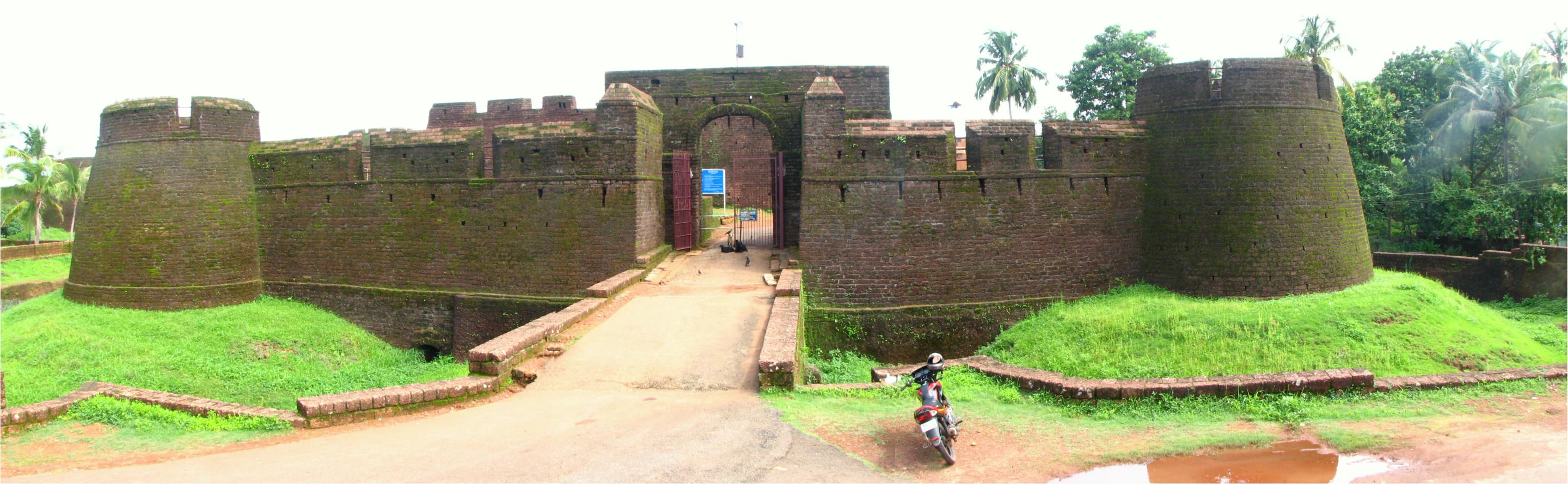
Amidst Kerala's coastal tapestry lies Bekal Fort, a 17th-century sentinel erected by Shivappa Nayaka of Keladi around 1650 CE ([3][4]). Unlike the Mughal's northern citadels, Bekal Fort showcases Kerala's military architecture, strategically positioned along the Malabar Coast ([1][4]). Its laterite walls, stretching over a kilometer, embody raw, earthy strength, a testament to the region's defensive needs ([1][2]). Sophisticated strategic planning defines Bekal Fort, evident in its keyhole-shaped bastion offering panoramic maritime views ([3]). The zigzagging pathways, a deliberate design to disorient invaders, highlight the fort's military function ([4]). The fort's design integrates Kerala's architectural traditions, reflecting the region's unique aesthetic sensibilities ([2]). While lacking the ornate carvings of other Indian forts, Bekal's beauty resides in its stark simplicity, emphasizing the natural strength of laterite ([1][2][5]). Within the fort's expanse, a Hanuman temple provides a vibrant counterpoint to the muted tones of the laterite structure ([3]). This sacred space reflects the enduring Hindu traditions of the region, coexisting harmoniously within the fort's military architecture. Vastu Shastra principles, the ancient Indian science of architecture, likely influenced the fort's layout, optimizing its defensive capabilities and aligning it with natural energies, though specific textual references are not available ([2]). Bekal Fort stands as a powerful reminder of Kerala's rich history and architectural prowess, blending military strategy with regional artistry ([4][5]). Laterite, stone, wood, and clay were used in the construction of this fort ([2]).
Quick Links
Plan Your Heritage Journey
Get personalized recommendations and detailed visitor guides