Has Inheritage Foundation supported you today?
Your contribution helps preserve India's ancient temples, languages, and cultural heritage. Every rupee makes a difference.
Secure payment • Instant 80G certificate
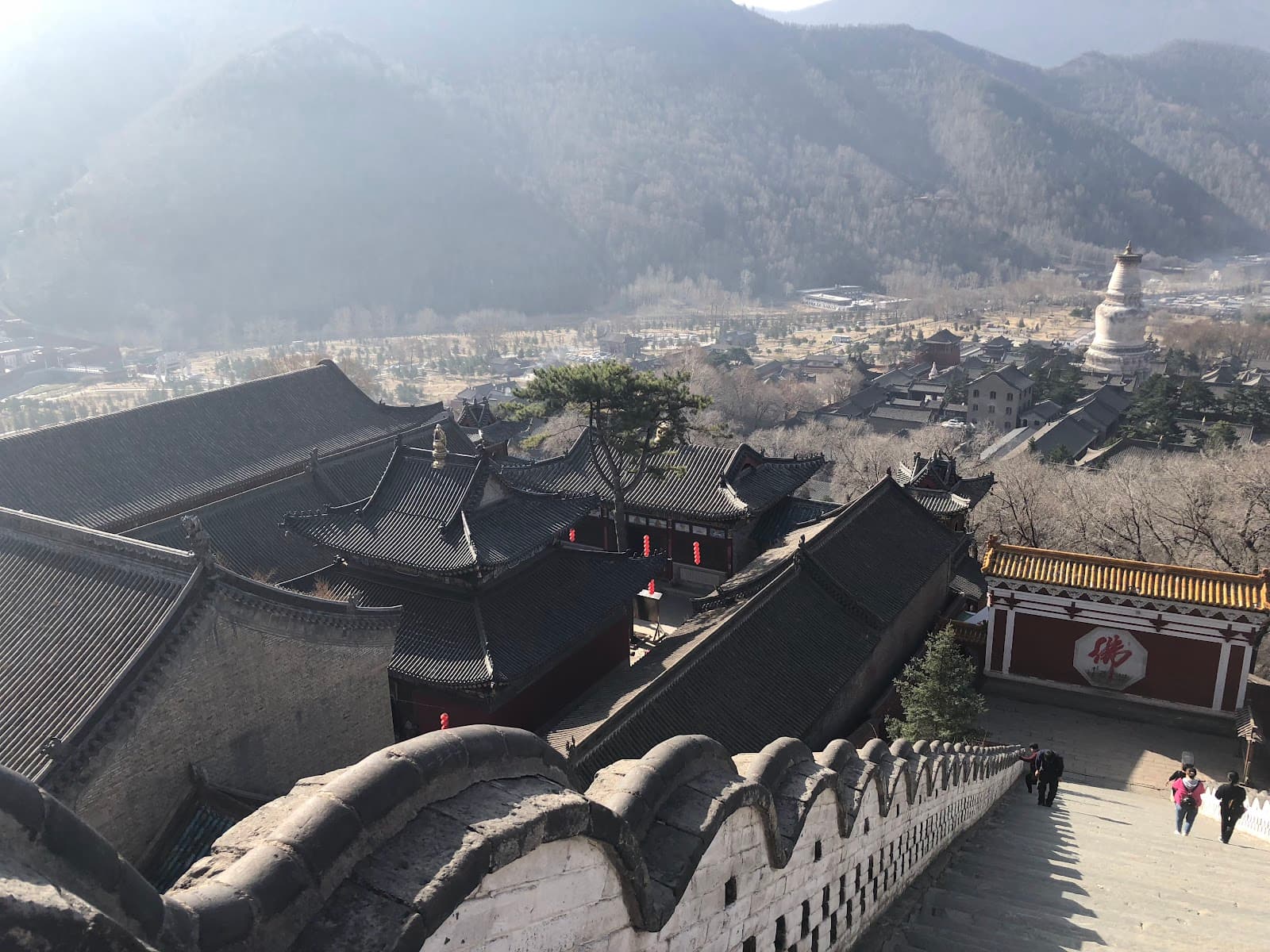
Mount Wutai Monasteries Shanxi China
Mount Wutai, dramatically rising from the rugged terrain of northern Shanxi Province, represents one of the most extraordinary and historically significant Buddhist mountain complexes in China, dating from the 1st century CE and serving as one of the Four Sacred Buddhist Mountains of China that flourished as a major center of Buddhist learning and practice with remarkable connections to Indian Buddhist traditions, particularly through its association with Manjushri, the Bodhisattva of Wisdom who is central to Indian Buddhist cosmology, and featuring over 53 monasteries and temples that demonstrate clear connections to the architectural and religious traditions of ancient India, particularly the sophisticated mountain monastery planning principles and Hindu guardian deity traditions that were transmitted from the great Buddhist centers of northern India, creating a powerful testament to the profound transmission of Indian Buddhist civilization to China during the early medieval period. The site, featuring sophisticated Buddhist temple structures with halls, pagodas, and ritual spaces that demonstrate clear connections to the architectural traditions of ancient India, particularly the sophisticated mountain monastery planning principles and the remarkable preservation of Hindu guardian deities that reflect the integration of Indian Hindu and Buddhist traditions, demonstrates the direct transmission of Indian Buddhist architectural knowledge, religious iconography, and cultural concepts from the great monastic universities of ancient India, particularly Nalanda and Taxila, which systematically transmitted Buddhist teachings and architectural traditions to China through the extensive trade and pilgrimage networks that connected India with China, while the site's most remarkable feature is its extraordinary collection of over 53 monasteries and temples, including the ancient Nanchan Temple dating from the 8th century, that demonstrate remarkable parallels with Indian mountain monastery traditions, particularly the structural techniques and iconographic programs that were central to Indian Buddhist architecture, including depictions of Hindu guardian deities that reflect the sophisticated synthesis of Indian Hindu and Buddhist traditions. The temple structures' architectural layout, with their sophisticated planning, central halls surrounded by subsidiary structures, meditation chambers, and ceremonial spaces, follows planning principles that demonstrate remarkable parallels with Indian Buddhist monastery planning principles, particularly the vihara and mountain monastery traditions that were central to Indian Buddhist architecture, while the site's extensive archaeological remains including Hindu guardian deity sculptures with clear Indian stylistic influences, Buddhist sculptures that reflect Indian iconographic traditions, and architectural elements demonstrate the sophisticated synthesis of Indian Hindu and Buddhist iconography and cosmological concepts with local Chinese aesthetic sensibilities and building materials. Historical evidence reveals that the site served as a major center of Buddhist learning and religious activity during the 1st through 13th centuries, attracting monks, traders, and pilgrims from across China, South Asia, and Central Asia, while the discovery of numerous artifacts including Hindu guardian deity sculptures with clear Indian connections, Buddhist sculptures that reflect Indian iconographic traditions, and architectural elements that reflect Indian architectural concepts provides crucial evidence of the site's role in the transmission of Indian Buddhist and Hindu traditions to China, demonstrating the sophisticated understanding of Indian religious architecture and practices possessed by the site's patrons and monastic establishment. The site's association with Manjushri, the Bodhisattva of Wisdom who is central to Indian Buddhist cosmology and is traditionally said to reside on Mount Wutai, demonstrates the sophisticated understanding of Indian Buddhist traditions that were transmitted to China, while the site's Buddhist temple structures and Hindu guardian deities demonstrate remarkable parallels with Indian Buddhist temple architecture and Hindu religious traditions that were central to ancient Indian civilization. The site has been the subject of extensive historical research and conservation efforts, with ongoing work continuing to reveal new insights into the site's sophisticated architecture, religious practices, and its role in the transmission of Indian religious traditions to China, while the site's status as a UNESCO World Heritage Site demonstrates its significance as a major center for the transmission of Indian Buddhist and cultural traditions to China. Today, Mount Wutai stands as one of the most important historical Buddhist sites in China, serving as a powerful testament to the transmission of Indian Buddhist civilization to China, while ongoing historical research and conservation efforts continue to protect and study this extraordinary cultural treasure that demonstrates the profound impact of Indian civilization on Chinese religious and cultural development. ([1][2])
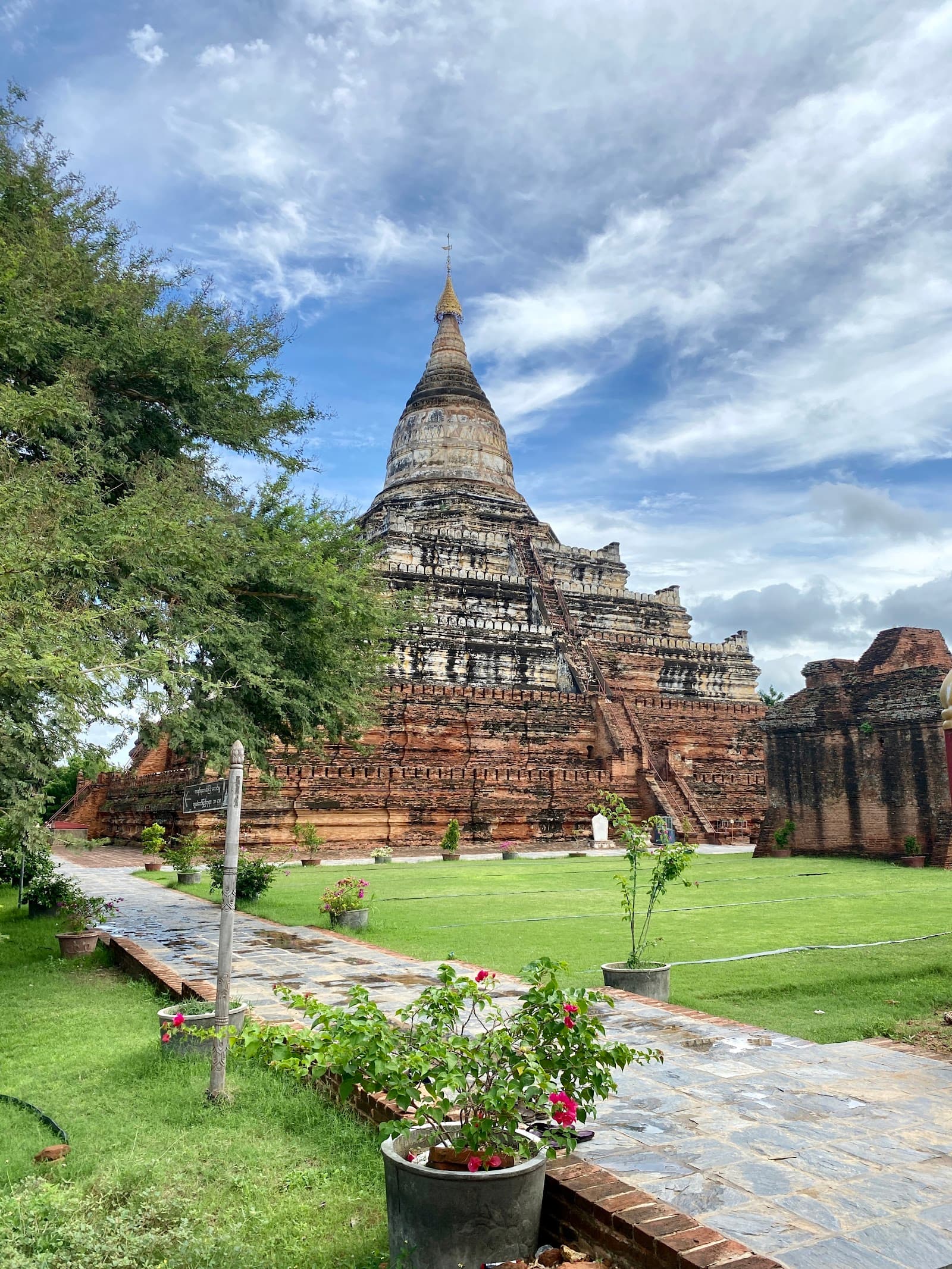
Shwesandaw Temple Bagan
Shwesandaw Temple, located in the Bagan Archaeological Zone, represents a significant 11th-century Buddhist temple that incorporates extensive Hindu guardian deities and iconography, demonstrating the syncretic nature of religious practice in ancient Myanmar, which was historically part of the greater Hindu rashtra extending across Southeast Asia through deep cultural and religious connections with ancient India. The temple, constructed in 1057 CE during the reign of King Anawrahta, features a distinctive five-terraced design rising to a height of 100 meters, making it one of the tallest structures in Bagan and serving as a prominent landmark visible across the archaeological zone. The temple complex, constructed primarily from brick with sandstone decorative elements, incorporates numerous Hindu guardian deities including Indra, Brahma, Vishnu, Shiva, and various devatas positioned at strategic points throughout the structure, reflecting the integration of Hindu protective deities into Buddhist religious architecture that was characteristic of the period when Myanmar (Brahma Desha) maintained strong connections to the greater Hindu rashtra. The temple’s architectural design demonstrates influence from Indian temple architecture, particularly the terraced tower (pyatthat) design that evolved from Indian shikhara forms, while the extensive use of Hindu guardian figures reflects the transmission of Hindu iconographic traditions from India to Myanmar through centuries of cultural exchange. Archaeological evidence indicates the temple was constructed to enshrine Buddha relics brought from India, demonstrating the close religious connections between Myanmar and the Indian subcontinent during the medieval period. The temple’s location and design reflect Indic cosmological principles, with the five terraces representing the five elements and the overall structure oriented according to Hindu-Buddhist cosmological planning. The temple has undergone multiple restorations, with significant work conducted in recent decades to stabilize the structure and preserve the Hindu guardian deity sculptures. Today, Shwesandaw Temple stands as a UNESCO World Heritage Site within the Bagan Archaeological Zone, serving as a powerful reminder of Myanmar’s deep Hindu heritage and its historical connection to the greater Hindu rashtra that extended across the Indian subcontinent and into Southeast Asia through shared religious, cultural, and architectural traditions. ([1][2])
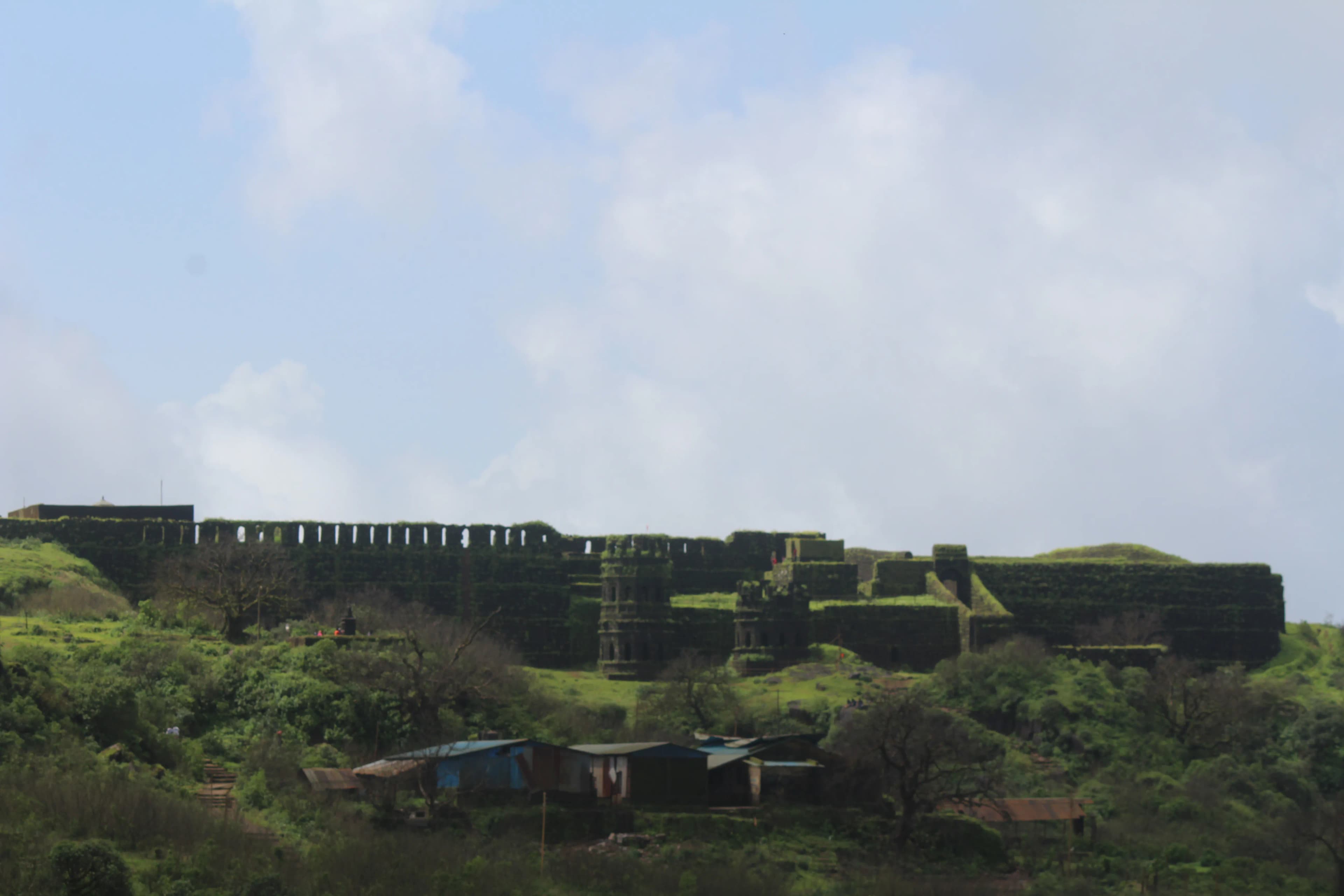
Raigad Fort Raigad
The imposing silhouette of Raigad Fort, etched against the Sahyadri mountain range, is a sight that commands reverence. Ascending via the ropeway, the sheer scale of the fortifications became immediately apparent. Unlike the granite behemoths of South India, Raigad’s laterite stone construction lends it a unique reddish-brown hue, a stark contrast to the verdant backdrop. The climb, even aided by the ropeway, instilled a sense of the strategic brilliance behind its location. One can only imagine the arduous journey undertaken by those who scaled it in centuries past. Stepping onto the Mahadarwaja, the main entrance, I was struck by the robust simplicity of its design. The absence of elaborate carvings, so characteristic of South Indian temple gateways, highlighted the fort's primarily defensive function. The massive basalt pillars flanking the entrance, however, hinted at a degree of ceremonial importance. The remnants of the once-formidable wooden doors, reinforced with iron studs, spoke volumes about the fort's resilience against sieges. The layout of the fort, spread across a plateau, is a testament to meticulous planning. The strategically placed granaries, water cisterns, and armories revealed a deep understanding of logistical necessities. The ruins of the market area, though overgrown, allowed me to visualize the bustling life that once thrived within these walls. The royal mint, with its surprisingly sophisticated equipment, offered a glimpse into the economic prowess of the Maratha empire. The Jagdishwar Temple, dedicated to Lord Shiva, stands as a poignant reminder of Chhatrapati Shivaji Maharaj's devout faith. While smaller and simpler than the grand temples of the South, its location within the fort complex underscored the integration of religious and secular life. The basalt construction of the temple, distinct from the laterite used for the fort walls, suggested that it might have pre-dated the fort itself, possibly repurposed and incorporated into the larger complex. The highlight of my visit was undoubtedly the Meghadambari, the royal palace. While only the foundations and a few walls remain, the sheer scale of the structure is awe-inspiring. I could almost picture the grandeur of the court, the vibrant tapestries, and the echoes of important discussions that once filled these halls. The panoramic view from the palace site, encompassing the surrounding valleys and hills, was breathtaking. It was easy to see why Shivaji Maharaj chose this location for his capital – a vantage point offering both strategic advantage and unparalleled natural beauty. One aspect that particularly intrigued me was the sophisticated water management system. The numerous rock-cut cisterns, strategically placed to collect rainwater, showcased a remarkable understanding of hydraulic engineering. This efficient system ensured a continuous supply of water, crucial for sustaining a large population within the fort, especially during prolonged sieges. The presence of several smaller fortifications and watchtowers scattered across the plateau further emphasized the emphasis on defense. The ingenious use of the natural terrain, incorporating cliffs and steep slopes into the defensive strategy, was a testament to the military acumen of the Maratha architects. Raigad Fort is more than just a historical monument; it's a living testament to the vision and resilience of Chhatrapati Shivaji Maharaj. While the grandeur of the South Indian temples I'm accustomed to is absent, the stark beauty and strategic brilliance of Raigad offer a different kind of architectural marvel. It's a place that resonates with history, echoing the footsteps of warriors, kings, and the everyday people who once called this fort their home. My visit to Raigad was not just a journey through time; it was an immersive experience that left me with a profound appreciation for the ingenuity and fortitude of the Maratha empire.
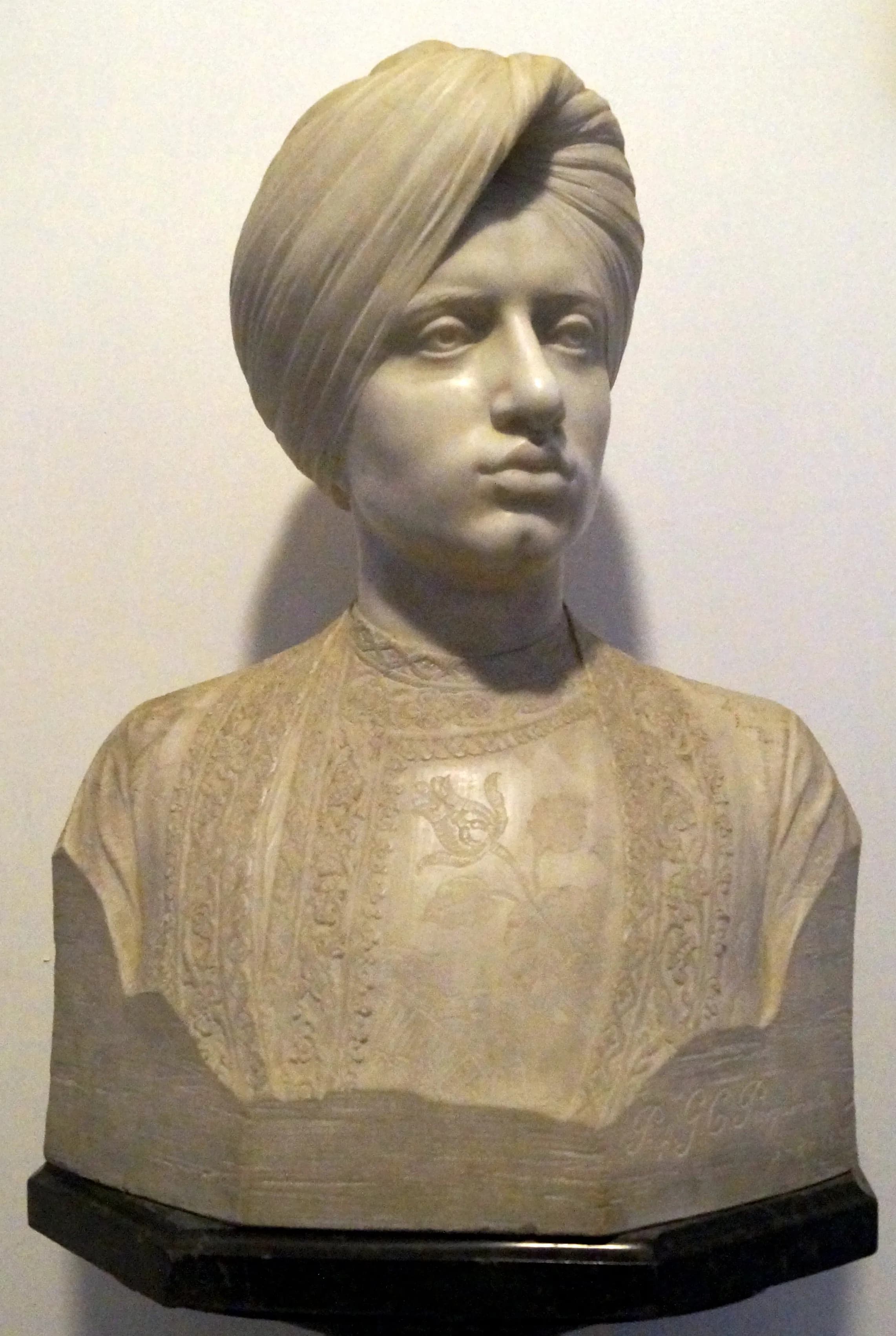
Moti Bagh Palace Patiala
The sun, a molten orb in the Patiala sky, cast long shadows across the manicured lawns of Moti Bagh Palace. Coming from Uttar Pradesh, a land steeped in Mughal grandeur, I was curious to see how Patiala’s royal legacy would compare. The palace, a sprawling complex, didn't disappoint. It wasn't the overwhelming opulence of Awadh's architecture, but a more restrained, almost European elegance blended with Sikh influences. My first impression was of space. Unlike the tightly clustered buildings of some palaces, Moti Bagh breathes. The main palace, the Quila Mubarak, stands as the anchor, its red sandstone walls a stark contrast to the verdant surroundings. The architecture here is a fascinating blend. While the overall layout and the use of sandstone reminded me of Rajput palaces back home, the intricate stucco work, particularly around the arched entrances and windows, spoke of a distinct regional style. Floral motifs, geometric patterns, and even depictions of animals adorned the walls, a testament to the artisans' skill. Stepping inside the Quila Mubarak felt like stepping back in time. The Sheesh Mahal, or Palace of Mirrors, was breathtaking. While smaller than the Sheesh Mahal in Jaipur's Amber Fort, the intricate mirror work here was no less dazzling. The play of light reflecting off the myriad tiny mirrors, creating an illusion of infinite space, was mesmerizing. I could almost imagine the royal court assembled here, their silks and jewels shimmering in the candlelight. The Darbar Hall, with its high ceilings and imposing chandeliers, exuded an air of formality. I was particularly struck by the portraits lining the walls – a visual chronicle of Patiala's rulers. Their stern faces, adorned with elaborate turbans and jewels, seemed to gaze down upon me, silent witnesses to centuries of history. The portraits weren't mere decorations; they were a powerful assertion of lineage and authority, a theme I’ve often encountered in the palaces of Uttar Pradesh as well. Moving beyond the Quila Mubarak, I explored the other parts of the complex. The sprawling gardens, a blend of Mughal and European landscaping, offered a welcome respite from the grandeur of the palace. Fountains, once undoubtedly gurgling with water, now stood silent, their weathered stone a reminder of time's relentless march. I could picture the royal family strolling through these gardens, enjoying the shade of the trees and the fragrance of the flowers. The museum within the complex was a treasure trove of artifacts. From antique weaponry and intricately embroidered textiles to vintage photographs and royal memorabilia, the collection offered a glimpse into the opulent lifestyle of Patiala's rulers. I was particularly fascinated by the collection of Phulkari embroidery, a traditional craft of Punjab. The vibrant colors and intricate patterns were a testament to the region's rich artistic heritage. It reminded me of the Chikankari embroidery of Lucknow, another example of the exquisite craftsmanship found across India. One aspect that stood out at Moti Bagh was the relative lack of restoration compared to some of the more heavily touristed sites I’ve visited. While some sections were well-maintained, others showed signs of neglect. Peeling paint, crumbling plaster, and overgrown vegetation whispered of a glorious past fading into obscurity. This, in a way, added to the palace's charm. It felt less like a polished museum piece and more like a living, breathing entity, bearing the weight of its history. As I left Moti Bagh Palace, the setting sun painting the sky in hues of orange and purple, I couldn't help but feel a sense of melancholy. The palace, a testament to a bygone era, stood as a silent sentinel, guarding the memories of a vanished kingdom. It was a poignant reminder of the ephemeral nature of power and the enduring legacy of art and architecture. The experience, while different from the Mughal splendor I’m accustomed to, offered a valuable glimpse into another facet of India's rich cultural tapestry.
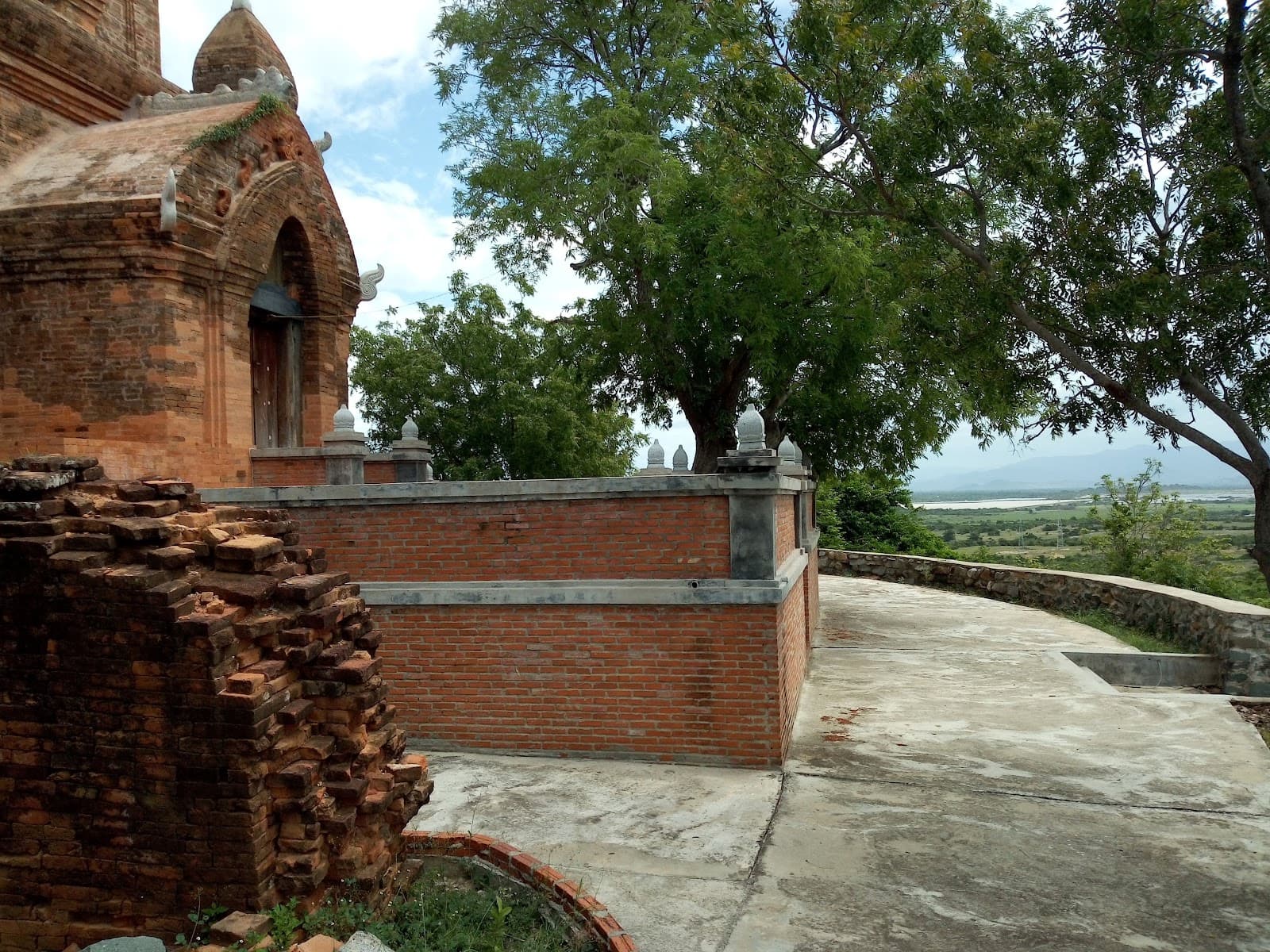
Po Rome Towers Ninh Thuan Vietnam
Po Rome Towers, located in Ninh Thuan Province, Vietnam, represent one of the last and most historically significant Cham Hindu temple complexes constructed in Vietnam, built in the 17th century CE to honor King Po Rome, a revered Champa monarch who is remembered for his leadership during a period of significant challenges for the Champa Kingdom, creating a powerful testament to the enduring transmission of Indian Hindu religious and architectural traditions to Southeast Asia even during the late medieval period when Champa faced increasing pressure from neighboring powers. The temple complex, constructed primarily from red brick with sandstone decorative elements, features distinctive Cham tower architecture that demonstrates the continued synthesis of Indian Hindu temple architecture, particularly the Dravidian traditions of southern India, with indigenous Cham building techniques, creating a unique architectural expression that reflects Champa's persistent engagement with Indian religious and cultural traditions despite political and military challenges. The towers feature elaborate decorative programs including bas-reliefs and sculptures that demonstrate the direct transmission of Indian Hindu iconography and artistic traditions, while the discovery of inscriptions provides crucial evidence of the site's role as a center for the transmission of Indian religious texts and practices to Southeast Asia, even during a period when Champa's political power was in decline. The site's location, chosen according to Indian cosmological principles, underscores its spiritual significance, while the complex's architectural design demonstrates the sophisticated understanding of Indian temple planning principles possessed by late Cham architects, who continued to maintain and transmit Indian architectural traditions despite the kingdom's challenges. Archaeological evidence reveals that the complex served as a major center of Hindu worship for the Champa Kingdom, while the site's historical significance as one of the last major Cham temples provides crucial insights into the persistence of Indian Hindu traditions in Southeast Asia even during periods of political change. Today, Po Rome Towers stand as an important Cham Hindu temple in Vietnam, serving as a powerful testament to the enduring transmission of Indian Hindu culture and architecture to Southeast Asia, while the site's continued function as an active place of worship by Cham communities demonstrates the lasting vitality of Hindu religious practices in Vietnam and the resilience of Indian-Cham cultural exchange. ([1][2])
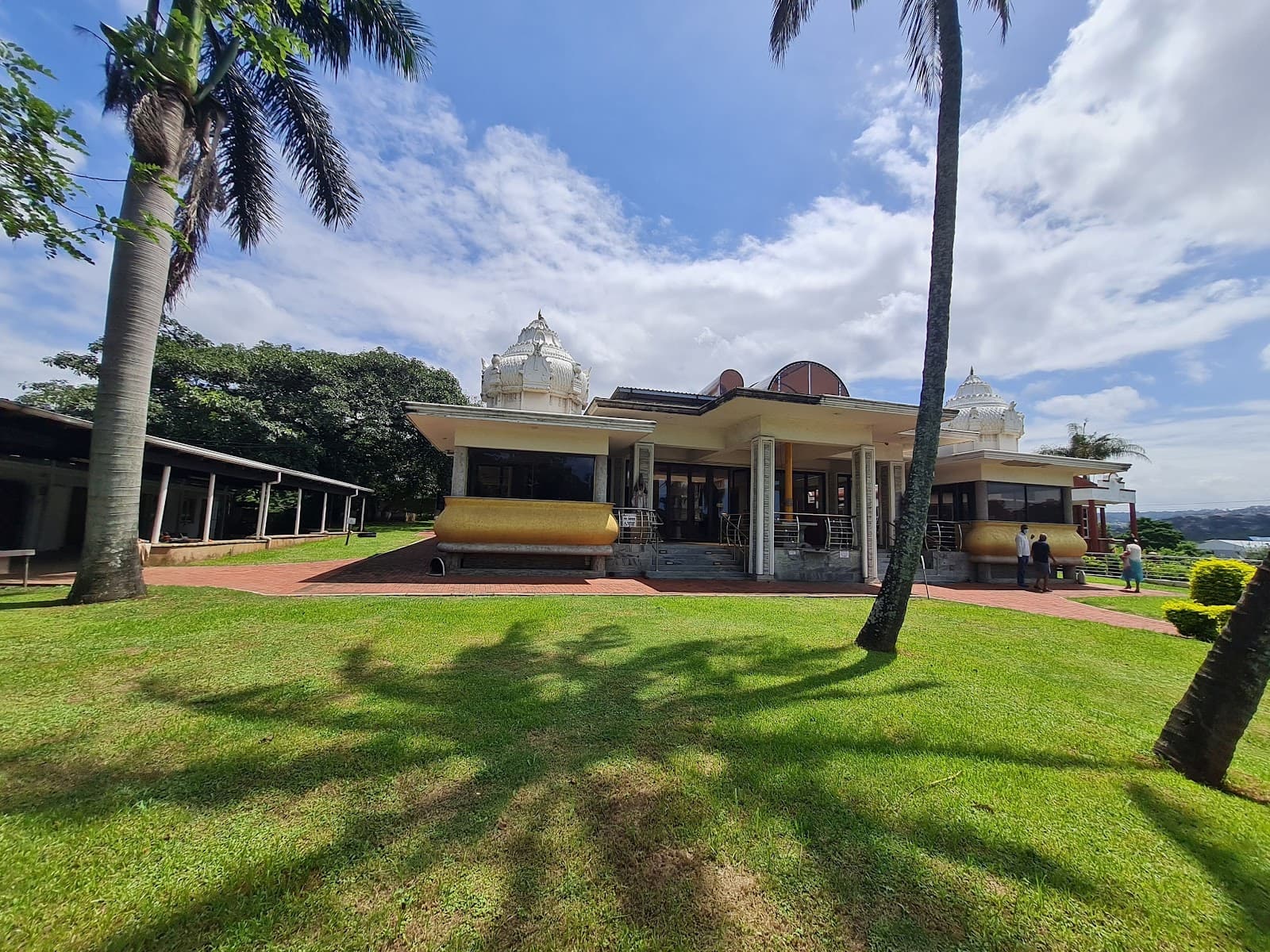
Mariamman Temple Cato Manor Durban
The Mariamman Temple of Cato Manor—initially erected in 1870 by early market gardeners—was rebuilt on higher ground after the 1905 floods and re-consecrated in 1932 by trader S.P. Chetty with a triad of barrel-vaulted towers sculpted in low relief, blending Dravidian iconography and the loose light of Durban's coastal plain ([1]). The main shrine to goddess Mariamman stands at the centre of a symmetrical courtyard anchored by smaller sancta for Gengaiammen and Draupadi; processional paths weave between mango trees planted by the founding families and the sacred fire pit used during annual Theemithi vows. The temple's unpainted brick facades and profuse stucco figurines capture the vernacular workmanship of indentured artisans—primitive yet lyrical depictions of deities holding neem leaves, tridents, and conches, illuminated at twilight by ghee lamps. Community halls along the perimeter host Tamil cultural classes, scripture recitation, marriage counselling, and relief cooking for surrounding informal settlements. ([1])
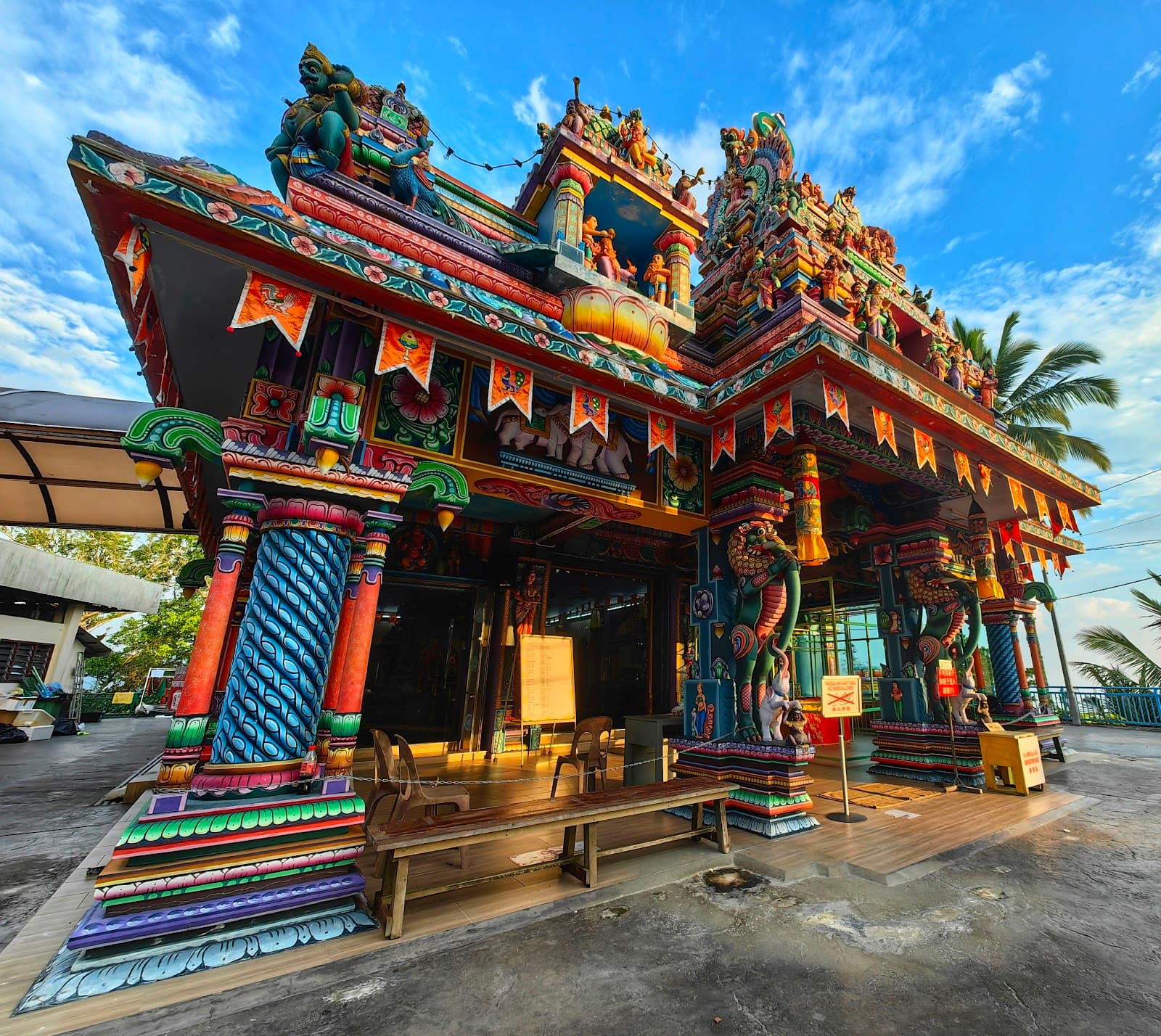
Sri Aruloli Thirumurugan Temple Penang Hill
Sri Aruloli Thirumurugan Temple, founded in the 1800s by Tamils working on the Penang Hill funicular rail, sits 833 metres above sea level and is among Malaysia’s oldest hilltop Hindu shrines, offering panoramic views of George Town while housing Murugan with Valli-Deivanayai in a granite sanctum rejuvenated in 2016 with a colourful rajagopuram inspired by Palani ([1][2]). The temple opens 6:00 AM-9:00 PM providing daily puja, hilltop meditation, and annadhanam from a vegetarian kitchen that uses hydroponic produce grown on terraces. The Penang Hill funicular transports pilgrims, who ascend a final flight of steps to the mandapa framed by manicured gardens and temperature-controlled sanctum housing brass vel, peacock icons, and murals of Murugan’s mythical battles. Penang Hill Corporation, temple trustees, and volunteer rangers manage sustainability: rainwater harvesting, solar panels, waste segregation, and wildlife corridors protect the hill’s rainforest. Thaipusam sees kavadi carriers trek up after the city procession; Skanda Shasti and Thai Pusam attract 15,000 visitors annually, supported by volunteer medics, mountain rescue, and crowd monitoring integrated with Penang Hill’s operations centre. The temple doubles as a cultural interpretation node for Penang Hill UNESCO Biosphere Reserve, offering eco-pilgrim briefings and heritage storytelling ([1][3]).
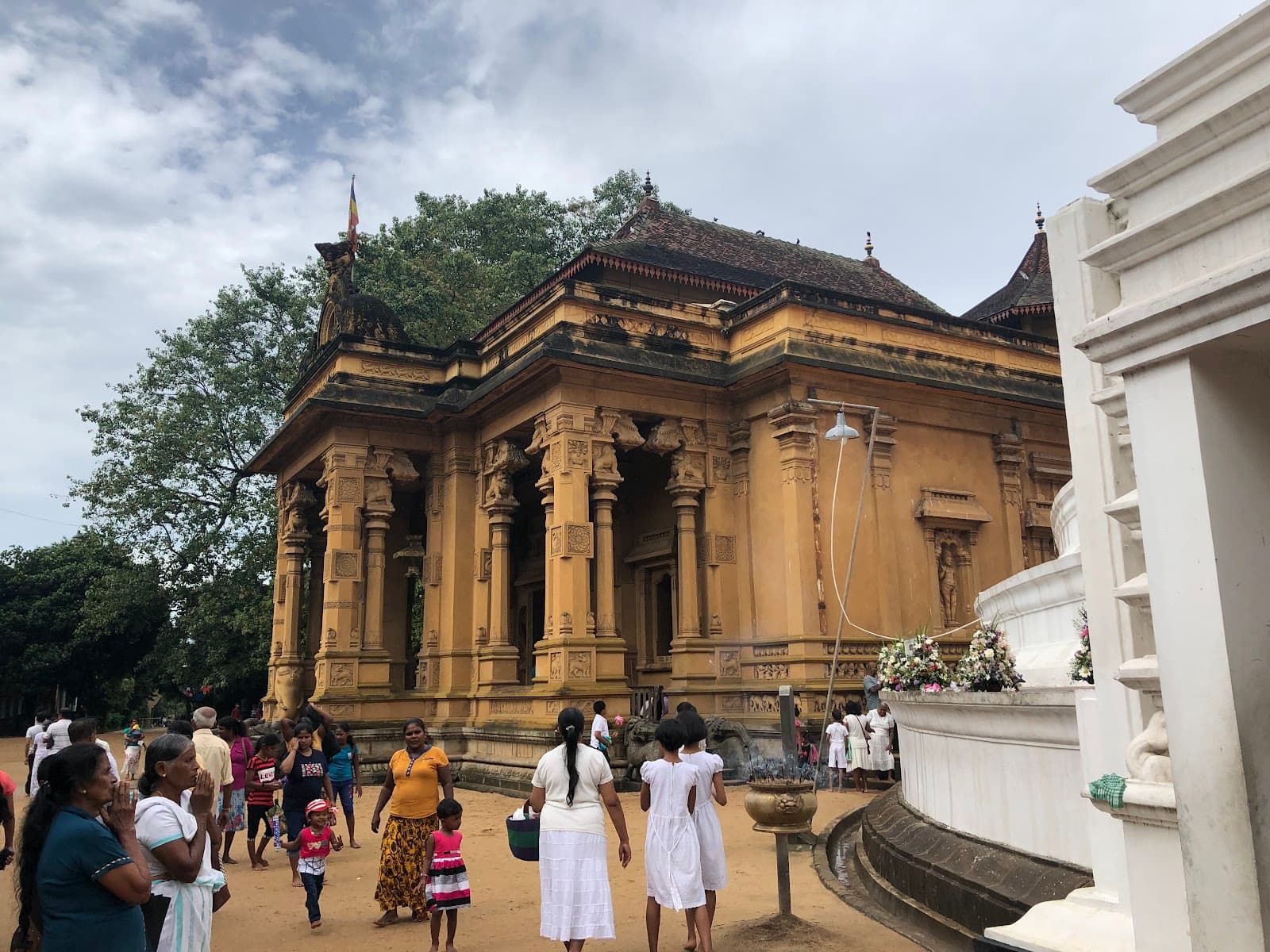
Kelaniya Raja Maha Vihara Colombo Sri Lanka
Kelaniya Raja Maha Vihara, dramatically situated on the banks of the Kelani River near Colombo, represents one of the most extraordinary and historically significant Buddhist temples in Sri Lanka, with lore tracing its origins back to the 6th century BCE when the Buddha is believed to have visited the site during his third visit to Sri Lanka, creating a powerful testament to the profound transmission of Indian Buddhist religious traditions to Sri Lanka and serving as a major center of Buddhist worship that integrates a Vishnu shrine, demonstrating the sophisticated religious syncretism that has characterized Sri Lankan religious practices. The temple complex, also known as Kelaniya Temple, features sophisticated architectural elements that demonstrate the direct transmission of Indian Buddhist temple architecture, particularly the traditions of northern India during the time of the Buddha, with local adaptations that reflect the sophisticated synthesis of Indian Buddhist religious and artistic traditions with Sri Lankan building techniques, while the temple's most remarkable feature is its association with the Buddha's visit, which is documented in ancient chronicles including the Mahavamsa and represents one of the most important events in the history of Buddhism in Sri Lanka. The temple's architectural layout, with its central stupa, image house, and assembly halls, follows sophisticated Indian Buddhist monastery planning principles that were systematically transmitted from the great monastic centers of India, while the temple's extensive decorative programs including murals, sculptures, and architectural elements demonstrate the sophisticated synthesis of Indian Buddhist iconography and artistic traditions with local Sri Lankan aesthetic sensibilities. Archaeological evidence reveals that the temple served as a major center of Buddhist worship for over two and a half millennia, attracting pilgrims from across Sri Lanka and South India, while the discovery of numerous inscriptions in Sinhala, Tamil, and Sanskrit provides crucial evidence of the site's role in the transmission of Indian Buddhist texts and practices to Sri Lanka, demonstrating the sophisticated understanding of Indian Buddhist traditions possessed by the temple's patrons and religious establishment. The temple's unique feature of integrating a Vishnu shrine within the Buddhist temple complex demonstrates the sophisticated religious syncretism that has characterized Sri Lankan religious practices, while the temple's association with the Kelani River, which flows into the Indian Ocean, underscores its significance as a center for the transmission of Buddhist teachings, art, and culture from India to Sri Lanka. The temple complex has undergone multiple reconstructions throughout its history, with the current structure representing a modern reconstruction that faithfully preserves the temple's original architectural character and spiritual significance, while ongoing archaeological research continues to reveal evidence of the temple's ancient origins and its role in the transmission of Indian religious traditions to Sri Lanka. Today, Kelaniya Raja Maha Vihara stands as one of the most important Buddhist pilgrimage sites in Sri Lanka, serving as a powerful testament to the transmission of Indian Buddhist culture and architecture to Sri Lanka, while ongoing archaeological research and conservation efforts continue to protect and study this extraordinary cultural treasure that demonstrates the profound impact of Indian civilization on Sri Lankan religious and artistic traditions. ([1][2])
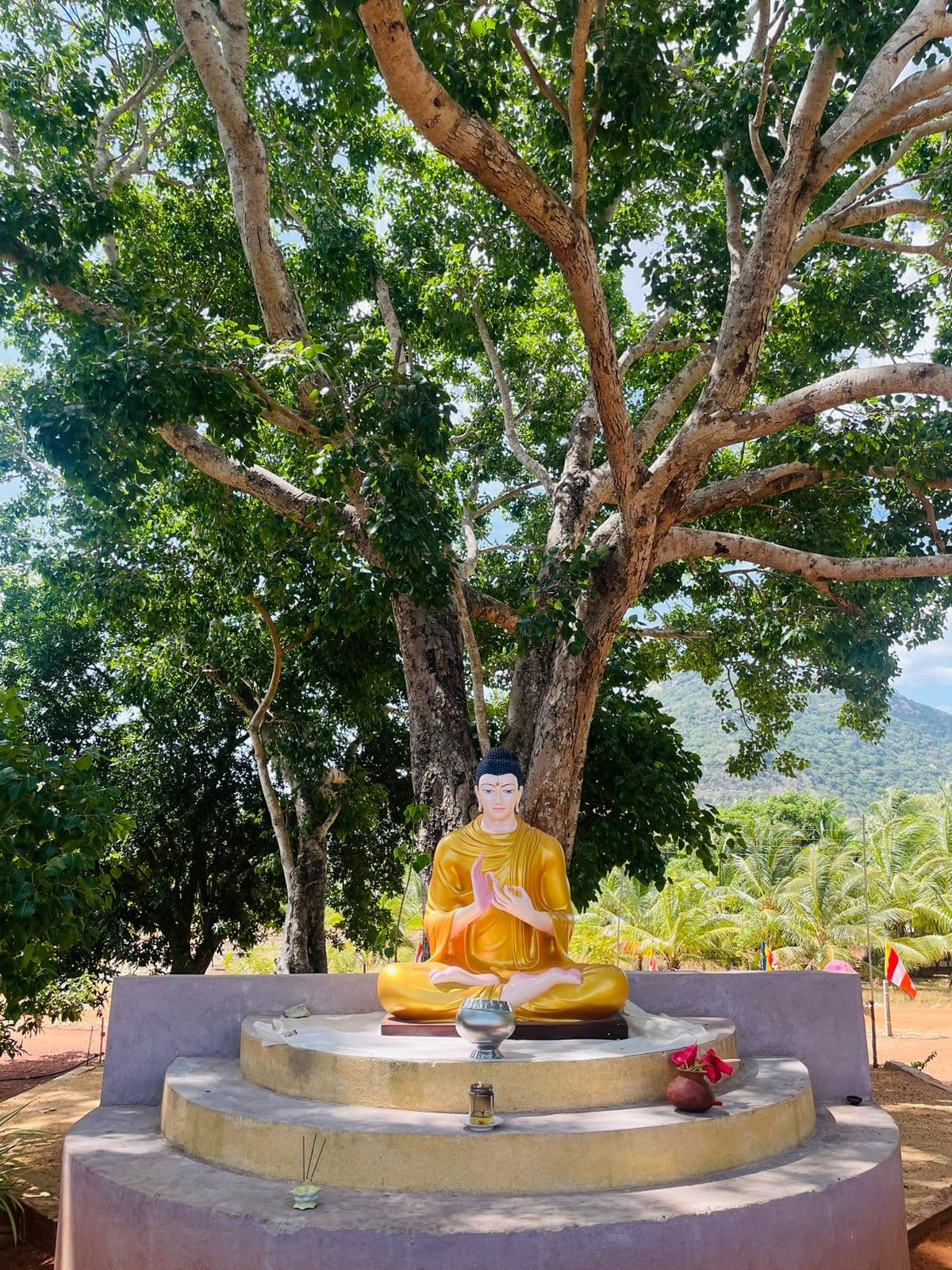
Mihintale Buddhist Monastery Anuradhapura Sri Lanka
Mihintale, dramatically situated on a hilltop approximately 12 kilometers east of Anuradhapura, represents one of the most extraordinary and historically significant Buddhist monastery complexes in South Asia, revered as the cradle of Buddhism in Sri Lanka where Mahinda, the son of the Indian Emperor Ashoka, met King Devanampiyatissa in 247 BCE and introduced Buddhism to the island, creating a powerful testament to the profound transmission of Indian Buddhist religious traditions to Sri Lanka. The monastery complex, spanning across multiple hilltops and featuring ancient stupas, meditation caves, rock inscriptions, and religious structures, demonstrates the direct transmission of Indian Buddhist monastery architecture from the great monastic centers of India including the Mauryan period monasteries, while the site's association with Mahinda, who was sent by his father Emperor Ashoka as part of the Buddhist missionary effort, demonstrates the sophisticated understanding of Indian Buddhist missionary traditions that were transmitted from India to Sri Lanka. The monastery's most remarkable feature is its association with the introduction of Buddhism to Sri Lanka, an event that is documented in ancient chronicles including the Mahavamsa and Dipavamsa and represents one of the most important events in the history of Buddhism in South Asia, while the monastery's extensive ruins including stupas, meditation caves, and rock inscriptions provide crucial evidence of the site's role in the transmission of Indian Buddhist texts and practices to Sri Lanka. Archaeological evidence reveals that the monastery served as a major center of Buddhist learning and practice for over two millennia, attracting monks, scholars, and pilgrims from across Sri Lanka and South India, while the discovery of numerous inscriptions in Pali, Sanskrit, and Sinhala provides crucial evidence of the site's role in the transmission of Indian Buddhist texts and practices to Sri Lanka, demonstrating the sophisticated understanding of Indian Buddhist traditions possessed by the Sri Lankan Buddhist establishment. The monastery's architectural layout, with its central stupa surrounded by meditation caves, assembly halls, and monastic cells arranged across multiple hilltops, follows sophisticated Indian Buddhist monastery planning principles that were systematically transmitted from the great monastic centers of India, while the monastery's extensive decorative programs including sculptures, carvings, and architectural elements demonstrate the sophisticated synthesis of Indian Buddhist iconography and artistic traditions with local Sri Lankan aesthetic sensibilities. The monastery's association with the annual Poson Festival, which commemorates the introduction of Buddhism to Sri Lanka, demonstrates the continued vitality of Indian religious traditions in Sri Lanka, while the monastery's location near Anuradhapura underscores its significance as a major center for the transmission of Buddhist teachings, art, and culture from India to Sri Lanka. Today, Mihintale stands as one of the most important Buddhist pilgrimage sites in Sri Lanka, serving as a powerful testament to the transmission of Indian Buddhist culture and architecture to Sri Lanka, while ongoing archaeological research and conservation efforts continue to protect and study this extraordinary cultural treasure that demonstrates the profound impact of Indian civilization on Sri Lankan religious and artistic traditions. ([1][2])
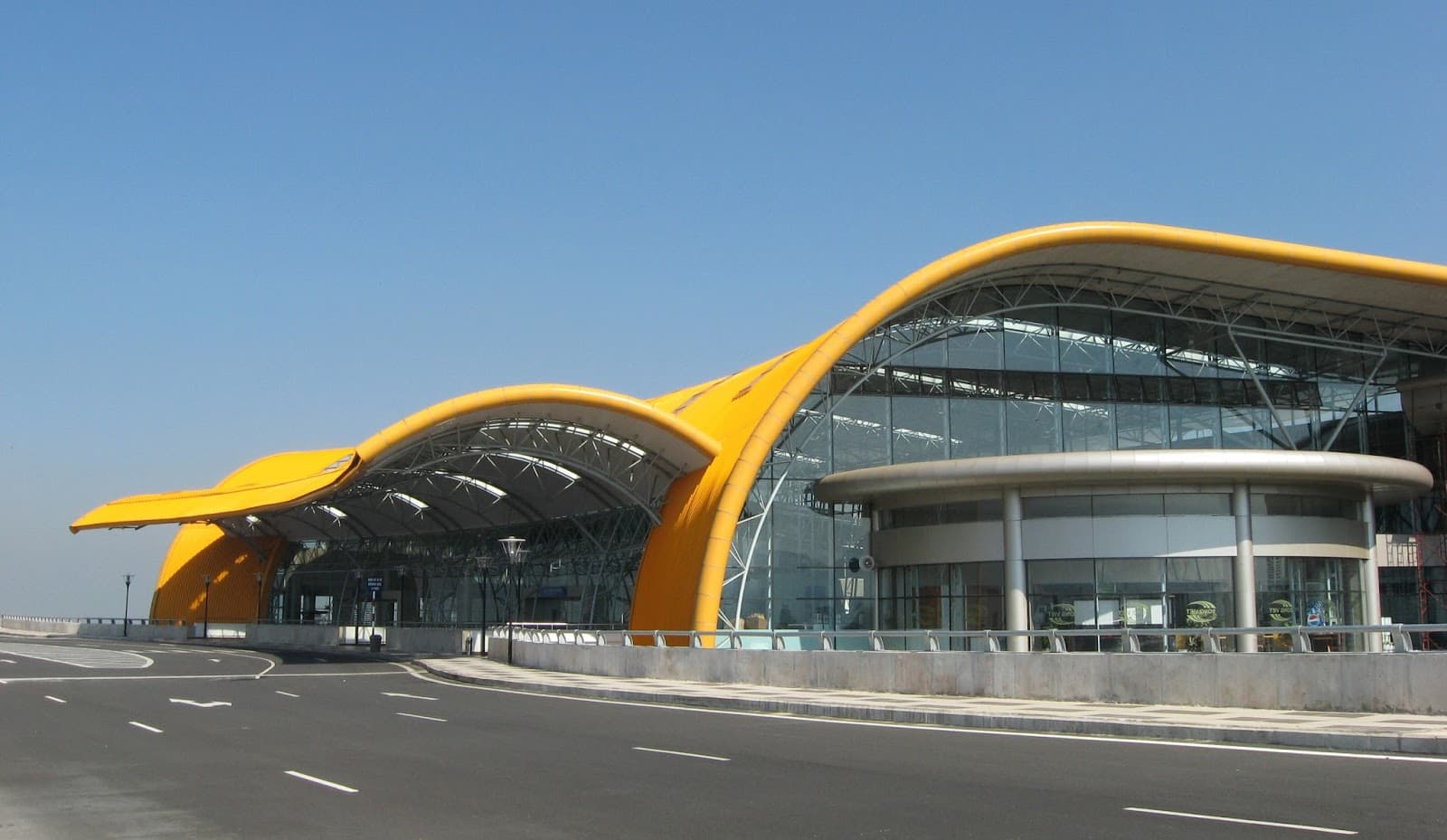
Lien Khuong Cham Towers Lam Dong Vietnam
The Lien Khuong Cham Towers, situated in Lam Dong Province, Vietnam, represent a significant manifestation of the Dravida-Champa architectural style, a testament to the enduring legacy of India's millennia-spanning heritage and the continuous tradition of Indian civilization across Southeast Asia. Dedicated primarily to Hindu deities, often Shiva, these towers embody the profound cultural exchange that saw indigenous Indian architectural principles flourish in the Champa Kingdom during the Medieval Period [1]. The architectural style, deeply rooted in the Dravida tradition of South India, is characterized by its towering brick structures, typically constructed using a sophisticated dry masonry technique where bricks are precisely cut and laid without mortar, then often ground smooth and bonded with a resin from local plants [2]. This method allowed for remarkable structural integrity and intricate detailing. A typical Cham tower, or *kalan*, features a square or rectangular base, rising in several diminishing tiers to a pyramidal roof, often crowned with a finial [3]. The main sanctuary at Lien Khuong, like other 9th-century Cham temples, would have housed a *lingam* or a statue of a Hindu deity, reflecting the prevalent Shaivite worship [4]. False doors are commonly found on the north, west, and south sides, while the true entrance faces east, aligning with ancient Hindu cosmological principles. Niches on the exterior walls often contain sculptures of *devatas* (deities), *apsaras* (celestial nymphs), or mythical creatures like *makaras* (sea-monsters) and *kalas* (glorious faces), all echoing iconographic traditions from India [3]. The decorative elements, often carved in sandstone and inserted into the brickwork, showcase a blend of indigenous Cham artistry with classical Indian motifs, emphasizing the site's role in India's long cultural continuum [5]. While specific dimensions for the Lien Khuong towers are not widely documented, 9th-century Cham *kalans* typically range from 10 to 20 meters in height, with base dimensions of approximately 8 to 12 meters square [3]. The current state of the Lien Khuong Cham Towers, listed on the UNESCO Tentative List, suggests ongoing recognition of its heritage value, though detailed conservation efforts and archaeological findings specific to this site require further public documentation [1]. The site stands as a profound testament to the depth and sophistication of Indian architectural and cultural traditions, which profoundly influenced the Champa Kingdom. The site is operationally ready for scholarly study and heritage appreciation, contributing to the understanding of ancient Indic cultural diffusion [1].
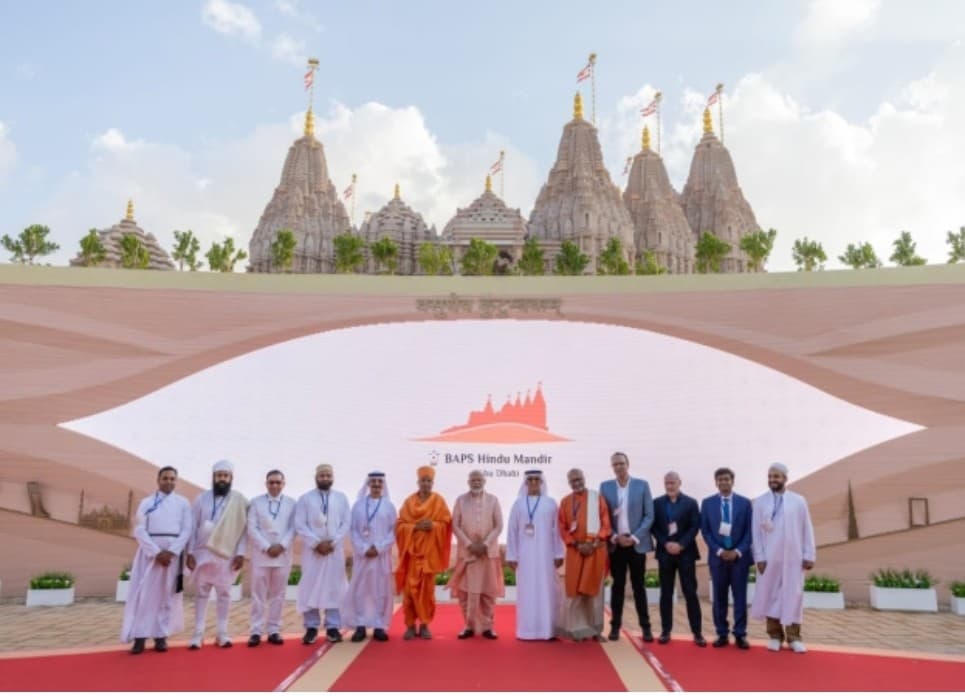
Maha Lakshmi Temple Abu Dhabi (BAPS Campus)
The Maha Lakshmi Temple forms the southern devotional wing of the BAPS Hindu Mandir campus in Abu Dhabi, providing a dedicated sanctum for Sri Mahalaxmi-Narayana with a Vaikuntha-inspired sinhasan crafted from Italian marble, gold-plated lotuses, and fibre-optic constellations that mirror Abu Dhabi's desert night sky ([1][2]). Consecrated alongside the main mandir in February 2024, the Lakshmi sanctum offers a quieter devotional experience focused on prosperity, education, and wellbeing—hosting specialised Lakshmi Pujas for entrepreneurs, students, and families moving to the Gulf. The hall seats 600 devotees, features carved marble columns, and integrates digital translation kiosks offering arti lyrics in Hindi, English, Malayalam, and Tagalog. Daily schedule aligns with the mandir's 6:00 AM-9:00 PM operations, but the Lakshmi wing hosts additional Friday evening Ashtalakshmi satsang, Saturday bridal blessings, and quarterly finance literacy workshops led by community volunteers. Donors can participate in Navagraha homa, Kuber puja, or annadhanam out of the adjoining seva kitchen. A micro-museum displays stories of Gulf entrepreneurs whose philanthropy supported the mandir and documents historic trade links between Gujarat, the Malabar coast, and the Trucial States.
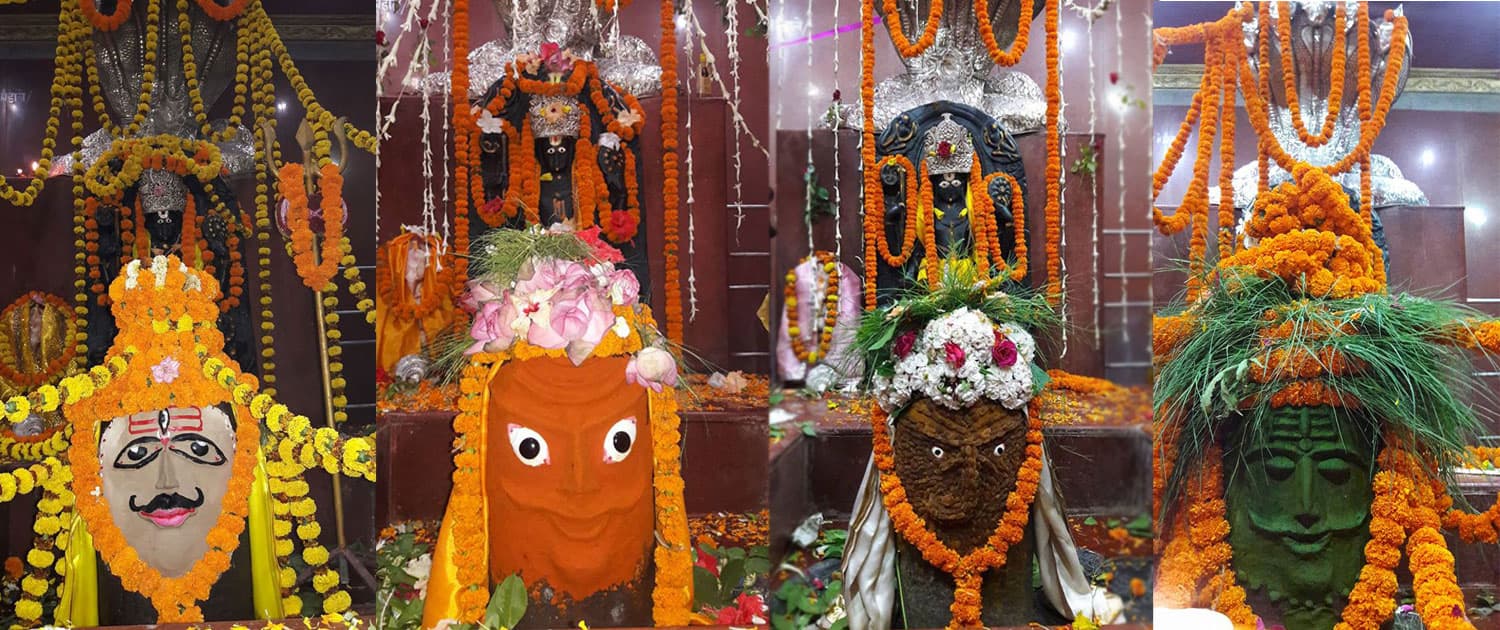
Baba Harihar Nath Temple Sonepur
On the sacred confluence of the Gandak and Ganges rivers, the Baba Harihar Nath Temple in Sonepur, Bihar, stands as a testament to India's rich architectural and religious heritage ([1][2]). Constructed in 1089 CE during the Rajput Period, this 11th-century edifice exemplifies the Nagara style of North Indian temple architecture ([3]). Raja Man Singh's patronage led to the creation of this temple, which continues to be a significant pilgrimage site ([1]). Intricate carvings embellishing the outer walls narrate tales from Hindu mythology, particularly those associated with Shiva ([4]). Floral and geometric patterns intertwine, reflecting the exceptional skills of the artisans who shaped the temple's form ([5]). The weathered figures retain their dynamism, a testament to the enduring artistry of the period ([4]). The Shikhara (spire), while Nagara in its essence, subtly integrates Mughal influences, crowned by a golden Kalash (finial) ([5]). Within the Garbhagriha (sanctum), a Shiva lingam resides in a simple chamber, contrasting with the ornate exterior and emphasizing the core of Hindu worship ([1]). Stone, brick, mortar, and plaster were meticulously employed in the temple's construction, showcasing the sophisticated building techniques of the time ([3]). The temple's architectural style aligns with principles outlined in ancient texts like the Manasara Shilpa Shastra, which detail the proportions and design elements of Nagara temples ([4][5]). During the annual Sonepur Cattle Fair, one of Asia's largest, the temple transforms into its epicenter, drawing devotees and visitors alike ([2][3]). The Baba Harihar Nath Temple embodies the cultural synthesis of India, seamlessly blending history, mythology, and unwavering faith, a lasting legacy of ancestral artistry ([1][4][5]). It remains a vibrant symbol of devotion and architectural excellence in the heart of Bihar.
Quick Links
Plan Your Heritage Journey
Get personalized recommendations and detailed visitor guides