Monument in Andhra Pradesh
Discover monument in Andhra Pradesh. Explore architectural marvels, historical significance, and cultural heritage.
3 documented monument
Total Sites:3
3
Featured
3 Sites Found
Featured
80% Documented
tpt road, Chandragiri (517101), Andhra Pradesh, India, Andhra Pradesh
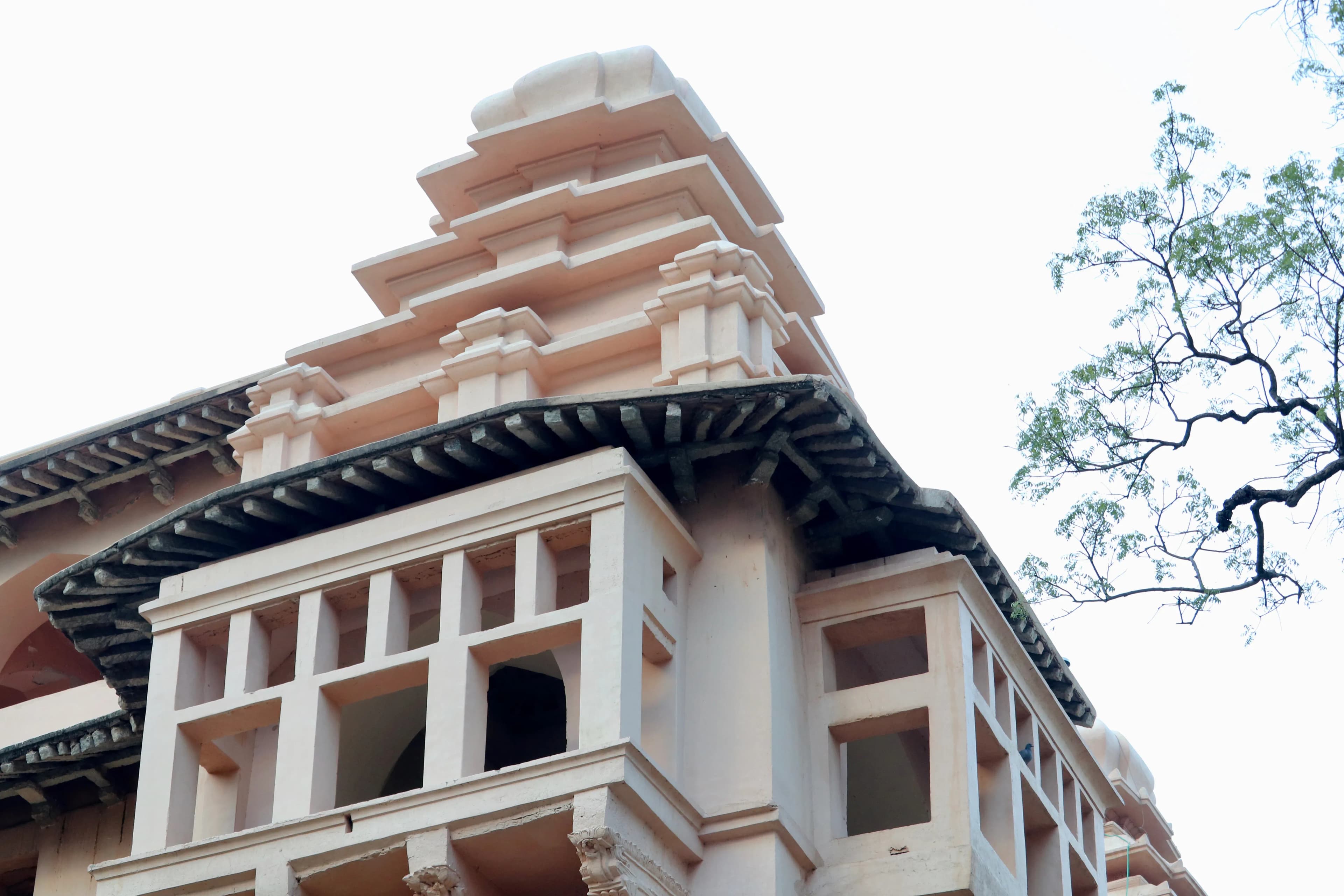
Nestled in Chittoor, Andhra Pradesh, Chandragiri Fort was erected around 1050 CE by the Yadava dynasty ([1][2]). This 11th-century fort exemplifies the Indo-Saracenic architectural style, visibly merging Hindu and Islamic construction techniques ([3]). The fort is constructed using stone, mortar, bricks and wood ([4]). Unlike typical rock-cut fortifications, Chandragiri rises distinctly above the surrounding terrain. The fort is divided into two sections: a lower fort, which historically served as a marketplace, and an upper fort, which houses the Raja Mahal Palace complex ([1]). Intricate carvings adorning the gateways showcase the skill of Vijayanagara artisans ([2][3]). The stone used in the construction, lighter in color than basalt, gives the structure its unique aesthetic ([4]). Sophisticated water management systems ensured a consistent water supply within the fort ([1][2]). Large tanks (reservoirs) and wells were strategically positioned to collect rainwater through an intricate network of channels ([3][4]). From its elevated position, the fort provides panoramic views of the surrounding landscape, a crucial element for controlling trade routes and for defense ([1]). The fort’s architecture reflects the influence of multiple dynasties that have occupied it throughout its history ([2][3]). During the Vijayanagara period, Chandragiri gained prominence and served as their fourth capital ([5]). The Raja Mahal within the upper fort now functions as an archaeological museum ([6]). The museum houses a collection of artifacts, sculptures, and historical relics, providing insights into the fort's rich past and the dynasties that shaped it ([5][6]). The fort stands as a reminder of the region's layered history and architectural heritage ([3]).
Monument
Vijayanagara Period

Featured
80% Documented
Ibrahim Bagh, Hyderabad (500008), Telangana, India, Andhra Pradesh
The Deccan plateau shimmered under the late afternoon sun as I approached Golconda Fort, its imposing ramparts rising abruptly from the landscape, a stark contrast to the bustling city of Hyderabad that sprawled around it. Having explored countless forts across North India, from the majestic citadels of Rajasthan to the crumbling ramparts of the Himalayas, I was eager to see how this southern stronghold measured up. The sheer scale of Golconda took me aback. This wasn't just a fort; it was a city within a city, spread across a granite hill, its walls stretching for nearly seven kilometers. The climb to the Bala Hissar, the highest point of the fort, was a journey through layers of history. Each gateway, each bastion, each crumbling wall whispered tales of power, intrigue, and the rise and fall of empires. The architecture was a fascinating blend of Hindu and Persian influences, a testament to the fort's diverse past. The sturdy granite construction, typical of the region, was punctuated by elegant arches, intricate carvings, and the occasional splash of turquoise tile work, hinting at the Persian aesthetic favored by the Qutb Shahi dynasty. I was particularly struck by the ingenious acoustic design. A clap at the entrance gate could be heard clearly at the Bala Hissar, almost a kilometer away – a feat of engineering that served both as a communication system and a display of power. As I wandered through the royal apartments, I imagined the opulence and grandeur that once filled these spaces. The remnants of intricate frescoes, delicate jali screens, and ornate balconies offered glimpses into the luxurious lives of the Qutb Shahi rulers. The view from the Bala Hissar was breathtaking, offering a panoramic vista of Hyderabad, a modern metropolis juxtaposed against the ancient fort. It was a powerful reminder of the enduring legacy of the past. One of the most captivating aspects of Golconda was its water management system. The intricate network of tanks, cisterns, and aqueducts, designed to harvest and conserve rainwater, was a marvel of ancient engineering. Even today, centuries later, these systems continue to function, a testament to the ingenuity of the builders. I spent a considerable amount of time exploring the Rani Mahal, the queen's quarters, with its private bathing area and ingenious ventilation system, designed to keep the interiors cool even during the scorching summer months. The whispers of history were palpable everywhere. I could almost hear the clatter of hooves, the clash of swords, and the murmur of courtly intrigue. The Koh-i-Noor diamond, one of the most famous jewels in the world, was reportedly once housed within these walls, adding another layer of mystique to the fort's already rich history. Unlike many historical sites in India, Golconda felt remarkably well-maintained. The pathways were clear, the signage informative, and the overall experience was enhanced by the absence of intrusive commercialization. This allowed me to truly immerse myself in the history and atmosphere of the place. As the sun began to set, casting long shadows across the ramparts, I descended from the fort, carrying with me a profound sense of awe and admiration. Golconda was more than just a fort; it was a living testament to a rich and complex history, a place where the echoes of the past resonated with the present. It was a reminder that even in the midst of a bustling modern city, the whispers of history can still be heard, if you only know where to listen. My journey through North India had brought me face to face with countless historical wonders, but Golconda, with its unique blend of architectural brilliance, ingenious engineering, and captivating history, held a special place among them.
Monument
Kakatiya Period
Featured
80% Documented
Mathwada, Warangal (506001), Telangana, India, Andhra Pradesh
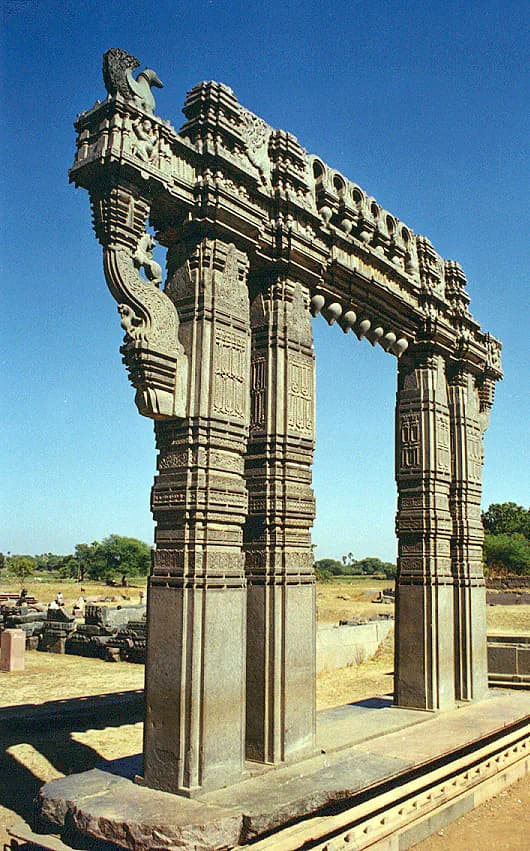
The imposing granite ramparts of Warangal Fort rose before me, shimmering under the Telangana sun. Having explored countless caves and temples across Maharashtra, I've developed a keen eye for architectural nuances, and Warangal Fort, with its blend of Kakatiya and subsequent influences, promised a feast for the senses. The four massive gateways, known as Kakatiya Kala Thoranam, are truly magnificent. Their intricate carvings, depicting mythical creatures and floral patterns, speak volumes about the artistic prowess of the Kakatiya dynasty. I spent a considerable amount of time studying the exquisitely preserved Swayambhu temple gateway, its arches adorned with intricate carvings of goddesses and celestial beings. The sheer scale of these structures, combined with the delicate artistry, is breathtaking. Stepping through the arched entrance, I was immediately transported back in time. The fort, though in ruins, retains an aura of grandeur. The remnants of the once-imposing walls, the scattered pillars, and the crumbling structures all whisper tales of a glorious past. Unlike many forts I've visited in Maharashtra, which often feature basalt construction, Warangal's granite lends it a unique, almost ethereal quality. The stone, weathered by centuries of sun and rain, glows with a warm, reddish hue, particularly striking during the golden hour. My exploration led me to the Khush Mahal, a fascinating structure that showcases a blend of architectural styles. The arched openings and intricate jaali work clearly demonstrate later additions, likely during the Qutb Shahi period. This layering of history, visible in the very stones of the fort, is what makes Warangal so compelling. It's not just a monument; it's a palimpsest of time, each layer revealing a different chapter in the region's story. The central structure, the Sri Venkateswara Swamy Temple, though a later addition, stands as a testament to the enduring spiritual significance of the site. While the original Kakatiya temple was destroyed, the current structure retains a sense of reverence. I observed locals offering prayers, a poignant reminder that these ancient spaces continue to hold meaning for contemporary communities. One of the most striking features of Warangal Fort is its ingenious water management system. The numerous tanks and wells scattered throughout the complex, including the large, rectangular Ek Batti Baoli (stepwell), highlight the Kakatiyas' understanding of hydraulic engineering. I descended the steps of the baoli, marveling at the intricate network of channels and the foresight of the builders who ensured a sustainable water supply within the fort. This attention to practical details, alongside the artistic flourishes, speaks to the holistic approach of the Kakatiya rulers. As I wandered through the ruins, I noticed the distinct lack of interpretative signage. While this allowed for a more immersive experience, relying solely on my observations and prior research, I felt that more information could enhance the visitor's understanding of the site's historical and architectural significance. This is an area where improvements could be made, perhaps by incorporating discreetly placed information panels or offering guided tours. Leaving Warangal Fort, I carried with me a profound sense of awe and a deeper appreciation for the Kakatiya dynasty's contributions to Indian architecture and history. The fort is not merely a collection of ruins; it is a living testament to a powerful kingdom, a testament etched in stone, resonating with the echoes of a bygone era. It stands as a powerful counterpoint to the cave temples and forts of my home state, Maharashtra, showcasing the diversity and richness of India's architectural heritage.
Monument
Kakatiya Period
Related Collections
Discover more heritage sites with these related collections
Explore More Heritage
Explore individual site pages for detailed information, photos, and visitor details.
Historical Context
This collection documents 3 heritage sites in andhra pradesh. Each site represents a unique piece of cultural and architectural heritage, reflecting the rich traditions and craftsmanship of the region.
Architectural Significance
The sites in this collection demonstrate diverse architectural styles and construction techniques. These monuments showcase the evolution of building practices and artistic expression over centuries.
Conservation & Preservation
These heritage sites are important cultural assets that require ongoing preservation and documentation efforts. Conservation work ensures these monuments continue to serve as centers of cultural and spiritual significance.
Visitor Information
For detailed visitor information, including opening hours, entry fees, and photography policies, please refer to individual site pages. The best time to visit is typically October through March.
Frequently Asked Questions
How many monument are in this collection?
This collection includes 3 documented monument in andhra pradesh.
What information is available for these sites?
Each site page includes detailed documentation including photos, historical information, architectural details, and visitor information.
📍
StateAndhra Pradesh
What is Monument in andhra-pradesh?
Discover monument in Andhra Pradesh. Explore architectural marvels, historical significance, and cultural heritage.
Total Count:
0 sitesRegion:
andhra-pradeshType:
MonumentStatus:
Heritage ProtectedKey Characteristics
- 1Diverse architectural styles from various periods
- 2Intricate craftsmanship and artistic excellence
- 3Historical and cultural significance
- 4Well-documented heritage value
- 5Protected under heritage conservation acts
- 6Tourist and educational significance
Distribution by State
| 📍Andhra Pradesh | 3 sites |