Has Inheritage Foundation supported you today?
Your contribution helps preserve India's ancient temples, languages, and cultural heritage. Every rupee makes a difference.
Secure payment • Instant 80G certificate
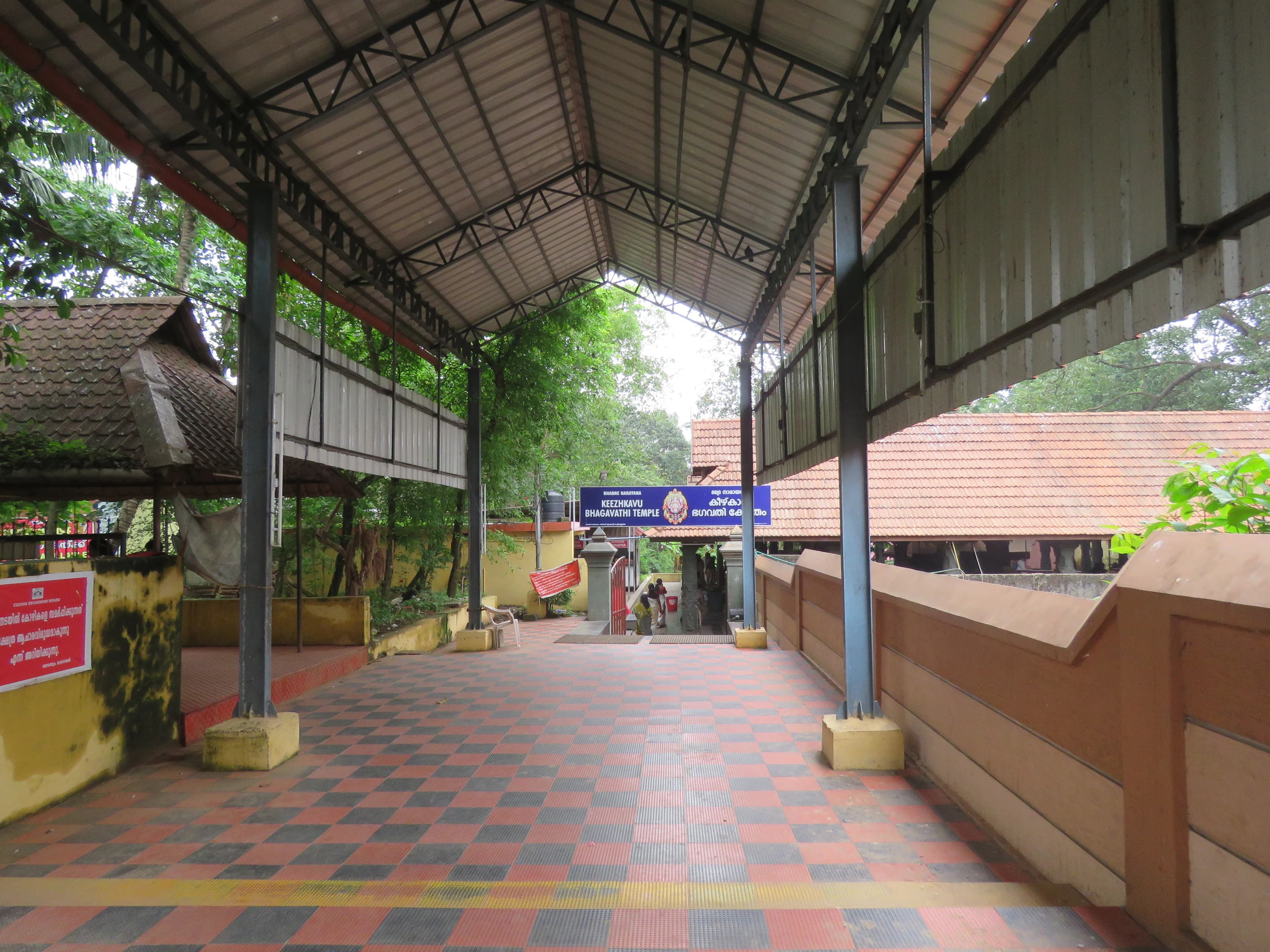
Chottanikkara Bhagavathy Temple Ernakulam
Nestled in the verdant landscapes of Kerala, the Chottanikkara Bhagavathy Temple, near Ernakulam, allures devotees with its spiritual sanctity. Dating back to 800 CE, during the reign of the Chera Dynasty, the temple exemplifies Keralan architecture ([1]). Dedicated to Bhagavathy, the revered mother goddess, the temple complex serves as a vibrant center for devotion ([2]). Intricate carvings adorning the walls narrate tales from Hindu mythology, reflecting the region's artistic legacy ([3]). During the Chera period, temple architecture flourished, supported by royal patronage ([4]). Within the Garbhagriha (Sanctum), Rajarajeswari, the benevolent manifestation of Bhagavathy, captivates devotees with her serene presence ([5]). The Keezhkkaavu, or lower sanctum, houses Rakthachaamundi, the goddess's fierce aspect, where devotees make unique offerings ([6]). Vastu Shastra principles, the ancient Indian science of architecture, guided the construction, evident in the temple's layout and orientation ([7]). Granite and laterite blocks, meticulously carved, form the structural elements, showcasing the craftsmanship of the era ([8]). The sloping roofs, a hallmark of Keralan architecture, protect the temple from the heavy monsoon rains ([9]). The use of wood, especially in the detailing and the roof structure, adds to the aesthetic appeal ([10]). The temple pond, known as 'Theertham', is revered for its purported healing properties, attracting devotees for ritualistic cleansing ([11]). This sacred site exemplifies the enduring power of faith, seamlessly blending ancient traditions with contemporary devotion, offering a glimpse into India's rich spiritual heritage ([12]). The Chottanikkara Bhagavathy Temple stands as a testament to the architectural prowess and religious fervor of the Chera Dynasty and the people of Kerala ([13]).
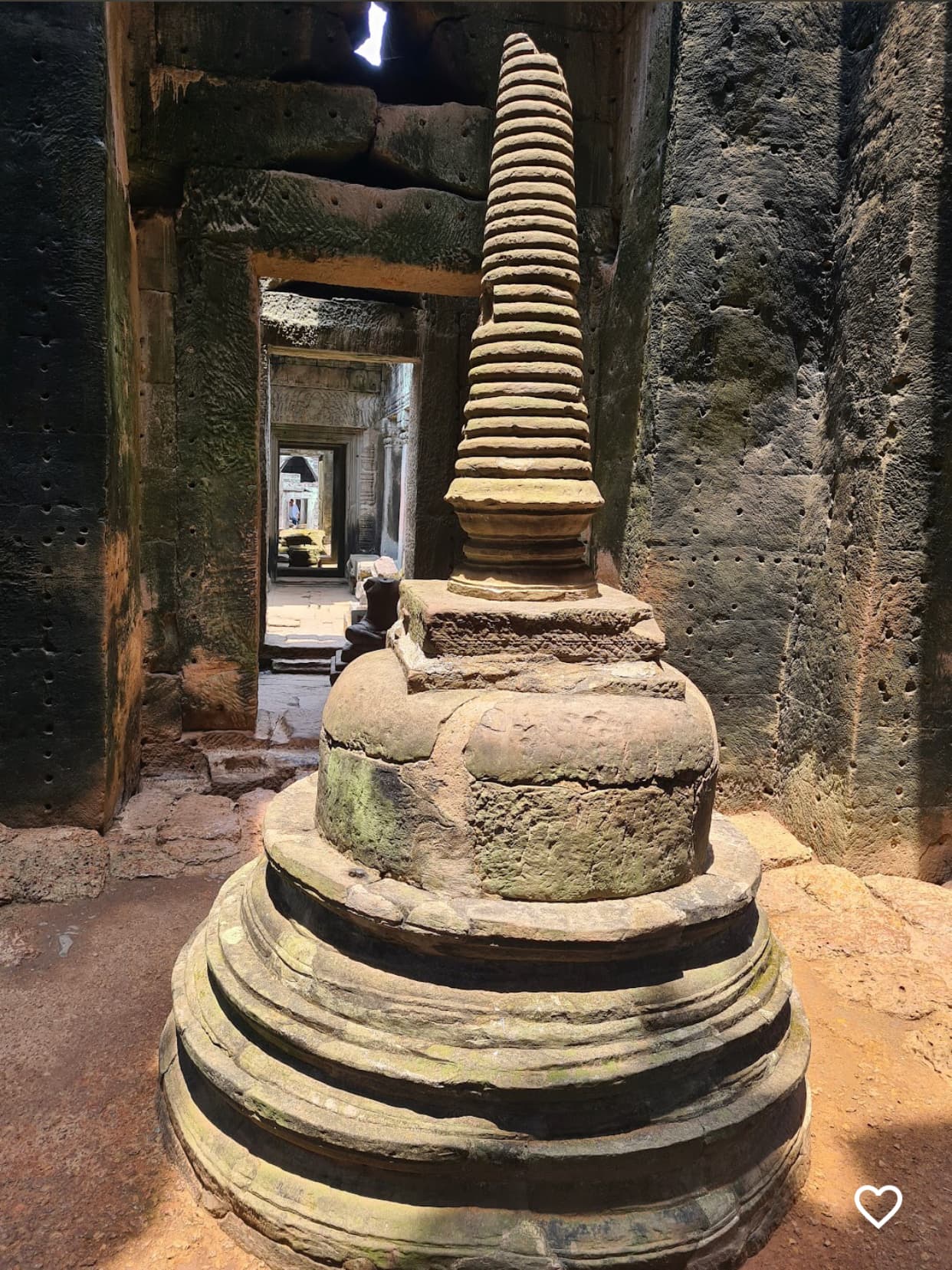
Preah Khan Siem Reap Cambodia
Preah Khan, sprawling across 56 hectares of jungle-enveloped terrain northeast of Angkor Thom, represents one of the most extensive and architecturally complex temple complexes in Southeast Asia, constructed in the late 12th century CE during the reign of King Jayavarman VII as a Mahayana Buddhist monastery and university that seamlessly integrated Vishnu and Shaiva iconography, creating a powerful testament to the sophisticated religious syncretism that characterized Khmer religious practices and the continued transmission of Indian Buddhist and Hindu traditions to Southeast Asia. The temple complex, originally serving as a major center of Buddhist learning that housed over 97,840 people including monks, students, teachers, and support staff according to inscriptions, features extraordinary architectural elements that demonstrate the synthesis of Indian Buddhist monastery architecture with Khmer building techniques, while the temple's extensive decorative programs including numerous devatas, apsaras, and mythological scenes demonstrate the sophisticated understanding of both Indian Buddhist and Hindu iconography possessed by Khmer artists. The temple's name, meaning "Sacred Sword," refers to a legendary weapon that was believed to be housed within the complex, while the temple's architectural layout, with its central sanctuary surrounded by multiple enclosures, libraries, and numerous smaller structures, follows sophisticated Indian Buddhist monastery planning principles that were systematically transmitted from the great monastic centers of India including Nalanda and Vikramashila. Archaeological evidence reveals that the temple served as both a major center of Mahayana Buddhist learning and a repository of Vishnu and Shaiva iconography, demonstrating the remarkable religious syncretism that characterized Khmer religious practices, while the discovery of numerous inscriptions provides crucial evidence of the site's role in the transmission of Indian Buddhist and Hindu texts and practices to Southeast Asia. The temple's extensive decorative programs, executed with remarkable artistic sophistication, include elaborate lintels and pediments depicting scenes from Hindu mythology including Vishnu reclining on the serpent Shesha, Shiva dancing, and numerous other scenes that demonstrate the direct transmission of Indian Hindu iconographic programs and narrative traditions from the great artistic centers of India to Cambodia. Today, Preah Khan stands as part of the UNESCO World Heritage Site and represents one of the most important Mahayana Buddhist monasteries in Southeast Asia, serving as a powerful testament to the transmission of Indian Buddhist and Hindu culture to Southeast Asia, while ongoing archaeological research and conservation efforts continue to protect and study this extraordinary cultural treasure that demonstrates the profound impact of Indian civilization on Southeast Asian religious and artistic traditions. ([1][2])
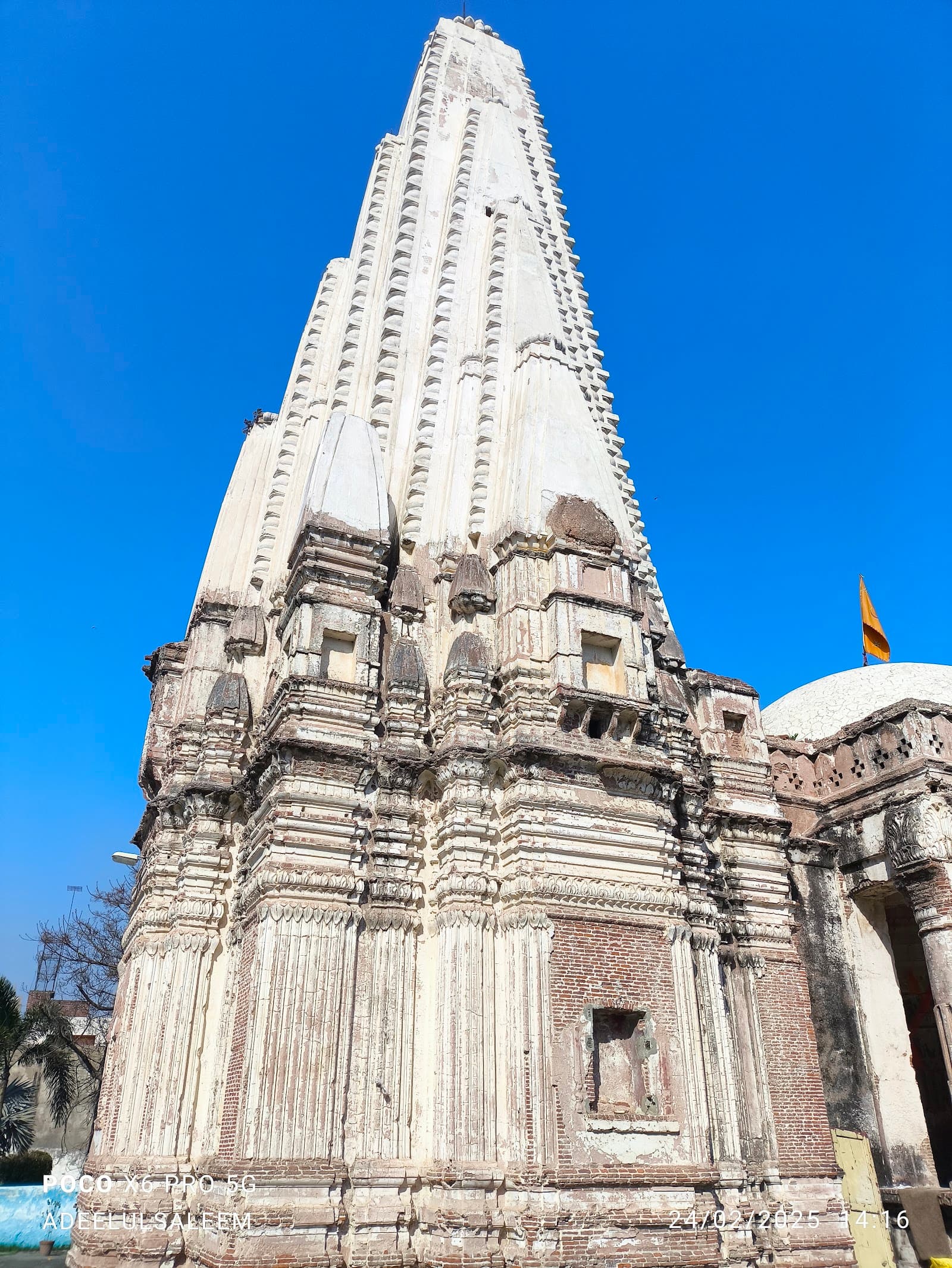
Shawala Teja Singh Temple Sialkot Punjab
The Shawala Teja Singh Temple, dedicated to Lord Shiva, stands as a profound testament to India's millennia-spanning spiritual and architectural heritage in Sialkot, Punjab Province, Pakistan [3]. This sacred edifice, rooted in the continuous tradition of Indian civilization, embodies indigenous architectural styles, materials, and cultural practices that reflect the deep historical roots of the subcontinent [1] [5]. Constructed primarily in the Nagara architectural style, with influences from regional Punjabi and Indo-Islamic aesthetics, the temple showcases a layered history of design and craftsmanship [1]. While specific dimensions are not widely documented, the temple's structure typically features a curvilinear shikhara (spire) characteristic of North Indian temple architecture, rising above the garbhagriha (sanctum sanctorum) [3]. The construction predominantly utilizes local brick and lime mortar, materials historically prevalent in the region, with later additions potentially incorporating stucco and plasterwork [2]. The temple's exterior and interior once featured intricate carvings, sculptures, and vibrant murals, though many of these decorative elements have suffered degradation over time [1]. Historical accounts mention beautiful marble floors and ornate pillars, indicative of the refined craftsmanship employed during its construction and subsequent embellishments [1]. The spatial arrangement follows the traditional Hindu temple plan, with a central shrine housing the deity, surrounded by circumambulatory paths (pradakshina-patha) [3]. While advanced technical specifications like water management systems or defensive features are not explicitly detailed in available records, the temple's elevated position on a dune along Allama Iqbal Road suggests a deliberate choice for prominence and perhaps natural protection . Currently, the Shawala Teja Singh Temple is recognized as a protected heritage site, undergoing significant conservation and restoration efforts [2] [3]. The Pakistan government, through the Evacuee Trust Property Board (ETPB), has undertaken renovation work to restore the temple to its original design, including whitewashing the entire building, fixing the main entrance, and constructing boundary walls for security [2]. Archaeological findings are not extensively reported, but the ongoing restoration work provides opportunities for deeper understanding of its construction phases and earlier forms [2]. The temple is now formally handed over to the Pakistan Hindu Council, facilitating pilgrim visits and religious rituals, thereby ensuring its active programming and continued spiritual significance for the local Hindu community [2] [3]. Accessibility has been improved, and the site is maintained to allow visitor flow, symbolizing the enduring legacy of Indian cultural traditions [2]. The operational readiness of the temple underscores its role as a living heritage site, continuously serving its original purpose while standing as a monument to India's profound and unbroken cultural continuum [2].
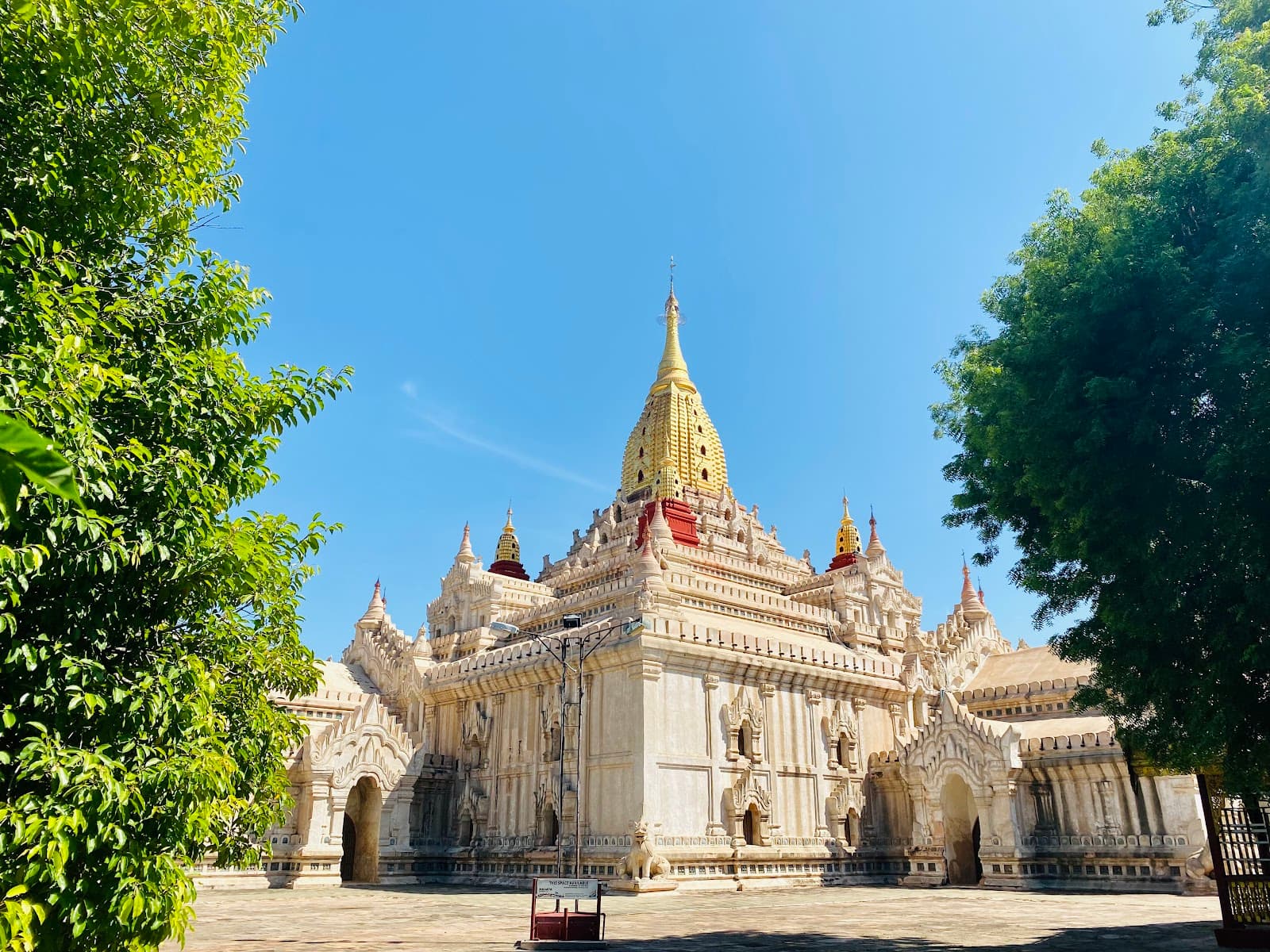
Ananda Temple Bagan
Ananda Temple, situated in the Bagan Archaeological Zone, represents a compelling example of the transmission of Indian architectural and religious ideas to Myanmar, dating back to 1105 CE ([1][2]). King Kyanzittha of the Bagan Empire commissioned its construction, reflecting the empire's engagement with Indian culture ([1]). Vastu Shastra principles, the ancient Indian science of architecture, are discernible in the temple's layout, aligning with mandala-based cosmological concepts common to Hindu and Buddhist sacred spaces ([2]). Rising to a height of 51 meters, the temple follows a cruciform plan, featuring four standing Buddha images facing the cardinal directions ([1]). Intricate carvings adorning the walls narrate stories from the Jataka tales, as well as Hindu epics such as the Ramayana and Mahabharata, illustrating the fusion of religious narratives in ancient Myanmar ([2][3]). During the medieval period, Bagan's temple architecture, including Ananda, absorbed Gupta and Pala influences from India, particularly evident in the Shikhara (spire) design reminiscent of North Indian Nagara temples ([3][4]). Granite and sandstone blocks, meticulously carved, were employed alongside brick and stucco, indicative of the advanced architectural capabilities of the time ([4]). Archaeological evidence suggests the involvement of Indian architects and artisans in the construction, underscoring the strong cultural and commercial links between India and Myanmar ([5]). Sophisticated stucco decoration enhances the temple's exterior, contributing to its overall aesthetic appeal ([1][5]). As a UNESCO World Heritage Site, Ananda Temple embodies Myanmar’s historical connections to Indian civilization through shared religious and architectural traditions ([3][4]). The temple serves as an active site of Buddhist worship, even after undergoing restoration in the 1970s following earthquake damage ([2]). Its enduring presence highlights the interconnectedness of South and Southeast Asian cultures through the exchange of artistic and spiritual ideas.
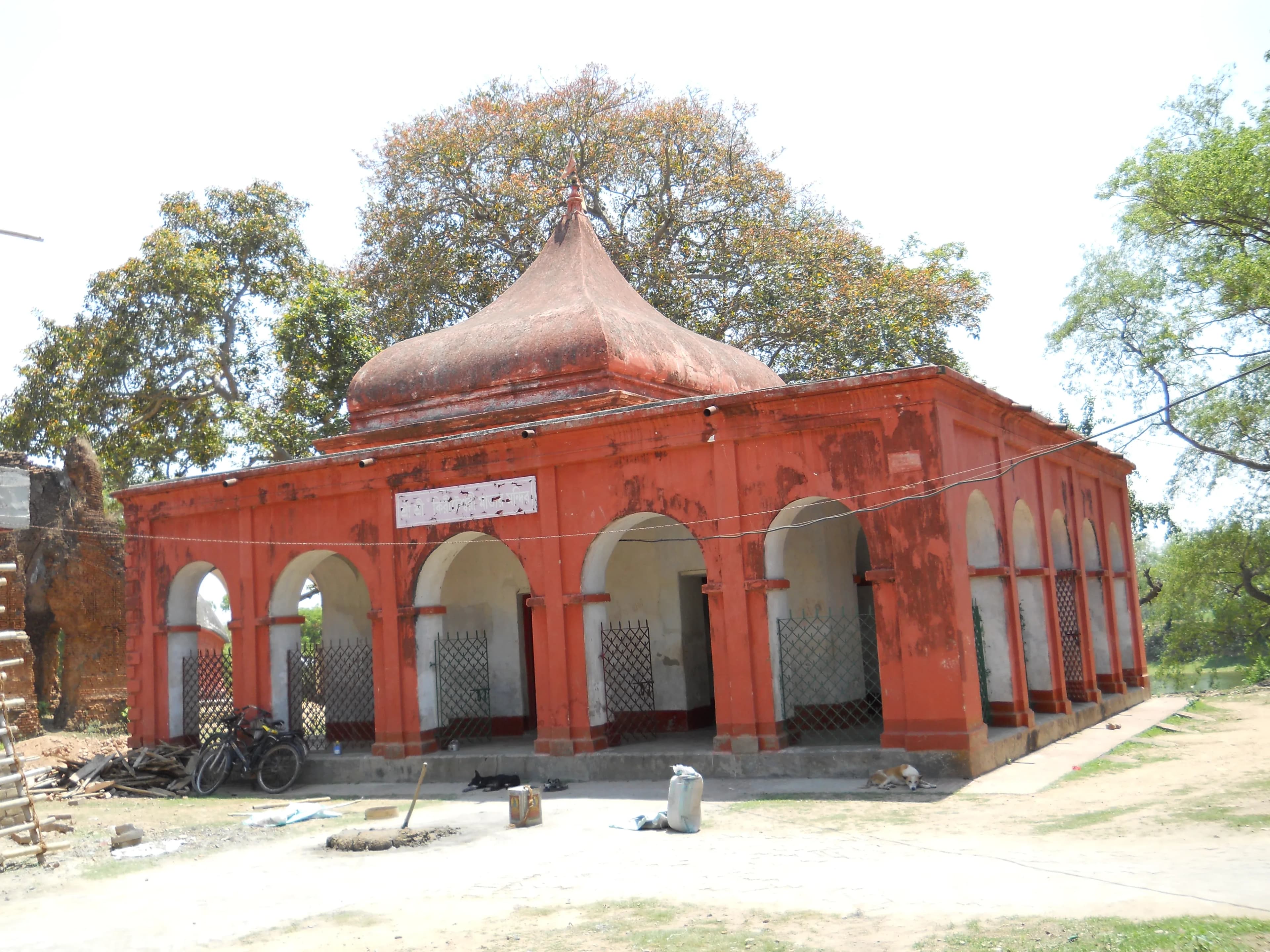
Kiriteswari Temple Murshidabad
The terracotta-red spire of the Kiriteswari Temple, rising against the muted green of rural Bengal, felt strangely familiar. Having explored countless caves and temples across Maharashtra, I’ve become accustomed to a certain architectural vocabulary – the solid basalt structures of the Deccan, the intricate carvings of Ellora and Ajanta. Yet, here in Murshidabad, a whisper of that familiarity echoed, a testament to the cultural exchange that has shaped India's heritage. Kiriteswari, dedicated to the fearsome form of Goddess Durga, stands as a powerful symbol of Shakti. Unlike the stone edifices I'm used to, this temple, rebuilt in the late 19th century, embraces the region's affinity for brick and terracotta. The towering spire, or *shikhara*, follows the classic Bengali *ek-ratna* style, a single pinnacle crowned with a decorative finial. Its surface, however, is a riot of terracotta plaques, depicting scenes from mythology, everyday life, and even glimpses of colonial influence. I noticed depictions of British soldiers alongside traditional motifs of gods and goddesses, a fascinating visual representation of the era in which the temple was reconstructed. Stepping inside the temple courtyard, I was immediately struck by the palpable energy. Devotees thronged the space, their chants and prayers creating a vibrant soundscape. The air was thick with the scent of incense and flowers, a sensory overload that transported me far from the quiet serenity of Maharashtra's cave temples. The main sanctum, relatively small and dimly lit, houses the deity – a small, unassuming black stone representing Goddess Kiriteswari. The simplicity of the idol contrasted sharply with the elaborate ornamentation of the temple exterior, highlighting the essence of devotion that lies beyond outward appearances. I spent hours wandering through the temple complex, examining the intricate details of the terracotta panels. The craftsmanship was remarkable. Each panel, though weathered by time and the elements, told a story. I saw depictions of Krishna playing the flute, scenes from the Ramayana, and even portrayals of British officers in their colonial attire. These panels offered a unique glimpse into the socio-cultural landscape of 19th-century Bengal, a period of transition and cultural confluence. One particular panel caught my attention – a depiction of a European ship sailing on the Ganges. This seemingly insignificant detail spoke volumes about the impact of colonial trade on the region. Murshidabad, once the capital of Bengal, was a major trading hub, and the presence of European ships on the river would have been a common sight. The inclusion of this detail in the temple's ornamentation highlighted the way in which local artists incorporated elements of their changing world into their artistic expression. As the sun began to set, casting long shadows across the temple courtyard, I found a quiet corner to reflect on my experience. Kiriteswari Temple, though geographically distant from the temples and caves I've explored in Maharashtra, resonated with a similar spirit of devotion and artistic expression. The difference in architectural style, the use of terracotta instead of stone, the vibrant energy of the devotees – these were not differences that separated, but rather nuances that enriched the tapestry of Indian heritage. It reinforced my belief that the true beauty of exploring India lies not in seeking uniformity, but in embracing the rich diversity of its cultural expressions. The whispers of familiarity I felt upon arrival had transformed into a resounding affirmation of the interconnectedness of India's spiritual and artistic traditions.
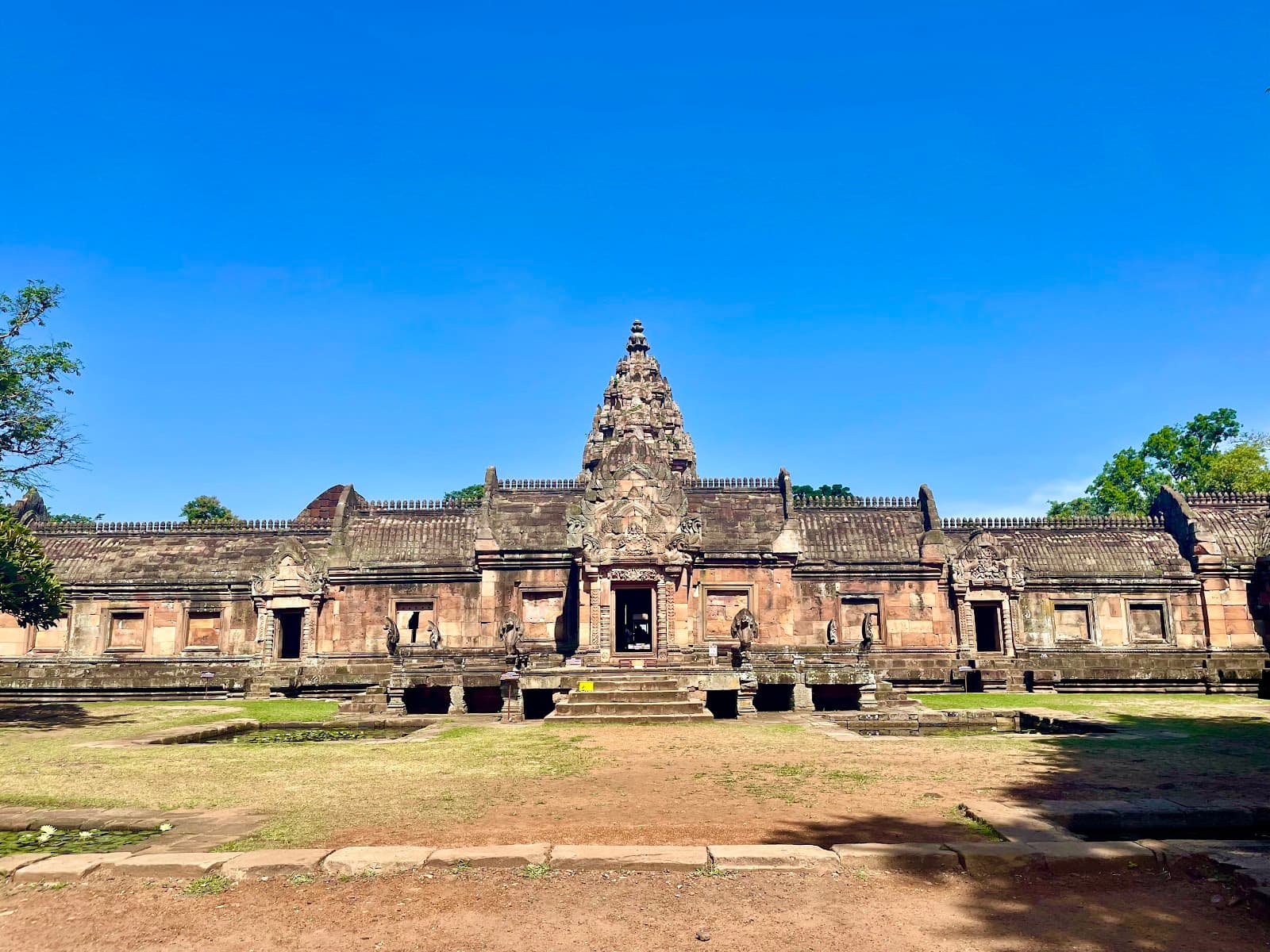
Phanom Rung Historical Park Buri Ram
Phanom Rung Historical Park, situated atop an extinct volcano 383 meters above sea level in Buri Ram Province, represents the most complete and architecturally sophisticated Khmer Hindu temple complex in Thailand, dedicated to Shiva as Bhadreshvara. The temple complex, constructed between the 10th and 13th centuries CE, spans approximately 60 hectares and features a meticulously planned east-west axis aligned precisely to capture the sunrise through all fifteen doorways during the equinoxes—a phenomenon that draws thousands of visitors annually. The main prasat (sanctuary tower) rises 27 meters, constructed from pink sandstone and laterite, accessed via a 160-meter-long processional walkway flanked by naga balustrades and punctuated by four cruciform gopuras. The complex includes three libraries, two ponds, and numerous subsidiary shrines, all demonstrating the evolution from Baphuon to Angkor Wat architectural styles. The temple’s lintels and pediments showcase exceptional bas-relief work depicting scenes from the Ramayana, Shiva’s cosmic dance, and various Hindu deities, with the famous Narai Bantomsin lintel considered among the finest examples of Khmer art. Archaeological excavations have revealed evidence of continuous use from the 10th century through the 15th century, with restoration work conducted by the Fine Arts Department of Thailand from 1971 to 1988, culminating in the site’s designation as a historical park in 1988. The temple remains an active site of worship during annual festivals, particularly during the Phanom Rung Festival in April, when traditional Brahmin ceremonies are performed. ([1][2])
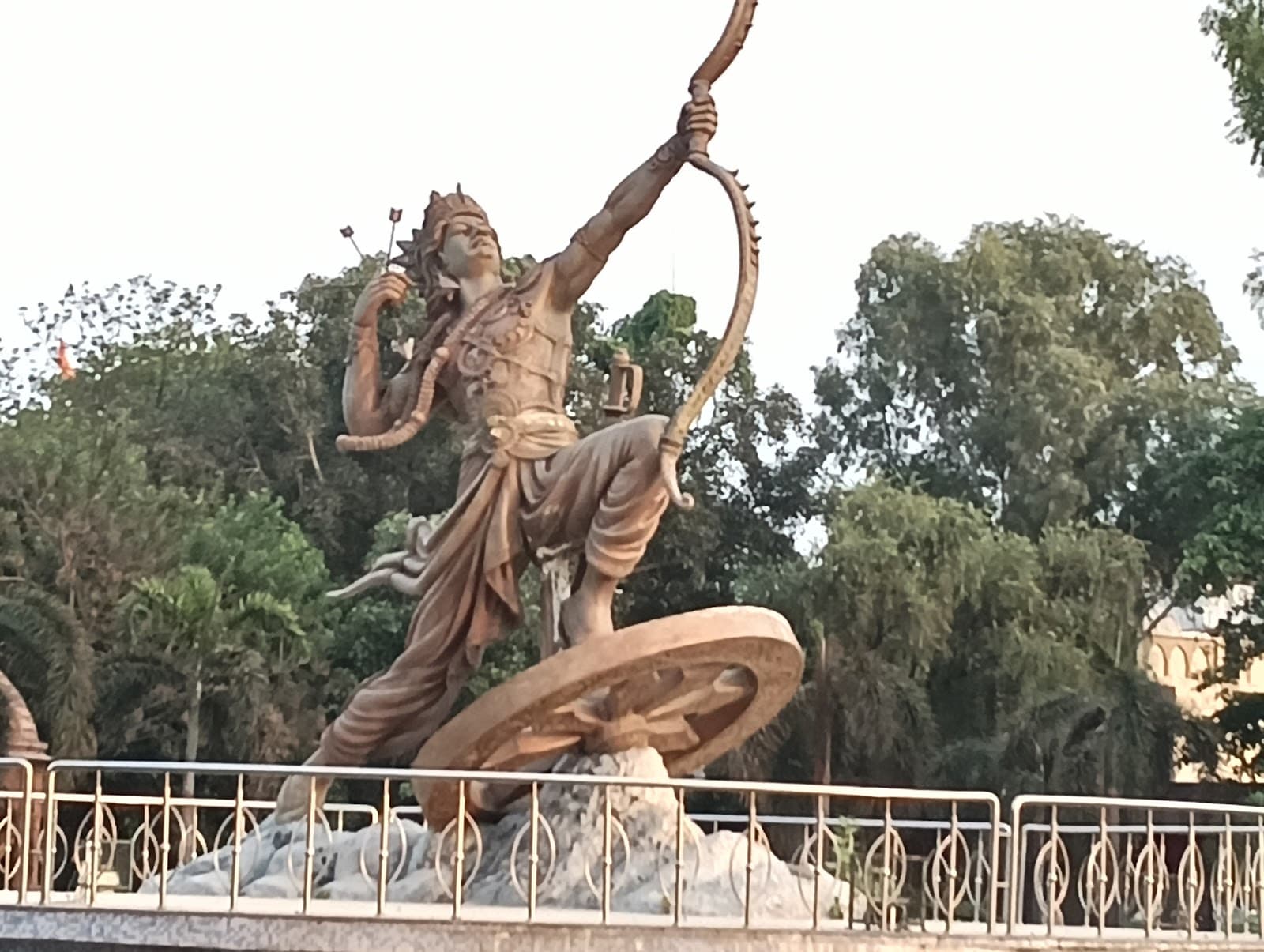
Karna Fort Karnal
The imposing ramparts of Karna Fort, baked under the Haryana sun, rose before me, a stark silhouette against the cerulean sky. Dust swirled around my ankles as I crossed the threshold, stepping into a realm where whispers of the Mahabharata seemed to linger in the very stones. Located in present-day Karnal, this fort, attributed to the legendary warrior Karna, carries a weight of history that transcends its current dilapidated state. Unlike the meticulously preserved forts of Rajasthan, Karna Fort stands as a raw, almost skeletal testament to time's relentless march. Erosion has gnawed at its brick and mortar, leaving exposed sections that reveal the fort's construction techniques. I noticed the use of lakhori bricks, smaller and thinner than the standard size, a common feature in ancient Indian construction, particularly in the northern regions. These bricks, laid in a running bond pattern, speak of a pragmatic approach to building, prioritizing stability and resource efficiency. The fort's layout, though obscured by the ravages of time, suggests a strategic design. The remnants of what were likely guard towers still command a panoramic view of the surrounding plains, hinting at the fort's defensive importance. I could almost visualize sentries stationed here, their eyes scanning the horizon for approaching armies. The strategic location of Karnal, on the ancient trade routes, would have made this fort a crucial stronghold. Walking through the crumbling archways and along the fragmented walls, I was struck by the fort's stark beauty. The absence of elaborate ornamentation, so common in later Mughal architecture, lends it a certain austere elegance. The focus here was clearly on functionality, on creating a structure that could withstand sieges and safeguard its inhabitants. The few remaining carvings, weathered and worn, offered glimpses into the artistic sensibilities of the era. I noticed a recurring motif of stylized lotus flowers, a symbol deeply embedded in Indian iconography, representing purity and creation. One of the most intriguing aspects of Karna Fort is its connection to the Mahabharata. Local legends abound, linking the fort to Karna, the tragic hero of the epic. While historical evidence remains elusive, the very association imbues the site with a powerful aura of myth and legend. Standing within these crumbling walls, it was easy to imagine Karna, clad in his armor, strategizing within these very halls. The fort's current state of neglect is, however, a poignant reminder of the challenges faced in preserving India's rich architectural heritage. Overgrowth has claimed large sections of the fort, and the lack of proper conservation efforts has accelerated its decay. While some restoration work has been initiated, a more comprehensive approach is crucial to prevent further deterioration. My visit to Karna Fort was a journey through layers of history, a tangible connection to a bygone era. It was a stark reminder of the impermanence of empires and the enduring power of stories. While the fort may be in ruins, its spirit remains unbroken, a silent sentinel guarding the memories of a legendary past. It is a site that deserves greater attention, not just for its architectural significance but also for its cultural and historical value. Preserving Karna Fort is not just about saving bricks and mortar; it's about safeguarding a vital piece of India's collective memory.
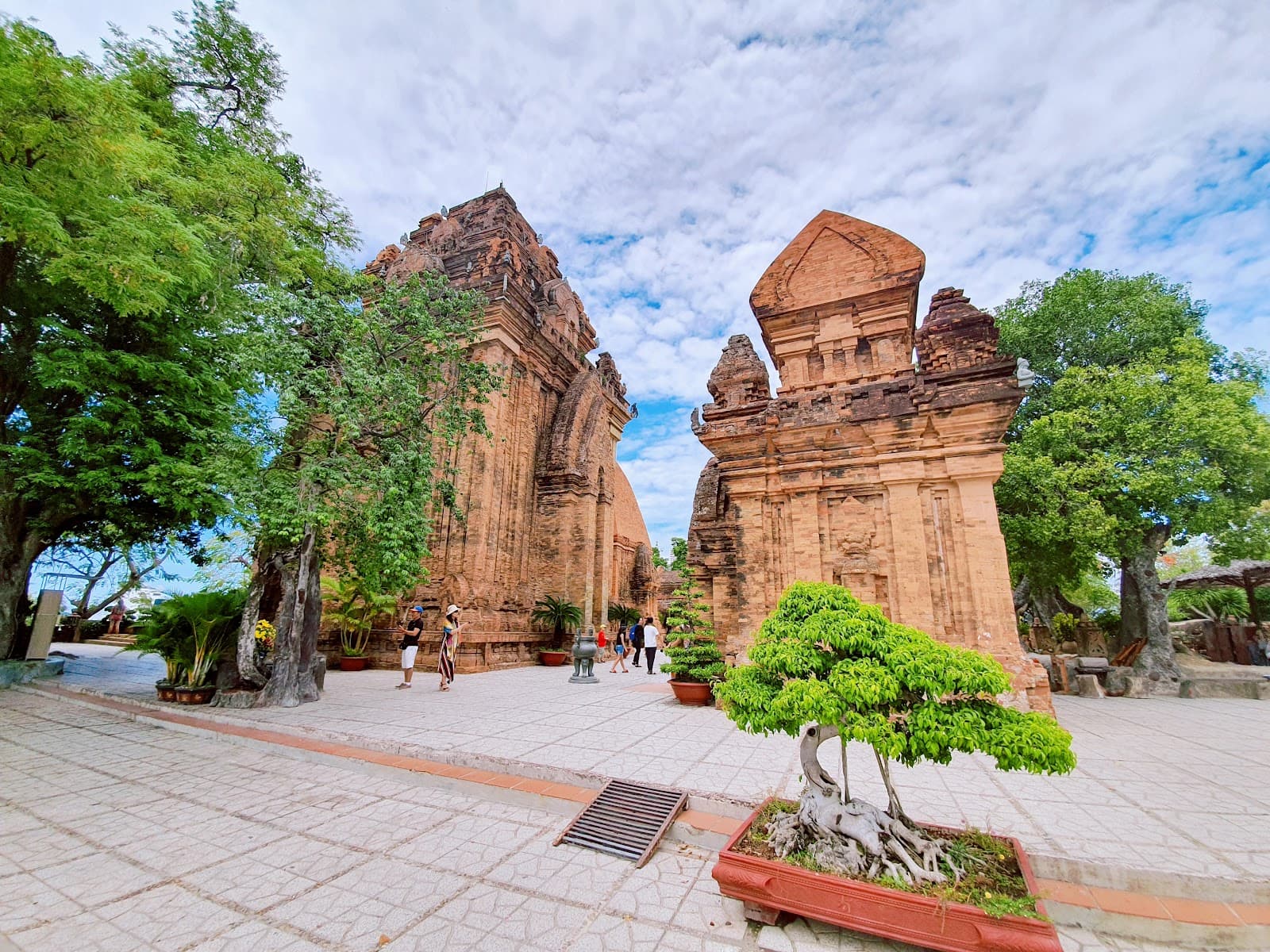
Po Nagar Cham Towers Nha Trang Vietnam
Po Nagar Cham Towers, majestically perched on a hill overlooking the Cai River in Nha Trang, Khanh Hoa Province, Vietnam, represent one of the most magnificent and spiritually significant Cham Hindu temple complexes in Vietnam, constructed from the 7th to 12th centuries CE and dedicated to Yan Po Nagar, the mother goddess of the Champa Kingdom who is identified with the Hindu goddess Bhagavati, creating a powerful testament to the profound transmission of Indian Hindu religious and artistic traditions to Southeast Asia. The temple complex, originally comprising eight towers of which four survive today, features extraordinary red brick structures adorned with intricate sandstone bas-reliefs and sculptures that demonstrate the sophisticated synthesis of Indian Hindu temple architecture, particularly the Dravidian traditions of southern India, with indigenous Cham building techniques, creating a unique architectural expression that reflects Champa's deep engagement with Indian religious and cultural traditions. The main tower, standing at 23 meters tall and dedicated to Yan Po Nagar, features elaborate decorative programs including bas-reliefs depicting Hindu deities, mythological scenes, and Cham royal processions that demonstrate the direct transmission of Indian Hindu iconography and artistic traditions, while the discovery of Sanskrit inscriptions provides crucial evidence of the site's role as a center for the transmission of Indian religious texts and practices to Southeast Asia. The temple complex served as a major center of Hindu worship for the Champa Kingdom for over five centuries, attracting devotees from across the region, while the site's location on a prominent hill overlooking the river, chosen according to Indian cosmological principles emphasizing the connection between earth and sky, underscores its spiritual significance as a place where the divine and earthly realms intersected. Archaeological evidence reveals that the complex underwent multiple phases of construction and modification, with each successive dynasty adding new towers and enhancing existing structures, creating an architectural palimpsest that documents the evolution of Cham Hindu architecture and its continued engagement with Indian traditions, while the site's continued use as an active place of worship by both Cham and Vietnamese devotees demonstrates the enduring vitality of Hindu religious practices in Vietnam. The towers feature distinctive Cham architectural elements including tiered pyramidal roofs, elaborate false doors, and extensive decorative programs that demonstrate the adaptation of Indian temple architecture to local materials and aesthetic preferences, while the sophisticated brick construction techniques, including the unique Cham method of firing bricks in situ, created exceptionally durable structures that have withstood centuries of environmental stress and human activity. Today, Po Nagar stands as a UNESCO Tentative List site and represents one of the most important Cham Hindu temples in Vietnam, serving as a powerful testament to the transmission of Indian Hindu culture and architecture to Southeast Asia, while the site's continued function as an active place of worship and its prominent location in modern Nha Trang ensure its ongoing significance as both a cultural monument and a living religious center that bridges ancient Cham traditions with contemporary Vietnamese society. ([1][2])
Multan Sun Temple Ruins Multan
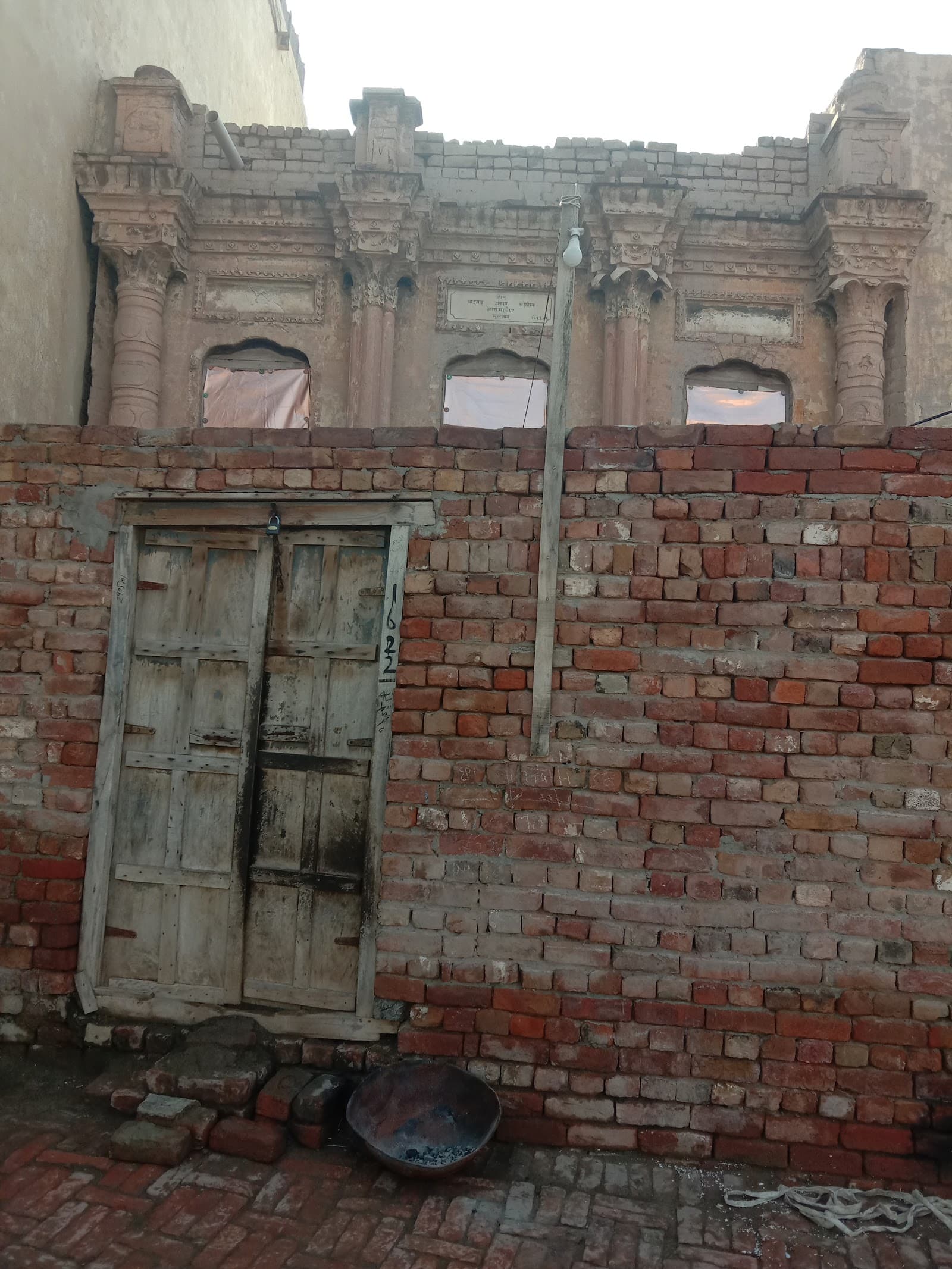
The midday sun beat down on the dusty plains of Multan, casting long shadows across the uneven ground where the magnificent Multan Sun Temple once stood. Now, only fragmented remnants whisper tales of its former glory. As someone who has explored the intricate cave temples of Ajanta and Ellora, the robust rock-cut shrines of Elephanta, and the serene beauty of Karla Caves, I felt a pang of both familiarity and sadness standing amidst these ruins. While Maharashtra’s temples are testaments to enduring faith, the Multan Sun Temple stands as a poignant reminder of the fragility of heritage. The site, locally known as the Prahladpuri Temple, is believed to have been dedicated to the sun god Surya, though some scholars associate it with Aditya. Unlike the basalt structures I’m accustomed to in Maharashtra, this temple was primarily built of brick, a common building material in the Indus Valley region. The baked bricks, now weathered and crumbling, still bear the marks of intricate carvings, hinting at the elaborate ornamentation that once adorned the temple walls. I could discern traces of floral motifs, geometric patterns, and what appeared to be depictions of celestial beings, echoing the decorative elements found in some of Maharashtra's Hemadpanti temples. The sheer scale of the ruins is impressive. Scattered mounds of brick and debris suggest a structure of considerable size, possibly a complex of shrines and ancillary buildings. Local narratives speak of a towering temple, its shikhara reaching towards the heavens, covered in gold and glittering in the sunlight. While the gold is long gone, and the shikhara reduced to rubble, the energy of the place is palpable. I closed my eyes, trying to envision the temple in its prime, the chants of priests resonating, the air thick with the scent of incense, and the sun’s rays illuminating the golden spire. One of the most striking features of the site is the presence of a large, rectangular tank, possibly used for ritual ablutions. This reminded me of the stepped tanks found in many ancient temples across India, including those in Maharashtra. The tank, though now dry and filled with debris, speaks volumes about the importance of water in religious practices. I noticed remnants of what seemed like a drainage system, showcasing the advanced engineering knowledge of the time. Walking through the ruins, I stumbled upon several carved fragments, likely pieces of pillars or door frames. The intricate details on these fragments were astonishing. I recognized influences from various architectural styles, including elements reminiscent of Gandhara art, which blended Greco-Roman and Indian aesthetics. This fusion of styles is a testament to Multan's historical position as a crossroads of civilizations. It was fascinating to see how different artistic traditions had converged in this one place, much like the confluence of architectural styles seen in some of the later temples of Maharashtra. The destruction of the Multan Sun Temple is shrouded in historical accounts, attributed to various invaders over the centuries. While the exact circumstances remain debated, the loss of such a magnificent structure is undoubtedly a tragedy. Standing amidst the ruins, I couldn't help but draw parallels to the damage inflicted on some of Maharashtra's temples during periods of conflict. However, unlike many of the damaged temples in Maharashtra, which were later restored, the Multan Sun Temple remains in ruins, a stark reminder of the destructive power of time and human actions. My visit to the Multan Sun Temple was a deeply moving experience. While the physical structure is largely gone, the spirit of the place persists. The ruins whisper stories of a glorious past, of devotion, artistry, and cultural exchange. It serves as a powerful reminder of the importance of preserving our shared heritage, not just in Maharashtra, but across the subcontinent and beyond. These fragmented remnants are more than just bricks and stones; they are fragments of history, waiting to be understood and appreciated.
Banteay Srei Siem Reap Cambodia
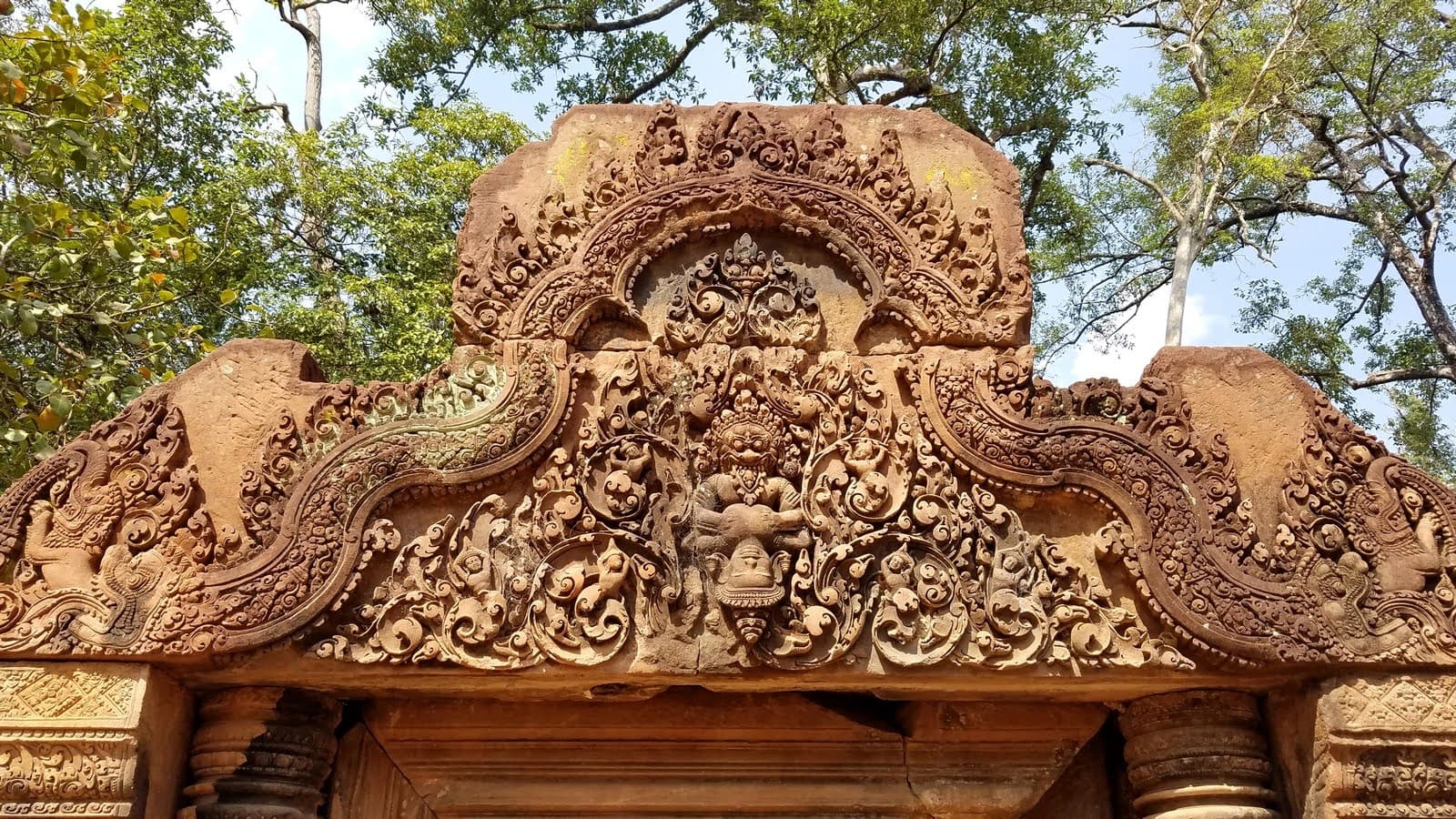
Located in Siem Reap, Cambodia, Banteay Srei, consecrated in 967 CE during the reign of King Rajendravarman II, exemplifies the spread of Indian Hindu artistic traditions ([1][2]). Revered as the "Citadel of Women," this Khmer Hindu temple features elaborate carvings on pink sandstone, revealing a sophisticated understanding of Hindu iconography ([1]). The temple is dedicated to Shiva and Parvati ([1][2]). Intricate carvings embellishing the walls depict scenes from the Ramayana and other Hindu mythological narratives, underscoring a profound connection to Indian artistic styles ([1][2]). The detailed lintels and pediments showcase depictions of Shiva on Nandi with Parvati, and Indra on Airavata, illustrating the influence of Indian Hindu iconography ([1]). The pink sandstone, carefully selected for its fine grain, enabled the detailed execution of these carvings ([1]). Sophisticated drainage systems ensure the preservation of the temple's structure, while the layout, featuring three central towers dedicated to Shiva and two libraries (Mandir), reflects principles of Indian Hindu temple planning ([1][2]). These principles are rooted in texts such as the Manasara Shilpa Shastra, which details temple construction and iconography ([3]). Archaeological evidence suggests that courtiers, instead of the king, commissioned the temple, potentially contributing to its exceptional artistic quality ([1]). Sanskrit inscriptions discovered at the site offer evidence of the transmission of Indian religious texts to Cambodia ([1][2]). The presence of these inscriptions suggests a deep understanding of Vedic traditions and their integration into Khmer culture ([4]). During the medieval period, temple architecture often integrated elements from various religious and philosophical traditions ([5]). Today, Banteay Srei is a UNESCO World Heritage Site, celebrated for its preservation and unique artistic value ([1]).
Patwa Haveli Ahmedabad
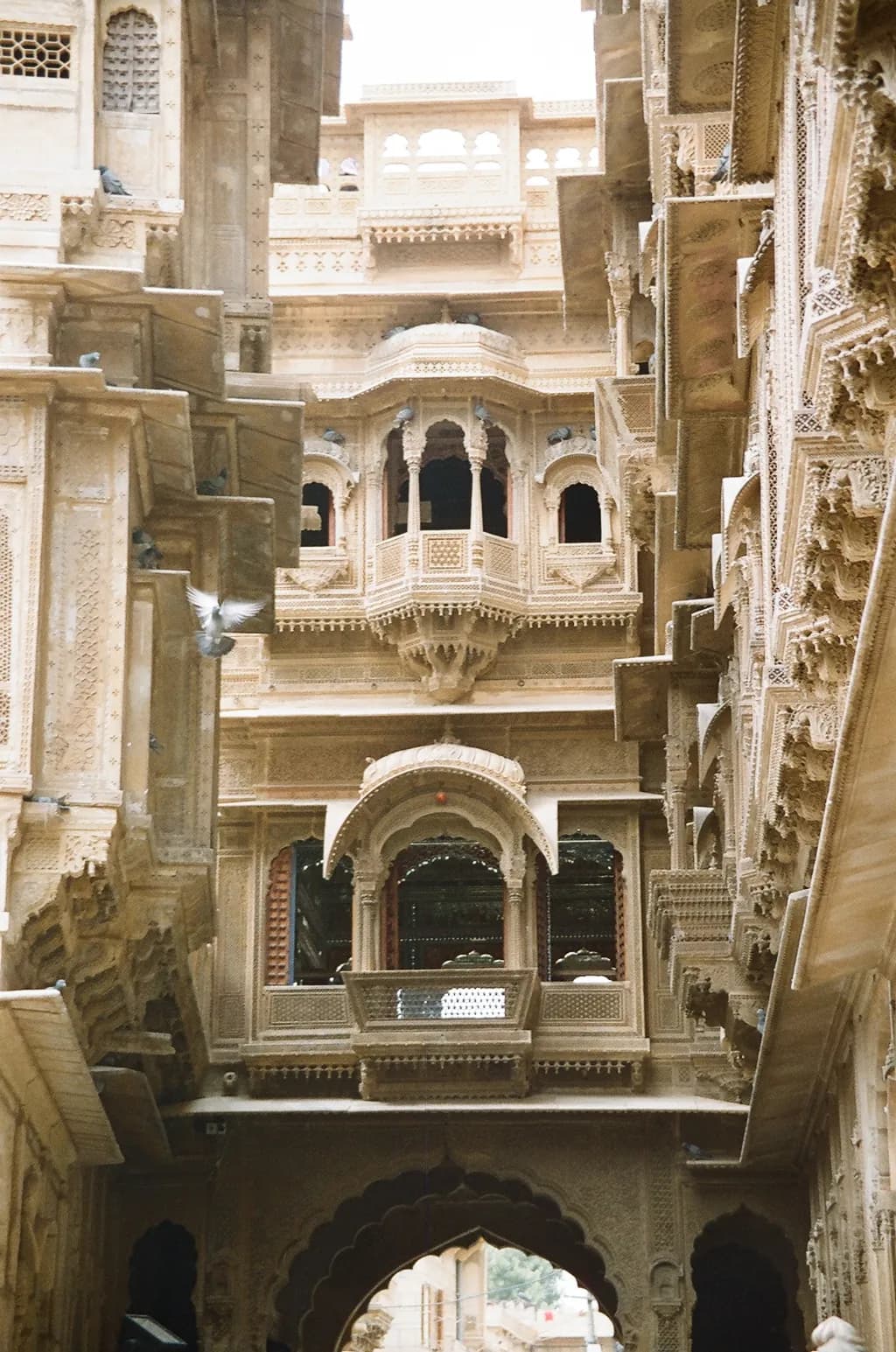
The Patwa Haveli, nestled within the bustling heart of Ahmedabad's old city, stands as a testament to a bygone era of mercantile prosperity. Stepping through its unassuming entrance, I felt an immediate shift, as if transported back to the 19th century. The cacophony of the city faded, replaced by the hushed whispers of history echoing within the haveli's intricately carved sandstone walls. Commissioned by a wealthy Jain merchant, Maneklal Bhagwandas Patwa, this five-story structure isn't just a house; it's a narrative etched in stone and wood, a story of a family's ambition and the artistry of a time when craftsmanship reigned supreme. My lens immediately gravitated towards the ornate facades. Each window, each jharokha (overhanging enclosed balcony), and each archway presented a unique tableau of intricate carvings. Floral motifs intertwined with depictions of birds, animals, and even scenes from daily life, all rendered with astonishing detail. The deep brown of the sandstone, weathered by time and the elements, provided a rich backdrop to these intricate designs, creating a visual feast that kept me captivated for hours. I found myself constantly adjusting my camera settings, trying to capture the interplay of light and shadow that danced across the carved surfaces, revealing new nuances with every passing hour. The sheer scale of the haveli is impressive. Five stories rise above the narrow streets, a symbol of the Patwa family's wealth and influence. As I ascended the wooden staircases, worn smooth by generations of footsteps, I noticed the subtle shifts in architectural style. The lower floors, dedicated to business and storage, are more austere, while the upper residential floors become progressively more ornate, culminating in the exquisitely carved family quarters on the topmost level. This gradual increase in decorative complexity speaks volumes about the social hierarchy of the time. One of the most striking features of the Patwa Haveli is its ingenious ventilation system. Long before the advent of air conditioning, the architects incorporated clever design elements to ensure a comfortable living environment even in the scorching Gujarat heat. High ceilings, strategically placed windows, and internal courtyards create a natural airflow, allowing cool air to circulate throughout the building. I could feel the subtle breeze as I explored the upper floors, a testament to the ingenuity of the craftsmen who built this magnificent structure. Beyond the architectural marvel, the Patwa Haveli offers glimpses into the lifestyle of its former inhabitants. The remnants of frescoes on the walls, though faded with time, hint at the vibrant colours that once adorned the interiors. Imagining the bustling activity that once filled these rooms – merchants discussing trade deals, families gathering for meals, children playing in the courtyards – brought the haveli to life in a way that mere observation could not. I spent a considerable amount of time documenting these remnants, hoping to preserve these fragments of a vanished world through my photographs. However, the passage of time has taken its toll. While some sections of the haveli have been meticulously restored, others bear the scars of neglect. Peeling paint, crumbling plaster, and damaged carvings serve as a poignant reminder of the fragility of our heritage. It underscores the importance of conservation efforts to ensure that these architectural treasures continue to inspire and educate future generations. Leaving the Patwa Haveli, I carried with me not just photographs, but a profound appreciation for the artistry and ingenuity of the past. It's a place where history whispers from every corner, a place that deserves to be cherished and protected. My hope is that my photographs will not only showcase the beauty of this architectural gem but also inspire others to explore and appreciate the rich heritage of India.
Harihar Dham Giridih
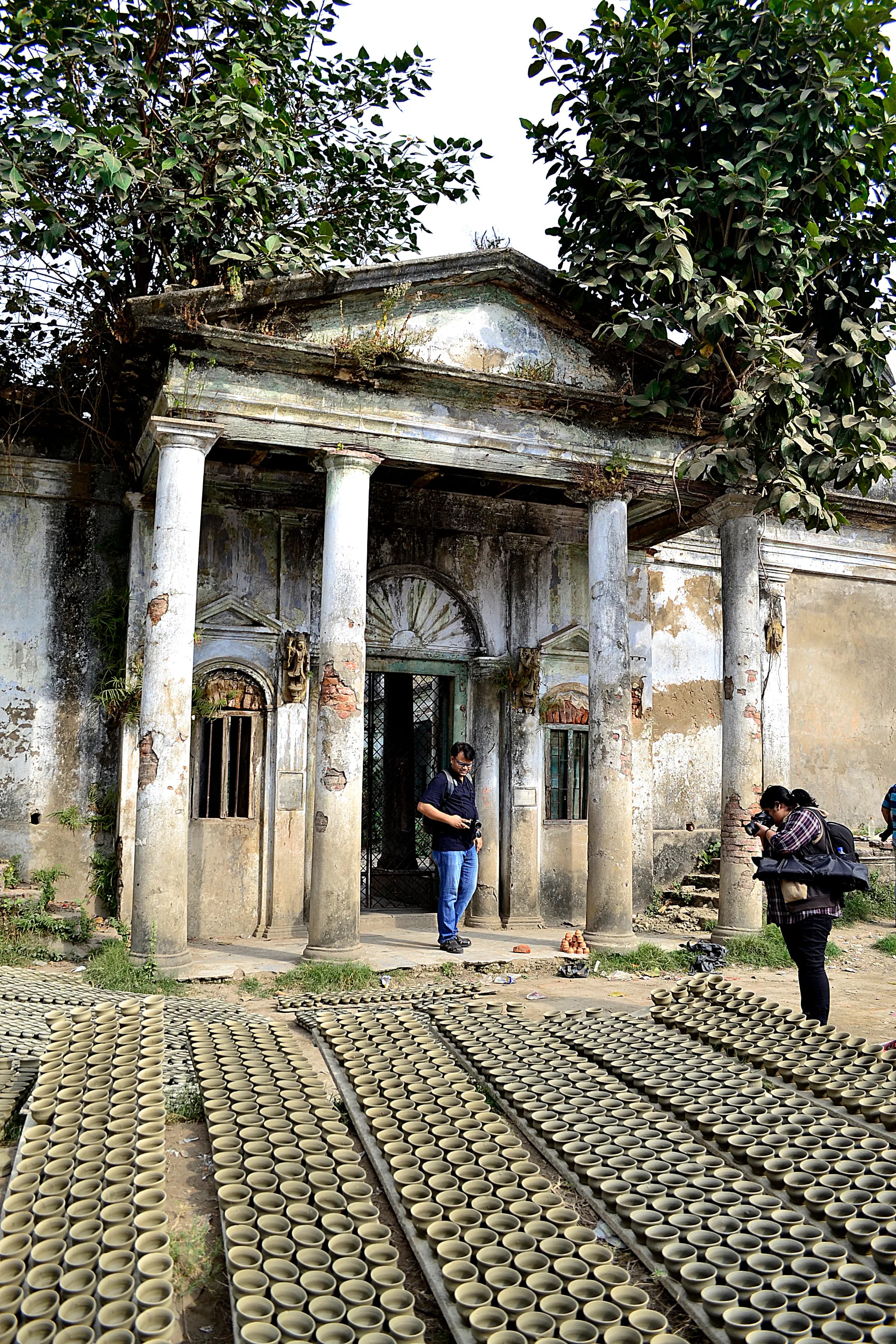
The air hung heavy with the scent of incense and marigold garlands as I approached Harihar Dham, a sprawling temple complex nestled amidst the rolling hills of Giridih, Jharkhand. The sheer scale of the site was immediately striking. Towering shikharas, reminiscent of the Nagara style prevalent in my home state of Madhya Pradesh, pierced the sky, their sandstone surfaces gleaming a warm ochre under the late afternoon sun. Unlike the intricate carvings that adorn many Madhya Pradesh temples, these shikharas possessed a certain stark elegance, their smooth surfaces punctuated only by rhythmic projections and a simple amalaka crowning each spire. My lens immediately gravitated towards the main temple dedicated to Harihar, the combined form of Vishnu (Hari) and Shiva (Har). The structure, a blend of North and South Indian architectural styles, showcased a fascinating interplay of influences. The curvilinear shikhara, a hallmark of the Nagara style, dominated the skyline, while the square mandapa, with its sturdy pillars and pyramidal roof, hinted at a Dravidian influence. This fusion, rarely seen in such a pronounced manner, spoke volumes about the region's rich cultural crossroads. As I circled the main temple, I noticed intricate carvings adorning the doorway. Depictions of deities, celestial beings, and scenes from Hindu mythology unfolded in meticulous detail. The sandstone, weathered by time and the elements, lent these carvings a unique patina, a testament to the temple's enduring presence. I spent a considerable amount of time documenting these narrative panels, each one a window into the rich tapestry of Hindu beliefs. Beyond the main temple, the complex sprawled across a vast area, encompassing smaller shrines dedicated to various deities. A particularly captivating structure was the temple dedicated to Radha-Krishna. Its smaller scale and ornate carvings provided a stark contrast to the imposing grandeur of the Harihar temple. The delicate latticework screens, known as jalis, allowed for a play of light and shadow within the sanctum, creating an ethereal atmosphere. I captured the interplay of light filtering through these jalis, highlighting the intricate carvings of the divine couple. One aspect that truly captivated me was the presence of numerous smaller shrines scattered throughout the complex, almost like miniature echoes of the main temple. Each shrine, though smaller in scale, possessed its own unique architectural character, showcasing variations in shikhara design and decorative elements. This decentralized approach to temple architecture created a sense of exploration and discovery, inviting visitors to wander through the complex and uncover hidden gems. The presence of a large water tank, or kunda, added another layer to the site's spiritual significance. Devotees were performing ritual ablutions in the kunda, their chants and prayers resonating through the air. The reflection of the towering shikharas in the still water of the kunda created a mesmerizing visual, a perfect blend of the built and natural environment. I captured this scene, aiming to convey the serene atmosphere and the deep spiritual connection that permeated the site. My experience at Harihar Dham was more than just a photographic documentation; it was an immersion into a vibrant spiritual landscape. The architectural nuances, the intricate carvings, and the palpable devotion of the pilgrims all contributed to a profound sense of place. As I packed my equipment, I felt a deep sense of gratitude for the opportunity to witness and document this remarkable testament to India's rich cultural heritage. The images I captured, I hope, will serve as a window into this sacred space, allowing others to glimpse the beauty and spiritual significance of Harihar Dham.
Quick Links
Plan Your Heritage Journey
Get personalized recommendations and detailed visitor guides