Has Inheritage Foundation supported you today?
Your contribution helps preserve India's ancient temples, languages, and cultural heritage. Every rupee makes a difference.
Secure payment • Instant 80G certificate
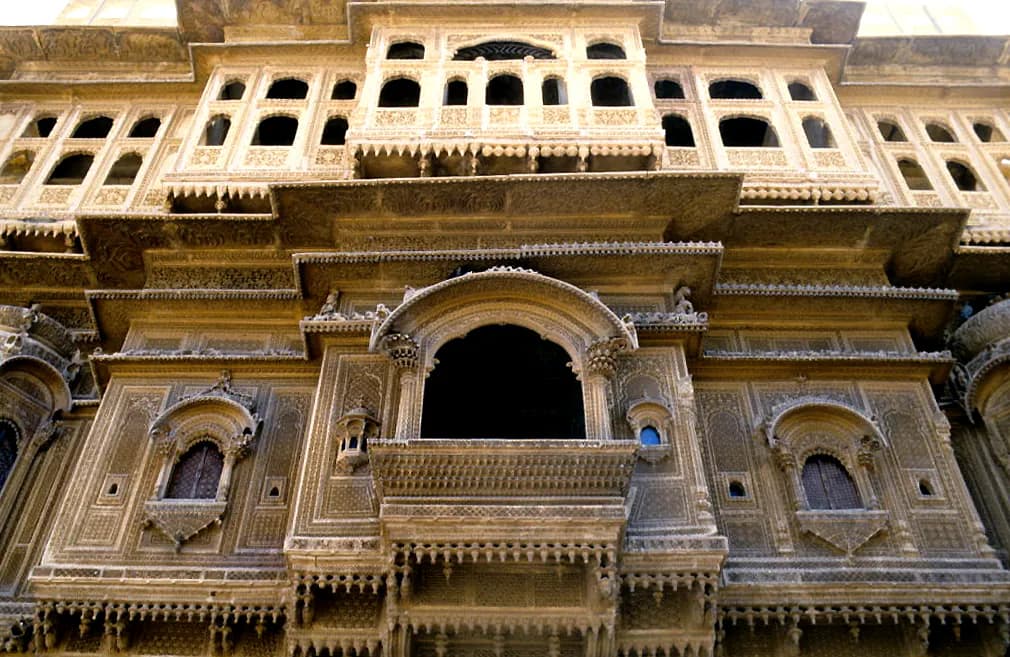
Nathmal Ki Haveli Jaisalmer
The Nathmal Ki Haveli in Jaisalmer rose before me, a sandstone symphony bathed in the desert sun. Having spent years immersed in the Dravidian architecture of South Indian temples, I was eager to experience this distinctly different architectural style. The haveli, I knew, was built in the 19th century for Diwan Mohata Nathmal, the then Prime Minister of Jaisalmer, and its intricate carvings promised a visual feast. Unlike the towering gopurams and expansive prakarams I was accustomed to, the haveli presented a more intimate scale. The two wings, built by two brothers, Hathi and Lalu, showcased a fascinating asymmetry, a departure from the precise symmetry that defines much of South Indian temple architecture. Local lore suggests the brothers, working independently, couldn't perfectly replicate each other's work, resulting in subtle yet noticeable differences in the two halves of the haveli. This human element, this imperfection, added a unique charm to the structure. The haveli's exterior was a riot of intricate carvings. Delicate floral patterns, depictions of elephants, and scenes from everyday life were etched into the golden sandstone. The miniature jharokhas, or balconies, projecting from the façade, were particularly captivating. Each one was a miniature marvel, showcasing the artisan's skill in creating intricate latticework and delicate ornamentation. I was reminded of the stone carvings adorning the mandapas of South Indian temples, but here, the scale was smaller, the details finer, almost like a jeweler's work. Stepping inside, I was greeted by a courtyard, the traditional heart of a haveli. This open space, once bustling with family life, now offered a tranquil respite from the desert heat. The walls surrounding the courtyard were adorned with frescoes, their colours still vibrant despite the passage of time. These paintings, depicting scenes from Hindu mythology and local folklore, provided a glimpse into the cultural milieu of 19th-century Jaisalmer. The use of vibrant colours was a striking contrast to the muted tones of the sandstone and reminded me of the painted murals within the corridors of some South Indian temples. The haveli's interiors were a testament to the opulence of the Diwan's lifestyle. The rooms, though smaller than the vast halls of South Indian palaces, were richly decorated. Intricate mirror work, known as shisha work, adorned the walls and ceilings, creating a dazzling display of light and reflection. This was a technique I hadn't encountered before, and I was mesmerized by the shimmering surfaces. The delicate floral patterns created with tiny pieces of mirror were reminiscent of the inlay work found in some South Indian temples, but the effect here was far more dramatic. As I explored the haveli, I noticed the recurring motif of the elephant. From the exterior carvings to the interior decorations, the elephant was omnipresent. This, I learned, was a symbol of royalty and prosperity, reflecting the Diwan's status and influence. The elephant motif, while not as prevalent in South Indian architecture, resonated with the depictions of mythical creatures and divine beings that adorn temple walls. My visit to Nathmal Ki Haveli was a journey of architectural discovery. While the style and scale differed significantly from the South Indian temples I was familiar with, the underlying principles of artistry, craftsmanship, and cultural expression remained the same. The haveli, with its intricate carvings, vibrant frescoes, and dazzling mirror work, offered a unique window into the rich cultural heritage of Rajasthan. It was a testament to the human ability to create beauty, even in the harshest of environments. The experience enriched my understanding of Indian architecture, highlighting the diversity and ingenuity that characterize the country's artistic traditions. The asymmetry of the haveli, a testament to human fallibility, ultimately became its most endearing feature, a reminder that perfection often lies in imperfection.
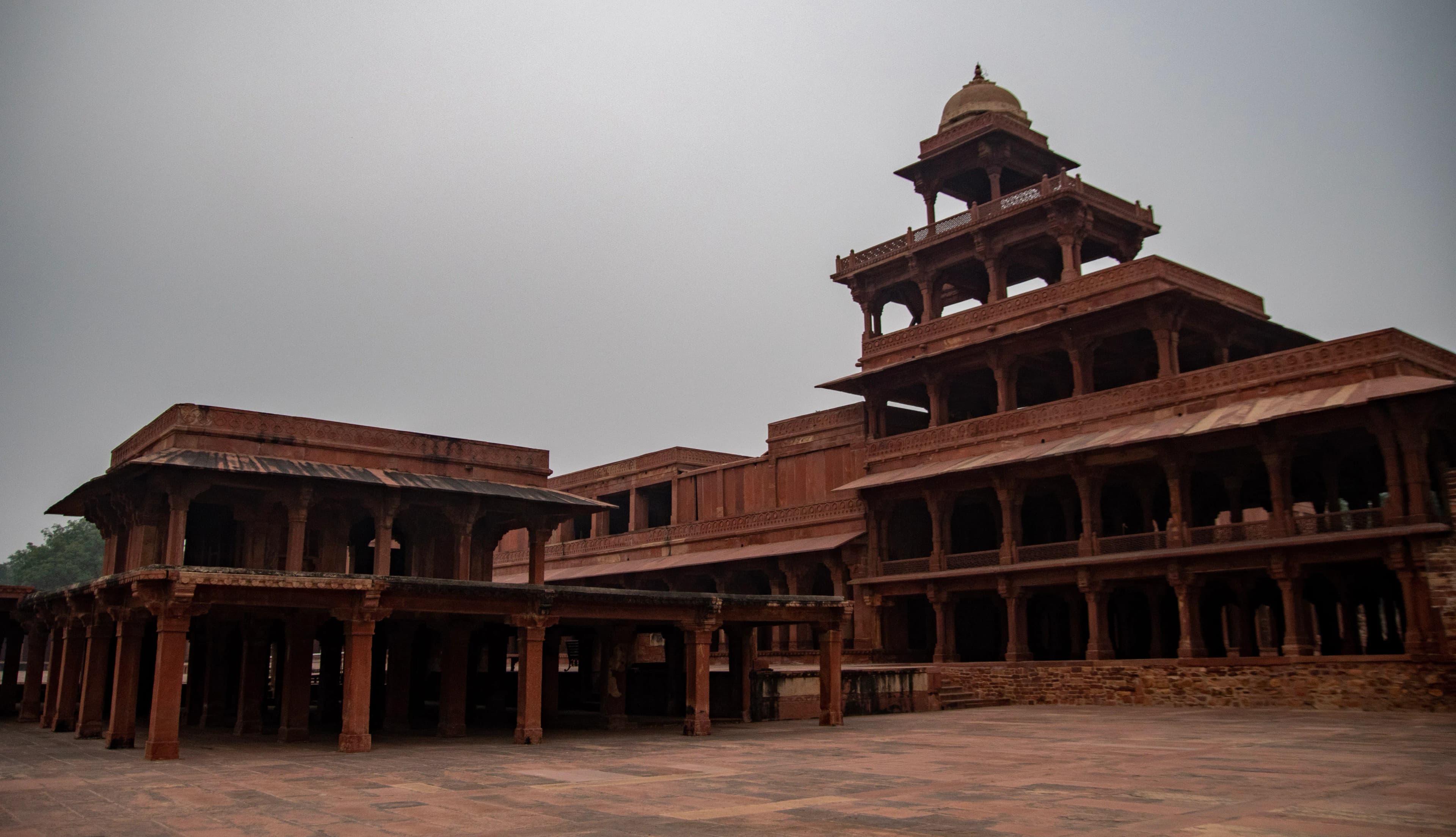
Panch Mahal Fatehpur Sikri
The wind whispers stories through the pierced screens of Panch Mahal, a structure that rises like a delicately carved sandcastle against the Fatehpur Sikri skyline. As I adjusted my camera, framing the pyramidal tiers against the vast Uttar Pradesh sky, I felt a palpable connection to the Mughal era. This wasn't just a building; it was a breathing testament to Akbar's vision, a blend of Hindu and Persian architectural styles that spoke volumes about the cultural confluence of the time. The ground floor, a sprawling open pavilion supported by 84 pillars, once served as a cool respite from the summer heat. I could almost envision the royal women gathered here, their laughter echoing through the now silent spaces. The pillars, each uniquely carved with intricate floral and geometric patterns, captivated my lens. The play of light and shadow through the jaalis, the intricately carved stone lattices, created a mesmerizing tapestry that shifted with the sun's journey across the sky. I spent a considerable amount of time documenting these details, trying to capture the essence of the craftsmanship that had stood the test of centuries. Ascending the levels, the structure shrinks in size, each tier offering a more exclusive and panoramic view of the surrounding city. The second story, supported by fewer pillars, felt more intimate, perhaps a space for smaller gatherings. The third, fourth, and fifth levels, each progressively smaller, culminate in a single chhatri, a domed kiosk, on the topmost tier. This final level, once Akbar's private retreat, offered an unparalleled vista of his magnificent creation. Standing there, I felt a sense of awe, imagining the emperor contemplating his empire from this vantage point. The red sandstone, bathed in the golden hues of the late afternoon sun, radiated warmth. The subtle variations in the stone's color, from a rich ochre to a pale rose, added depth and texture to my photographs. I focused on capturing the interplay of light and shadow, highlighting the intricate carvings and the graceful arches. The pillars, while seemingly uniform from a distance, revealed their unique personalities upon closer inspection. Some bore delicate floral motifs, others geometric patterns, and still others a combination of both, a testament to the artisans' skill and creativity. One aspect that particularly intrigued me was the absence of walls on the lower levels. This open design, unusual for a palace, fostered a sense of connection with the surrounding environment. I could see how the structure, while grand, was also designed for comfort and practicality, allowing for the free flow of air and offering breathtaking views. The jaalis, while providing privacy, also allowed for glimpses of the outside world, blurring the lines between inside and out. My experience at Panch Mahal transcended mere documentation. It was a journey through time, a conversation with the past. As I packed my equipment, the setting sun casting long shadows across the courtyard, I felt a deep sense of gratitude for the opportunity to witness and preserve the legacy of this magnificent structure. The photographs I captured are not just images; they are fragments of history, frozen moments in time, waiting to share their stories with the world. They are a testament to the enduring beauty of Mughal architecture and a reminder of the rich cultural heritage that India holds within its embrace.
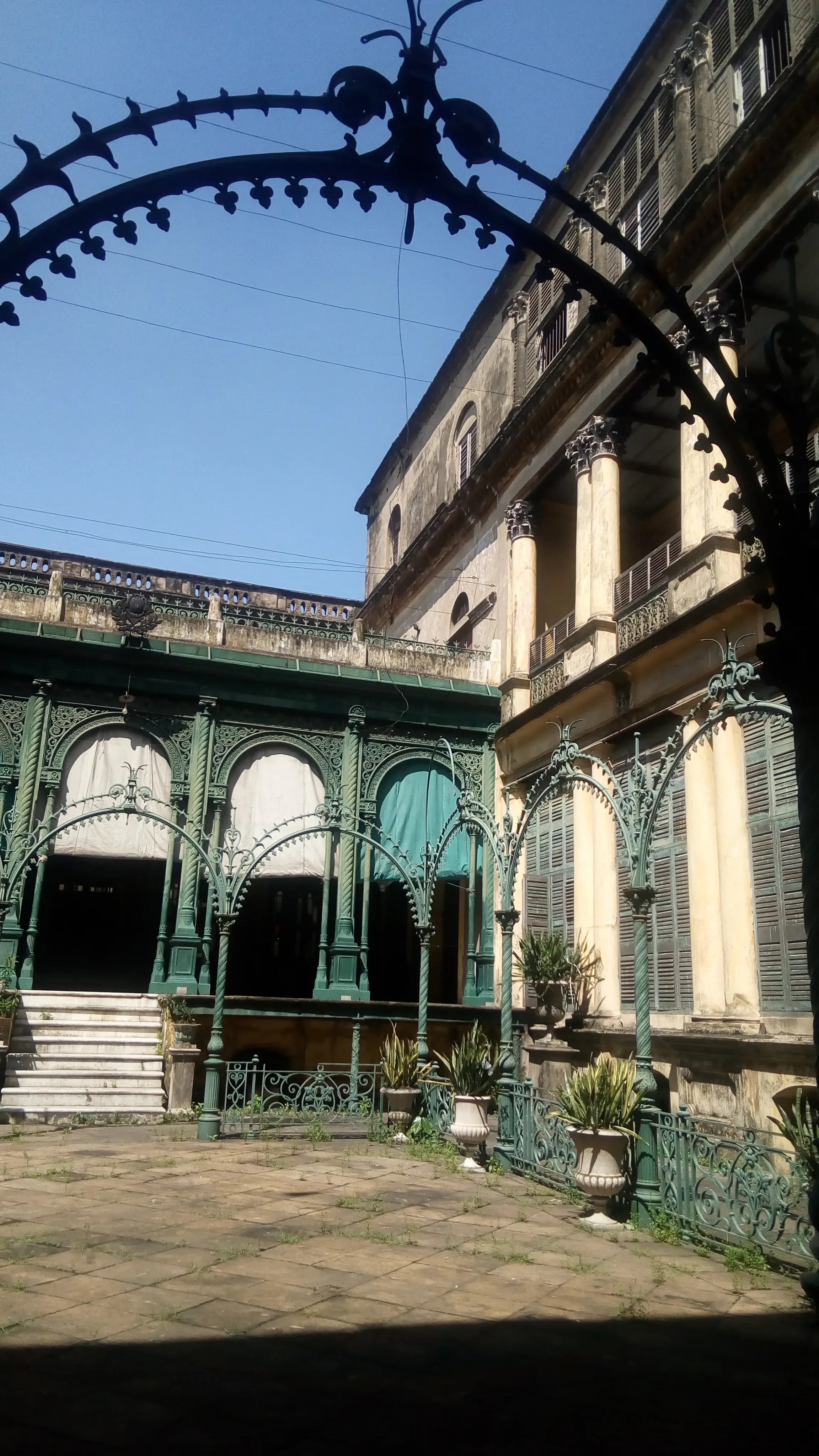
Mullick House Kolkata
The humid Kolkata air hung heavy, a stark contrast to the dry heat I’m accustomed to in Uttar Pradesh. I stood before the imposing façade of Mullick House, a crumbling testament to a bygone era of mercantile opulence. Located on Pathuriaghata Street, this haveli, once the residence of the wealthy Mullick family, whispered stories of indigo, jute, and the ebb and flow of fortune in colonial India. The first thing that struck me was the sheer scale of the structure. Despite its dilapidated state, the grandeur was undeniable. The ornate Corinthian columns, though weathered and stained, still held their heads high, supporting balconies that must have once overflowed with life. The intricate stucco work, depicting floral motifs and mythological figures, bore the scars of time and neglect, yet retained a ghostly elegance. It was a poignant reminder of the ephemeral nature of wealth and power. Stepping through the arched gateway felt like entering a time capsule. The vast courtyard, now overgrown with weeds and littered with debris, once pulsated with the activity of a large joint family. I could almost envision the bustling scenes – children playing, women gossiping in hushed tones, and the patriarch holding court. The remnants of a fountain, choked with dust and leaves, hinted at a past desire for aesthetic refinement. The interior of the haveli was a labyrinth of interconnected rooms, each bearing the marks of its former occupants. Faded frescoes adorned the walls, depicting scenes from the epics, perhaps a reflection of the family's cultural roots. The high ceilings, once adorned with elaborate chandeliers, now revealed peeling paint and exposed beams. The intricate tile work on the floors, though cracked and broken in places, spoke of a time when no expense was spared in the pursuit of beauty. I climbed the grand staircase, its wooden banisters worn smooth by countless hands. The upper floors offered a panoramic view of the surrounding neighbourhood, a chaotic jumble of narrow lanes and crumbling buildings. It was a stark reminder of the changing face of Kolkata, a city grappling with its colonial legacy. As I wandered through the decaying rooms, I couldn't help but draw parallels with the havelis of my own Uttar Pradesh. While the architectural styles differed, the underlying ethos was the same – a celebration of family, tradition, and prosperity. Yet, unlike the meticulously preserved havelis of Lucknow and Varanasi, Mullick House seemed to have been abandoned to the vagaries of time. The neglect was heartbreaking. This wasn't just a building; it was a repository of memories, a tangible link to a significant period in Indian history. The stories embedded within its walls – of trade, migration, and cultural exchange – were in danger of being lost forever. My visit to Mullick House was a bittersweet experience. It was a privilege to witness the remnants of such architectural splendour, but also a sobering reminder of the importance of preservation. As I stepped back onto the bustling streets of Kolkata, I carried with me not just images of crumbling grandeur, but also a renewed appreciation for the fragility of our heritage. The whispers of Mullick House, though fading, deserve to be heard, its stories deserve to be told, and its legacy deserves to be protected. It stands as a potent symbol of a shared past, a past that shapes our present and will continue to influence our future.

Bhadrachalam Temple Bhadrachalam
Along the Godavari's banks, the Sri Sita Ramachandra Swamy Temple at Bhadrachalam narrates tales of devotion from its perch on a small hillock ([1]). During the Nayaka period, specifically in 1674 CE, this sacred edifice was constructed ([2]). The temple embodies the Dravidian style, characterized by intricate carvings and a pyramidal gopuram (tower) ([3]). Kancherla Gopanna, also known as Ramadasu, a fervent 17th-century devotee, built the temple during the Golconda Sultanate's rule, leaving an indelible mark of his artistic vision ([4]). Granite and sandstone blocks, meticulously carved, form the temple's structure, demonstrating the architectural skills of the time ([5]). Intricate carvings adorning the walls depict deities and scenes from Hindu mythology, reflecting ancient artistry ([6]). The pyramidal gopuram (tower), a prominent feature, displays detailed sculptures that evoke a sense of dynamism and spiritual ascent ([7]). Polished stone floors within reflect light, enhancing the beauty of the intricately carved pillars, which narrate episodes from the Ramayana ([8]). These pillars showcase a harmonious blend of celestial beings and floral motifs ([9]). Within the Garbhagriha (Sanctum), Lord Rama, Sita, and Lakshmana reside, emanating serenity amidst fervent devotion ([10]). Smaller shrines, each with distinct architectural nuances, dot the courtyard, dedicated to various deities ([11]). Ramadasu's unwavering faith and artistic brilliance are deeply intertwined with the temple's history, resonating in every stone and carving ([4]). Bhadrachalam transcends being merely a structure; it represents a confluence of history, faith, and artistic expression ([1][3]). The temple stands as a testament to the enduring legacy of devotion and architectural grandeur in the Telangana region ([2]).

Dwarkadhish Temple Dwarka
The salty air, thick with the scent of incense and the murmur of chanting, welcomed me to the Dwarkadhish Temple. Rising from the western edge of Dwarka, where the Gomti River meets the Arabian Sea, the five-storied edifice, also known as the Jagat Mandir, seemed to breathe history. Its chalk-white facade, sculpted with intricate details, shimmered under the intense Gujarat sun. This wasn't just a temple; it was a narrative etched in stone, a testament to centuries of devotion and architectural prowess. My lens, accustomed to the sandstone hues of Madhya Pradesh's temples, was immediately captivated by the Chalukya style architecture. The temple's main spire, or shikhara, soared 78 meters high, a majestic beacon visible from miles away. Its surface, a tapestry of carved figures depicting deities, celestial beings, and scenes from Hindu mythology, was a visual feast. I spent hours circling the structure, adjusting my camera angles to capture the interplay of light and shadow on these miniature narratives. The intricate latticework jalis, or screens, offered glimpses of the inner sanctum, adding a layer of mystique to the already potent atmosphere. Ascending the steps, worn smooth by countless pilgrims, I entered the Sabha Mandap, the assembly hall. Here, the air was alive with the rhythmic chanting of mantras and the clang of bells. Fifty-six intricately carved pillars supported the hall's ceiling, each a masterpiece of craftsmanship. The sheer density of the carvings, depicting everything from floral motifs to epic battles, was overwhelming. I found myself drawn to the subtle variations in style, hinting at the contributions of different artisans across generations. The Garbhagriha, the inner sanctum where the deity of Lord Krishna, Dwarkadhish, resides, was a space of palpable reverence. Photography wasn't permitted inside, but the experience transcended the visual. The energy of the space, charged with centuries of prayer and devotion, was undeniable. It was a moment of quiet reflection, a pause in the whirlwind of capturing images. Beyond the main temple, the complex sprawled into a network of courtyards, shrines, and smaller temples. Each corner held a new discovery – a hidden carving, a weathered inscription, a glimpse into the temple's layered past. I was particularly fascinated by the ancient well, believed to be connected to the Gomti River, its water considered sacred. The stories woven around this well, passed down through generations, added another dimension to the temple's rich tapestry. The experience wasn't just about documenting the architecture; it was about absorbing the atmosphere. The constant flow of devotees, their faces etched with faith, the echoing chants, the scent of sandalwood – these sensory details became integral to my understanding of the Dwarkadhish Temple. It wasn't a static monument, but a living, breathing entity, constantly evolving with the ebb and flow of devotion. As the sun began to set, casting long shadows across the temple complex, I found myself on the Gomti Ghat, watching the evening aarti. The rhythmic chanting, the flickering lamps, and the vibrant colours of the setting sun created a scene of breathtaking beauty. It was a fitting end to a day spent immersed in the heart of Hindu devotion. My camera, though laden with images, could only capture a fraction of the experience. The true essence of Dwarkadhish Temple, its spiritual weight and historical significance, remained etched in my memory, a testament to the enduring power of faith and human artistry.
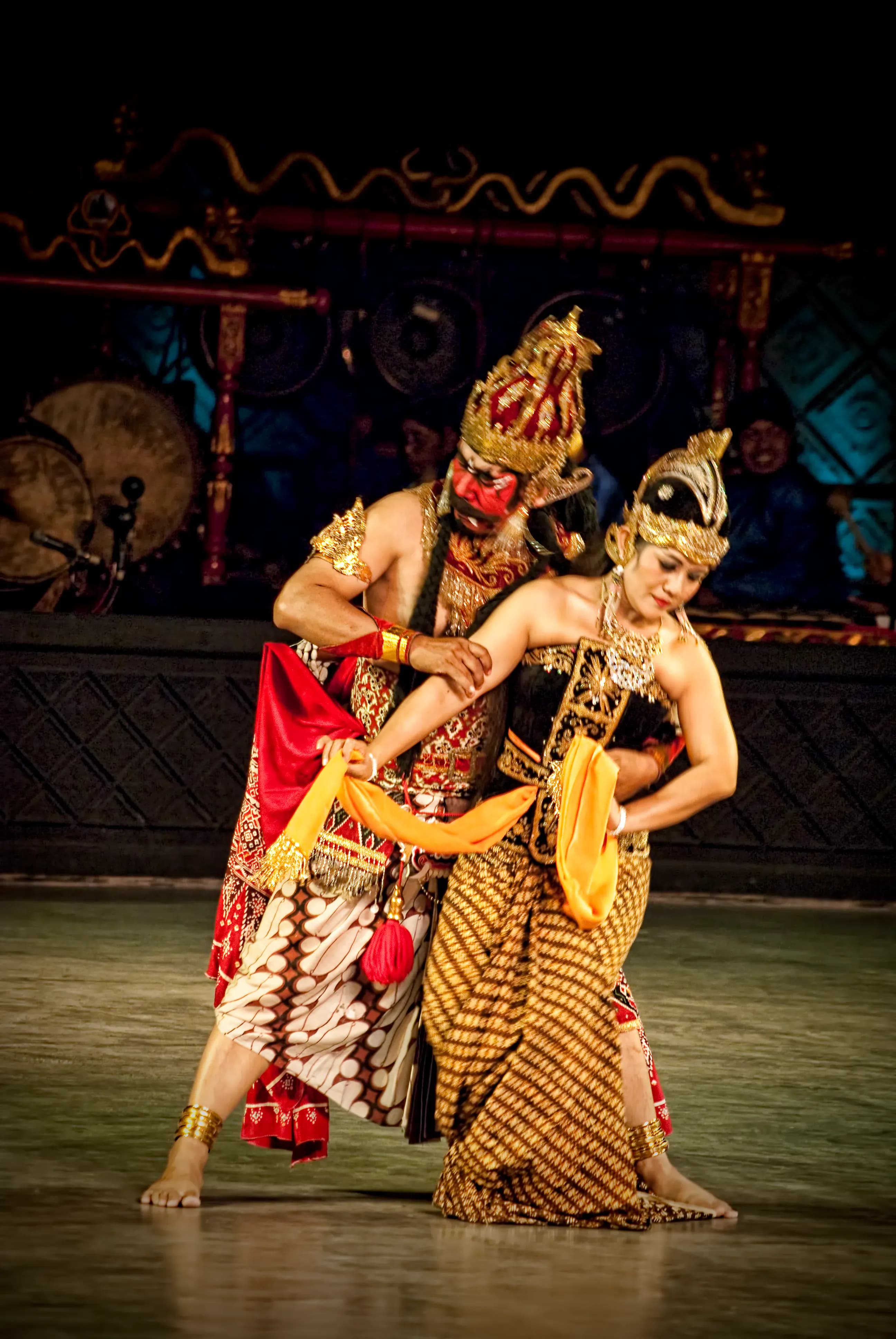
Prambanan Temple Compounds Yogyakarta
The rising sun cast long, dramatic shadows across the dew-kissed plains of Java, illuminating the towering spires of Prambanan. I’d documented hundreds of temples across India, from the intricate carvings of Khajuraho to the monolithic marvels of Mahabalipuram, but the sheer scale and verticality of Prambanan took my breath away. This wasn't just a temple complex; it was a symphony in stone, a testament to the architectural prowess of the 9th-century Medang Mataram kingdom. My lens, accustomed to the sandstone hues of Indian temples, struggled to capture the grey volcanic rock of Prambanan. The texture was different, rougher, yet the intricate reliefs carved into the stone possessed a similar narrative power. These weren't mere decorations; they were stories etched in stone, depicting scenes from the Ramayana epic, celestial beings, and intricate floral motifs. I found myself tracing the lines of these narratives with my fingers, feeling the history embedded within each groove. The central compound, dominated by the three main temples dedicated to the Hindu trinity – Brahma, Vishnu, and Shiva – commanded the landscape. Shiva’s temple, the loftiest of the three, soared 244 feet into the sky, a majestic representation of Mount Meru, the mythical abode of the gods. The smaller accompanying temples, dedicated to the respective mounts of the deities – the bull Nandi for Shiva, the goose Hamsa for Brahma, and Garuda, the mythical bird, for Vishnu – added another layer of symbolic depth. As I circled the temples, I noticed the distinct architectural style. The tall, slender spires, the receding tiers adorned with miniature shrines, and the profusion of decorative elements reminded me of the Dravidian architecture of South India, yet there was a unique Javanese sensibility infused within it. The influence of Indian temple architecture was undeniable, a testament to the cultural exchange that flourished across the seas centuries ago. It felt like witnessing a fascinating conversation between two distinct architectural traditions. Climbing the steep steps to the inner sanctums, I was struck by the interplay of light and shadow within the temple chambers. The narrow doorways and strategically placed openings created a mystical atmosphere, enhancing the spiritual significance of the space. I imagined the rituals and ceremonies that would have once filled these hallowed halls, the chanting of priests, the fragrance of incense, the devotion of the worshippers. Beyond the central compound, the ruins of hundreds of smaller temples stretched across the vast expanse, a poignant reminder of the destructive power of earthquakes and the passage of time. These crumbling structures, though ravaged, still held a certain beauty, their weathered stones whispering tales of a glorious past. I spent hours wandering through these ruins, my camera diligently documenting each fragment, each fallen lintel, each weathered carving. The restoration work undertaken at Prambanan was evident, a careful balance between preserving the historical integrity of the site and ensuring its structural stability. Seeing the meticulous efforts to reconstruct these ancient marvels filled me with a sense of hope. These weren't just ruins; they were living monuments, testaments to human ingenuity and resilience. As the day drew to a close, the setting sun bathed the temples in a warm, golden glow. I stood there, mesmerized by the spectacle, feeling a deep connection to this ancient site. Prambanan wasn't just a collection of stones; it was a repository of stories, a testament to the enduring power of faith and artistry. It was a place that had spoken to me across centuries, reminding me of the shared cultural heritage that binds us together, despite geographical boundaries.
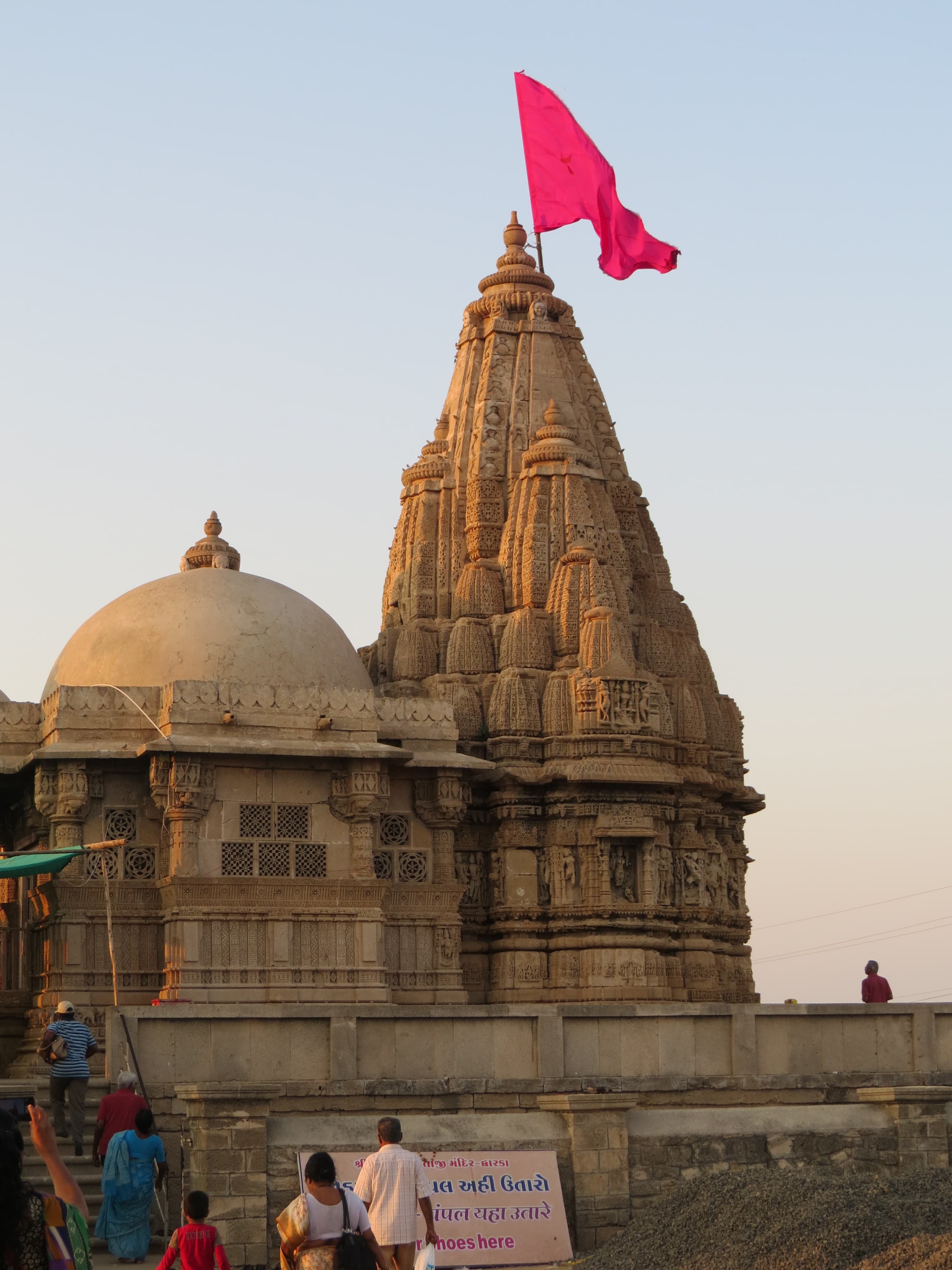
Rukmini Temple Dwarka
The sun beat down on the ochre sandstone of Rukmini Temple, its intricate carvings shimmering in the harsh Gujarat light. Located a short, dusty auto-rickshaw ride from the bustling heart of Dwarka, this 12th-century temple, dedicated to Krishna's consort, Rukmini, exudes a quiet serenity that contrasts sharply with the vibrant energy of its more famous neighbour, the Dwarkadhish Temple. Having visited every UNESCO site in India, I can confidently say that Rukmini Temple holds a unique charm, a subtle beauty that whispers stories of devotion and history. The first thing that struck me was the temple's relative isolation. Surrounded by dry, scrubby landscape, it stands as a solitary sentinel, its shikhara reaching towards the heavens. This isolation, however, only amplifies its presence. The exterior walls are a riot of sculpted figures – deities, celestial musicians, dancers, and intricate geometric patterns. The craftsmanship is breathtaking. I spent a good hour simply circumambulating the temple, tracing the narratives etched in stone, marveling at the skill of the artisans who, centuries ago, breathed life into these inanimate blocks. The main entrance is guarded by imposing sculpted dwarapalas, their stern expressions softened by the passage of time. Stepping inside, the atmosphere shifts. The air cools, the sounds of the outside world fade, and a sense of tranquility descends. The inner sanctum houses the deity of Rukmini, adorned with vibrant silks and garlands. Unlike the Dwarkadhish Temple, the atmosphere here is more intimate, less frenetic. I sat quietly for a while, observing the devotees, their faces etched with devotion, their whispered prayers filling the air. The temple's architecture is a fascinating blend of the Maru-Gurjara style, prevalent in Gujarat and Rajasthan. The shikhara, though not as towering as some of the temples I’ve seen in other parts of India, is beautifully proportioned, its intricate carvings drawing the eye upwards. The mandapa, or pillared hall, is supported by intricately carved pillars, each one a testament to the artistic prowess of the era. I noticed several depictions of Krishna and Rukmini, their stories immortalized in stone. One panel, particularly well-preserved, depicted their wedding procession, the figures full of movement and life. Local legend explains the temple's distance from the main Dwarkadhish Temple. The story goes that sage Durvasa, known for his fiery temper, cursed Rukmini to be separated from Krishna. Whether myth or reality, this separation adds to the temple's mystique. It stands as a testament to Rukmini's own strength and devotion, a place where her presence is felt independently of Krishna's. As I left the temple, the late afternoon sun casting long shadows across the landscape, I couldn't help but feel a sense of connection to the past. Rukmini Temple is not just a collection of stones and carvings; it's a living testament to a rich cultural heritage. It’s a place where history whispers, where devotion takes centre stage, and where the artistry of a bygone era continues to inspire awe. While it might often be overshadowed by its more famous neighbour, Rukmini Temple offers a unique and deeply rewarding experience for those willing to seek it out. It stands as a quiet reminder of the power of faith, the beauty of art, and the enduring legacy of India's rich past. My journey through India’s UNESCO sites has taken me to grand palaces and bustling cities, but it’s in these quieter, less-trodden corners, like Rukmini Temple, that I truly feel the pulse of India's vibrant heritage.
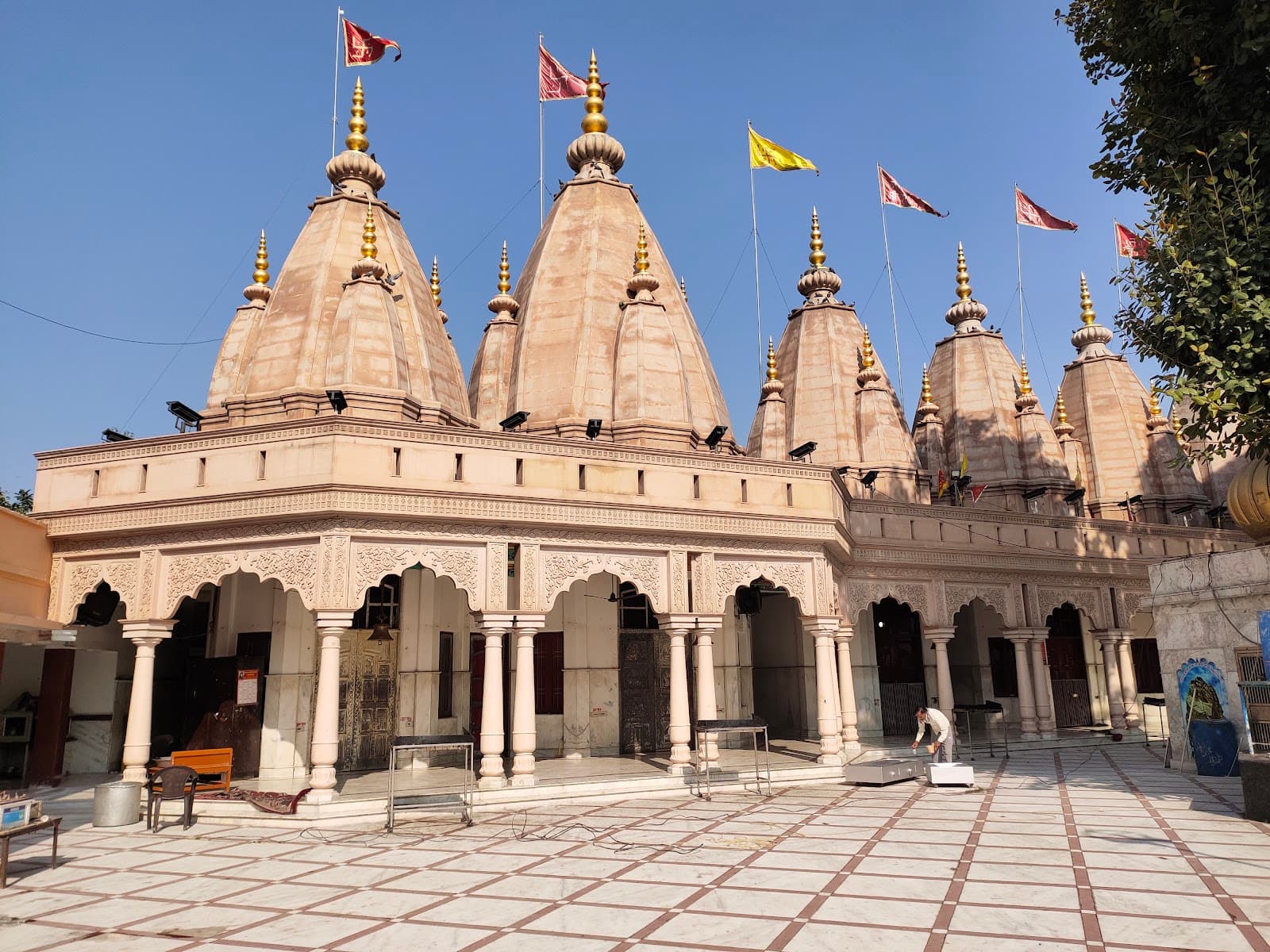
Shri Devi Mandir Panipat
The midday sun beat down on Panipat, casting long shadows across the dusty plains, but within the cool confines of the Shri Devi Mandir, a different kind of energy pulsed. Having explored the basalt-carved wonders of Maharashtra’s caves and the intricate details of its countless temples, I arrived at this North Indian shrine with a keen eye for comparison, and I wasn't disappointed. The Shri Devi Mandir, dedicated to the goddess Bhadrakali, offers a distinct experience, a testament to a different architectural idiom and a unique spiritual resonance. The temple complex is surprisingly expansive, a sprawling network of courtyards, shrines, and halls. Unlike the often vertically oriented temples of the Deccan plateau, this structure embraces horizontality. Low-slung buildings, painted in vibrant shades of saffron, ochre, and white, surround the central sanctum. The main entrance, a towering gateway adorned with intricate carvings of deities and floral motifs, immediately sets the tone. The carvings, though weathered by time, retain a remarkable clarity, showcasing a blend of Mughal and Rajput influences – a testament to the region's rich history. Stepping through the gateway felt like crossing a threshold into another world. The clamor of the city faded, replaced by the soft murmur of chants and the clanging of bells. The courtyard, paved with smooth, cool stone, offered a welcome respite from the heat. Devotees moved with a quiet reverence, their faces etched with devotion. I observed the subtle differences in their rituals compared to those I’d witnessed back home – the way they offered flowers, the specific mantras they chanted, the distinct aroma of incense that hung heavy in the air. The main shrine, housing the idol of Shri Devi, is a relatively small structure, but its simplicity is its strength. The deity, depicted in a fierce yet benevolent form, is adorned with vibrant garments and elaborate jewelry. The air within the sanctum vibrated with a palpable energy, a feeling of concentrated devotion that transcended the physical space. I spent a few moments simply observing the interplay of light and shadow on the idol, the flickering flames of the oil lamps, and the expressions of quiet contemplation on the faces of the devotees. What struck me most about the Shri Devi Mandir was its accessibility. Unlike some of the more ancient temples I've visited, where a certain formality and distance are maintained, this temple felt remarkably inclusive. People from all walks of life, young and old, rich and poor, mingled freely, united in their reverence for the goddess. I saw families sharing prasad, children playing in the courtyards, and elderly devotees lost in quiet prayer. This sense of community, of shared faith, was truly heartwarming. Beyond the main shrine, the complex houses several smaller shrines dedicated to other deities, each with its own unique character. I explored these smaller spaces, noting the variations in architectural style and the different iconography. One shrine, dedicated to Lord Shiva, featured a striking lingam carved from black stone, while another, dedicated to Lord Hanuman, was adorned with vibrant murals depicting scenes from the Ramayana. As I wandered through the complex, I couldn't help but reflect on the power of faith and the diverse ways in which it manifests itself across India. From the rock-cut caves of Ajanta and Ellora to the towering gopurams of Tamil Nadu, and now to the humble yet vibrant Shri Devi Mandir in Panipat, each sacred space offers a unique window into the rich tapestry of Indian spirituality. This temple, with its blend of architectural styles, its palpable sense of devotion, and its inclusive atmosphere, left a lasting impression, reminding me that the essence of faith transcends geographical boundaries and architectural forms.
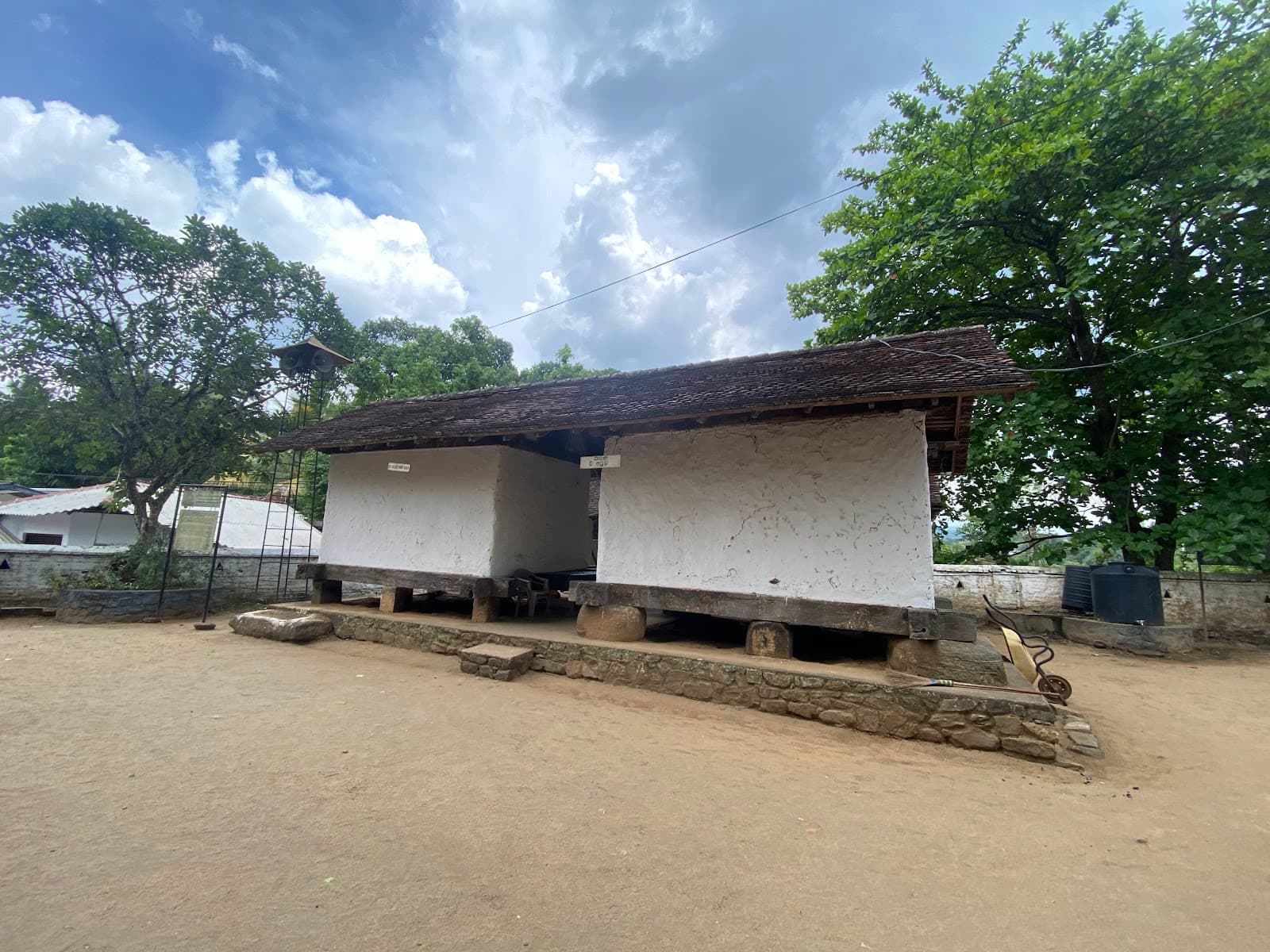
Embekka Devalaya Kandy Sri Lanka
Embekka Devalaya, located in Udunuwara, Kandy District, Sri Lanka, stands as a profound testament to India's millennia-spanning cultural heritage, embodying continuous traditions of indigenous architectural and artistic practices. Dedicated primarily to Kataragama Deviyo, also known as Mahasen, and the local deity Devatha Bandara, this monument reflects a deep spiritual and artistic continuum rooted in ancient Indian civilization [1] [2]. The architectural style is a distinctive blend of Kandyan, Dravida, and Indian Wood Carving traditions, showcasing the sophisticated timber construction techniques prevalent in the region for centuries [4] [5]. The complex is renowned for its intricate wooden carvings, particularly within the Hevisi Mandapaya, or Drummer's Hall, which is considered one of the finest examples of medieval carpentry globally [1] [3]. This hall is constructed on a quadrangle stone-faced platform measuring 16.26 meters (52 feet 10 inches) long, 7.92 meters (25 feet 9 inches) wide, and 0.92 meters (3 feet) high [5]. Supporting its high-pitched roof are 32 elaborately carved wooden pillars, each approximately 3.35 meters (11 feet) tall [3] [5]. The medial panels of these pillars feature 128 distinct carvings, complemented by 256 Liyapath Wardana carvings, 64 Pekada Nelum carvings, 30 Balka carvings, and 36 Thalada carvings, totaling 514 individual wood carvings within the Digge alone [5] . These carvings depict a rich array of motifs, including the Hansa Puttuwa (entwined swans), Lanu Gataya (entwined rope), Kisimbi Muna (sneezing face), Liyawala (festoon work), Deva Ruwa (deities), Gijulihiniya (hawk), double-headed eagles, dancing female figures, a mother breast-feeding her child, wrestlers, soldiers on horseback, and mythical creatures such as Serapendiya, Bherunda Pakshiya, Gaja Sinha, and Narilatha [1] [5]. A unique carving depicts an entwined elephant and bull, demonstrating exceptional artistic expertise [1]. The entire structure, including the nails, is crafted entirely from tropical hardwood, a material chosen for its resistance to borer beetles, contributing to the structure's remarkable preservation [1] [4]. A notable engineering innovation is the 'Madol Kurupawa,' a large wooden pin that ingeniously holds 26 rafters together at one end of the Digge roof without the use of any metal fasteners [1] [5] . The Embekka Devalaya complex comprises eight main buildings, including the Vahalkada (main entrance porch), Maha Devalaya (main shrine), Palle Devalaya, Muruthengeya (kitchen), Vee Atuwa (granary), a Buddha shrine, Rittageya (Ambalama), and Sinhasana Geya (throne house) [5]. The Vahalkada, measuring 6.98 meters (22 feet 11 inches) in length and 5.69 meters (18 feet 8 inches) in width, is built on a 0.76-meter (2.5-foot) high quadrangle base and supported by 10 pillars [5]. The Garbha, or sanctum, is an innermost chamber accessible only through the roof level, with entry restricted to the Kapu-mahattaya, the chief priest [5]. The Antharalaya houses historically significant artifacts, including a palanquin and a pair of tusks believed to be offerings from King Vikramabahu III [5]. Conservation efforts have been ongoing, with the Department of Archaeology undertaking significant restoration work since the mid-1940s when the building was in a deteriorated state [5]. The roof of the Maha Devalaya, the entrance porch, and the Palle Devalaya were conserved between 1970 and 1971, followed by the conservation of the Digge in 1978 [5]. More recently, UNESCO-funded workshops in 2013 focused on precise documentation and research methods for wooden structures, emphasizing minimum intervention to preserve the original state of the carvings . The site remains an active place of worship, well-maintained and accessible to visitors, who can observe daily rituals and traditional drumming processions [3] . Embekka Devalaya is a National Heritage Site, continuously maintained and operational, offering a profound connection to India's enduring cultural legacy [5].
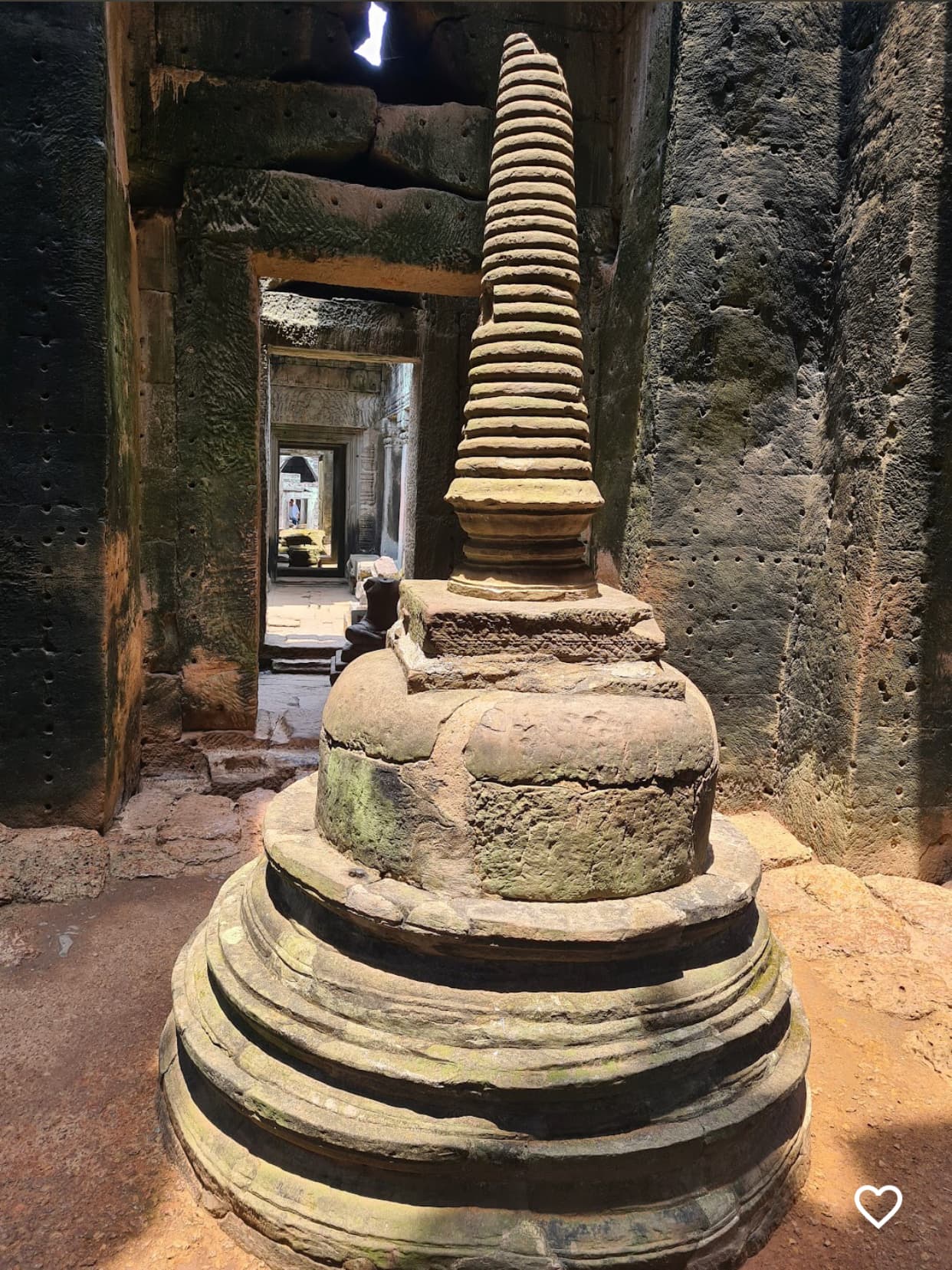
Preah Khan Siem Reap Cambodia
Preah Khan, sprawling across 56 hectares of jungle-enveloped terrain northeast of Angkor Thom, represents one of the most extensive and architecturally complex temple complexes in Southeast Asia, constructed in the late 12th century CE during the reign of King Jayavarman VII as a Mahayana Buddhist monastery and university that seamlessly integrated Vishnu and Shaiva iconography, creating a powerful testament to the sophisticated religious syncretism that characterized Khmer religious practices and the continued transmission of Indian Buddhist and Hindu traditions to Southeast Asia. The temple complex, originally serving as a major center of Buddhist learning that housed over 97,840 people including monks, students, teachers, and support staff according to inscriptions, features extraordinary architectural elements that demonstrate the synthesis of Indian Buddhist monastery architecture with Khmer building techniques, while the temple's extensive decorative programs including numerous devatas, apsaras, and mythological scenes demonstrate the sophisticated understanding of both Indian Buddhist and Hindu iconography possessed by Khmer artists. The temple's name, meaning "Sacred Sword," refers to a legendary weapon that was believed to be housed within the complex, while the temple's architectural layout, with its central sanctuary surrounded by multiple enclosures, libraries, and numerous smaller structures, follows sophisticated Indian Buddhist monastery planning principles that were systematically transmitted from the great monastic centers of India including Nalanda and Vikramashila. Archaeological evidence reveals that the temple served as both a major center of Mahayana Buddhist learning and a repository of Vishnu and Shaiva iconography, demonstrating the remarkable religious syncretism that characterized Khmer religious practices, while the discovery of numerous inscriptions provides crucial evidence of the site's role in the transmission of Indian Buddhist and Hindu texts and practices to Southeast Asia. The temple's extensive decorative programs, executed with remarkable artistic sophistication, include elaborate lintels and pediments depicting scenes from Hindu mythology including Vishnu reclining on the serpent Shesha, Shiva dancing, and numerous other scenes that demonstrate the direct transmission of Indian Hindu iconographic programs and narrative traditions from the great artistic centers of India to Cambodia. Today, Preah Khan stands as part of the UNESCO World Heritage Site and represents one of the most important Mahayana Buddhist monasteries in Southeast Asia, serving as a powerful testament to the transmission of Indian Buddhist and Hindu culture to Southeast Asia, while ongoing archaeological research and conservation efforts continue to protect and study this extraordinary cultural treasure that demonstrates the profound impact of Indian civilization on Southeast Asian religious and artistic traditions. ([1][2])
Prasat Ta Mueang Surin
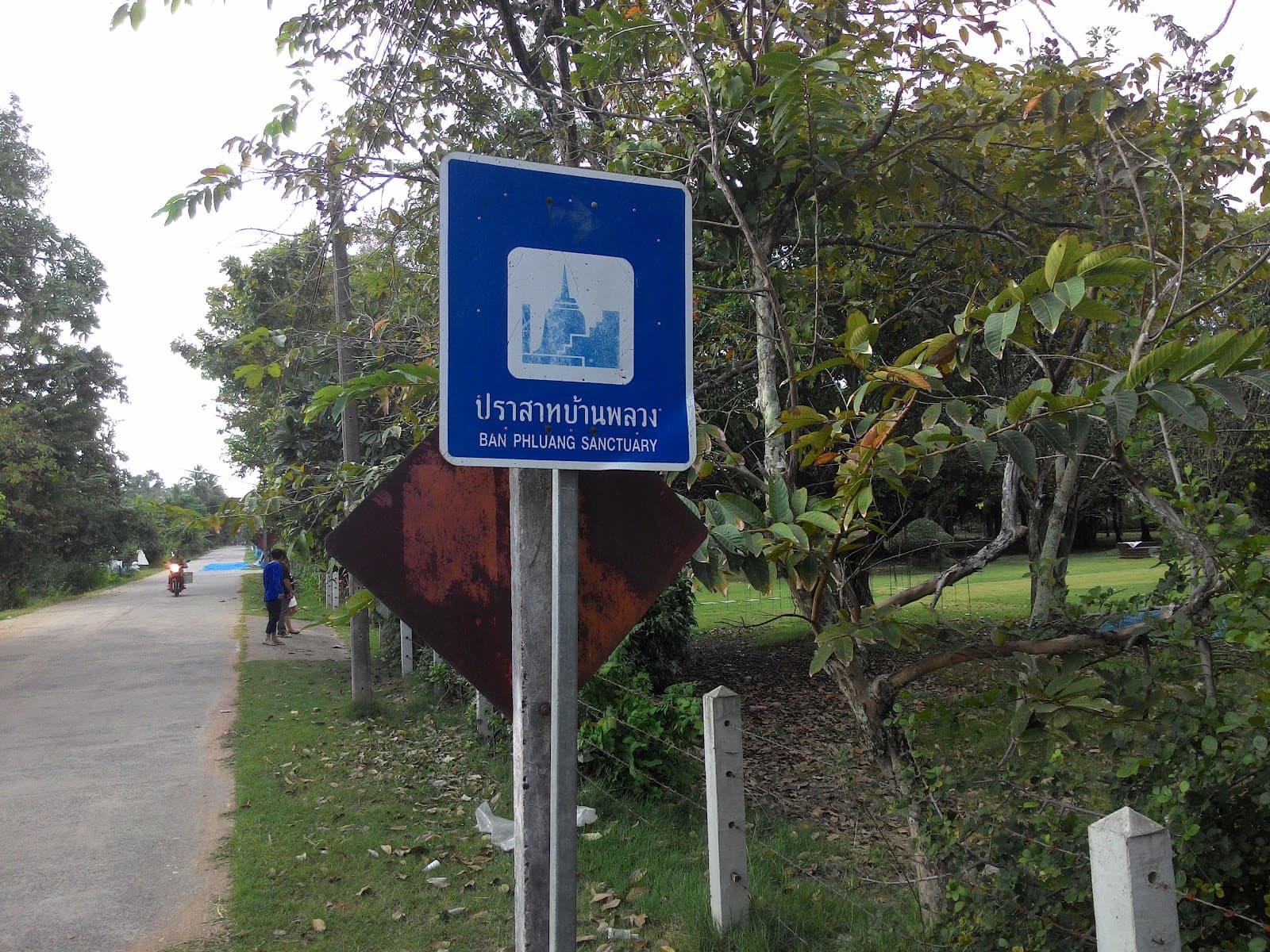
Prasat Ta Mueang, located in Prasat District of Surin Province, represents an important 11th-century Khmer Hindu temple complex distinguished by its well-preserved lingam remnants and evidence of extensive Shiva worship. The temple complex, constructed during the Baphuon period in the 11th century CE, is dedicated to Shiva, with the main prasat housing a massive lingam pedestal and numerous subsidiary shrines containing smaller lingams, demonstrating the importance of lingam worship in Khmer religious practice. The complex features a rectangular laterite enclosure wall, accessed through gopuras that lead to the inner courtyard containing the main prasat, libraries, and numerous subsidiary structures. The main prasat, constructed from pink sandstone and laterite, rises approximately 16 meters and features a square plan with porches extending in cardinal directions. The temple’s lintels and pediments, carved from pink sandstone, depict scenes from Hindu mythology, particularly Shiva-related themes, including the cosmic dance, lingam worship, and various deities. The complex includes two libraries positioned east of the main prasat, numerous subsidiary shrines, and evidence of a sophisticated drainage system. Archaeological evidence indicates the temple served as an important regional religious center for Shiva worship, with the concentration of lingam remnants suggesting it may have been a particularly significant site for lingam rituals. The site has undergone restoration since the 1980s, involving structural stabilization and conservation of remaining decorative elements and lingam remnants. Today, Prasat Ta Mueang remains an important site for understanding Khmer lingam worship and Shiva temple architecture, attracting visitors interested in its well-preserved lingam remnants and historical significance as a center of Shiva devotion. ([1][2])
Kailasa Temple Ellora
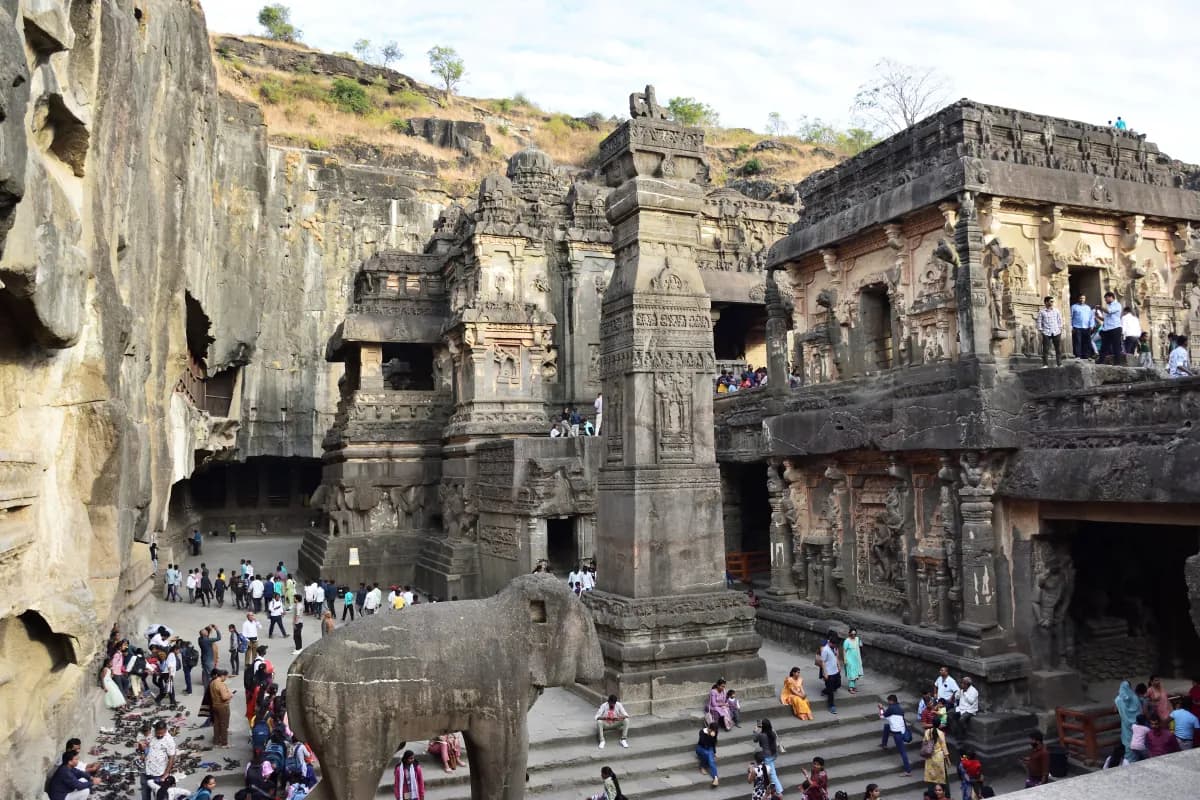
The sheer audacity of Kailasa Temple at Ellora leaves you breathless. Carved from a single basalt cliff, it stands as a testament to the Rashtrakuta dynasty's ambition and the unparalleled skill of their artisans. Unlike the other cave temples at Ellora, which are excavated inwards, Kailasa (Cave 16) was carved outwards, a monumental task that involved removing over 200,000 tonnes of rock. Standing in the courtyard, craning my neck to take in the three-story structure, I felt dwarfed by its immensity. The sheer scale is overwhelming, almost defying logic. My journey through the complex began with the entrance gateway, a gopuram teeming with intricate carvings of deities and mythical creatures. Passing through, I found myself in a large open courtyard, the main temple dominating the space. Two free-standing pillars, or dhvajastambhas, flank the entrance, adding to the grandeur. Elephants, seemingly frozen in mid-stride, stand guard at the base of the temple, their sculpted forms remarkably lifelike even after centuries of exposure to the elements. The temple itself is a marvel of Dravidian architecture. Multi-storied and adorned with elaborate carvings, it’s a visual feast. I spent hours exploring the different levels, each revealing new details. The main shrine, dedicated to Lord Shiva, houses a lingam, the symbol of divine energy. Surrounding the shrine are smaller shrines dedicated to other deities, each a miniature masterpiece in its own right. The carvings on the outer walls narrate stories from Hindu mythology, the Ramayana and Mahabharata vividly depicted in stone. I was particularly captivated by the depiction of Ravana attempting to lift Mount Kailasa, the abode of Shiva. The sheer dynamism of the scene, captured with such precision, is a testament to the sculptor's mastery. The details are astonishing – the expressions on the faces of the figures, the intricate folds of their garments, the delicate ornamentation – all carved with remarkable precision. One of the most striking features of Kailasa Temple is the intricate network of bridges, staircases, and passageways that connect the different levels. Climbing these ancient stairs, worn smooth by centuries of footsteps, I felt a palpable connection to the past. I imagined the priests and devotees who once thronged these spaces, their chants and prayers echoing through the courtyard. Beyond the main temple, the complex includes several smaller shrines and chambers. I explored the Lankeshvara cave, dedicated to Lord Shiva, and the Nandi Mandapa, which houses a colossal sculpture of Nandi, Shiva's sacred bull. The Nandi Mandapa, in particular, impressed me with its sheer size and the intricate carvings that adorned its walls and ceiling. As the sun began to set, casting long shadows across the courtyard, I took a final look at Kailasa Temple. The golden light illuminated the carvings, giving them an ethereal glow. It was a magical moment, a fitting end to my exploration of this extraordinary site. Having visited every UNESCO site in India, I can confidently say that Kailasa Temple stands apart. It's not just a temple; it's a symphony in stone, a testament to human ingenuity and devotion. It’s a site that must be experienced to be truly appreciated. The sheer scale, the intricate carvings, and the palpable sense of history combine to create an experience that is both awe-inspiring and deeply moving. It's a place that stays with you long after you've left, a reminder of the incredible achievements of India's rich cultural heritage.
Quick Links
Plan Your Heritage Journey
Get personalized recommendations and detailed visitor guides