Has Inheritage Foundation supported you today?
Your contribution helps preserve India's ancient temples, languages, and cultural heritage. Every rupee makes a difference.
Secure payment • Instant 80G certificate
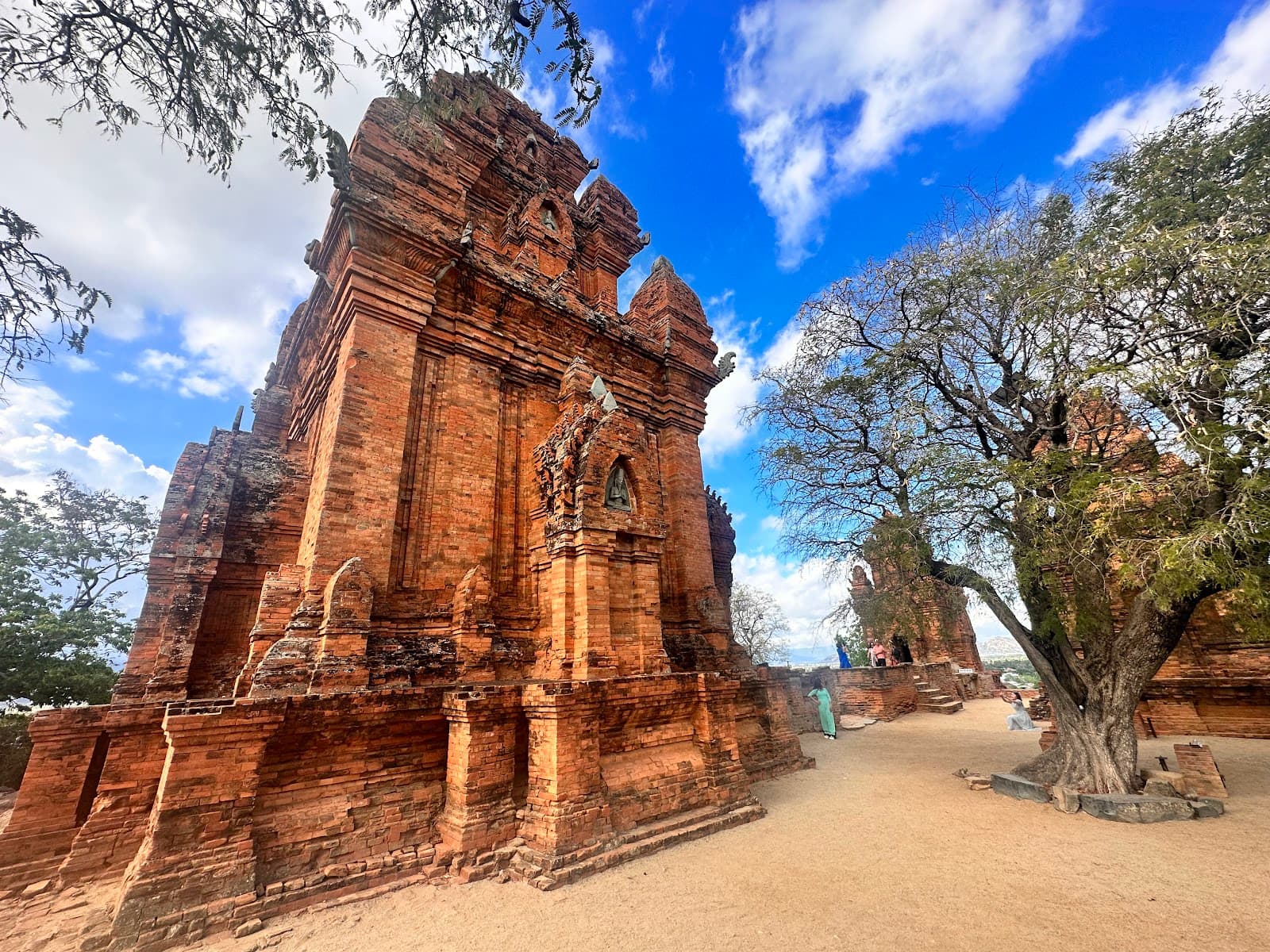
Po Klong Garai Towers Phan Rang Vietnam
Po Klong Garai Towers, dramatically situated on a hilltop overlooking the city of Phan Rang in Ninh Thuan Province, Vietnam, represent one of the most magnificent and well-preserved Cham Hindu temple complexes in Vietnam, constructed in the late 13th century CE to honor King Po Klong Garai, a revered Champa monarch who is remembered for his wisdom and contributions to Cham civilization, creating a stunning testament to the continued transmission of Indian Hindu religious and architectural traditions to Southeast Asia during the late medieval period. The temple complex, comprising three towers including a main tower dedicated to Shiva, a fire tower, and a gate tower, features extraordinary red brick structures adorned with intricate sandstone carvings and bas-reliefs that demonstrate the sophisticated synthesis of Indian Hindu temple architecture, particularly the Dravidian traditions of southern India, with indigenous Cham building techniques, creating a unique architectural expression that reflects Champa's deep and enduring engagement with Indian religious and cultural traditions. The main tower, standing approximately 21 meters tall and dedicated to Shiva, features elaborate decorative programs including bas-reliefs depicting Hindu deities, mythological scenes, and Cham royal iconography that demonstrate the direct transmission of Indian Hindu iconography and artistic traditions, while the discovery of Sanskrit inscriptions and Cham inscriptions provides crucial evidence of the site's role as a center for the transmission of Indian religious texts and practices to Southeast Asia. The temple complex served as a major center of Hindu worship for the Champa Kingdom, attracting devotees from across the region, while the site's location on a prominent hilltop, chosen according to Indian cosmological principles emphasizing the connection between earth and sky, underscores its spiritual significance as a place where the divine and earthly realms intersected, and the site's continued use as an active place of worship by Cham communities demonstrates the enduring vitality of Hindu religious practices in Vietnam. Archaeological evidence reveals that the complex represents one of the finest examples of late Cham architecture, demonstrating the continued refinement of Cham Hindu temple design and its continued engagement with Indian traditions even as Champa faced increasing pressure from neighboring powers, while the sophisticated brick construction techniques, including the unique Cham method of firing bricks in situ, created exceptionally durable structures that have withstood centuries of environmental stress and human activity. The towers feature distinctive Cham architectural elements including tiered pyramidal roofs, elaborate false doors, and extensive decorative programs that demonstrate the adaptation of Indian temple architecture to local materials and aesthetic preferences, while the site's excellent preservation provides crucial insights into the sophisticated engineering and artistic techniques employed in Cham temple construction. Today, Po Klong Garai stands as one of the most important Cham Hindu temples in Vietnam, serving as a powerful testament to the transmission of Indian Hindu culture and architecture to Southeast Asia, while the site's continued function as an active place of worship and its prominent location ensure its ongoing significance as both a cultural monument and a living religious center that bridges ancient Cham traditions with contemporary Vietnamese society. ([1][2])

Hansi Fort Prithviraj Chauhan
Asigarh Fort, also known as Hansi Fort or Prithviraj Chauhan Fort, stands as a protected monument managed by the Archaeological Survey of India in Hansi, Hisar district. The fort complex spans approximately 30 acres in a square configuration with security posts at four corners. Current visitor access operates daily from 8:00 AM to 6:00 PM, with closures on Mondays. Entry remains free for all visitors. The site lacks formal visitor infrastructure: no wheelchair access, restrooms, guides, souvenir shops, or food stalls are available. Informal parking exists near the entrance. The fort's weathered gateways, bastions, and ramparts present an exposed environment requiring morning or evening visits to avoid harsh sunlight. Archaeological excavations in 1982 recovered 58 Jain bronze images from the 8th–9th century CE, establishing the site's pre-medieval significance. The monument requires extensive restoration to address structural deterioration and unauthorized occupancy issues documented in recent ASI assessments.
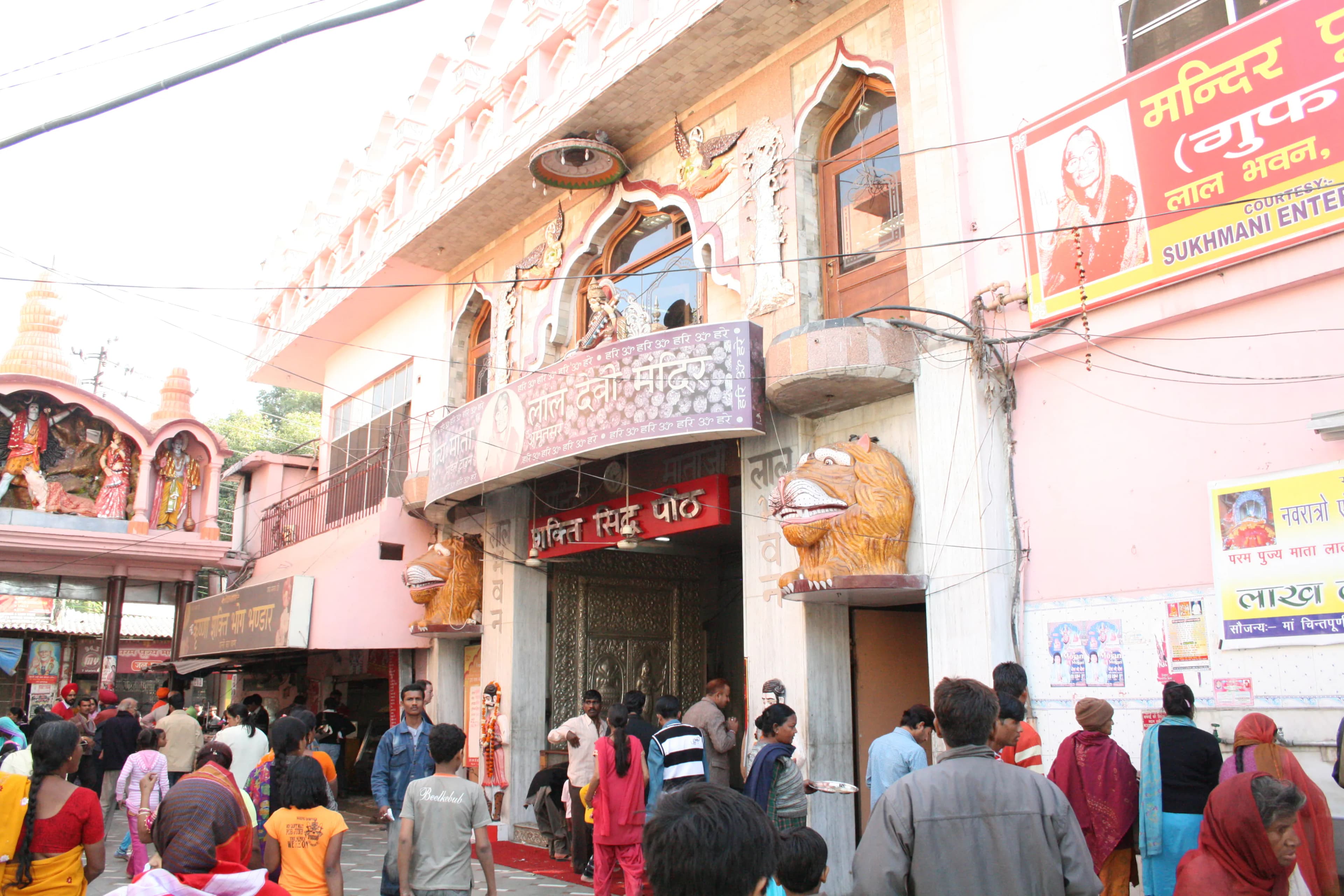
Mata Lal Devi Mandir Amritsar
The narrow lanes of Amritsar, vibrant with the scent of spices and the echo of devotional chants, led me to a place quite unlike the Golden Temple’s grandeur, yet equally captivating: the Mata Lal Devi Mandir. This temple, dedicated to the 20th-century female saint Lal Devi, isn't a UNESCO World Heritage Site. It's a labyrinthine marvel, a kaleidoscope of mirrors, narrow passages, and unexpected chambers, often described as a "funhouse" for the devout. Having explored every UNESCO site in India, I can confidently say this temple offers a unique spiritual experience, blending traditional faith with an almost surreal, dreamlike atmosphere. Stepping inside felt like entering another dimension. The low-ceilinged passages, twisting and turning unpredictably, were lined with countless mirrors. These weren't placed for vanity, but to symbolize the illusions and distractions of the material world. Navigating through them, I felt a sense of disorientation, a deliberate unsettling meant to encourage introspection. The mirrored walls also amplified the sounds of chanting and the shuffling of feet, creating an immersive, almost hypnotic effect. The architecture defies easy categorization. It’s a fascinating blend of traditional Hindu motifs with elements seemingly borrowed from fairytales and fantasy. Elaborate murals depicting scenes from Hindu mythology adorned the walls, interspersed with quirky, almost kitsch, depictions of caves, tunnels, and celestial realms. One moment I was gazing at a vibrant depiction of Krishna, the next I was squeezing through a narrow passage meant to simulate a symbolic rebirth. This playful, almost theatrical quality sets Mata Lal Devi Mandir apart from the more austere temples I've visited. The temple’s heart lies in the sanctum dedicated to Mata Lal Devi. Here, devotees offer prayers and seek blessings, the atmosphere thick with faith and devotion. While photography is generally discouraged within the inner sanctum, the visual memory of the ornate shrine, adorned with flowers and flickering lamps, remains vivid. The energy within this space is palpable, a testament to the enduring power of belief. What struck me most about Mata Lal Devi Mandir was its accessibility. Unlike some temples with strict hierarchical structures, this space felt open to everyone. I observed people from all walks of life, young and old, rich and poor, navigating the maze-like passages, their faces reflecting a mix of curiosity, devotion, and amusement. Children, in particular, seemed to revel in the temple's playful design, their laughter echoing through the mirrored corridors. Beyond the main shrine, the temple complex houses several smaller shrines dedicated to various deities. I discovered a small pond, its surface covered with lotus flowers, and a miniature replica of the Vaishno Devi shrine, a popular pilgrimage site in Jammu and Kashmir. These additions further enhance the sense of wonder and discovery that permeates the entire complex. My visit to Mata Lal Devi Mandir was a journey into a world where faith and fantasy intertwine. It’s a place that challenges conventional notions of religious architecture and offers a unique, deeply personal experience. While not a UNESCO site, its cultural significance and the sheer ingenuity of its design make it a must-visit for anyone traveling to Amritsar. It’s a reminder that spirituality can manifest in unexpected ways, and that sometimes, the most profound experiences are found in the most unlikely of places. Leaving the temple, I carried with me not just the scent of incense and the echo of chants, but a renewed appreciation for the diverse and often surprising expressions of faith found across India.

Stupa of Tepe Maranjan Kabul Afghanistan
Tepe Maranjan, located on a prominent hill overlooking Kabul, Afghanistan, preserves the remarkable remains of a 3rd to 4th century CE Buddhist stupa that represents one of the earliest and most significant Buddhist monuments in the Kabul region, demonstrating the early transmission of Indian Buddhist architectural and religious traditions to Afghanistan during the Kushan period, when Buddhism flourished across the region under the patronage of the Kushan Empire that ruled over vast territories from Central Asia to northern India. The stupa, constructed primarily from stone and stucco with extensive decorative elements, features a massive domed structure rising from a square base, following the classic Indian stupa form that was transmitted from India to Afghanistan, while the discovery of Buddhist relics and inscriptions at the site provides crucial evidence of the stupa's role as a major center of Buddhist devotion and the transmission of Indian Buddhist practices to Central Asia. The site's architectural design demonstrates direct influence from Indian Buddhist stupa architecture, particularly the early Buddhist traditions of northern India, with the overall form, decorative elements, and structural principles reflecting Indian Buddhist practices that were systematically transmitted to Afghanistan, while the site's prominent hilltop location emphasizes its spiritual significance and visibility as a landmark of Buddhist presence in the region. Archaeological excavations have revealed evidence of extensive Buddhist activity at the site, including the discovery of reliquaries, coins, and artifacts that demonstrate the stupa's importance as a center of Buddhist worship and pilgrimage, while the site's location near Kabul underscores its role as a major religious center in the region during the Kushan period. The stupa was likely constructed during the height of Kushan power in the 3rd to 4th centuries CE, when the Kushan Empire facilitated extensive cultural and religious exchange between India and Central Asia, creating conditions that allowed for the flourishing of Buddhism and the transmission of Indian architectural and artistic traditions to Afghanistan. The site continued to function as a Buddhist center through the 5th and 6th centuries CE before gradually declining following the decline of the Kushan Empire and the eventual spread of other religious traditions in the region, while the substantial architectural remains that survive provide crucial evidence of the site's original grandeur and importance. Today, Tepe Maranjan stands as an important archaeological site in Afghanistan, serving as a powerful testament to the country's ancient Buddhist heritage and its historical role as a center for the early transmission of Indian religious and architectural traditions, while ongoing archaeological research and preservation efforts continue to reveal new insights into the site's construction, religious practices, and cultural significance. ([1][2])

Zurmala Stupa Termez Uzbekistan
The Zurmala Stupa, located in Termez, Surxondaryo Region, Uzbekistan, stands as a profound testament to India's millennia-spanning cultural heritage and the enduring legacy of Buddhist architectural traditions that spread across Central Asia from the Indian subcontinent [1] [3]. This ancient Buddhist stupa, dating back to the 1st century CE, embodies the indigenous architectural styles and cultural practices that reflect India's deep historical roots and its continuous civilization [1] [5]. The structure, a cylindrical tower, originally measured approximately 14.5 meters in diameter and rose to an impressive height of over 16 meters [1] [3]. It was constructed primarily from adobe brick, a common and ancient building material, and was subsequently faced with burnt red bricks and stone blocks [1] [3]. These facing materials were often adorned with high reliefs depicting scenes from Buddhist mythology, showcasing the sophisticated artistic and religious iconography originating from India [1]. The architectural design of Zurmala Stupa is characteristic of early Buddhist stupa architecture, which evolved from ancient Indian burial mounds and reliquaries [1]. It features a rectangular cylindrical monolith stylobate, upon which the main cylindrical body of the stupa was hoisted [1]. The upper part of the tower housed a reliquary chamber, intended for the storage of sacred Buddhist scriptures, statues, or relics of the Buddha, emphasizing its primary function as a sacred monument [1]. The exterior facade of the stupa was believed to have been painted a vibrant red, a color often associated with Buddhist symbolism and monastic traditions [3]. Archaeological investigations have revealed fragments of kilned bricks around the stupa, some bearing stamps similar to those used in Bactria during the Kushan Empire, indicating the construction techniques and material sourcing of the period [3]. Currently, the Zurmala Stupa exists as a significant archaeological remnant, with its original grandeur partially obscured by the passage of time and natural degradation [1] [3]. The monument exhibits substantial cracks, highlighting the ongoing challenges in its preservation [3]. Despite its current state, conservation efforts are underway, including documentation and restoration work, to safeguard this invaluable piece of heritage [4]. The site is recognized on the UNESCO Tentative List, underscoring its global cultural significance and the need for continued preservation [1]. While specific details on active programming or daily visitor flow are not extensively documented, the site remains accessible for scholarly research and heritage tourism, contributing to the understanding of the spread of Indian cultural and religious traditions [1] [5]. The Zurmala Stupa stands as an operational and accessible site, continuously maintained for its historical and cultural value, reflecting the enduring impact of Indian civilization across millennia [1] [4].
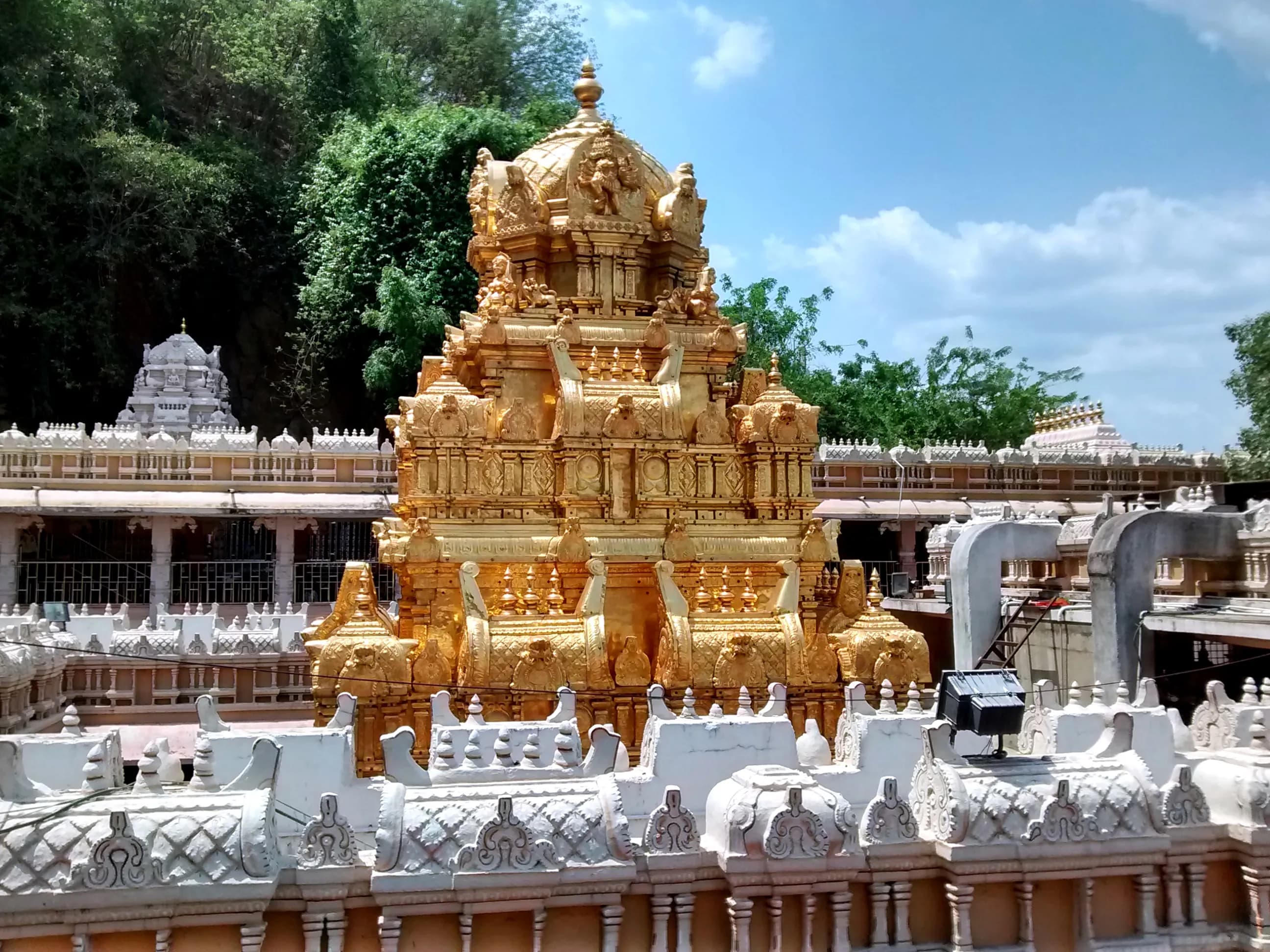
Kanaka Durga Temple Vijayawada
The Kanaka Durga Temple, dedicated to Goddess Kanaka Durga, is a significant Hindu pilgrimage site located on Indrakila Hill in Vijayawada, NTR District, Andhra Pradesh, India [4]. This ancient temple stands as a testament to India's millennia-spanning cultural heritage, embodying a continuous tradition of devotion and architectural evolution that dates back to the 7th century CE [5]. Its indigenous architectural styles, including Dravidian, Vesara, and Nagara influences, reflect the deep historical roots and sophisticated craftsmanship of Indian civilization [5] . The temple complex is characterized by its Dravidian architectural style, featuring a vast Raja Gopuram with nine tiers that serves as a towering entrance [3] [4]. The main sanctum, housing the self-manifested (Swayambhu) deity of Kanaka Durga, is constructed in a pyramidal shape, adorned with delicate stone carvings [3] [5]. The deity, a four-foot-high representation of Mahishasura Mardini, stands triumphantly over the demon Mahishasura, holding powerful weapons in each of her eight arms [3] [4]. Her form is embellished with glittering ornaments and flowers, radiating a golden hue [4]. A unique aspect of the temple's iconography is the placement of Goddess Kanaka Durga to the right of Lord Malleswara Swamy, signifying the predominance of Shakti, the divine feminine power [3] [5]. The temple also houses a separate shrine for Lord Shiva, known as Malleswara Swamy Temple, located in the northeast corner, and other shrines dedicated to deities such as Sri Nataraja Swami and Sri Subrahmanyeswara Swami [3]. Sri Adi Shankaracharya is credited with installing the Sri Chakra at the deity's feet and introducing Vedic rituals, replacing earlier practices [5]. The construction techniques employed in the Kanaka Durga Temple showcase advanced indigenous engineering. Massive granite blocks are precisely interlocked, often without mortar, demonstrating a mastery of dry masonry techniques that ensured structural stability and resilience [5]. The intricate carvings, depicting various forms of Goddess Durga, scenes from Hindu epics like the Ramayana and Mahabharata, and motifs of lotus flowers, animals, and celestial beings, are meticulously sculpted into the stone, reflecting generations of skilled craftsmanship . The temple's location on Indrakila Hill necessitated extensive groundwork, including leveling and terracing, with retaining walls likely constructed from large, dressed granite blocks [5]. The design also incorporates environmental considerations, with thick granite walls acting as thermal mass to moderate internal temperatures and the use of lime mortar allowing the structure to "breathe" [5]. Currently, the temple is a major pilgrimage site managed by the Endowments Department of Andhra Pradesh, with ongoing maintenance and recent upgrades ensuring its preservation [5]. Conservation efforts include strengthening the gopuram, conserving intricate carvings, and improving drainage systems [5]. There are plans for further restoration, including gold plating the main dome and renovating surrounding areas to enhance accessibility and pilgrim comfort [5]. Archaeological findings, though limited in formal excavations, primarily focus on architectural styles and inscriptions, which provide insights into the temple's evolution [5]. The temple is operationally ready, welcoming devotees daily from 4:00 AM to 12:30 PM and 2:30 PM to 10:00 PM, with special darshans and sevas having varying timings [5]. Entry is free for all, and while photography is restricted inside the main shrine, the site is partially accessible via road and cable car, though navigating the complex can be challenging for wheelchair users due to uneven surfaces and steps [5]. The Kanaka Durga Temple stands as a vibrant, living monument, continuously celebrating India's profound spiritual and architectural legacy.
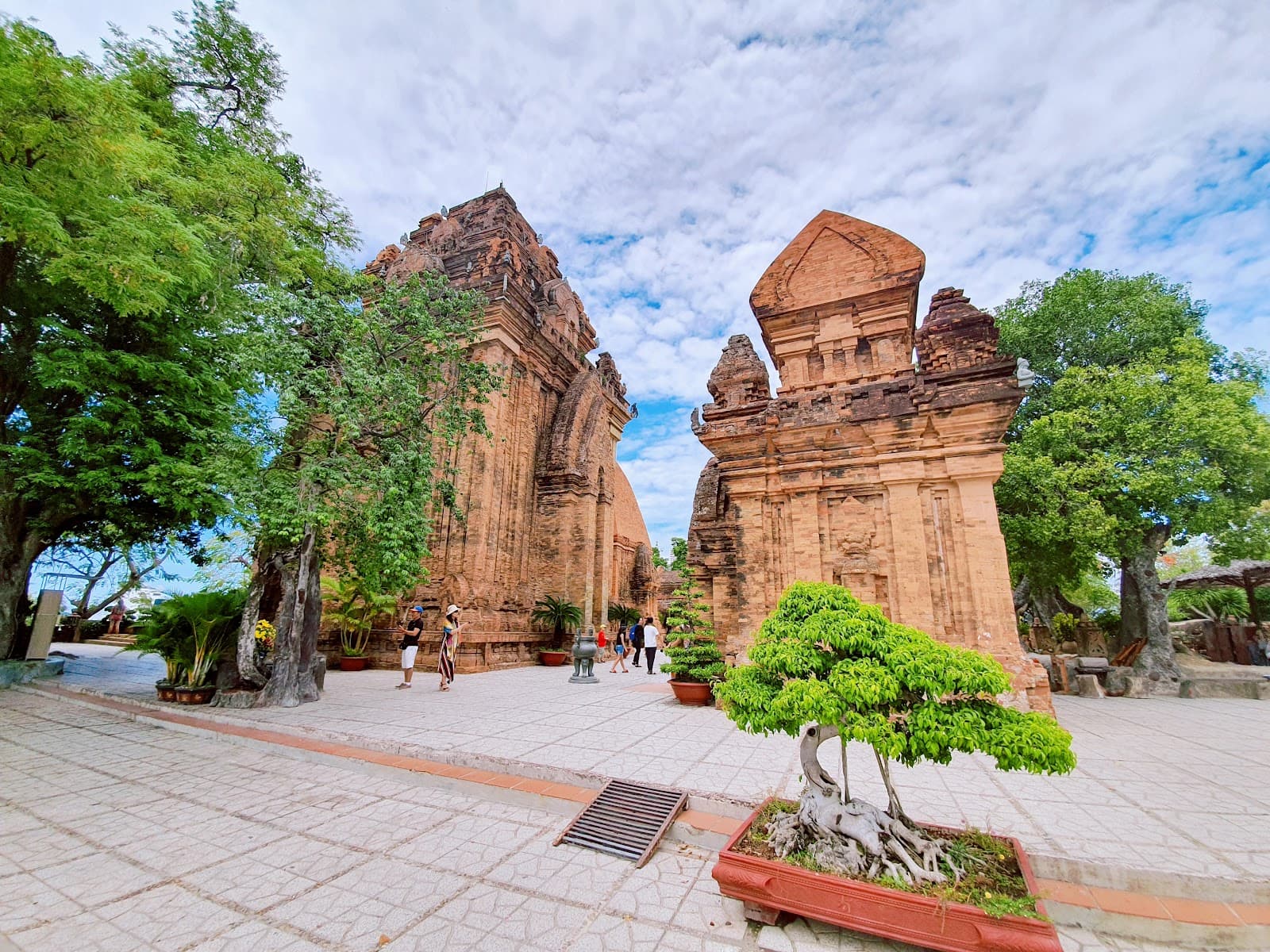
Po Nagar Cham Towers Nha Trang Vietnam
Po Nagar Cham Towers, majestically perched on a hill overlooking the Cai River in Nha Trang, Khanh Hoa Province, Vietnam, represent one of the most magnificent and spiritually significant Cham Hindu temple complexes in Vietnam, constructed from the 7th to 12th centuries CE and dedicated to Yan Po Nagar, the mother goddess of the Champa Kingdom who is identified with the Hindu goddess Bhagavati, creating a powerful testament to the profound transmission of Indian Hindu religious and artistic traditions to Southeast Asia. The temple complex, originally comprising eight towers of which four survive today, features extraordinary red brick structures adorned with intricate sandstone bas-reliefs and sculptures that demonstrate the sophisticated synthesis of Indian Hindu temple architecture, particularly the Dravidian traditions of southern India, with indigenous Cham building techniques, creating a unique architectural expression that reflects Champa's deep engagement with Indian religious and cultural traditions. The main tower, standing at 23 meters tall and dedicated to Yan Po Nagar, features elaborate decorative programs including bas-reliefs depicting Hindu deities, mythological scenes, and Cham royal processions that demonstrate the direct transmission of Indian Hindu iconography and artistic traditions, while the discovery of Sanskrit inscriptions provides crucial evidence of the site's role as a center for the transmission of Indian religious texts and practices to Southeast Asia. The temple complex served as a major center of Hindu worship for the Champa Kingdom for over five centuries, attracting devotees from across the region, while the site's location on a prominent hill overlooking the river, chosen according to Indian cosmological principles emphasizing the connection between earth and sky, underscores its spiritual significance as a place where the divine and earthly realms intersected. Archaeological evidence reveals that the complex underwent multiple phases of construction and modification, with each successive dynasty adding new towers and enhancing existing structures, creating an architectural palimpsest that documents the evolution of Cham Hindu architecture and its continued engagement with Indian traditions, while the site's continued use as an active place of worship by both Cham and Vietnamese devotees demonstrates the enduring vitality of Hindu religious practices in Vietnam. The towers feature distinctive Cham architectural elements including tiered pyramidal roofs, elaborate false doors, and extensive decorative programs that demonstrate the adaptation of Indian temple architecture to local materials and aesthetic preferences, while the sophisticated brick construction techniques, including the unique Cham method of firing bricks in situ, created exceptionally durable structures that have withstood centuries of environmental stress and human activity. Today, Po Nagar stands as a UNESCO Tentative List site and represents one of the most important Cham Hindu temples in Vietnam, serving as a powerful testament to the transmission of Indian Hindu culture and architecture to Southeast Asia, while the site's continued function as an active place of worship and its prominent location in modern Nha Trang ensure its ongoing significance as both a cultural monument and a living religious center that bridges ancient Cham traditions with contemporary Vietnamese society. ([1][2])
Padmanabhapuram Palace Kanyakumari
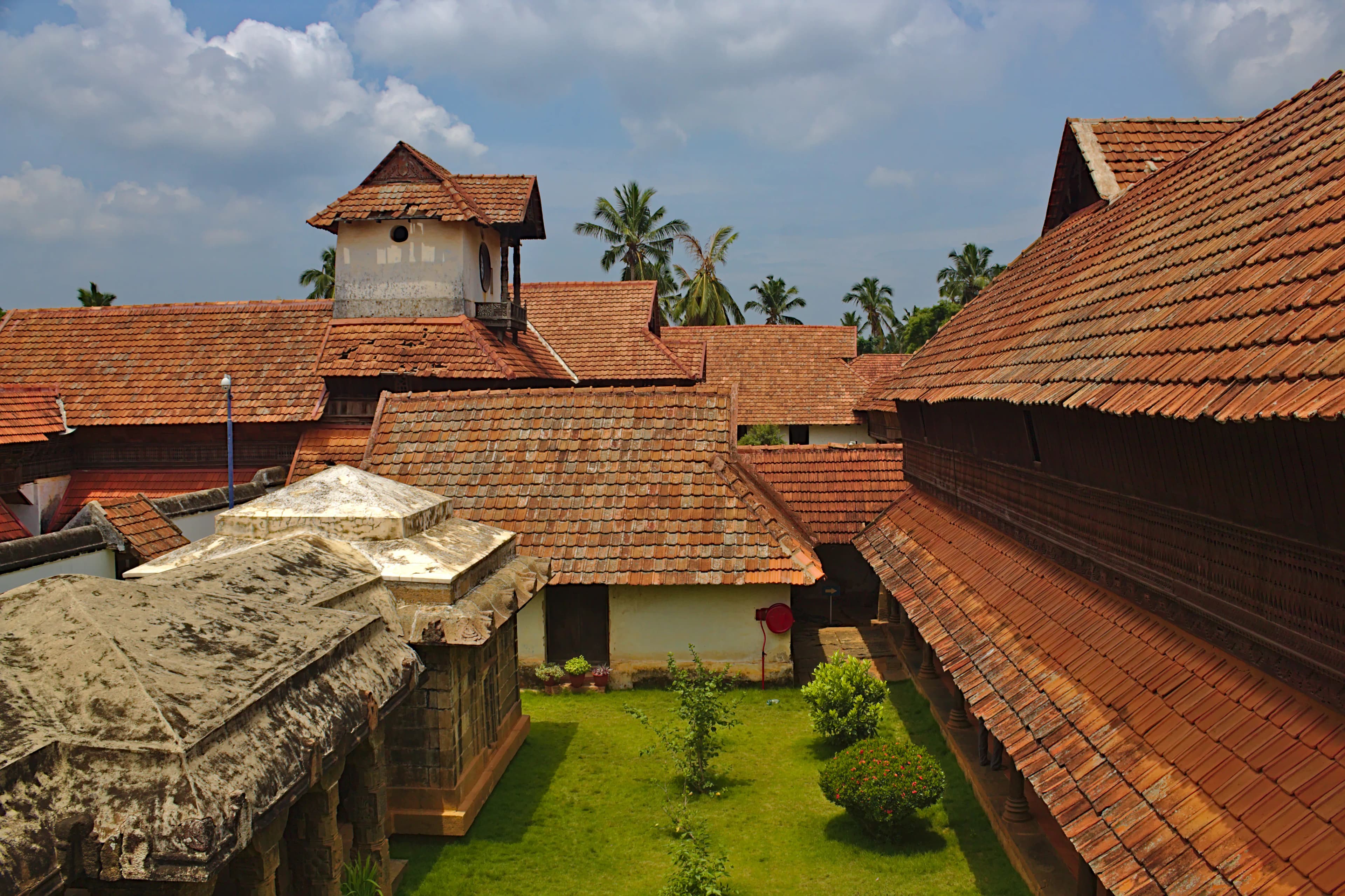
The scent of teakwood hung heavy in the air, a fragrant welcome to the Padmanabhapuram Palace. Stepping through the imposing gateway, I felt transported back in time, not to the Mughal grandeur I'm accustomed to in Uttar Pradesh, but to a distinctly different era, a world of Travancore kings and Nayak artistry. This wasn't the opulence of Agra or the intricate carvings of Fatehpur Sikri, but a more understated, almost austere elegance that spoke volumes about the region's unique history. The palace, a sprawling complex of wooden structures, isn't a single monolithic building but a series of interconnected halls, chambers, and courtyards. Unlike the sandstone and marble of the north, here, wood is king. Intricately carved pillars, polished to a dark sheen, support sloping roofs covered in terracotta tiles. The granite foundation, a stark contrast to the dark wood, anchors the structure, giving it a sense of grounded permanence. I was particularly struck by the clock tower, its European influence a subtle reminder of the trade routes that connected this southern kingdom to the wider world. The 'Thai Kottaram' or the Queen's Palace, a separate structure within the complex, captivated me with its delicate carvings. Floral motifs, scenes from epics, and intricate geometric patterns adorned every surface. The central courtyard, open to the sky, allowed light to filter in, illuminating the polished wooden floors and highlighting the intricate details of the carvings. It was easy to imagine the queen holding court here, surrounded by her attendants. One of the most striking features of the palace is the 'Mantrasala' or the Council Chamber. The sheer size of the single granite slab that forms the floor is awe-inspiring. The smooth, polished surface, cool to the touch even on a warm day, reflected the light filtering in through the intricately carved windows. I could almost hear the echoes of past deliberations, the whispers of advisors, and the pronouncements of kings. The palace museum, housed within the complex, provided a fascinating glimpse into the lives of the Travancore royalty. From ornate palanquins and weaponry to delicate ivory carvings and ancient manuscripts, the collection showcased the rich cultural heritage of the region. I was particularly intrigued by the collection of ancient coins, a testament to the kingdom's extensive trade networks. These weren't just objects; they were tangible links to a bygone era, whispering stories of maritime voyages, royal decrees, and the ebb and flow of power. As I walked through the dimly lit corridors, the creaking of the wooden floors under my feet added to the sense of history. The air was thick with the scent of age, a blend of wood, spices, and something indefinable, something that spoke of centuries of human presence. The small, strategically placed windows offered glimpses of the lush greenery outside, a reminder of the natural beauty that surrounds the palace. The contrast with the Mughal architecture I’m so familiar with was stark. Where the Mughals favoured grandeur and symmetry, the architecture here embraced a more organic, almost vernacular style. The emphasis on functionality, the use of local materials, and the integration with the natural surroundings spoke of a different aesthetic sensibility, one deeply rooted in the local environment and culture. Leaving the Padmanabhapuram Palace, I felt a profound sense of connection to a history far removed from my own. It was a humbling experience, a reminder that India's cultural tapestry is woven from countless threads, each unique and vibrant. The palace isn't just a collection of buildings; it's a living testament to the ingenuity, artistry, and resilience of the people who built it and called it home. It’s a must-see for anyone seeking to understand the rich diversity of Indian architecture and history.
Chottanikkara Bhagavathy Temple Ernakulam
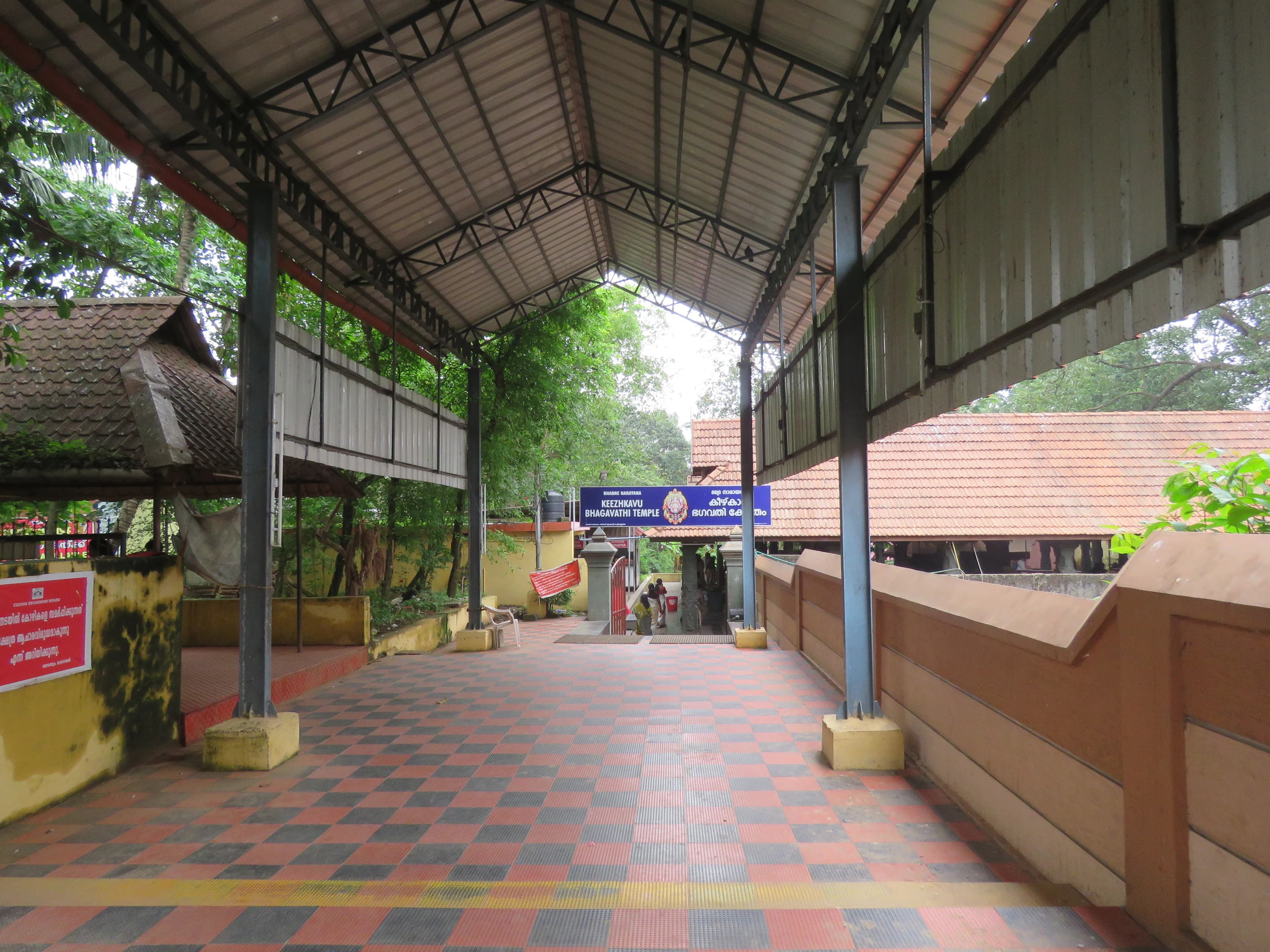
Nestled in the verdant landscapes of Kerala, the Chottanikkara Bhagavathy Temple, near Ernakulam, allures devotees with its spiritual sanctity. Dating back to 800 CE, during the reign of the Chera Dynasty, the temple exemplifies Keralan architecture ([1]). Dedicated to Bhagavathy, the revered mother goddess, the temple complex serves as a vibrant center for devotion ([2]). Intricate carvings adorning the walls narrate tales from Hindu mythology, reflecting the region's artistic legacy ([3]). During the Chera period, temple architecture flourished, supported by royal patronage ([4]). Within the Garbhagriha (Sanctum), Rajarajeswari, the benevolent manifestation of Bhagavathy, captivates devotees with her serene presence ([5]). The Keezhkkaavu, or lower sanctum, houses Rakthachaamundi, the goddess's fierce aspect, where devotees make unique offerings ([6]). Vastu Shastra principles, the ancient Indian science of architecture, guided the construction, evident in the temple's layout and orientation ([7]). Granite and laterite blocks, meticulously carved, form the structural elements, showcasing the craftsmanship of the era ([8]). The sloping roofs, a hallmark of Keralan architecture, protect the temple from the heavy monsoon rains ([9]). The use of wood, especially in the detailing and the roof structure, adds to the aesthetic appeal ([10]). The temple pond, known as 'Theertham', is revered for its purported healing properties, attracting devotees for ritualistic cleansing ([11]). This sacred site exemplifies the enduring power of faith, seamlessly blending ancient traditions with contemporary devotion, offering a glimpse into India's rich spiritual heritage ([12]). The Chottanikkara Bhagavathy Temple stands as a testament to the architectural prowess and religious fervor of the Chera Dynasty and the people of Kerala ([13]).
Sri Thendayuthapani Temple Singapore
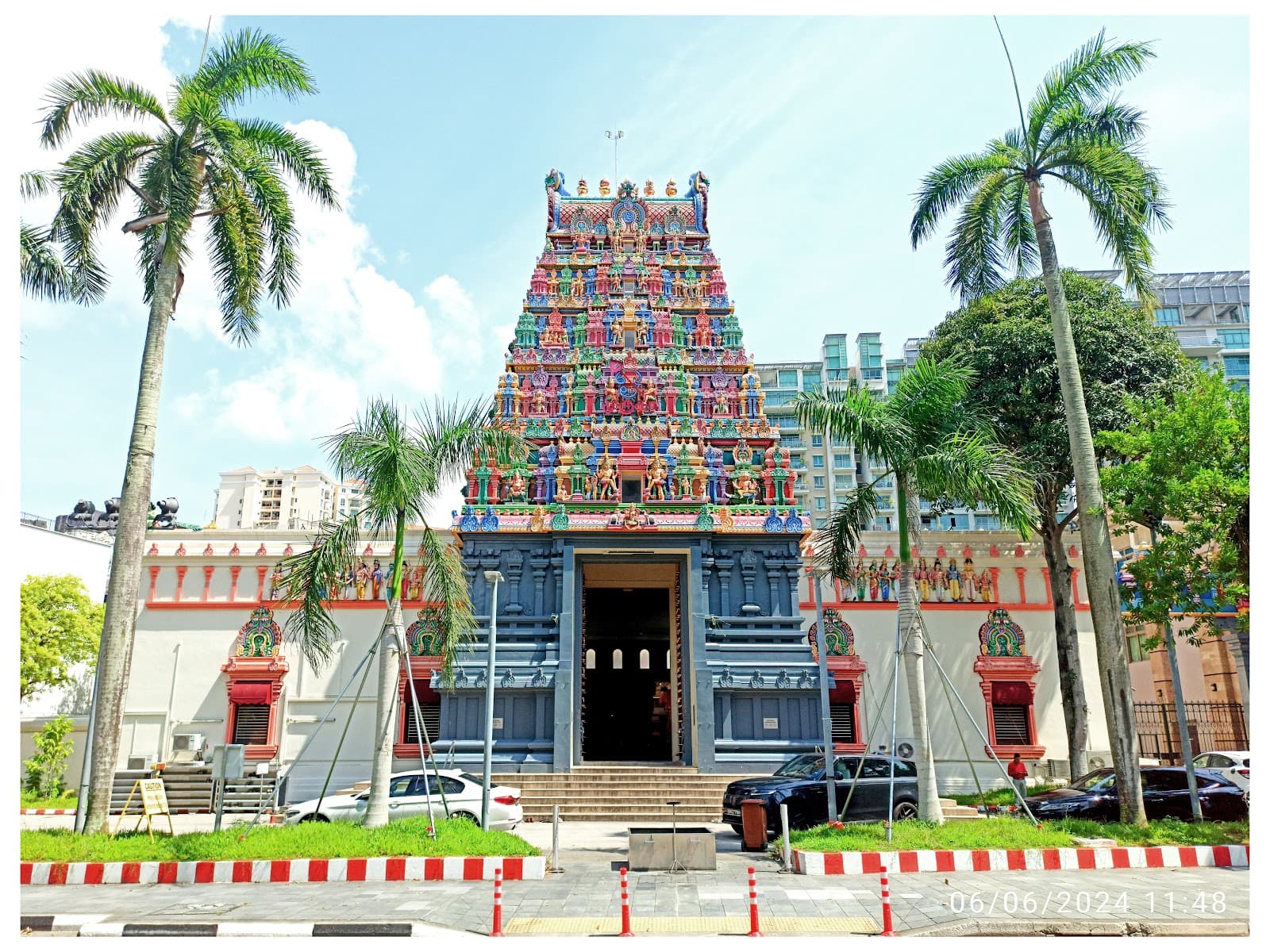
Sri Thendayuthapani Temple, built in 1859 by the Nattukottai Chettiars, anchors Tank Road as Singapore’s principal Murugan shrine and the culmination point for the annual Thaipusam kavadi pilgrimage ([1][2]). The temple’s five-tier rajagopuram features 3,500 polychromatic stucco figures and leads into a granite mandapa where Lord Murugan stands with Valli and Deivayanai beneath a gilded vimana. Daily worship begins 5:30 AM with Suprabhata Seva and closes at 9:00 PM with Arthajama Arati; multiple kala pujas, homa, and abhishekam are performed, especially during Thaipusam, Panguni Uttiram, and Skanda Shasti, when hundreds of kavadi bearers ascend the granite steps chanting “Vel Vel.” The temple precinct includes a newly constructed five-storey Annalakshmi Cultural Centre (2022) with banqueting halls, classrooms, dance studios, wellness suites, library, and the Annalakshmi vegetarian restaurant that funds charity initiatives. The Hindu Endowments Board manages annadhanam, Sikhara Veda classes, Carnatic music, Bharatanatyam, yoga, counselling, and senior outreach. Heritage tours, interfaith programmes, and research archives showcase the Chettiar community’s banking legacy, while disaster-relief fundraising, migrant welfare drives, and pandemic vaccination campaigns highlight the temple’s civic role. Integrated MEP systems, BMS controls, CCTV, and crowd management infrastructure enable the temple to support half a million visitors annually while conserving its historic Dravidian artistry ([1][3]).
Hare Krishna Temple Melbourne Albert Park
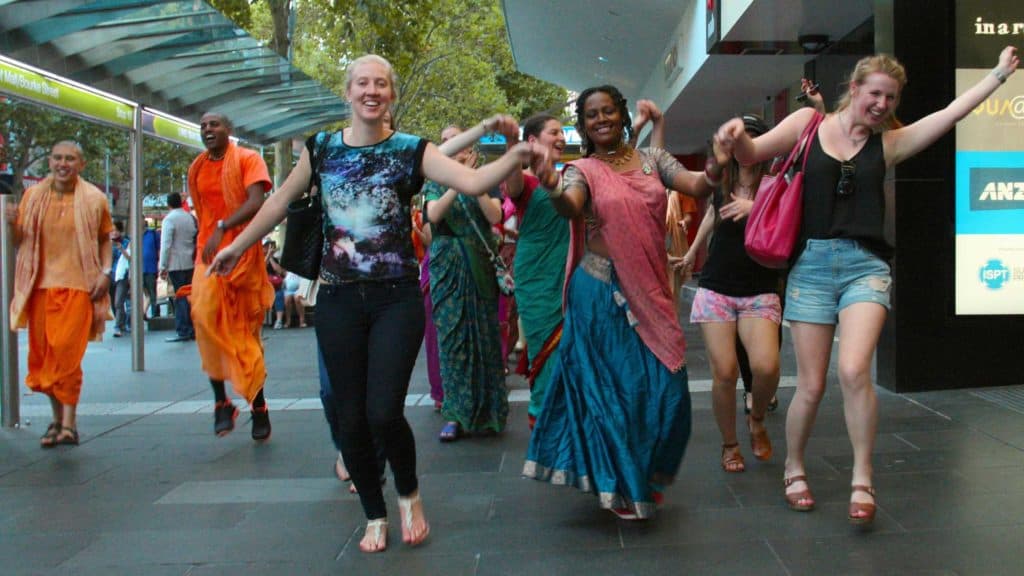
Hare Krishna Temple Melbourne Albert Park, also known as Melbourne Mahaprabhu Mandir, is dedicated to Lord Krishna and anchors Albert Park’s Albertian terrace precinct as Australia’s oldest ISKCON temple ([1][2]). Daily mangala arati begins 4:30 AM, followed by programs running to 9:00 PM, with Sunday Love Feast and Janmastami vigils extending to midnight; volunteers stage queue ropes through the Victorian halls, ushering devotees toward the marble-clad altar while maintaining egress to the Govinda’s restaurant and community rooms ([1][5]). Govinda’s commercial kitchen operates with vegetarian HACCP protocols, induction cooking, and compostable serveware, while the restaurant’s 150-seat dining hall doubles as lecture space with AV systems ([1][3]). Accessibility upgrades include a 1:14 ramp along Danks Street, lifts connecting basement prep areas and upper classrooms, Braille signage, and hearing loop audio in the temple hall ([2][5]). Fire wardens conduct drills quarterly, HVAC systems are managed via building management software, and digital signage posts bilingual English-Hindi/Bengali schedules, queue times, and emergency instructions, ensuring continuous operational readiness for worship, prasadam service, and cultural programming ([1][3]).
Qila Mubarak Patiala
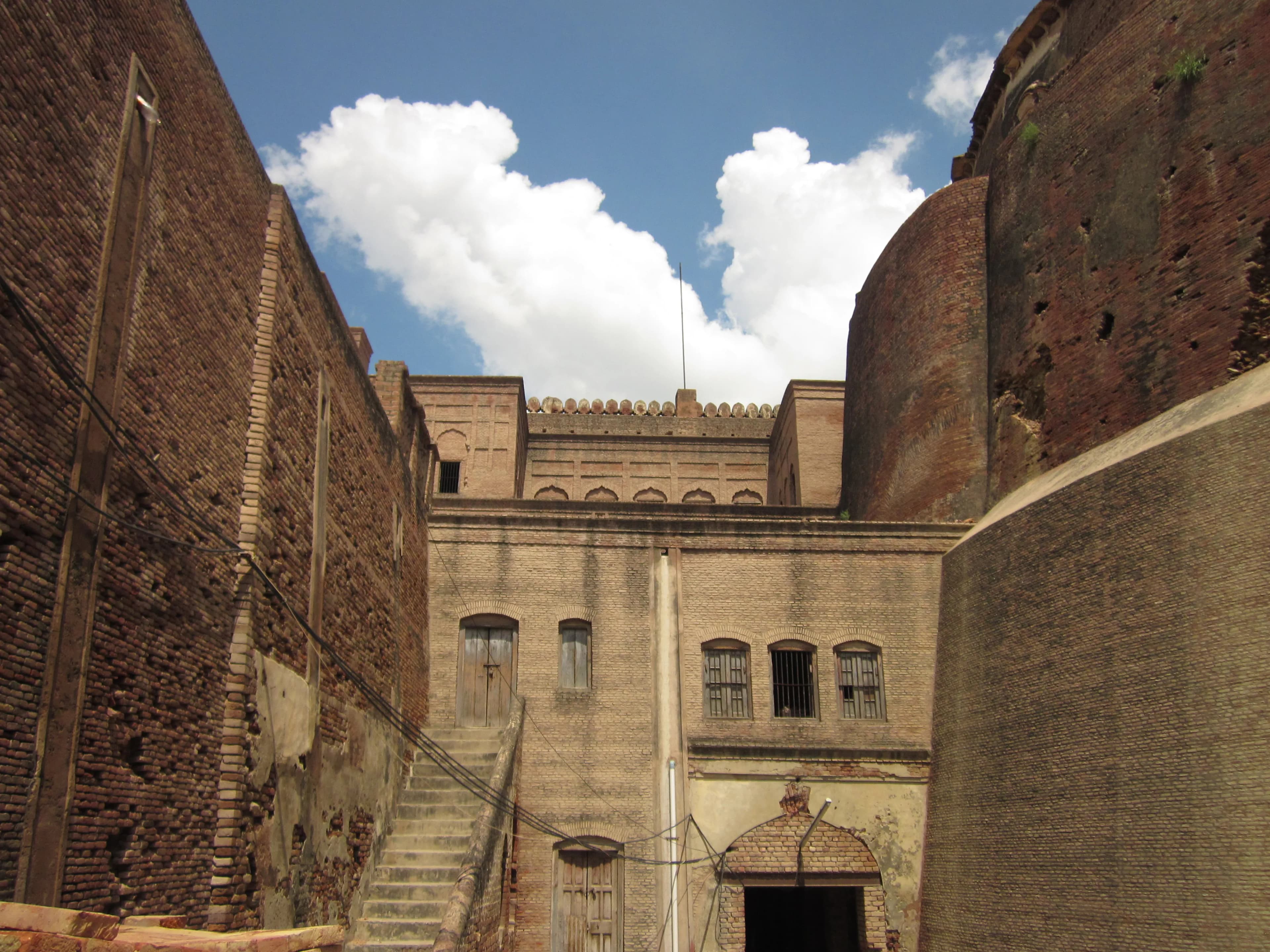
The imposing Qila Mubarak in Patiala, a city steeped in Sikh history, stands as a testament to a unique architectural blend I hadn't encountered in my South Indian explorations. Used to the towering gopurams and granite intricacies of Dravidian architecture, the mud-brick and lakhori brick structures within this sprawling complex presented a fascinating contrast. The Qila, meaning fort, isn't a singular edifice but a miniature fortified city, encompassing palaces, gardens, and audience halls within its high walls. My first encounter was with the Ran Baas, the outer fortification, a formidable structure with bastions and gateways that spoke of a bygone era of sieges and defenses. The use of lakhori brick, fired in kilns and laid in a specific pattern, created a textured, almost organic feel to the walls, unlike the polished stone I was accustomed to. The arches, though pointed, lacked the elaborate carvings of Islamic architecture I'd seen elsewhere, hinting at a more functional, less ornamental approach. Entering the Qila proper through the Delhi Gate, I was struck by the sheer scale of the inner courtyard. The Darbar Hall, or audience chamber, dominated the space, its façade a blend of Mughal and Rajput influences. While the cusped arches and decorative elements bore traces of Mughal aesthetics, the overall structure and the use of local materials grounded it firmly in the regional context. The intricate tilework, though faded with time, offered glimpses of vibrant colours and geometric patterns, a stark departure from the narrative frescoes adorning South Indian temple walls. The Qila Mubarak also houses the Qila Androon, the inner fort, which contains the older palace complex. Here, the mud-brick construction was most evident, showcasing a building technique rarely seen in monumental architecture. The mud, mixed with straw and other organic materials, lent a warm, earthy tone to the structures. The walls, though seemingly fragile, have withstood centuries of weathering, a testament to the ingenuity of the local craftsmen. This section felt particularly resonant, reminding me of ancient building methods used in rural South India, albeit on a much smaller scale. One of the most captivating aspects of the Qila Mubarak is its integration with the city. Unlike many forts that stand isolated, this one felt interwoven with the urban fabric of Patiala. The bustling bazaars outside the walls seemed to flow seamlessly into the fort's courtyards, blurring the lines between the fortified space and the city life. This organic connection, so different from the defined temple precincts of the South, offered a unique perspective on the role of a fort, not just as a defensive structure but as a vibrant hub of social and economic activity. The Sheesh Mahal, or Palace of Mirrors, within the Qila Androon, was another highlight. While smaller and less opulent than the Sheesh Mahal in Jaipur, it possessed a quiet charm. The remnants of mirror work, though fragmented, hinted at the former grandeur of the space. The interplay of light and reflection, a common feature in Mughal architecture, created an ethereal atmosphere, transporting me to a world of royal courts and lavish celebrations. My visit to Qila Mubarak wasn't just a journey through architectural styles; it was a lesson in cultural exchange and adaptation. The fort stands as a powerful symbol of Patiala’s rich history, showcasing a unique architectural vocabulary that borrows and blends elements from various traditions, creating a style distinctly its own. It reinforced the idea that architectural heritage isn't static; it's a living testament to the continuous dialogue between cultures, climates, and craftsmanship. Leaving the Qila, I carried with me not just images of imposing walls and intricate details, but a deeper appreciation for the diverse tapestry of Indian architecture.
Quick Links
Plan Your Heritage Journey
Get personalized recommendations and detailed visitor guides