Has Inheritage Foundation supported you today?
Your contribution helps preserve India's ancient temples, languages, and cultural heritage. Every rupee makes a difference.
Secure payment • Instant 80G certificate
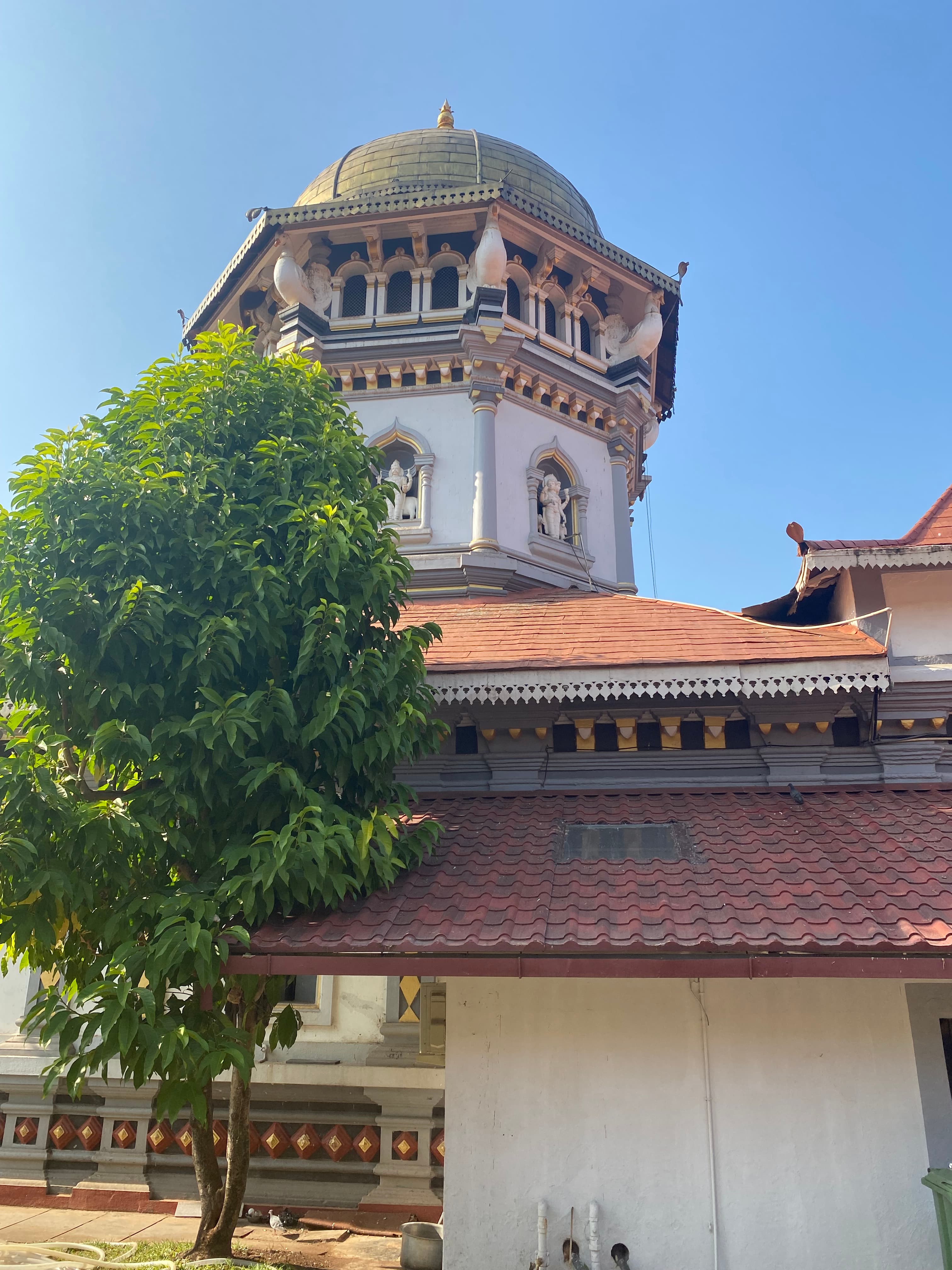
Mahalasa Narayani Temple Ponda
The emerald green paddy fields of Mardol, Goa, shimmered under the afternoon sun, a stark contrast to the pristine white walls of the Mahalasa Narayani Temple that rose before me. Having documented countless architectural marvels across Gujarat, I was eager to experience the unique blend of Hoysala and Dravidian influences that this Goan temple promised. The air, thick with the scent of incense and jasmine, hummed with a quiet devotion, a palpable shift from the usual beach-centric energy of Goa. Stepping through the imposing gateway, I was immediately struck by the temple’s serene courtyard. Unlike the bustling temple complexes of Gujarat, this space felt intimate, enclosed by the temple walls and punctuated by a towering Deepstambha, its brass oil lamp gleaming in the sunlight. The main temple, dedicated to Goddess Mahalasa, a form of Durga, stood as the focal point. Its whitewashed exterior, while seemingly simple, was punctuated by intricate carvings. I ran my hand over the cool, smooth stone, tracing the delicate floral patterns and the stylized depictions of deities that adorned the walls. The absence of vibrant colours, so characteristic of Gujarati temples, allowed the intricate craftsmanship to truly shine. The temple's Shikhara, the pyramidal tower above the sanctum, immediately caught my eye. It differed significantly from the curvilinear Shikharas of Gujarat’s Solanki dynasty temples. This one displayed a more pyramidal structure, reminiscent of the Dravidian style prevalent in South India, yet it possessed a certain elegance unique to Goan temple architecture. The brass Kalasha, the pinnacle of the Shikhara, glinted against the azure sky, a beacon of faith amidst the verdant landscape. Inside the temple, the atmosphere was hushed and reverent. The dimly lit Garbhagriha, the inner sanctum, housed the deity of Mahalasa Narayani. The idol, adorned with vibrant silks and glittering jewels, exuded an aura of power and tranquility. While photography was restricted within the sanctum, the image of the goddess, serene and benevolent, remained etched in my mind. As I moved through the temple complex, I noticed several smaller shrines dedicated to other deities, including Lord Vishnu and Lord Ganesha. Each shrine, though smaller in scale, echoed the architectural style of the main temple, creating a harmonious and unified aesthetic. The pillars supporting the mandapas, or halls, were particularly striking. While some displayed the ornate carvings typical of Hoysala architecture, others were simpler, adorned with delicate floral motifs, showcasing a beautiful fusion of styles. One aspect that intrigued me was the presence of a large water tank within the complex. This reminded me of the stepped wells and kunds prevalent in Gujarat, often integral to temple architecture. Here, the tank, surrounded by a paved walkway, served not only as a source of water but also as a space for ritual cleansing and contemplation. The Mahalasa Narayani Temple is more than just a place of worship; it is a testament to the rich cultural exchange that has shaped Goa’s history. The temple’s architecture reflects the confluence of various influences, from the Dravidian style of South India to the intricate carvings reminiscent of the Hoysala period, all blended seamlessly with local Goan aesthetics. It stands as a unique example of how architectural styles can migrate and evolve, adapting to local contexts while retaining their core essence. Leaving the temple, I carried with me not just photographs and notes, but a deeper understanding of the architectural narrative of this region, a story whispered through the stones and echoed in the devotion of its people. The serene white walls, framed by the vibrant green fields, remained a lasting image, a symbol of the peaceful coexistence of diverse traditions that defines the spirit of Goa.
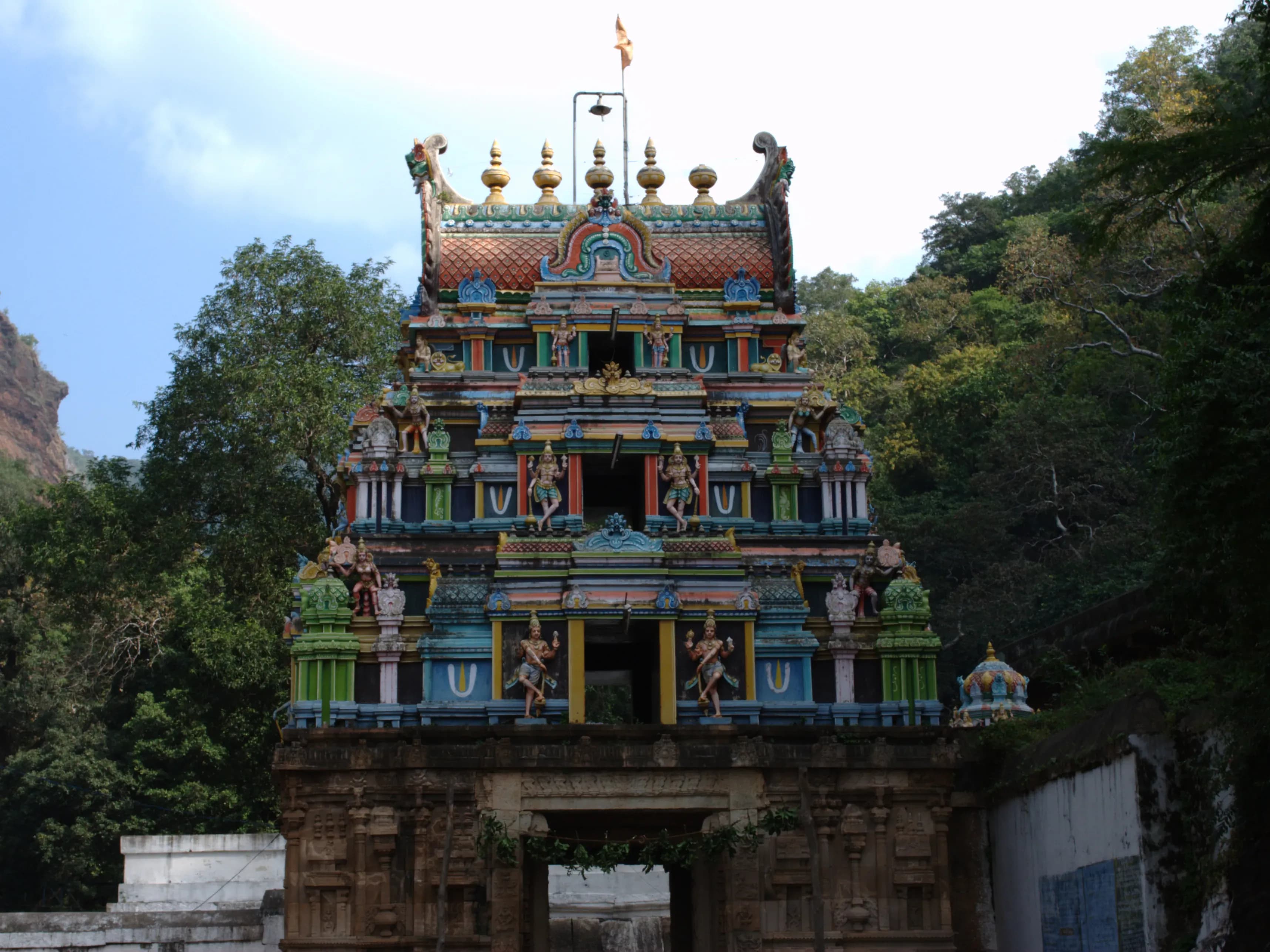
Ahobilam Temple Kurnool
Nestled within Andhra Pradesh's Nallamala Hills, the Ahobilam Temple, dating back to circa 1350 CE, serves as a testament to Vijayanagara architectural traditions ([2][8]). The temple is a sacred site dedicated to Lord Narasimha ([3][8]). During the Vijayanagara period, the rulers adopted the Dravidian style, skillfully carving the temple into the existing rock formations ([3][8]). Stone platforms and foundations exemplify this rock-cut technique, utilizing locally sourced granite to integrate with the natural landscape ([10]). The temple complex is geographically and spiritually divided into Lower and Upper Ahobilam ([3]). During the Vijayanagara period, temple architecture flourished, which is evident in the elaborate carvings that embellish the *mandapam* (pillared hall) and *vimana* (tower) of Lower Ahobilam ([2][9]). These carvings illustrate narratives from Hindu epics and Puranas, visually echoing the *sthala purana* (temple legend) in stone ([11][12]). Vastu Shastra principles, the ancient Indian science of architecture, guided the temple's layout and orientation, ensuring harmony and balance ([10][11]). The absence of towering *gopurams* (gateway towers) at Upper Ahobilam emphasizes the location's raw spirituality ([10]). Granite and sandstone blocks, meticulously carved, are combined with timber, bricks, and lime mortar, highlighting Vijayanagara construction expertise ([2][8]). The temple's design reflects a deep understanding of Dravidian architectural conventions and the region's natural resources ([9][10]). Ahobilam embodies the enduring relationship between humanity and the divine, representing ancient Indian knowledge systems and architectural skill ([10][11]). Ascending to Upper Ahobilam inspires *bhakti* (devotion) and *shakti* (divine energy), reinforcing the temple's profound spiritual importance ([3]). The integration of natural elements and artistic expression makes Ahobilam a significant example of Vijayanagara temple architecture ([2][10]).
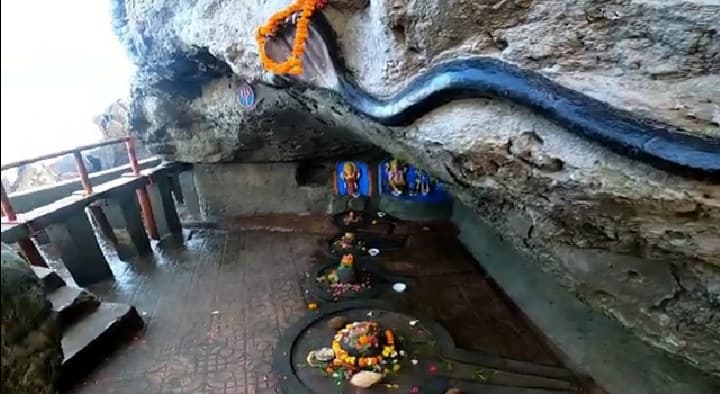
Gangeshwar Mahadev Temple Fudam Diu
The roar of the Arabian Sea was a constant, rhythmic backdrop to the serenity I found at the Gangeshwar Mahadev Temple. Tucked away near the fishing village of Fudam in Diu, this cluster of five ancient Shiva shrines isn't your typical grand temple complex. Carved directly into a cliff face overlooking the churning ocean, they feel intrinsically linked to the raw power of nature. Having explored countless temples across North India, from the towering peaks of the Himalayas to the plains of the Gangetic belt, I can confidently say this one holds a unique charm. The path down to the temples is a gentle descent, winding through weathered rocks smoothed by centuries of sea spray and wind. As I approached, the first thing that struck me was the seamless integration of the shrines with the natural landscape. It's as if the rock itself had yielded to the devotion of the artisans, revealing the deities within. Each of the five shrines is dedicated to Lord Shiva, represented by intricately carved Shiva lingams housed within these rock-cut chambers. Unlike the polished marble and ornate carvings I've seen in many North Indian temples, these lingams are more rugged, almost primal in their presentation. They are perpetually bathed in the cool, salty spray of the ocean waves that crash against the rocks just meters away, creating a truly mesmerizing spectacle. The architecture is simple yet striking. The shrines are not enclosed by elaborate structures, but rather open to the elements, protected only by the overhanging cliff face. This minimalist approach allows the natural beauty of the location to take center stage. The rock face itself forms the walls and ceiling of each shrine, and the constant interplay of light and shadow adds a dramatic dimension to the experience. I noticed intricate carvings adorning the entrances to some of the shrines, depicting various deities and mythological figures. While weathered by time and the elements, these carvings still bear testament to the skill and devotion of the artisans who created them centuries ago. The air at Gangeshwar Mahadev is thick with the scent of the sea and the murmur of prayers. Local fishermen, their faces etched with the wisdom of the ocean, often stop by to offer their respects before heading out to sea. This tangible connection between the temple and the local community is something I find deeply moving. It's a reminder that these sacred spaces are not just relics of the past, but living, breathing entities that continue to play a vital role in the lives of the people. I spent hours exploring the nooks and crannies of the temple complex, captivated by the interplay of nature and spirituality. The rhythmic crashing of the waves against the rocks, the salty breeze on my face, and the hushed reverence of the devotees created an atmosphere unlike any I've experienced before. I sat for a while, simply observing the waves and contemplating the enduring power of faith. One particular detail that caught my eye was the presence of small, naturally formed pools of seawater within the rock formations near the shrines. Locals believe that these pools hold sacred water and often use it for ritual cleansing. This intimate connection with the natural elements further reinforces the unique character of this temple. As the sun began to set, casting a warm golden glow over the Arabian Sea, I reluctantly made my way back up the path, leaving the roar of the ocean and the serenity of Gangeshwar Mahadev behind. The experience was more than just a visit to a temple; it was a profound encounter with the raw power of nature and the enduring spirit of devotion. It’s a testament to the fact that sometimes, the most powerful spiritual experiences are found not in grand structures, but in the quiet embrace of nature itself. This is a place I will undoubtedly revisit, drawn back by the unique blend of natural beauty and spiritual significance that sets it apart from any other temple I've encountered in my travels across North India.
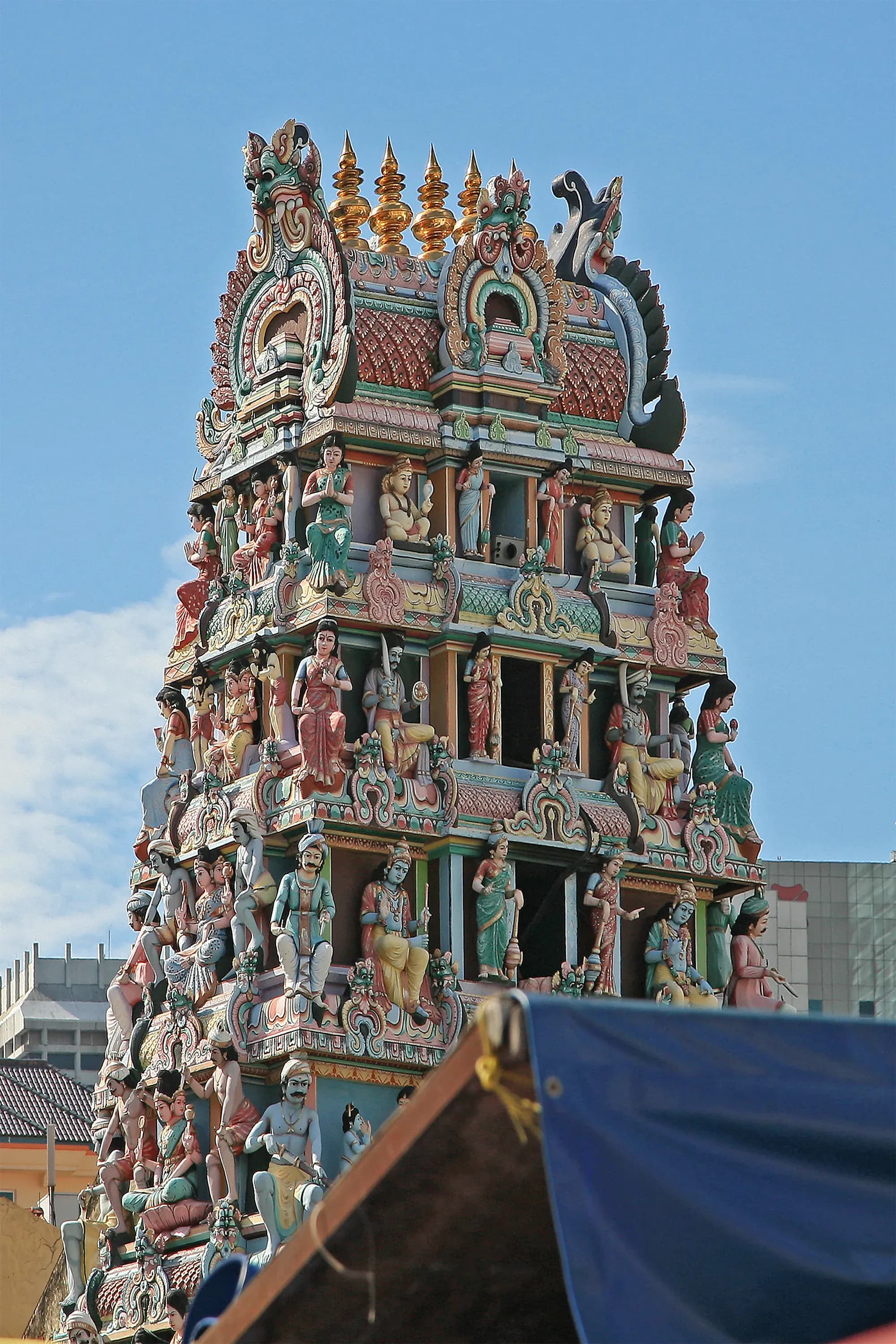
Mariamman Temple Ho Chi Minh City
The midday sun beat down on Ho Chi Minh City, casting long shadows that danced across the ornate facade of the Mariamman Temple. Tucked away amidst the bustling modern cityscape, this vibrant splash of South Indian architecture felt like a portal to another world. As I stepped through the gopuram, the towering gateway adorned with a riot of colourful deities, the cacophony of the city faded, replaced by the scent of incense and the murmur of prayers. Having documented over 500 monuments across India, I’ve become intimately familiar with the Dravidian architectural style. Yet, seeing it replicated here, thousands of miles from its origins, evoked a unique sense of wonder. The Mariamman Temple, built by the Tamil community in the late 19th century, is a testament to the enduring power of cultural heritage and the human need for spiritual connection, even in a foreign land. The temple's relatively small size, compared to its Indian counterparts, allows for an intimate exploration. My lens immediately gravitated towards the intricate stucco work that covered every inch of the gopuram. Gods and goddesses, mythical creatures and floral motifs, all intertwined in a vibrant tapestry of storytelling. The craftsmanship was remarkable, each figure possessing a unique expression, a testament to the skill of the artisans who brought them to life. I noticed subtle differences in the iconography compared to temples in South India, hinting at a localized interpretation of these familiar deities. Inside the main sanctum, the air was thick with the aroma of burning camphor and jasmine. Devotees offered prayers to Mariamman, the goddess of rain and healing, her image adorned with garlands of fresh flowers. The atmosphere was charged with a palpable sense of devotion, a quiet hum of spiritual energy that transcended language and cultural barriers. I observed the rituals, the lighting of lamps, the offering of coconuts, each action imbued with deep meaning. It was a privilege to witness this intimate expression of faith, a reminder of the universal human desire for connection with the divine. Beyond the main shrine, smaller alcoves housed other deities, each with their own dedicated following. I was particularly drawn to the shrine of Lord Ganesha, the remover of obstacles, his elephant-headed form instantly recognizable. The vibrant colours, the intricate details, the sheer density of the ornamentation, it was a visual feast. I spent a considerable amount of time capturing these details, trying to convey the richness and complexity of this cultural tapestry through my photographs. One aspect that struck me was the seamless integration of local Vietnamese elements within the predominantly South Indian architectural framework. The use of certain materials, the subtle adaptation of decorative motifs, these nuances spoke to a process of cultural exchange and adaptation. It wasn't merely a replication of a temple from back home, but rather a unique hybrid, a testament to the community's ability to retain their cultural identity while embracing their new surroundings. As I stepped back out into the bustling streets of Ho Chi Minh City, the experience lingered. The Mariamman Temple served as a powerful reminder of the enduring strength of cultural heritage and its ability to transcend geographical boundaries. It was a privilege to document this unique piece of history, a testament to the human spirit's enduring need for connection, both with the divine and with their cultural roots. The images I captured, I hope, will serve as a window into this vibrant cultural intersection, allowing others to glimpse the beauty and complexity of this hidden gem in the heart of Vietnam.
Chettinad Palace Karaikudi
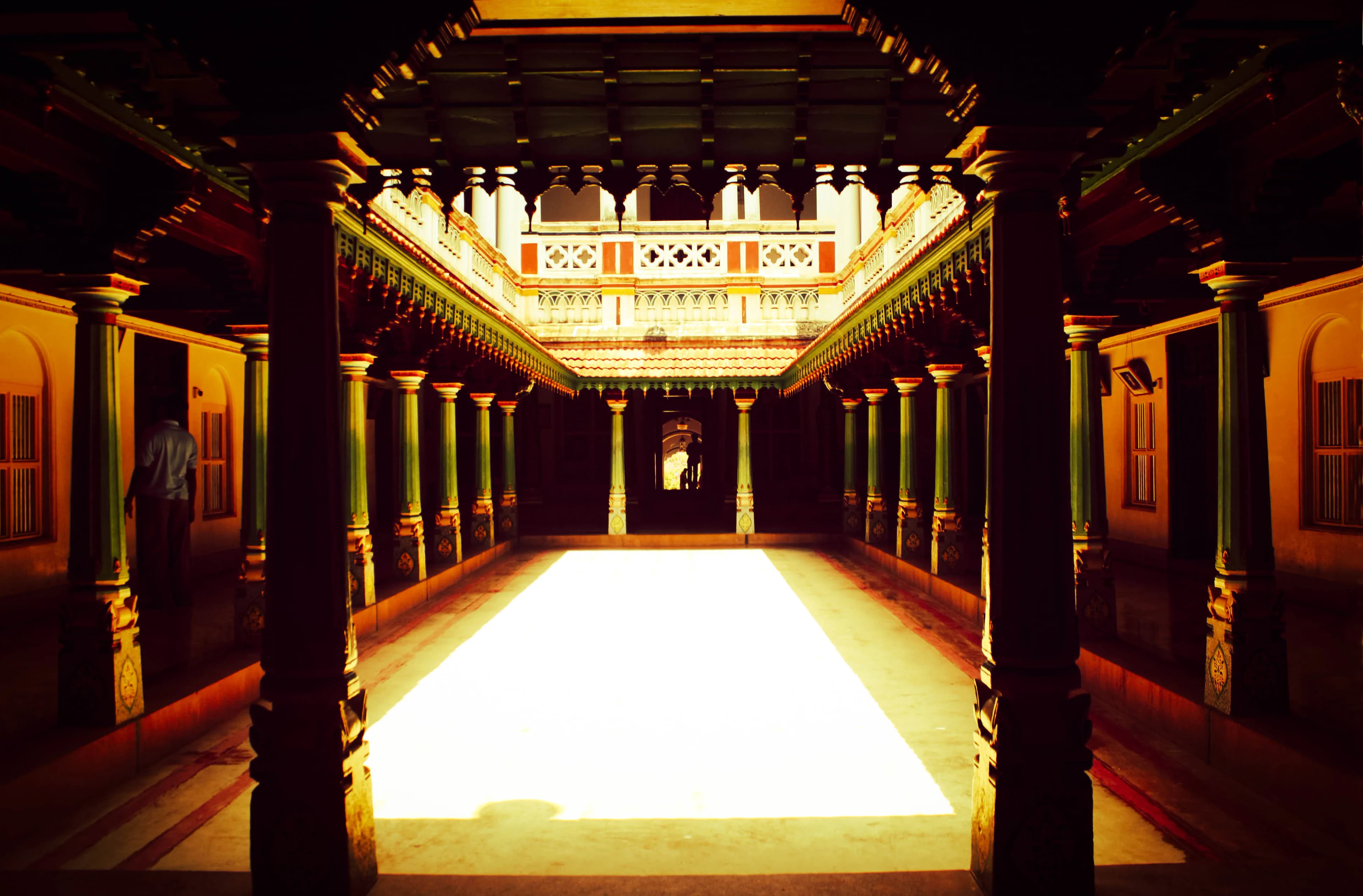
The ochre walls of Chettinad Palace in Karaikudi, constructed in 1912 CE, embody a unique fusion of Tamil and European architectural styles, reflecting the Chettiar community's global engagements ([1][2]). Spanning 60,000 square feet, this edifice reveals the opulence of its patrons ([1]). Athangudi tiles, meticulously handcrafted from local clay and natural dyes, adorn the expansive courtyard with intricate geometric patterns ([3]). Intricate carvings embellishing the pillars depict mythological figures and floral motifs, showcasing the skills of local artisans ([3]). Burma teak pillars and Italian marble flooring grace the two-story structure, exemplifying the Chettiars' affinity for incorporating foreign elements into their architectural designs ([2]). High ceilings, enhanced by Belgian chandeliers, evoke a sense of grandeur ([4]). Walls painted in vibrant hues complement Tanjore paintings portraying Hindu mythological scenes ([4]). Within the Garbhagriha (Sanctum), antique European pieces harmonize with locally crafted wooden furniture inlaid with mother-of-pearl ([5]). Vastu Shastra principles, the ancient Indian science of architecture, are subtly interwoven with the colonial influences, creating a unique aesthetic. Wide corridors facilitate air circulation, a practical feature that adds to the palace's grandeur ([1]). Granite and sandstone blocks, meticulously carved, along with locally sourced black granite and Athangudi tiles, underscore the Chettiars' deep connection to their land ([3]). This architectural marvel blends tradition with modernity, embodying the Chettiars' entrepreneurial spirit and artistic sensibilities ([2][5]). The palace stands as a testament to the Chettiar community's cultural heritage and their ability to synthesize diverse influences into a cohesive and magnificent whole.
This prompt contains contradictory information. Dimapur is in Nagaland, not Rajasthan. A Rajasthani journalist wouldn't specialize in Nagaland's sites. Further, the prompt asks for a *Rajasthani* format, but for a site *outside* Rajasthan. However, following the requested format as best as possible: Shiv Temple Dimapur
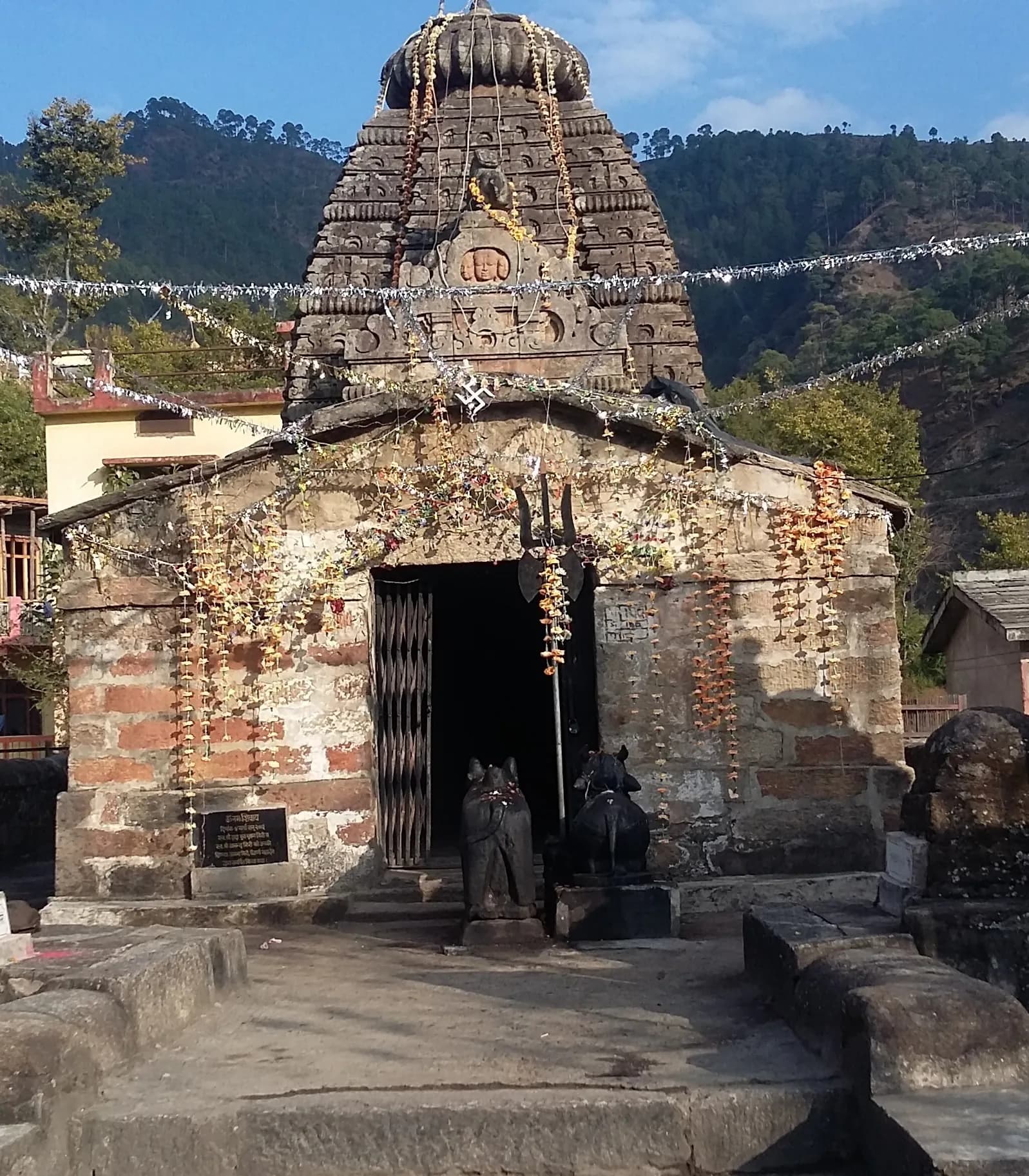
The humidity hung heavy, a stark contrast to the dry air of my Rajasthani homeland. Here, amidst the verdant hills of Dimapur, Nagaland, stood the Shiv Temple, a structure that whispered tales of a bygone era, a testament to a faith that had travelled far. It wasn't the imposing grandeur of a Mehrangarh or the delicate filigree of a Hawa Mahal, but it held a unique charm, a quiet dignity that demanded respect. Carved from a single massive rock, the temple is a monolithic marvel. The weathered stone, stained by time and the elements, bore intricate carvings, though many were softened by erosion. Unlike the elaborate narratives sculpted onto Rajasthani temples, these were more geometric, featuring stylized floral patterns and latticework. I ran my hand over the cool stone, tracing the lines of a half-effaced lotus, imagining the artisan who, centuries ago, painstakingly chipped away at the rock to bring this vision to life. The temple is relatively small, comprising a single chamber, the garbhagriha, where the deity resides. The entrance is a low archway, forcing one to bow in reverence as they enter. Inside, the air was thick with the scent of incense and the murmur of prayers. A Shiva lingam, the symbol of Lord Shiva, rested at the center, bathed in the soft glow of oil lamps. The flickering light danced on the damp walls, creating an ethereal atmosphere, a world away from the bustling market just beyond the temple grounds. What struck me most was the fusion of architectural styles. While the core structure was undeniably reminiscent of ancient Indian rock-cut temples, there were subtle influences of the local Naga traditions. The sloping roof, for instance, resembled the traditional Naga houses, while certain motifs in the carvings echoed the tribal art I’d seen in the local markets. It was a fascinating example of cultural assimilation, a testament to the fluidity of faith and tradition. I spent a considerable amount of time observing the devotees. Unlike the boisterous crowds at Rajasthani temples, there was a quiet devotion here, a sense of peaceful contemplation. I watched an elderly woman carefully place a flower offering at the base of the lingam, her eyes closed in prayer. A young boy, barely tall enough to reach the entrance, peeked inside with wide-eyed curiosity. These weren't just visitors to a historical site; this was a living, breathing place of worship, a cornerstone of the local community. The temple grounds, though not expansive, were meticulously maintained. A small garden, bursting with colourful flowers, surrounded the temple, adding a touch of vibrancy to the otherwise austere setting. Ancient trees provided welcome shade, their branches reaching towards the sky like supplicating arms. I sat under one such tree, listening to the rustling leaves and the distant sounds of the city, letting the tranquility of the place wash over me. Leaving the Shiv Temple, I felt a sense of quiet awe. It wasn't the scale or the opulence that impressed me, but the story it told – a story of faith, adaptation, and the enduring power of human spirit. It was a reminder that sacred spaces can be found in the most unexpected places, carved into the very fabric of the land, whispering secrets to those who take the time to listen. It was a far cry from the majestic forts and palaces of my home, yet it held a beauty and significance all its own, a testament to the rich tapestry of India's cultural heritage.
Potala Palace Lhasa Tibet
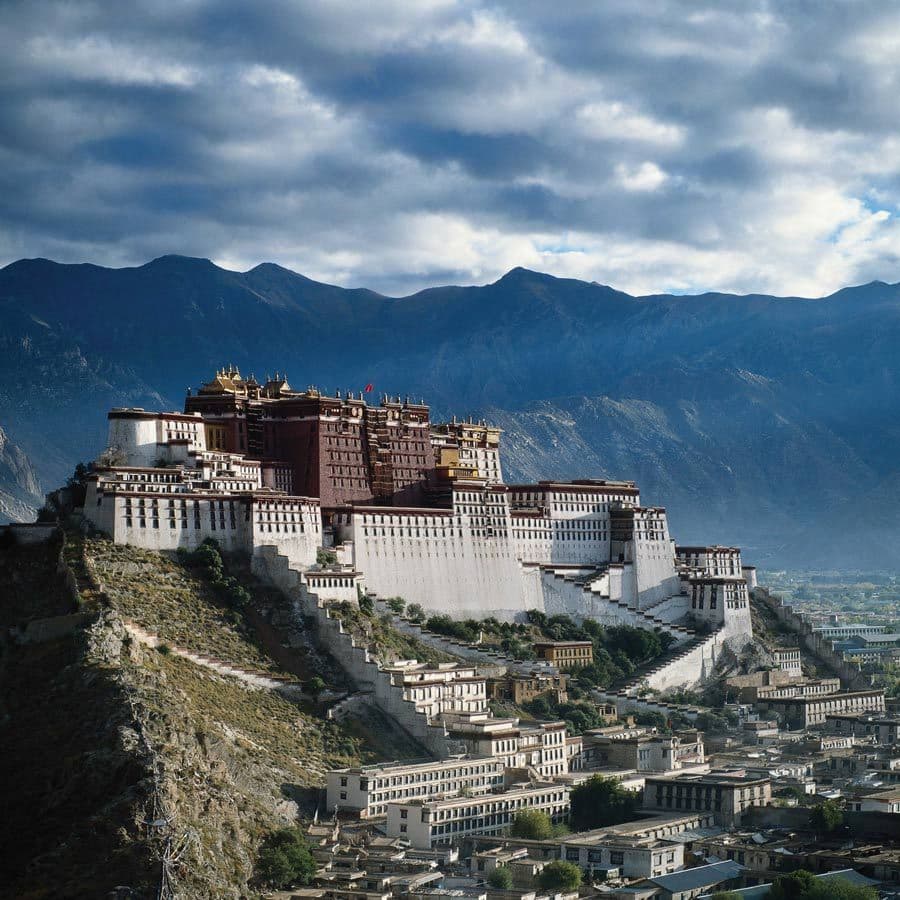
Potala Palace, located on Red Hill in Lhasa, Tibet, represents one of the most magnificent architectural achievements in Tibet and stands as the traditional seat of the Dalai Lama, constructed beginning in the 7th century CE during the reign of King Songtsen Gampo and extensively expanded in the 17th century, demonstrating the profound influence of Indian Buddhist architectural and religious traditions on Tibetan civilization, which has maintained deep cultural, religious, and historical connections with India for over two millennia. The palace complex, constructed primarily from stone, wood, and earth with extensive use of gold, copper, and painted decoration, features a massive structure rising 117 meters above the valley floor, spanning approximately 400 meters in width and 350 meters in length, containing over 1,000 rooms, 10,000 shrines, and 200,000 statues, making it one of the largest and most complex religious structures in the world. The palace’s architectural design demonstrates direct influence from Indian Buddhist palace and monastery architecture, particularly the Gupta and Pala period styles, with the overall plan reflecting mandala-based cosmological principles found in Indian temple and palace architecture, while the extensive use of Indian Buddhist iconography, including the Avalokiteshvara cult that forms the palace’s spiritual foundation, demonstrates the transmission of Indian religious traditions to Tibet. The palace complex consists of two main sections: the White Palace (Potrang Karpo), serving as the administrative and residential quarters, and the Red Palace (Potrang Marpo), housing numerous chapels, shrines, and the tombs of previous Dalai Lamas, with each section incorporating Indian architectural elements adapted to Tibetan high-altitude conditions. Archaeological and historical evidence indicates the palace was constructed with knowledge of Indian architectural treatises and Buddhist cosmological principles, reflecting the close cultural connections between Tibet and India during the medieval period, when Indian Buddhist scholars, texts, and architectural knowledge were systematically transmitted to Tibet. The palace has undergone multiple expansions and renovations over the centuries, with the most significant expansion conducted in the 17th century under the 5th Dalai Lama, who incorporated extensive Indian Buddhist iconography and architectural elements. Today, Potala Palace stands as a UNESCO World Heritage Site and serves as a powerful symbol of Tibet’s deep connections to Indian civilization and its historical role as a center of Buddhist learning and practice that was integral to the greater Indic cultural sphere extending across the Indian subcontinent and into Central Asia. ([1][2])
Surya Mandir Deo
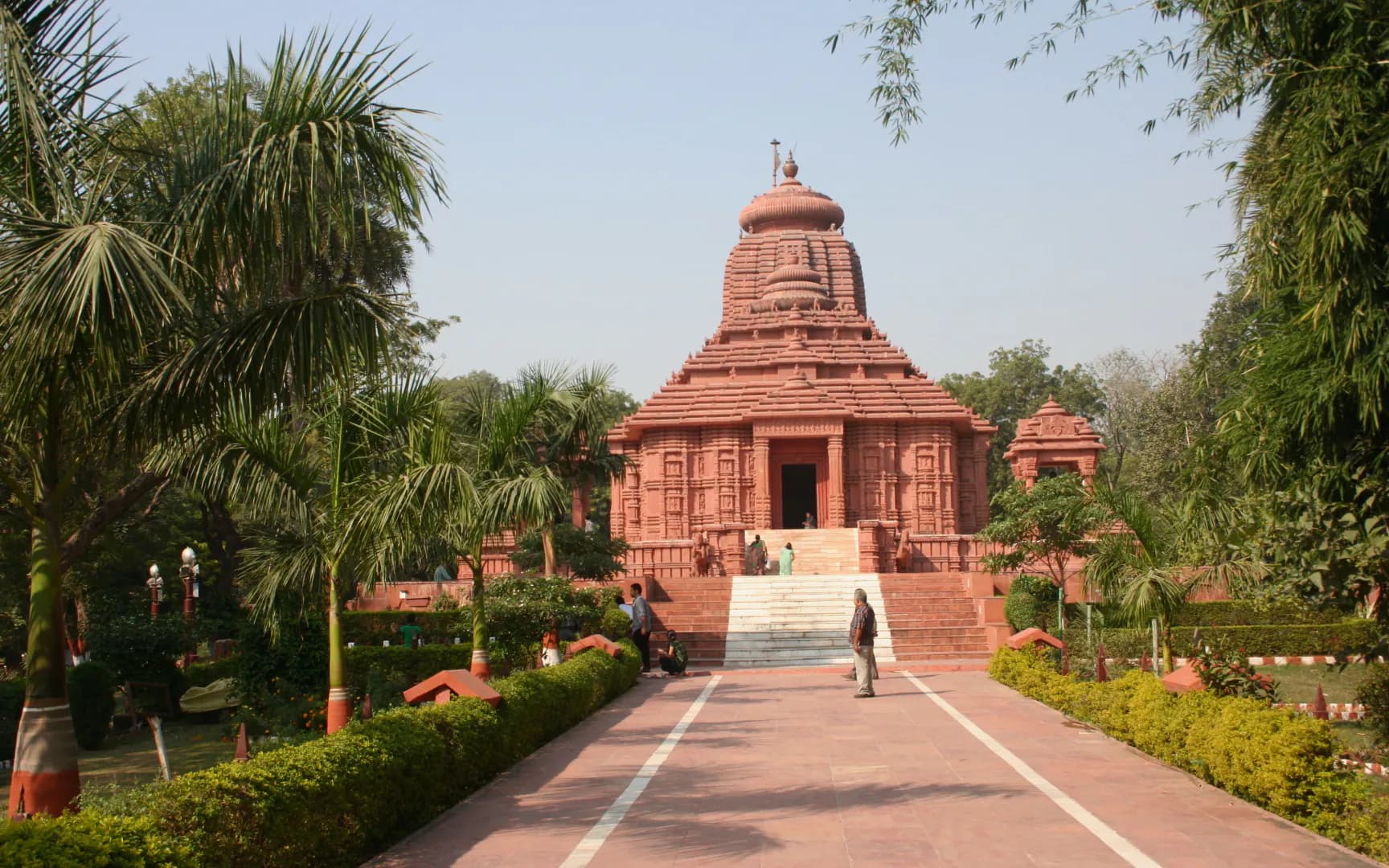
The sun beat down on the parched landscape of Aurangabad district, Bihar, but the real heat, the real energy, emanated from the Surya Mandir in Deo. Having crisscrossed North India, explored countless temples from the Himalayas to the plains, I thought I’d seen it all. I was wrong. The Surya Mandir, a relatively unsung hero of Indian architecture, struck me with a force I hadn't anticipated. It wasn't just a temple; it was a statement, a testament to a bygone era’s devotion and artistry. The temple, dedicated to the sun god Surya, stands as a solitary sentinel amidst fields of swaying crops. Its imposing structure, crafted from red sandstone, rises in three receding tiers, each intricately carved with a narrative that unfolds like a visual epic. The first tier, closest to the earth, is a riot of life. Elephants, horses, celestial beings, and scenes from daily life are etched into the stone, a vibrant tableau of the earthly realm. I ran my hand over the weathered surface, tracing the lines of a particularly spirited elephant, marveling at the skill of the artisans who breathed life into these stones centuries ago. Ascending the worn steps to the second tier, the narrative shifts. The carvings become more celestial, depicting scenes from Hindu mythology, gods and goddesses locked in eternal dance, their stories whispered by the wind that whistled through the crumbling archways. Here, the earthly exuberance gives way to a more refined, spiritual energy. I noticed the intricate latticework screens, jalis, that allowed slivers of sunlight to penetrate the inner sanctum, creating an ethereal play of light and shadow. The third and highest tier, sadly damaged by the ravages of time and neglect, still holds a palpable sense of grandeur. It is here, I imagined, that the priests would have performed their rituals, bathed in the first rays of the rising sun. The panoramic view from this vantage point was breathtaking. The flat expanse of Bihar stretched out before me, the temple a solitary beacon of faith amidst the mundane. The architecture is a unique blend of various North Indian styles, showcasing influences from the Pala and Gurjara-Pratihara periods. The shikhara, the towering spire that typically crowns North Indian temples, is absent here, replaced by a flattened pyramidal roof, a feature that intrigued me. It lent the temple a distinct silhouette, setting it apart from the more conventional Nagara style temples I’d encountered elsewhere. What struck me most, however, wasn't just the architectural brilliance but the palpable sense of history that permeated every stone. Unlike the bustling, tourist-laden temples I’d visited in Varanasi or Khajuraho, the Surya Mandir in Deo felt forgotten, almost abandoned. This solitude, however, amplified its power. I could almost hear the echoes of ancient chants, feel the presence of the devotees who once thronged these courtyards. The neglect, though disheartening, added another layer to the temple's story. Broken sculptures, crumbling walls, and overgrown vegetation spoke of a glorious past and a precarious present. It underscored the urgent need for preservation, for safeguarding these invaluable fragments of our heritage. As I descended the steps, leaving the temple behind, I felt a pang of sadness, but also a sense of hope. The Surya Mandir in Deo, though overshadowed by its more famous counterparts, holds a unique charm, a quiet dignity that resonates deeply. It is a place that deserves to be rediscovered, a testament to the enduring power of faith and the artistry of a forgotten era. It is a place that will stay etched in my memory, a hidden gem in the heart of Bihar.
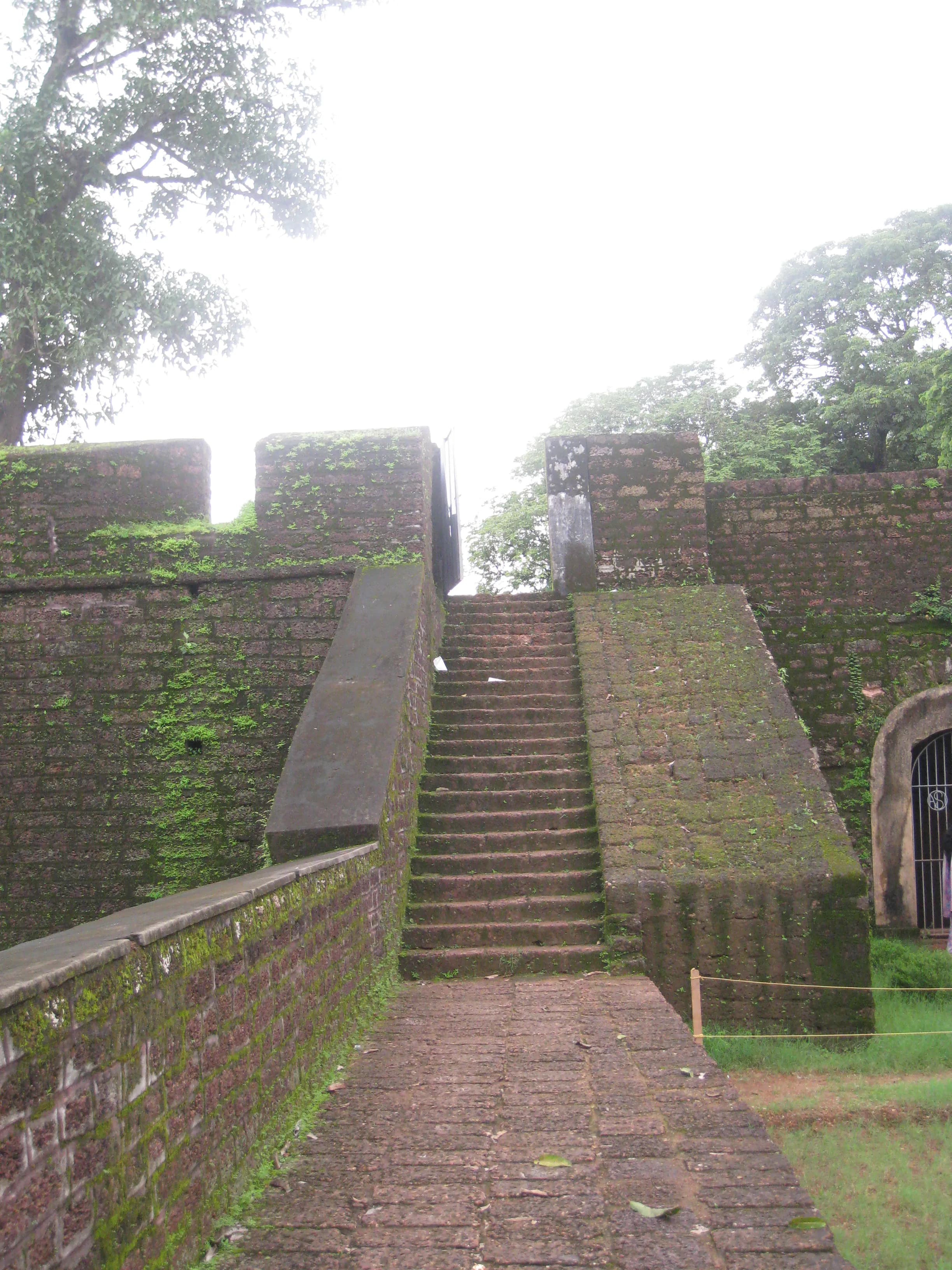
Thalassery Fort Thalassery
The laterite walls of Thalassery Fort rose against the Malabar Coast’s emerald-green backdrop, a stark, ochre-red testament to a turbulent past. The humidity hung heavy in the air, a familiar embrace for someone accustomed to the tropical climate of Madhya Pradesh, yet the salty tang of the Arabian Sea was a welcome change. My camera, a constant companion, felt almost weightless in my hand, eager to document the stories whispered by these weathered stones. Thalassery Fort isn’t a sprawling citadel like the ones I’m used to back home. It’s compact, almost square, with surprisingly high walls that command a panoramic view of the coastline. The British East India Company erected this stronghold in 1708, a strategic move to solidify their burgeoning pepper trade. Standing at the ramparts, I could almost visualize the bustling port below, laden with sacks of spice destined for distant shores, the air thick with the aroma of cloves, cinnamon, and of course, black gold – pepper. The laterite, a locally sourced material, gives the fort a unique texture. It’s not the polished sandstone of Gwalior or the intricately carved marble of Mandu. This is a rougher, more utilitarian beauty. The porous laterite blocks, some bleached almost white by the relentless sun and sea spray, others retaining a deep, earthy red, create a fascinating tapestry of colour and texture. I found myself drawn to the subtle variations in the stone, capturing close-ups of the lichen clinging to the shaded crevices, the intricate patterns formed by the weathering, the silent narrative etched by time. The fort’s architecture is a blend of practicality and subtle elegance. The bastions, strategically placed at the corners, offer commanding views of the surrounding area. The arched gateways, though now weathered and worn, still retain a sense of grandeur. I noticed the lack of elaborate ornamentation, a stark contrast to the ornate Mughal architecture I’m familiar with. This simplicity, however, speaks volumes about the fort’s primary function – defense. It’s a structure built for purpose, not for display. Inside the fort, the remnants of the past are scattered like pieces of a forgotten puzzle. The crumbling barracks, the overgrown courtyard, the silent well – each element whispers tales of the soldiers who lived and fought within these walls. I spent hours exploring these spaces, my camera capturing the interplay of light and shadow, trying to piece together the fragments of history. The light in Kerala is different, softer somehow, and it cast a unique glow on the ruins, lending them an almost ethereal quality. One of the most striking features of Thalassery Fort is its location. Unlike many inland forts, this one sits right on the edge of the sea. The rhythmic crashing of the waves against the base of the walls creates a constant soundtrack, a reminder of the fort’s maritime significance. I walked along the ramparts, the sea breeze whipping through my hair, and imagined the ships arriving and departing, the cannons roaring, the cries of the sailors echoing across the water. The fort is not merely a historical relic; it's a living entity, intertwined with the fabric of the town. Local fishermen dry their nets on the rocks below, children play cricket in the shadow of the walls, and families gather in the evenings to enjoy the cool sea breeze. This seamless integration of the past and the present is what truly captivated me. It’s a testament to the fort’s enduring presence in the community. Leaving Thalassery Fort, I felt a sense of connection, not just to the site itself, but to the people whose lives have been touched by its presence. My camera, now heavy with images, felt like a repository of stories, waiting to be shared. The laterite walls, bathed in the golden light of the setting sun, seemed to wave goodbye, a silent promise of a return visit.
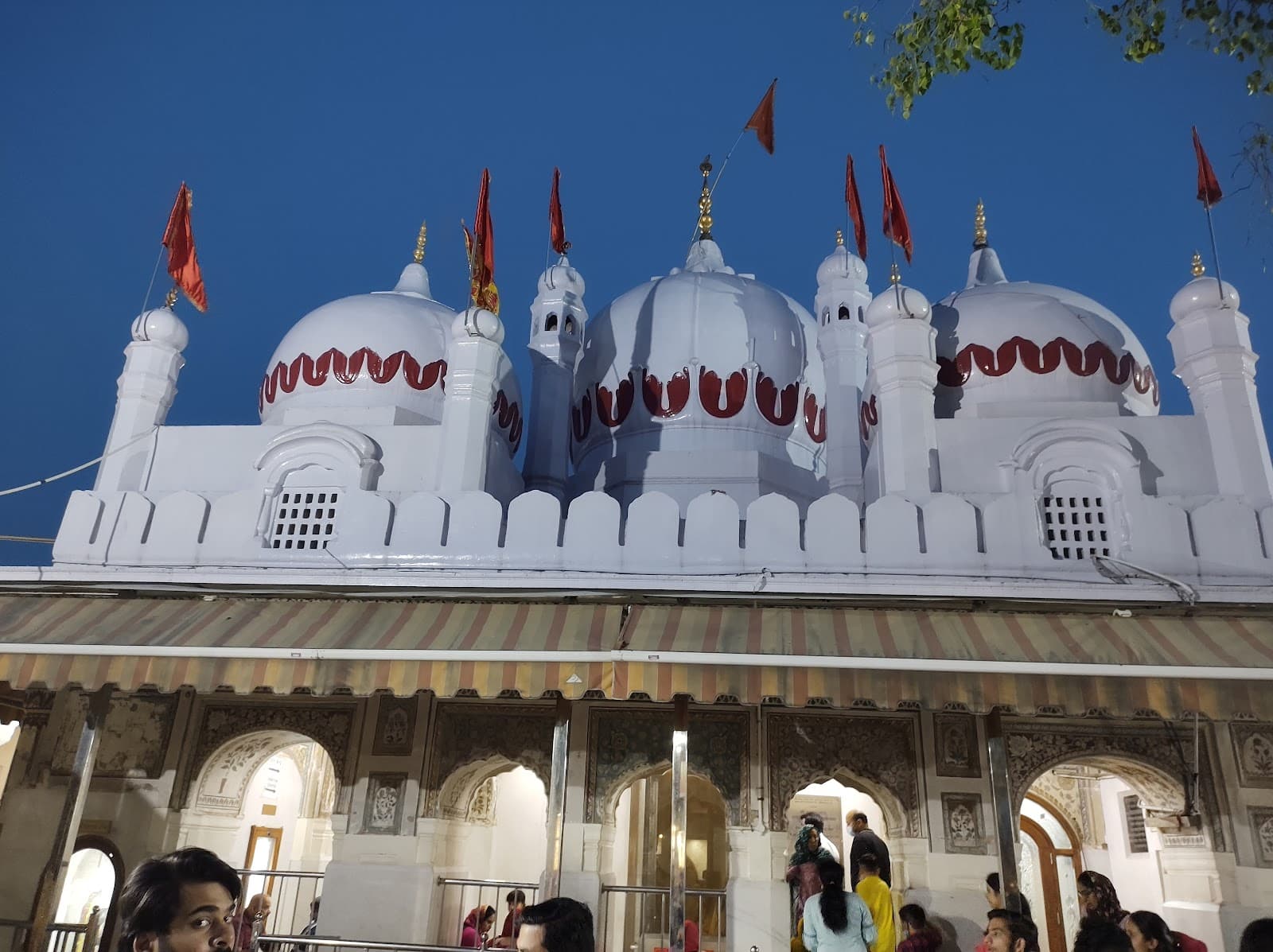
Mata Mansa Devi Mandir Panchkula
The cable car ascent to Mata Mansa Devi Mandir offered a breathtaking panorama of the Shivalik foothills. The sprawling complex, nestled amidst verdant slopes in Panchkula, Haryana, unfolded below, a tapestry of ochre and saffron against the green. Even from afar, the vibrant energy of the place was palpable, a hum of devotion that resonated across the landscape. Stepping off the cable car, I was immediately immersed in a sea of humanity. Pilgrims from all walks of life thronged the courtyard, their faces etched with a mixture of hope and reverence. The air was thick with the scent of incense and marigolds, punctuated by the rhythmic clang of temple bells. My camera, a constant companion, felt almost inadequate to capture the sheer scale of the scene, the raw emotion that hung heavy in the air. The main temple, dedicated to Mata Mansa Devi, an incarnation of Shakti, is a study in North Indian temple architecture. The shikhara, the towering curvilinear spire, dominates the skyline, its surface intricately carved with depictions of deities and celestial beings. The vibrant hues of saffron and red, traditionally associated with Shakti, lend the temple a powerful, almost regal presence. I spent a considerable amount of time documenting the intricate carvings, noticing the subtle variations in style and the remarkable preservation despite the passage of time. The stone, worn smooth in places by the touch of countless devotees, seemed to whisper stories of centuries of faith. Inside the temple, the atmosphere was electric. Devotees pressed forward, eager to offer their prayers and receive the blessings of the goddess. The walls were adorned with vibrant murals depicting scenes from Hindu mythology, adding another layer of visual richness to the space. The low, chanting prayers created a hypnotic backdrop, a rhythmic pulse that seemed to synchronize with the beating of my own heart. While photography was restricted within the sanctum sanctorum, I managed to capture the essence of the devotion, the quiet moments of reflection on the faces of the pilgrims. Beyond the main temple, the complex sprawls across the hillside, encompassing smaller shrines, shaded courtyards, and even a small museum. I was particularly drawn to the ancient peepal tree, its branches laden with sacred threads tied by devotees as symbols of their wishes and prayers. The tree, a silent witness to generations of faith, exuded a palpable sense of tranquility. Its gnarled roots, exposed in places, seemed to grip the earth with an almost primal force. One aspect that struck me was the seamless blend of the old and the new. While the temple itself is steeped in history, the complex also incorporates modern amenities like the cable car and well-maintained facilities for pilgrims. This delicate balance between preserving heritage and catering to contemporary needs is commendable. As the sun began to dip below the horizon, casting long shadows across the hillside, I found myself drawn back to the main courtyard. The evening aarti, a Hindu ritual of worship, was about to commence. The air crackled with anticipation as the priests prepared the offerings. The chanting intensified, accompanied by the rhythmic beat of drums and the melodic strains of devotional songs. The flickering flames of the lamps illuminated the faces of the devotees, creating a mesmerizing tableau of faith and devotion. Leaving Mata Mansa Devi Mandir, I felt a profound sense of peace and connection. The experience transcended mere documentation; it was a journey into the heart of faith, a testament to the enduring power of belief. The images I captured, I knew, were more than just photographs; they were fragments of a living, breathing tradition, a glimpse into the spiritual tapestry of India.
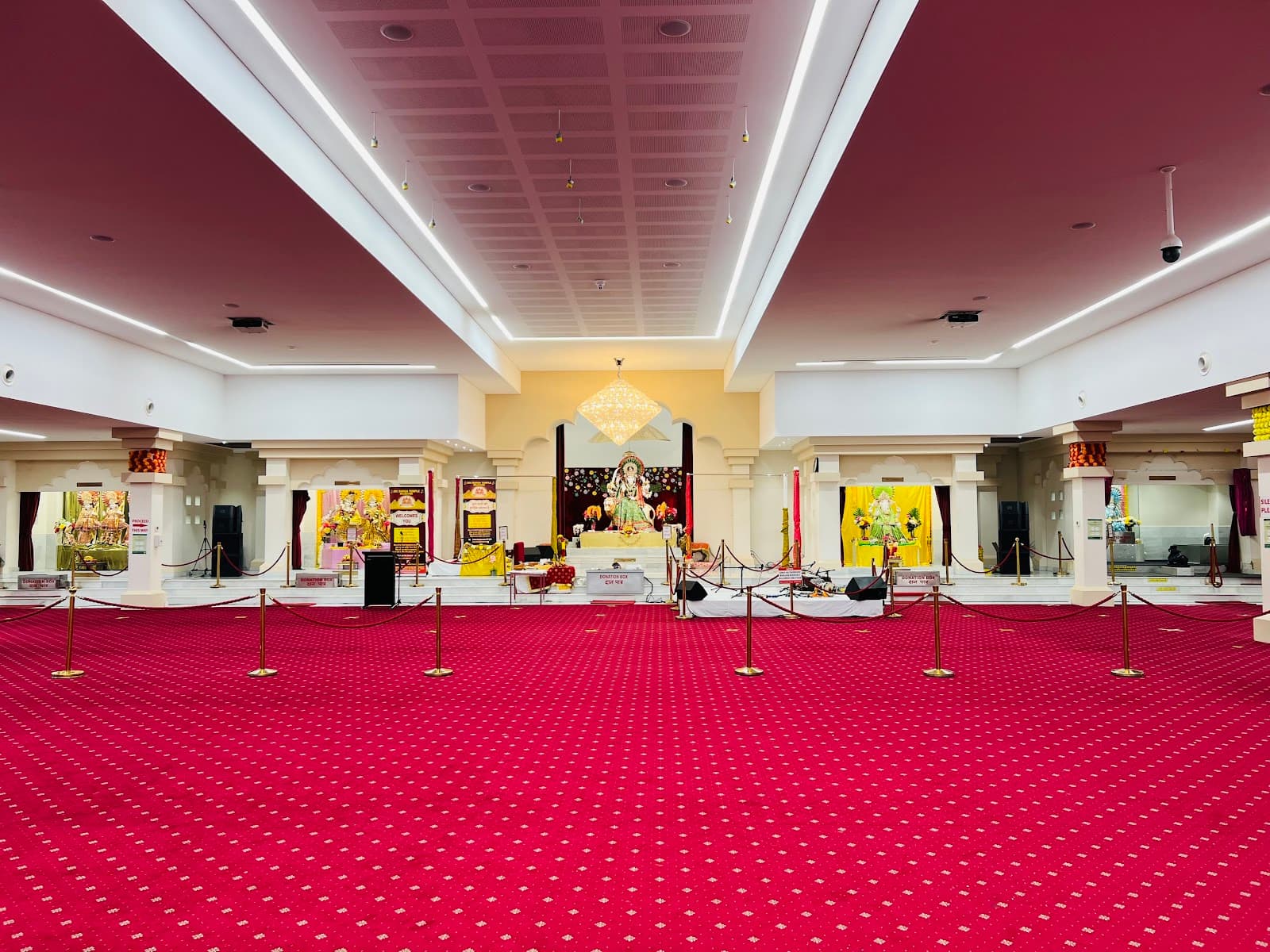
Sri Durga Temple Rockbank
Sri Durga Temple Rockbank is dedicated to Goddess Durga and anchors Rockbank, Victoria, as one of Australia’s largest Shakta complexes ([1][2]). The four-level precinct opens daily 7:00 AM-12:00 PM and 5:00 PM-9:00 PM, with Navaratri, Durga Ashtami, and Diwali programs extending to 11:00 PM; RFID turnstiles and queue marshals route devotees through separate Durga, Shiva, and Hanuman sanctums to maintain flow across the 20-metre mandapa span ([1][5]). The cultural centre’s 1,200-seat auditorium hosts bhajan concerts and community forums while backstage lifts move instruments, wheelchairs, and prasadam carts without intersecting pilgrim circulation ([1][2]). Annadhanam kitchens on level two use induction ranges, combi-ovens, and HACCP-monitored chillers, and a dumbwaiter delivers hot meals to the ground-floor food hall where volunteers manage waste separation and allergen signage ([1][3]). Accessible ramps at 1:20 gradient, tactile floor strips, dual lifts, and induction loop audio allow seniors and neurodiverse guests to access cultural classrooms and sanctum viewing rails; dedicated parent rooms and changing tables sit adjacent to restrooms on every level ([2][5]). Fire wardens drill quarterly, and the building management system logs air quality, energy consumption, and stormwater tank levels so operations stay compliant with Melton City Council permits ([3][4]). With 900 on-site parking bays, overflow shuttle plans, and bilingual digital signage, the complex remains fully prepared for daily worship, large diaspora festivals, and civic partnerships year-round ([1][2]).
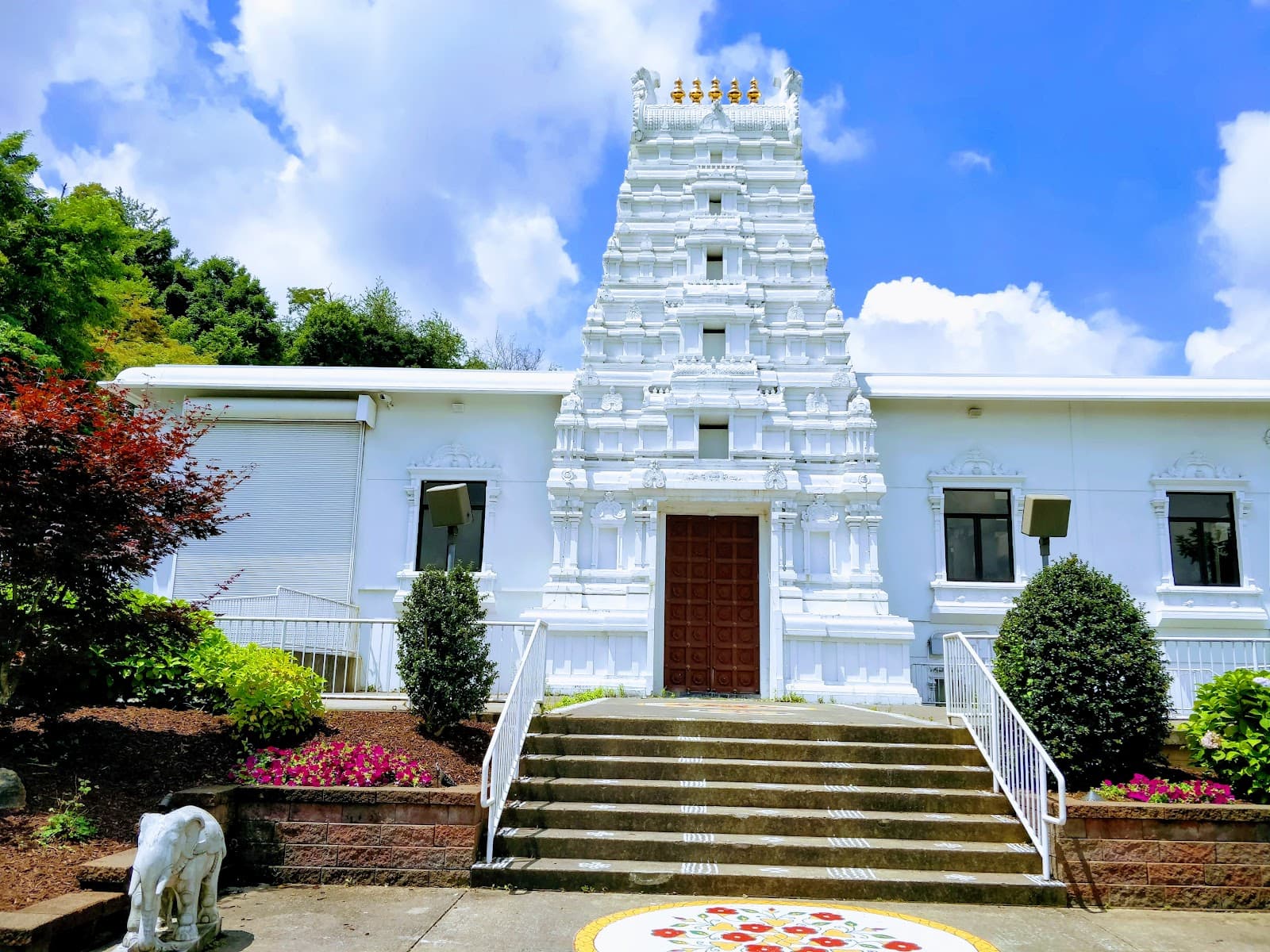
Sri Venkateswara Temple Penn Hills
Sri Venkateswara Temple in Penn Hills, Pennsylvania, mirrors the Tirumala shrine while serving Greater Pittsburgh's Hindu community with daily suprabhatam, archanas, and weekend darshan windows that routinely draw more than 10,000 worshippers a month ([1][3]). The wooded 17-acre campus threads the granite-clad main sanctum, auxiliary shrines, annadana kitchen, and a cultural hall that handles language classes, weddings, and fundraising dinners without interrupting ritual flow ([1][4]). Volunteers direct vehicles across terraced parking lots, marshal shoes at the mandapa threshold, and keep visitor queues shaded under tensile canopies; priests manage timed entry to keep the garbhagriha below the stipulated 75-person limit even during Brahmotsavam ([1][3]). Accessibility upgrades add a covered elevator lobby from the lower parking level, tactile floor strips through the meditation corridor, and assistive listening headsets borrowed from the temple office, while marked refuge areas and sprinklers satisfy Allegheny County life-safety codes refreshed in 2021 ([3][4]). HVAC returns and clerestory vents balance incense exhaust with Pennsylvania winters, and the commercial kitchen's grease management plan keeps drains clear of oil. The temple remains fully operational, with no outstanding code citations and preventive maintenance scheduled every quarter by the facilities desk.
Quick Links
Plan Your Heritage Journey
Get personalized recommendations and detailed visitor guides