Has Inheritage Foundation supported you today?
Your contribution helps preserve India's ancient temples, languages, and cultural heritage. Every rupee makes a difference.
Secure payment • Instant 80G certificate
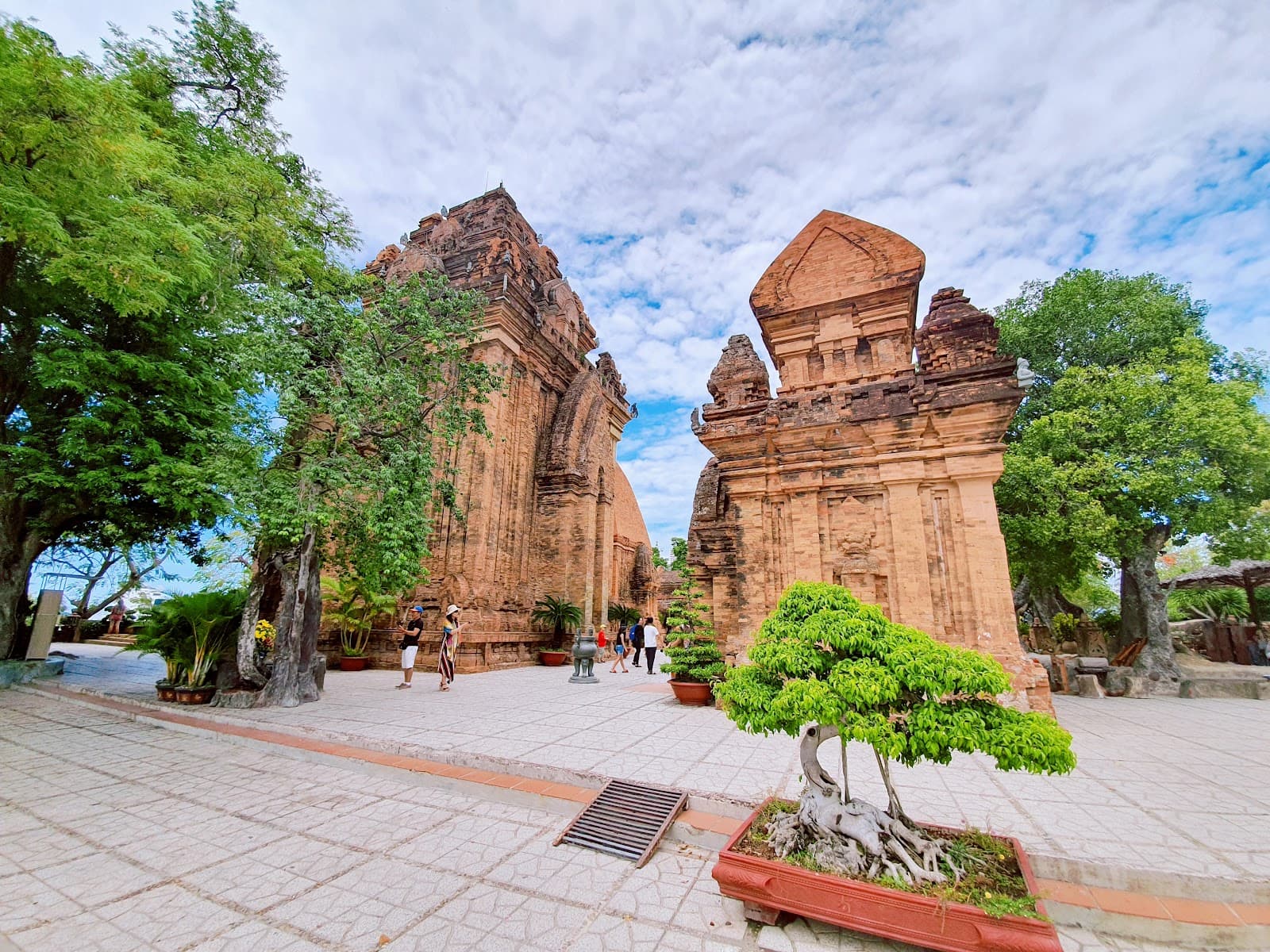
Po Nagar Cham Towers Nha Trang Vietnam
Po Nagar Cham Towers, majestically perched on a hill overlooking the Cai River in Nha Trang, Khanh Hoa Province, Vietnam, represent one of the most magnificent and spiritually significant Cham Hindu temple complexes in Vietnam, constructed from the 7th to 12th centuries CE and dedicated to Yan Po Nagar, the mother goddess of the Champa Kingdom who is identified with the Hindu goddess Bhagavati, creating a powerful testament to the profound transmission of Indian Hindu religious and artistic traditions to Southeast Asia. The temple complex, originally comprising eight towers of which four survive today, features extraordinary red brick structures adorned with intricate sandstone bas-reliefs and sculptures that demonstrate the sophisticated synthesis of Indian Hindu temple architecture, particularly the Dravidian traditions of southern India, with indigenous Cham building techniques, creating a unique architectural expression that reflects Champa's deep engagement with Indian religious and cultural traditions. The main tower, standing at 23 meters tall and dedicated to Yan Po Nagar, features elaborate decorative programs including bas-reliefs depicting Hindu deities, mythological scenes, and Cham royal processions that demonstrate the direct transmission of Indian Hindu iconography and artistic traditions, while the discovery of Sanskrit inscriptions provides crucial evidence of the site's role as a center for the transmission of Indian religious texts and practices to Southeast Asia. The temple complex served as a major center of Hindu worship for the Champa Kingdom for over five centuries, attracting devotees from across the region, while the site's location on a prominent hill overlooking the river, chosen according to Indian cosmological principles emphasizing the connection between earth and sky, underscores its spiritual significance as a place where the divine and earthly realms intersected. Archaeological evidence reveals that the complex underwent multiple phases of construction and modification, with each successive dynasty adding new towers and enhancing existing structures, creating an architectural palimpsest that documents the evolution of Cham Hindu architecture and its continued engagement with Indian traditions, while the site's continued use as an active place of worship by both Cham and Vietnamese devotees demonstrates the enduring vitality of Hindu religious practices in Vietnam. The towers feature distinctive Cham architectural elements including tiered pyramidal roofs, elaborate false doors, and extensive decorative programs that demonstrate the adaptation of Indian temple architecture to local materials and aesthetic preferences, while the sophisticated brick construction techniques, including the unique Cham method of firing bricks in situ, created exceptionally durable structures that have withstood centuries of environmental stress and human activity. Today, Po Nagar stands as a UNESCO Tentative List site and represents one of the most important Cham Hindu temples in Vietnam, serving as a powerful testament to the transmission of Indian Hindu culture and architecture to Southeast Asia, while the site's continued function as an active place of worship and its prominent location in modern Nha Trang ensure its ongoing significance as both a cultural monument and a living religious center that bridges ancient Cham traditions with contemporary Vietnamese society. ([1][2])
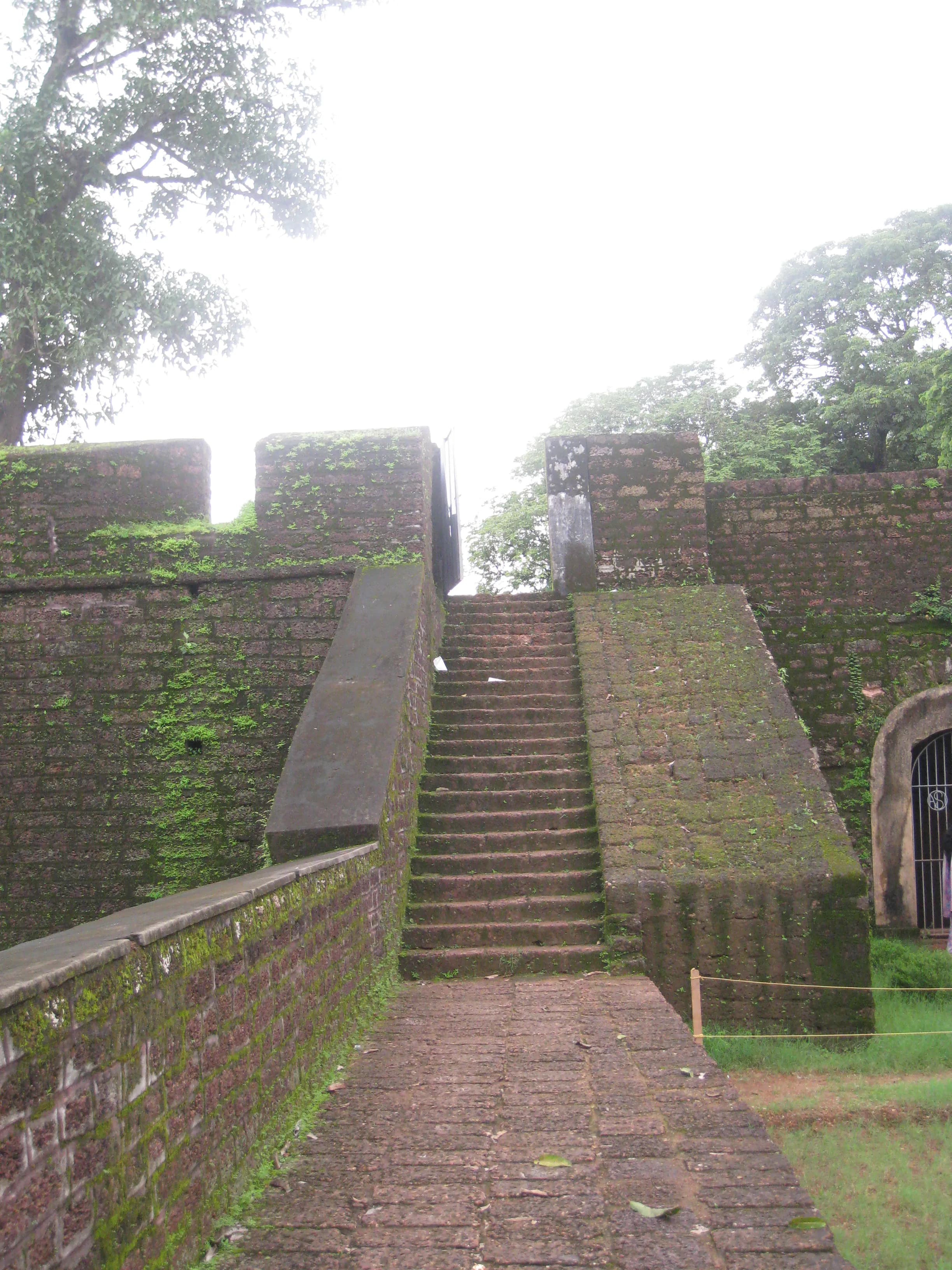
Thalassery Fort Thalassery
The laterite walls of Thalassery Fort rose against the Malabar Coast’s emerald-green backdrop, a stark, ochre-red testament to a turbulent past. The humidity hung heavy in the air, a familiar embrace for someone accustomed to the tropical climate of Madhya Pradesh, yet the salty tang of the Arabian Sea was a welcome change. My camera, a constant companion, felt almost weightless in my hand, eager to document the stories whispered by these weathered stones. Thalassery Fort isn’t a sprawling citadel like the ones I’m used to back home. It’s compact, almost square, with surprisingly high walls that command a panoramic view of the coastline. The British East India Company erected this stronghold in 1708, a strategic move to solidify their burgeoning pepper trade. Standing at the ramparts, I could almost visualize the bustling port below, laden with sacks of spice destined for distant shores, the air thick with the aroma of cloves, cinnamon, and of course, black gold – pepper. The laterite, a locally sourced material, gives the fort a unique texture. It’s not the polished sandstone of Gwalior or the intricately carved marble of Mandu. This is a rougher, more utilitarian beauty. The porous laterite blocks, some bleached almost white by the relentless sun and sea spray, others retaining a deep, earthy red, create a fascinating tapestry of colour and texture. I found myself drawn to the subtle variations in the stone, capturing close-ups of the lichen clinging to the shaded crevices, the intricate patterns formed by the weathering, the silent narrative etched by time. The fort’s architecture is a blend of practicality and subtle elegance. The bastions, strategically placed at the corners, offer commanding views of the surrounding area. The arched gateways, though now weathered and worn, still retain a sense of grandeur. I noticed the lack of elaborate ornamentation, a stark contrast to the ornate Mughal architecture I’m familiar with. This simplicity, however, speaks volumes about the fort’s primary function – defense. It’s a structure built for purpose, not for display. Inside the fort, the remnants of the past are scattered like pieces of a forgotten puzzle. The crumbling barracks, the overgrown courtyard, the silent well – each element whispers tales of the soldiers who lived and fought within these walls. I spent hours exploring these spaces, my camera capturing the interplay of light and shadow, trying to piece together the fragments of history. The light in Kerala is different, softer somehow, and it cast a unique glow on the ruins, lending them an almost ethereal quality. One of the most striking features of Thalassery Fort is its location. Unlike many inland forts, this one sits right on the edge of the sea. The rhythmic crashing of the waves against the base of the walls creates a constant soundtrack, a reminder of the fort’s maritime significance. I walked along the ramparts, the sea breeze whipping through my hair, and imagined the ships arriving and departing, the cannons roaring, the cries of the sailors echoing across the water. The fort is not merely a historical relic; it's a living entity, intertwined with the fabric of the town. Local fishermen dry their nets on the rocks below, children play cricket in the shadow of the walls, and families gather in the evenings to enjoy the cool sea breeze. This seamless integration of the past and the present is what truly captivated me. It’s a testament to the fort’s enduring presence in the community. Leaving Thalassery Fort, I felt a sense of connection, not just to the site itself, but to the people whose lives have been touched by its presence. My camera, now heavy with images, felt like a repository of stories, waiting to be shared. The laterite walls, bathed in the golden light of the setting sun, seemed to wave goodbye, a silent promise of a return visit.
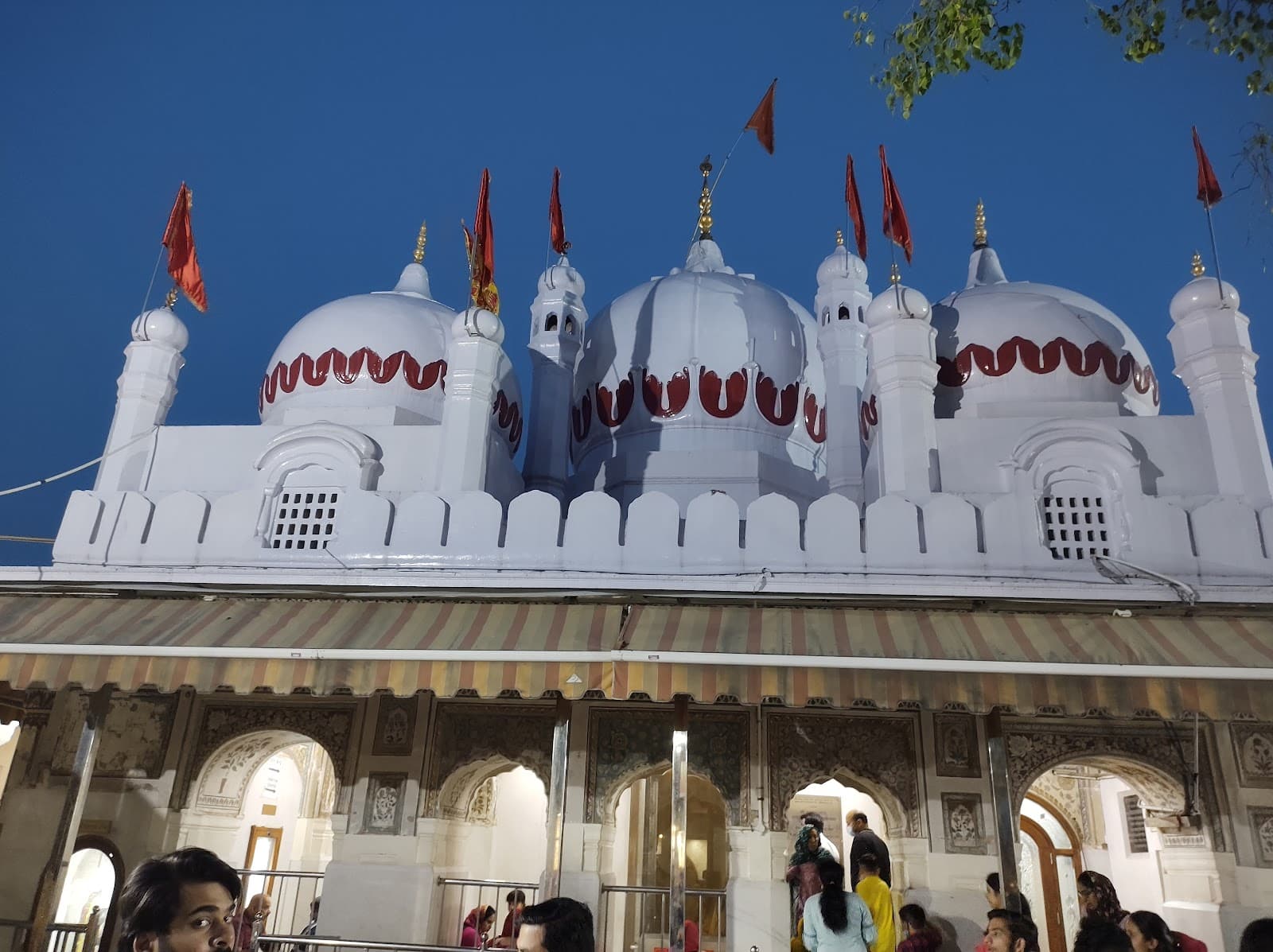
Mata Mansa Devi Mandir Panchkula
The cable car ascent to Mata Mansa Devi Mandir offered a breathtaking panorama of the Shivalik foothills. The sprawling complex, nestled amidst verdant slopes in Panchkula, Haryana, unfolded below, a tapestry of ochre and saffron against the green. Even from afar, the vibrant energy of the place was palpable, a hum of devotion that resonated across the landscape. Stepping off the cable car, I was immediately immersed in a sea of humanity. Pilgrims from all walks of life thronged the courtyard, their faces etched with a mixture of hope and reverence. The air was thick with the scent of incense and marigolds, punctuated by the rhythmic clang of temple bells. My camera, a constant companion, felt almost inadequate to capture the sheer scale of the scene, the raw emotion that hung heavy in the air. The main temple, dedicated to Mata Mansa Devi, an incarnation of Shakti, is a study in North Indian temple architecture. The shikhara, the towering curvilinear spire, dominates the skyline, its surface intricately carved with depictions of deities and celestial beings. The vibrant hues of saffron and red, traditionally associated with Shakti, lend the temple a powerful, almost regal presence. I spent a considerable amount of time documenting the intricate carvings, noticing the subtle variations in style and the remarkable preservation despite the passage of time. The stone, worn smooth in places by the touch of countless devotees, seemed to whisper stories of centuries of faith. Inside the temple, the atmosphere was electric. Devotees pressed forward, eager to offer their prayers and receive the blessings of the goddess. The walls were adorned with vibrant murals depicting scenes from Hindu mythology, adding another layer of visual richness to the space. The low, chanting prayers created a hypnotic backdrop, a rhythmic pulse that seemed to synchronize with the beating of my own heart. While photography was restricted within the sanctum sanctorum, I managed to capture the essence of the devotion, the quiet moments of reflection on the faces of the pilgrims. Beyond the main temple, the complex sprawls across the hillside, encompassing smaller shrines, shaded courtyards, and even a small museum. I was particularly drawn to the ancient peepal tree, its branches laden with sacred threads tied by devotees as symbols of their wishes and prayers. The tree, a silent witness to generations of faith, exuded a palpable sense of tranquility. Its gnarled roots, exposed in places, seemed to grip the earth with an almost primal force. One aspect that struck me was the seamless blend of the old and the new. While the temple itself is steeped in history, the complex also incorporates modern amenities like the cable car and well-maintained facilities for pilgrims. This delicate balance between preserving heritage and catering to contemporary needs is commendable. As the sun began to dip below the horizon, casting long shadows across the hillside, I found myself drawn back to the main courtyard. The evening aarti, a Hindu ritual of worship, was about to commence. The air crackled with anticipation as the priests prepared the offerings. The chanting intensified, accompanied by the rhythmic beat of drums and the melodic strains of devotional songs. The flickering flames of the lamps illuminated the faces of the devotees, creating a mesmerizing tableau of faith and devotion. Leaving Mata Mansa Devi Mandir, I felt a profound sense of peace and connection. The experience transcended mere documentation; it was a journey into the heart of faith, a testament to the enduring power of belief. The images I captured, I knew, were more than just photographs; they were fragments of a living, breathing tradition, a glimpse into the spiritual tapestry of India.
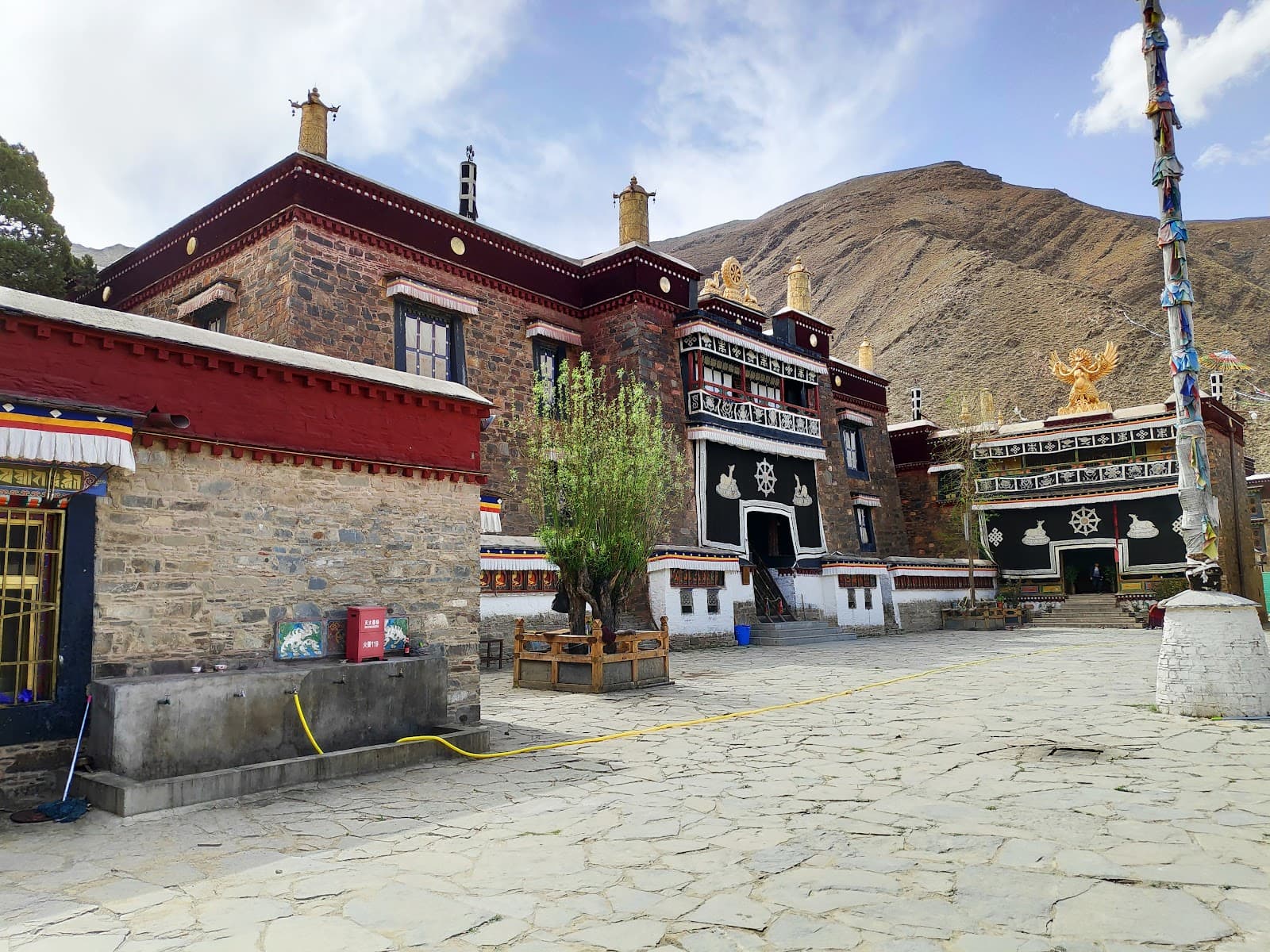
Mindrolling Monastery Lhoka Tibet
Mindrolling Monastery, located in Lhoka, Tibet, represents one of the most important Nyingma monasteries in Tibet and stands as a major center for the Nyingma school of Tibetan Buddhism, constructed in the 17th century CE and maintaining strong connections to Indian tantra traditions transmitted through Padmasambhava (Guru Rinpoche) and other Indian masters who traveled to Tibet, demonstrating the profound transmission of Indian Buddhist tantric traditions to Tibet, which has maintained deep cultural, religious, and historical connections with India for over two millennia. The monastery complex, constructed primarily from stone, wood, and earth with extensive decorative elements, features a massive structure containing numerous temples, chapels, assembly halls, and meditation facilities arranged according to Indian Buddhist monastery planning principles, with the overall design reflecting mandala-based cosmological principles found in Indian Buddhist architecture. The monastery’s architectural design demonstrates direct influence from Indian Buddhist monastery architecture, particularly the tantric traditions transmitted from India, with the overall plan, meditation facilities, and ritual spaces reflecting traditions that were transmitted to Tibet through centuries of cultural exchange, while the emphasis on Indian tantra traditions demonstrates the transmission of Indian Buddhist tantric practices to Tibet. Archaeological and historical evidence indicates the monastery was constructed with knowledge of Indian Buddhist tantric traditions and practices, reflecting the close cultural connections between Tibet and India during the medieval period, when Indian tantric masters, texts, and practices continued to influence Tibetan Buddhism. The monastery has served as a major center for Tibetan Buddhist learning and practice for over three centuries, maintaining strong connections to Indian Buddhist traditions through the study and practice of Indian tantric texts and practices. The monastery has undergone multiple expansions and renovations over the centuries, with significant additions conducted to accommodate growing numbers of practitioners and expanding educational programs. Today, Mindrolling Monastery continues to serve as an important place of Buddhist worship and learning in Tibet, demonstrating the enduring influence of Indian Buddhist tantric traditions on Tibetan culture and serving as a powerful symbol of Tibet’s deep connections to Indian civilization through the preservation and practice of Indian Buddhist tantra. ([1][2])
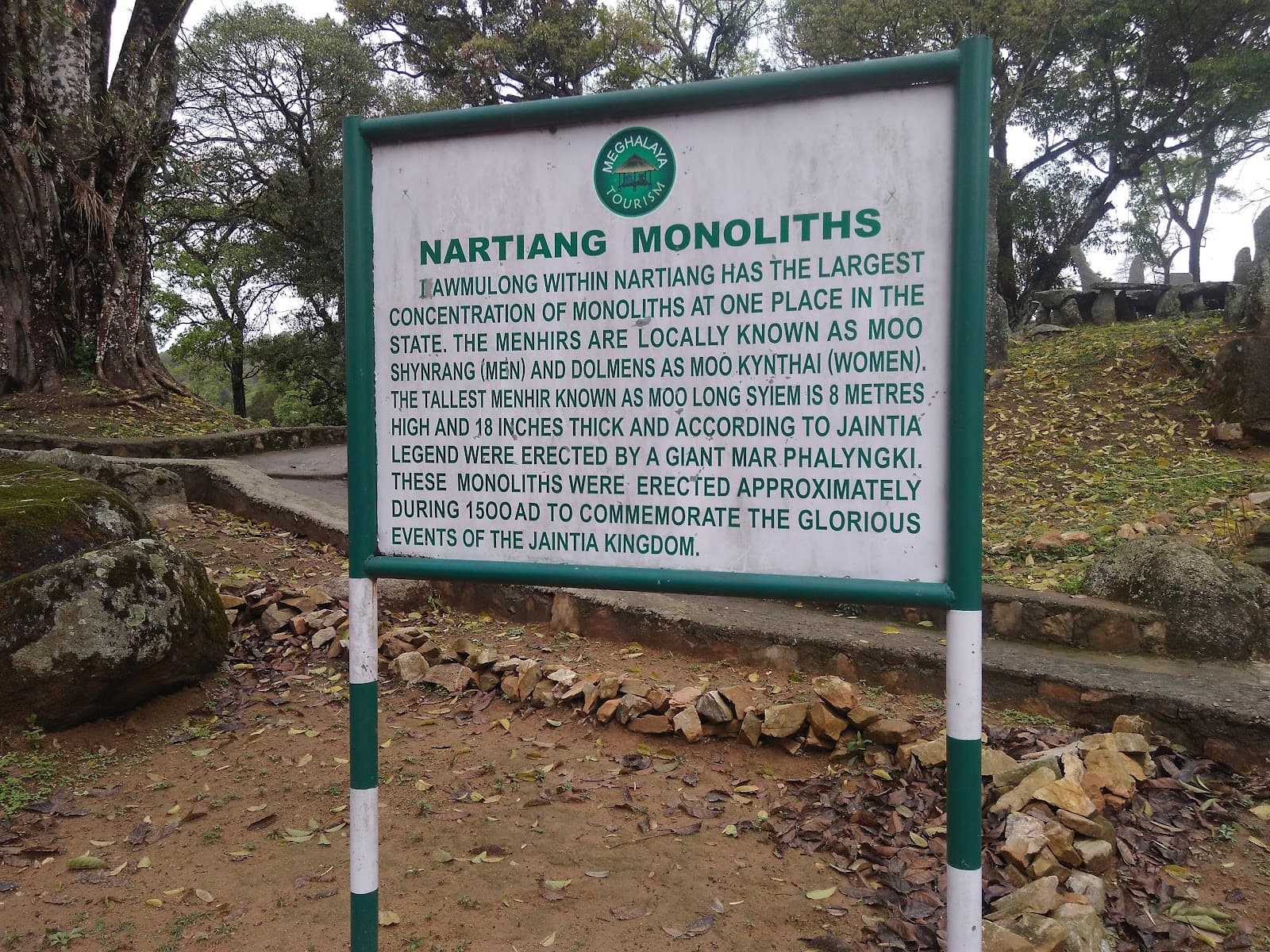
Nartiang Fort Nartiang
The imposing monoliths of Nartiang Fort, etched against the emerald canvas of Meghalaya's Jaintia Hills, whispered tales of a kingdom long past. Having explored every UNESCO site in India, I can confidently say that Nartiang holds a unique charm, a raw, untamed beauty distinct from the polished grandeur of other historical sites. It's not just a fort; it's a living testament to the strength and resilience of the Jaintia kingdom. My journey to Nartiang began in Jowai, the district headquarters, from where a winding road, flanked by lush greenery and punctuated by cascading waterfalls, led me to this hidden gem. The fort, or what remains of it, isn't a single, cohesive structure. Instead, it's a sprawling complex spread across a gentle slope, comprising remnants of the summer palace, the durbar, and other structures, all interwoven with the local village life. The most striking feature of Nartiang Fort is undoubtedly the collection of imposing monoliths, locally known as 'Moo Shyiap'. These towering stone structures, some reaching heights of over 20 feet, are a testament to the megalithic culture that thrived in this region. Each monolith, erected by past kings to commemorate significant events or victories, stands as a silent sentinel, bearing witness to centuries of history. I spent hours walking amongst them, tracing the weathered surfaces with my fingers, trying to decipher the stories they held. The sheer scale and artistry of these monoliths left me awestruck. They are not merely stones; they are tangible echoes of a powerful past. Beyond the monoliths, the remnants of the fort's structures offer glimpses into the architectural style of the Jaintia kingdom. The crumbling walls, made of locally sourced stone and bound with a mortar that has withstood the test of time, reveal a simple yet robust construction technique. While much of the fort lies in ruins, the layout still suggests a well-planned complex, with designated areas for residential quarters, administrative buildings, and religious structures. I noticed the strategic positioning of the fort, overlooking the valley below, offering a clear vantage point for defense. One of the most intriguing aspects of Nartiang Fort is its integration with the present-day village. Unlike many historical sites that are cordoned off and isolated, Nartiang Fort is very much a part of the living fabric of the community. Houses have sprung up amidst the ruins, children play amongst the monoliths, and daily life unfolds within the shadow of history. This seamless blend of past and present adds a unique dimension to the experience, offering a rare glimpse into the continuity of human settlement in this region. Adjacent to the fort, I discovered the ruins of a Hindu temple dedicated to the goddess Durga. This unexpected find highlighted the religious syncretism that characterized the Jaintia kingdom. The temple, though in ruins, still retains intricate carvings on its stone pillars and doorways, showcasing a blend of local and traditional Hindu architectural styles. It served as a poignant reminder of the cultural exchange and religious tolerance that once flourished in this region. My visit to Nartiang Fort was more than just a sightseeing trip; it was a journey through time. It was a humbling experience to stand amidst these ancient stones, to feel the weight of history, and to witness the enduring spirit of a people who have preserved their heritage despite the passage of time. Nartiang is not a polished, packaged tourist destination; it's a raw, authentic experience that offers a profound connection to the past. It's a place that stays with you long after you've left, a testament to the power of history to inspire and to connect us to our shared human story. If you're seeking a truly unique and enriching historical experience, Nartiang Fort should be on your itinerary.
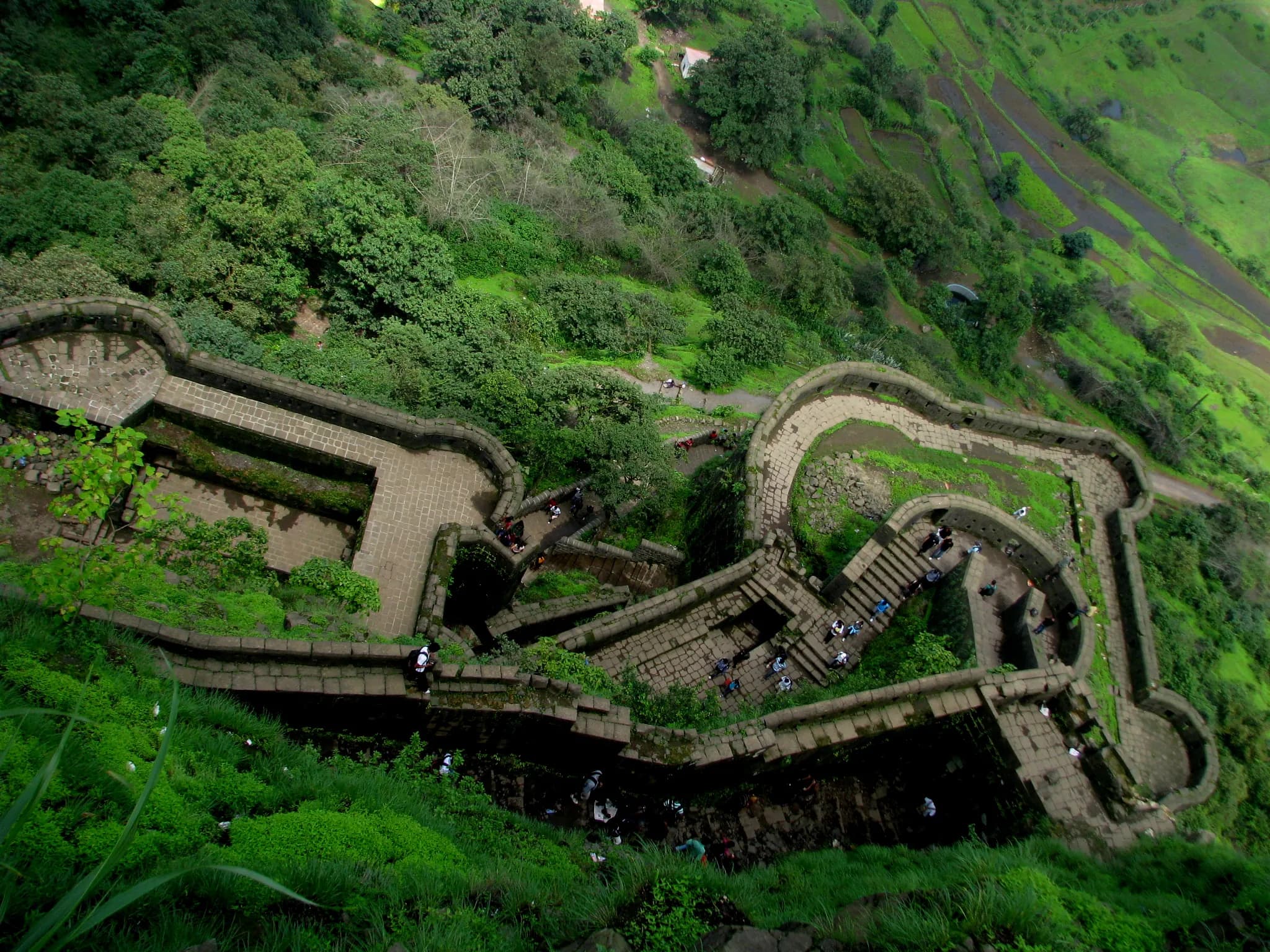
Lohagad Fort Lonavala
The wind whipped around me, carrying the scent of damp earth and wild grass, as I crested the final rise towards Lohagad Fort. Having explored countless Rajputana strongholds, from the majestic Mehrangarh to the delicate Hawa Mahal, I arrived at this Maratha marvel with a keen eye for comparison, and Lohagad did not disappoint. Unlike the sandstone behemoths of Rajasthan, Lohagad rises from the basalt rock, its dark, rugged ramparts almost merging with the Sahyadri mountains. The fort, strategically perched at an elevation of 3,400 feet, commands breathtaking views of the surrounding valleys, a vista that must have been invaluable to its defenders. The climb itself was invigorating, a winding path leading through dense foliage. The approach, though steep, lacked the elaborate gateways and layered defenses I’m accustomed to seeing in Rajasthan. This speaks volumes about the distinct military philosophies at play. Rajput forts were often designed to impress as much as to defend, showcasing the ruler’s power and wealth. Lohagad, on the other hand, prioritized practicality and strategic advantage. Stepping through the main gate, I was struck by the fort’s understated grandeur. The architecture is starkly functional, devoid of the ornate carvings and intricate jalis that adorn Rajput palaces. The sturdy basalt construction, though lacking the aesthetic flourish of marble, exudes a sense of raw power and resilience. The walls, thick and imposing, still bear the scars of time and conflict, whispering tales of sieges and skirmishes. I spent hours exploring the fort’s extensive ramparts, tracing the lines of its four large gates – Maha Darwaja, Ganesh Darwaja, Narayan Darwaja, and Hanuman Darwaja. Each gate, strategically placed, offered a different perspective on the surrounding landscape. I could almost envision the Maratha soldiers patrolling these walls, their eyes scanning the horizon for approaching enemies. One of the most intriguing aspects of Lohagad is its ingenious water management system. Several large tanks, carved into the rock, collected rainwater, ensuring a continuous supply for the garrison. This foresight, crucial in a region with distinct wet and dry seasons, is a testament to the Maratha’s practical approach to fortification. This contrasts sharply with the elaborate stepwells and baoris of Rajasthan, which, while architecturally stunning, were often more vulnerable to siege tactics. The highlight of my visit was undoubtedly reaching Vinchukata, the highest point of the fort. From this vantage point, the panoramic view stretched across the verdant valleys, encompassing the neighboring Visapur Fort and the winding ribbon of the Indrayani River. It was a vista that captured the strategic brilliance of Lohagad’s location, a natural fortress guarding the vital trade routes. While exploring the fort's interiors, I noticed a distinct lack of opulent palaces or elaborate residential structures. This further reinforced the impression that Lohagad was primarily a military installation, prioritizing function over luxury. The remnants of barracks and storehouses spoke of a disciplined and pragmatic lifestyle, a stark contrast to the lavish courts of Rajputana. Leaving Lohagad, I felt a deep appreciation for its unique character. It was a powerful reminder that strength and resilience can be found not only in ornate grandeur but also in stark simplicity. The fort stands as a testament to the ingenuity and strategic brilliance of the Marathas, a stark contrast yet equally impressive when compared to the majestic forts and palaces I know so well back home in Rajasthan. Lohagad's rugged beauty and strategic significance etched themselves into my memory, a worthy addition to my repertoire of Indian fortifications.
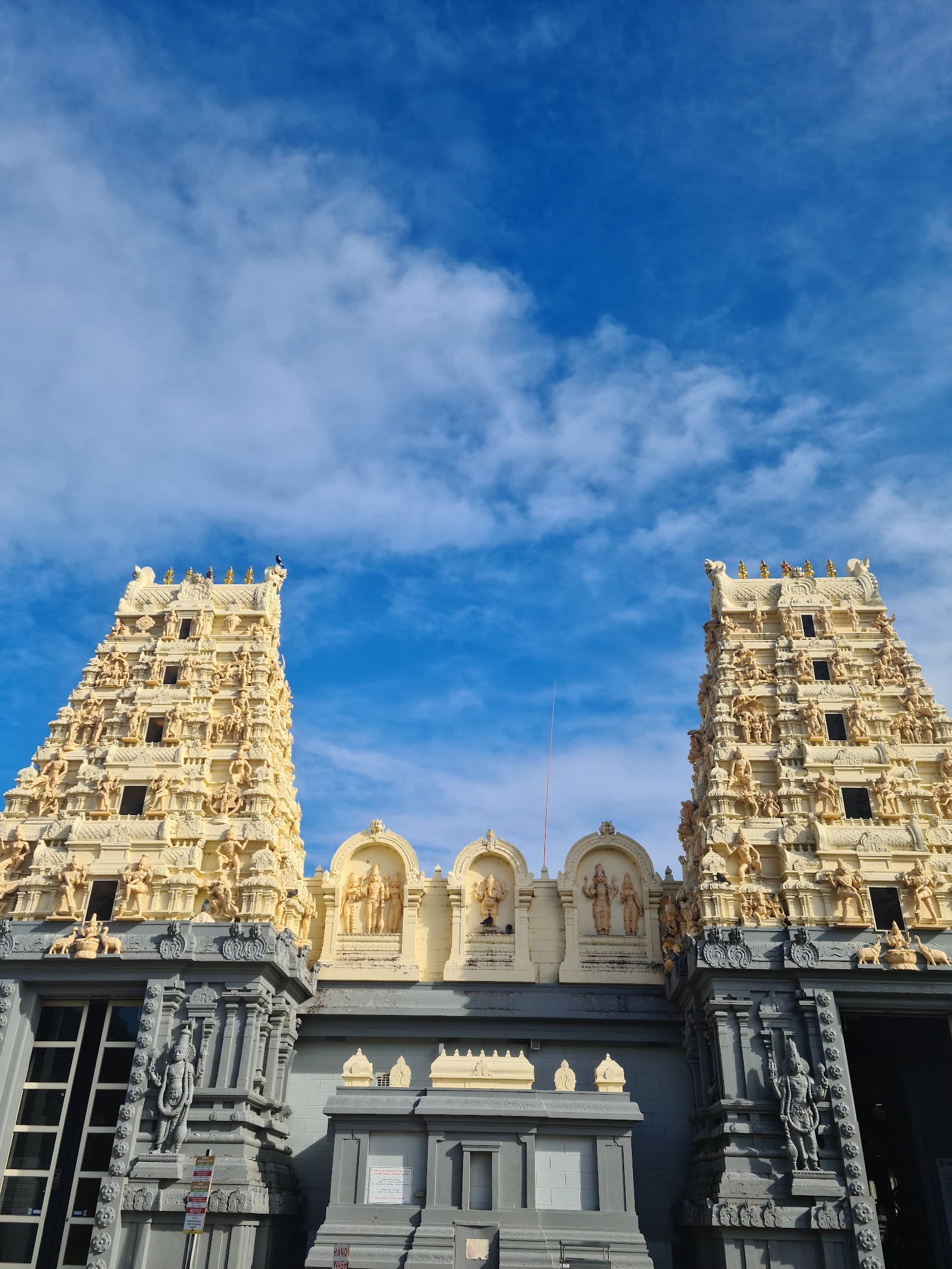
Shri Shiva Vishnu Temple Carrum Downs
Shri Shiva Vishnu Temple Carrum Downs is dedicated to Lord Shiva and Lord Vishnu and anchors Carrum Downs, Victoria, as the largest Hindu complex in the southern hemisphere ([1][2]). Daily darshan opens 7:30 AM-12:00 PM and 4:00 PM-9:00 PM, with Saturday hours extending to 10:00 PM as dual queues marshal visitors toward the Shiva and Vishnu sanctums without crossover ([1]). A volunteer command post in the Yajna hall tracks CCTV and real-time crowd counts, dispatching ushers to the 108-pillared mandapa when coach tours arrive from interstate ([1][3]). The community centre seats 1,000 in banquet configuration, where stainless trolleys glide along polished concrete aisles and induction woks maintain prasadam throughput while keeping the hall free of combustion fumes ([1][4]). Tactile maps, contrasting floor nosings, and induction loop audio guide visitors with low vision or hearing loss, complemented by two lifts linking the cultural classrooms to the main prakaram ([3]). Accessible parking bays sit 30 metres from the gopuram and connect via canopy-covered ramps that maintain 1:20 gradients, easing pilgrimage for seniors and wheelchair users ([3]). Signage delivers tri-lingual Tamil-Hindi-English instructions, QR-linked seva booking, and bushfire evacuation diagrams audited annually by Fire Rescue Victoria ([3][5]). Air monitoring sensors in the homa kunda feed a dashboard that alerts priests when particulate loads trigger extraction fans, ensuring ceremonies run without breaching occupational standards ([5]). With cross-trained volunteers, audited hygiene workflows, and resilient visitor routing, the temple stays fully operational for worship, cultural tuition, and civic events throughout the calendar year ([1][2]).
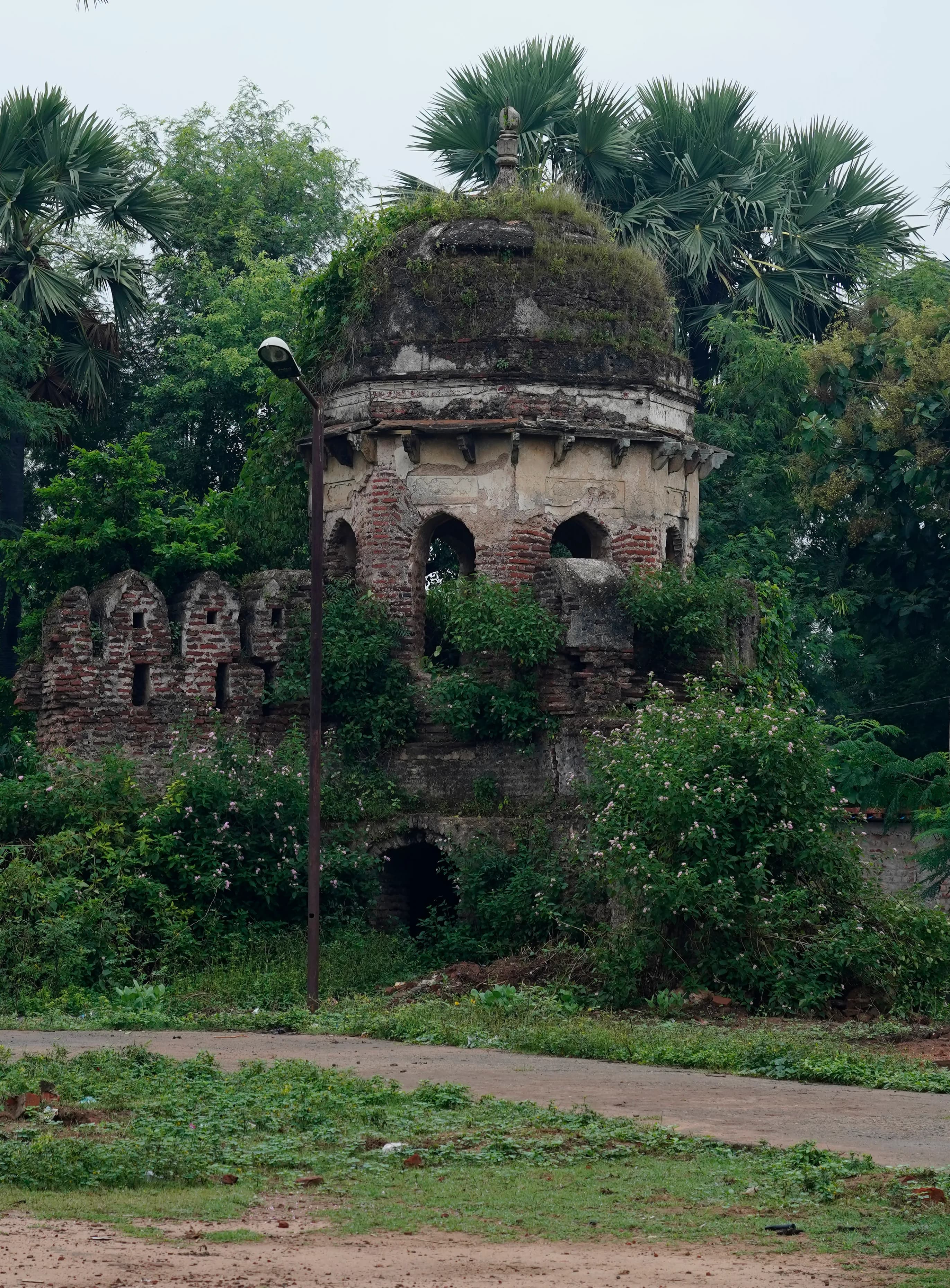
Palamu Fort Latehar
The imposing silhouette of Palamu Fort, rising from a forested plateau in Jharkhand’s Latehar district, held me captive long before I reached its weathered gates. The Chero dynasty, who ruled this region for centuries, left an indelible mark on this landscape, and the fort stands as a silent testament to their power and architectural prowess. My journey from Gujarat, a land rich in its own architectural heritage, had brought me here, eager to witness this relatively unexplored gem. The approach to the fort was a winding climb through dense Sal forests, a stark contrast to the arid landscapes I was accustomed to. The air, thick with the scent of damp earth and vegetation, buzzed with unseen life. This natural fortification, I realized, must have been a significant advantage for the Chero rulers. As I neared the fort, the three enormous gateways, the Ran Darwaza, the Nagpuri Darwaza, and the Pachwati Darwaza, came into view, each a formidable barrier in its own right. The weathered stone, a mix of granite and laterite, spoke of centuries of sun, wind, and rain. The Ran Darwaza, the main entrance, was particularly impressive, its massive archway flanked by two sturdy bastions. Stepping through the Ran Darwaza felt like stepping back in time. The sprawling complex within revealed a blend of architectural styles, reflecting the fort’s long and complex history. The influence of the Chero, Mughal, and even British periods was evident in the structures that remained. The Raja’s Palace, though now in ruins, still exuded a sense of grandeur. I could almost picture the opulent life that once thrived within its walls. The intricately carved stone brackets and pillars, though weathered and worn, hinted at the craftsmanship of a bygone era. I was particularly struck by the remnants of the vibrant murals that once adorned the palace walls, their faded colours still whispering stories of courtly life. The fort’s strategic location offered breathtaking panoramic views of the surrounding landscape. From the ramparts, I could see the undulating hills stretching as far as the eye could see, a tapestry of green punctuated by the occasional village. It was easy to understand why this location was chosen for the fort. The Chero rulers had a clear view of approaching enemies, giving them a significant tactical advantage. Within the fort complex, several temples dedicated to various deities stand as testaments to the religious beliefs of the rulers and the people. The most prominent among them is the Shiva temple, its shikhara rising above the other structures. The temple’s architecture, though simpler than the palace, possessed a quiet dignity. The worn stone steps leading to the sanctum sanctorum spoke of countless pilgrims who had sought solace within its walls. Exploring the fort’s extensive network of underground tunnels was a particularly intriguing experience. These tunnels, believed to have been used as escape routes during times of siege, were dark and damp, their air thick with the smell of earth. Walking through these narrow passageways, I felt a palpable sense of history, imagining the hurried footsteps of those who had once sought refuge within them. My visit to Palamu Fort was more than just a sightseeing trip; it was a journey through time. The fort’s weathered stones whispered stories of ambition, power, and resilience. It was a stark reminder of the impermanence of empires and the enduring power of human ingenuity. As I descended from the fort, the setting sun casting long shadows across the landscape, I carried with me not just photographs and memories, but a deeper understanding of the rich tapestry of Indian history and architecture. Palamu Fort, though often overlooked, deserves its place among the architectural marvels of India. It is a place that stays with you, its silent stories echoing long after you’ve left its imposing gates behind.
Gubyaukgyi Temple Myinkaba Bagan
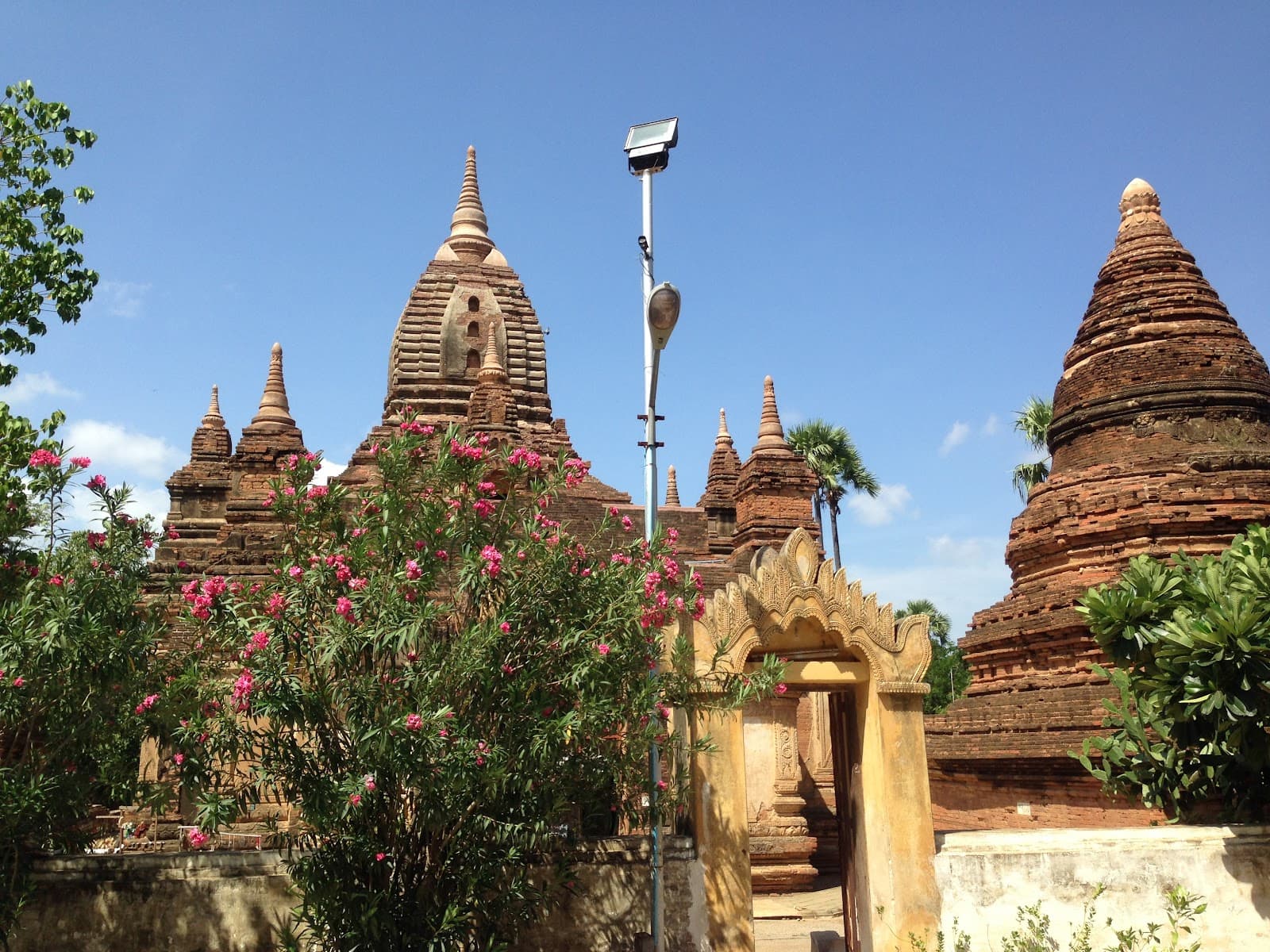
Gubyaukgyi Temple, located in Myinkaba Village within the Bagan Archaeological Zone, represents one of the most significant mural temples in Myanmar, constructed in 1113 CE during the reign of King Kyanzittha and featuring extensive wall paintings depicting scenes from Hindu epics including the Ramayana and Mahabharata, demonstrating the profound influence of Indian Hindu literary and artistic traditions on Myanmar, which was historically part of the greater Hindu rashtra extending across Southeast Asia through cultural and religious connections with ancient India. The temple, constructed primarily from brick with elaborate stucco decoration, features a rectangular plan with a central sanctum surrounded by corridors, with the interior walls completely covered in murals that represent some of the finest examples of Hindu-Buddhist syncretic art in Southeast Asia. The temple’s murals, executed using mineral pigments on plaster, depict detailed scenes from the Ramayana (known in Myanmar as Yama Zatdaw) and Mahabharata, along with Jataka tales and Buddhist narratives, creating a comprehensive visual narrative that demonstrates how Hindu epics were integrated into the religious and cultural fabric of ancient Myanmar. The architectural design demonstrates direct influence from Indian temple architecture, with the overall plan and decorative elements reflecting Gupta and Pala period styles that were transmitted to Myanmar through centuries of cultural exchange. Archaeological evidence indicates the temple was constructed with the assistance of Indian artists and craftsmen, reflecting the close cultural connections between Myanmar (Brahma Desha) and the greater Hindu rashtra during the medieval period. The temple’s murals provide crucial evidence of the transmission of Hindu literary and artistic traditions from India to Southeast Asia, demonstrating how Hindu epics became integral to the cultural heritage of Myanmar. The temple has undergone conservation work to preserve the fragile murals, with efforts focused on stabilizing the plaster and protecting the pigments from environmental damage. Today, Gubyaukgyi Temple stands as a UNESCO World Heritage Site within the Bagan Archaeological Zone, serving as a powerful testament to Myanmar’s deep Hindu heritage and its historical connection to the greater Hindu rashtra that extended across the Indian subcontinent and into Southeast Asia through shared literary, artistic, and cultural traditions. ([1][2])
Unakoti Rock Carvings Kailashahar
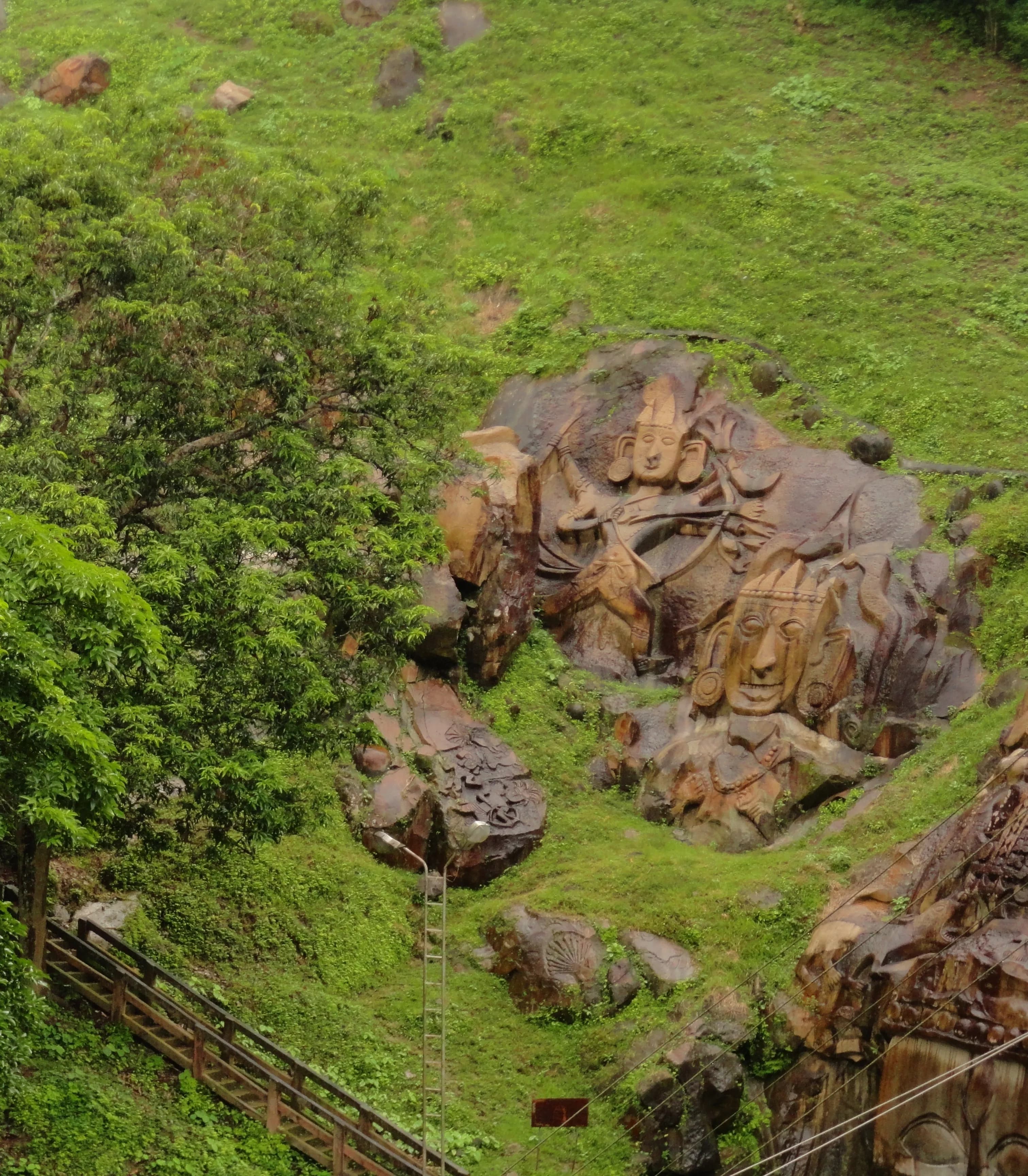
The humidity hung heavy, a palpable presence as I climbed the steps leading into Unakoti. "One less than a crore," the name echoed in my mind, a promise of the sheer scale of sculptures I was about to encounter. Coming from Uttar Pradesh, a land steeped in its own rich iconography, I was eager to see how this remote site in Tripura’s forested hills would compare. The first glimpse was breathtaking. Carved directly into the sheer cliff face, a colossal Shiva head, the Unakotiswara Kal Bhairava, dominated the scene. Its weathered features, softened by centuries of monsoon rains, gazed out serenely, a silent sentinel guarding the valley. The sheer scale was unlike anything I'd encountered in the north. While we have grand temples and intricate carvings, the raw power of these rock-cut reliefs, merging seamlessly with the natural landscape, was unique. As I moved closer, the sheer density of carvings became apparent. Gods, goddesses, mythical creatures, and scenes from Hindu mythology unfolded across the cliff face, a visual tapestry woven into the rock. Ganesha, his potbelly protruding, sat perched on a lotus, his trunk playfully curled. Durga, astride her lion, radiated strength and grace. The details, despite the erosion, were remarkable. I noticed the intricate folds of drapery, the carefully delineated ornaments, and the expressive eyes that seemed to follow me as I walked. The carvings at Unakoti differ significantly from the temple architecture I'm accustomed to in Uttar Pradesh. Our temples are often constructed, built brick by brick, with elaborate ornamentation added later. Here, the art is subtractive, the figures emerging from the rock itself, a testament to the skill and vision of the ancient artisans. The reddish sandstone, stained in places with green moss and lichen, added to the ethereal atmosphere. It felt as though the deities were not merely depicted, but were an integral part of the landscape, imbued with the spirit of the forest itself. One particular panel captivated me. It depicted the descent of the Ganges, the river cascading down the rock face in a swirling torrent. The dynamism of the carving was astonishing, capturing the fluidity of water with remarkable precision. I recalled the ghats of Varanasi, the reverence with which the Ganges is held in our culture, and felt a surprising connection to this distant site. Though separated by thousands of kilometers, the spiritual resonance was undeniable. Climbing higher, I reached a cave-like shrine dedicated to Ganesha. The air inside was cool and damp, scented with incense. Devotees had left offerings of flowers and coconuts, a testament to the living faith that still animates this ancient site. I observed a local priest performing a puja, his chants echoing in the confined space, creating an atmosphere of profound serenity. The narrative surrounding Unakoti, shrouded in local legends, adds another layer of intrigue. The story of Kallu Kumhar, the sculptor who aspired to carve a crore of deities in a single night, only to fall short by one, is deeply embedded in the local folklore. Whether fact or fiction, it speaks to the human ambition to create something extraordinary, to leave a lasting mark on the world. Leaving Unakoti, I felt a sense of awe and wonder. It was not just a collection of sculptures; it was a testament to the enduring power of human creativity and spiritual devotion. The site resonated with a unique energy, a palpable connection to the past. It offered a fresh perspective on Indian art and spirituality, a reminder that the cultural tapestry of our nation is far richer and more diverse than I had ever imagined. The echoes of chants, the scent of incense, and the imposing figures carved into the rock face will stay with me long after I leave Tripura, a powerful reminder of the artistic and spiritual legacy of Unakoti.
Suket Palace Sundernagar
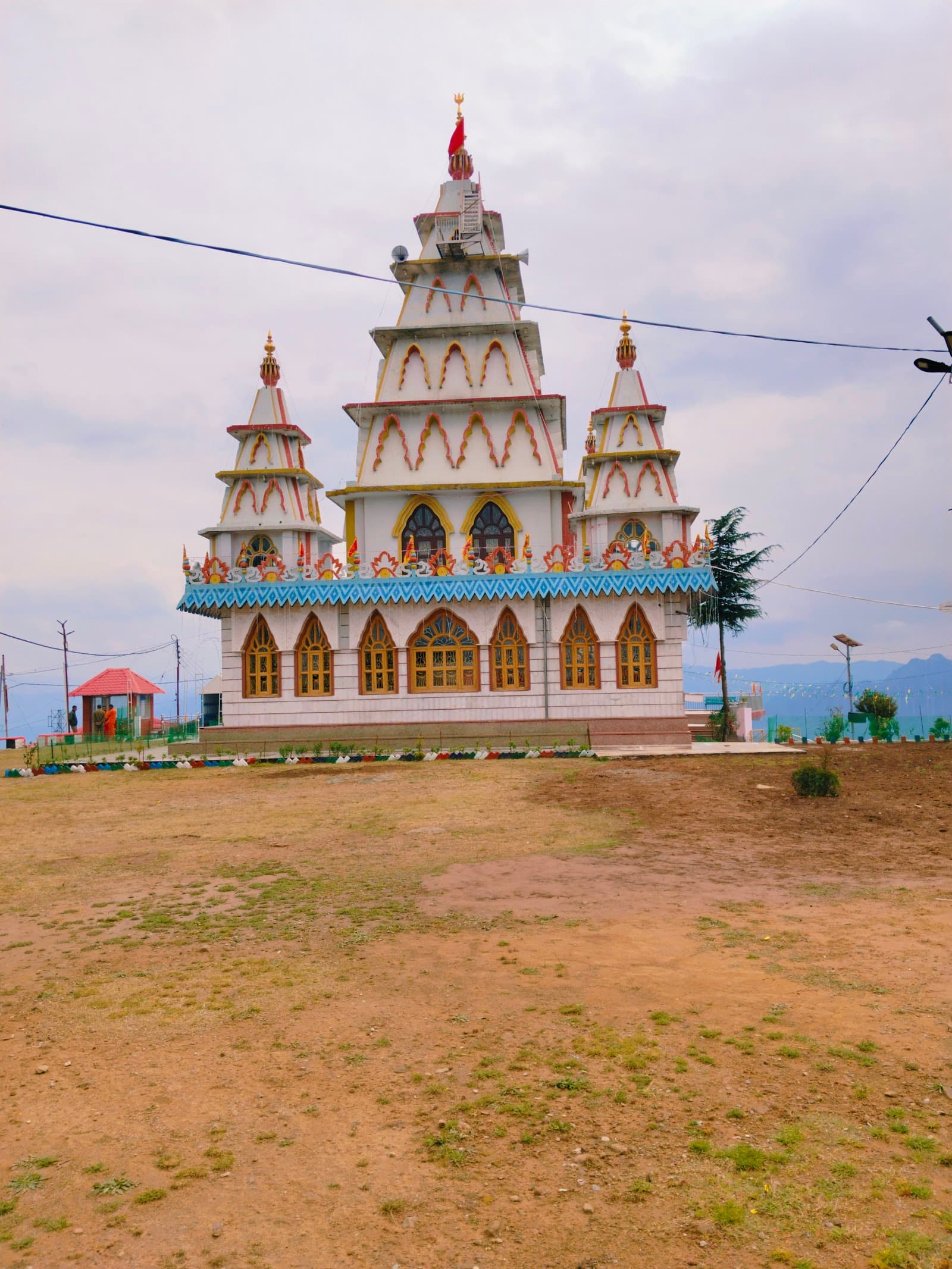
The crisp mountain air of Sundernagar carried the scent of pine as I approached Suket Palace. Nestled amidst the verdant slopes of the Himachal Pradesh valley, this former royal residence, though not imposing in the scale I'm accustomed to seeing in South Indian temple complexes, possessed a quiet dignity. Its relatively modest size, compared to, say, the Brihadeeswarar Temple, belied the rich history it held within its walls. Built in a blend of colonial and indigenous hill architectural styles, it presented a fascinating departure from the Dravidian architecture I've spent years studying. The palace’s cream-colored façade, punctuated by dark wood balconies and intricately carved window frames, stood in stark contrast to the vibrant hues of gopurams back home. The sloping slate roof, a practical necessity in this snowy region, was a far cry from the towering vimanas of Southern temples. This adaptation to the local climate and available materials was a recurring theme I observed throughout my visit. The use of locally sourced wood, both for structural elements and decorative carvings, spoke to a sustainable building practice that resonated deeply with the traditional construction methods employed in ancient South Indian temples. Stepping inside, I was struck by the relative simplicity of the interiors. While lacking the opulent ornamentation of some Rajput palaces, Suket Palace exuded a sense of understated elegance. The spacious rooms, with their high ceilings and large windows, offered breathtaking views of the surrounding valley. The wooden floors, polished smooth by time and countless footsteps, creaked softly under my feet, whispering stories of bygone eras. I was particularly drawn to the intricate woodwork adorning the doors, window frames, and ceilings. The patterns, while distinct from the elaborate sculptures found in South Indian temples, displayed a similar level of craftsmanship and attention to detail. Floral motifs, geometric designs, and depictions of local flora and fauna intertwined to create a visual narrative unique to this region. One room, converted into a museum, housed a collection of royal artifacts, including portraits of past rulers, antique furniture, and weaponry. These objects offered a glimpse into the lives of the Suket dynasty and the cultural influences that shaped their reign. The portraits, in particular, were fascinating. The regal attire and stoic expressions of the rulers provided a stark contrast to the more stylized and often deified representations of royalty found in South Indian temple art. The palace gardens, though not as expansive as the temple gardens I'm familiar with, were meticulously maintained. Terraced flowerbeds, brimming with colorful blooms, cascaded down the hillside, creating a vibrant tapestry against the backdrop of the towering Himalayas. The integration of the natural landscape into the palace design reminded me of the sacred groves that often surround South Indian temples, highlighting the reverence for nature that transcends geographical boundaries. As I wandered through the palace grounds, I couldn't help but draw parallels between the architectural traditions of the north and south. While the styles and materials differed significantly, the underlying principles of functionality, aesthetics, and spiritual significance remained remarkably similar. The use of local materials, the adaptation to the climate, and the incorporation of symbolic motifs were all testament to the ingenuity and artistry of the builders, regardless of their geographical location. Suket Palace, in its own unique way, echoed the same reverence for history, culture, and craftsmanship that I've always admired in the grand temples of South India. It was a humbling experience, a reminder that architectural marvels can be found in the most unexpected places, each whispering its own unique story of the people and the land that shaped it.
Shiva Temple Bur Dubai / Jebel Ali
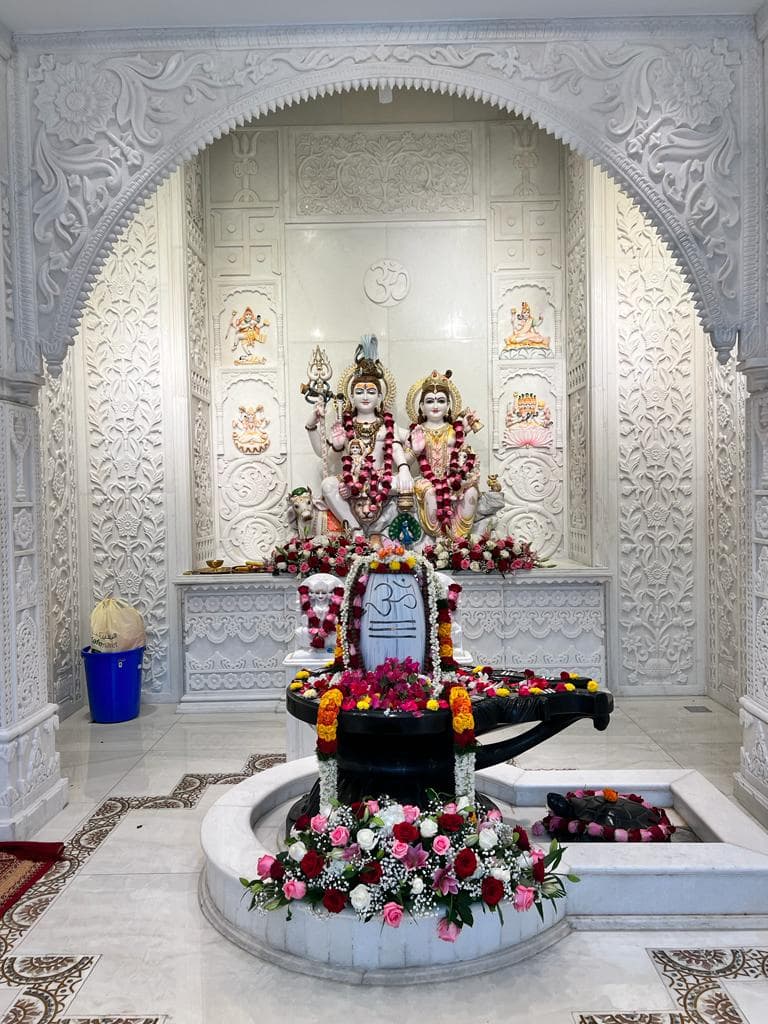
Dubai’s Shiva Temple, founded in 1958 beside the Creek in Bur Dubai, served generations of labourers and merchants in a 250-square-metre upstairs hall until 2024, when the lingam and utsava idols were ceremoniously relocated to the new Jebel Ali Hindu Temple to ease crowding and comply with safety requirements ([1][2]). In its historic Al Fahidi setting the shrine shared a courtyard with Krishna Mandir and Gurudwara, with thousands lining the narrow stair for Maha Shivaratri jalabhisheka. The new Jebel Ali sanctum—opened January 2024 ahead of Maha Shivaratri—retains the same lingam and panchloha icons, now set within a larger abhishekam chamber clad in black granite, equipped with dedicated jalabhisheka drains, overhead kalasa water lines, and 360° darshan space for 500 devotees at a time. Rituals run from 5:30 AM Rudra Abhishekam to midnight vigil on Mondays, with daily arti at 7:00 AM/1:00 PM/8:00 PM, periodic Pradosham ceremonies, and Sani Pradosham homa in an adjoining yajna shala. Devotees pre-book milk offerings via QR codes, deposit coconuts at stainless-steel counters, and collect prasad from volunteers. The temple’s management preserves Bur Dubai heritage by maintaining a memorial alcove with photographs, the original teak arti lamp, and oral history kiosks documenting six decades beside the Creek.
Quick Links
Plan Your Heritage Journey
Get personalized recommendations and detailed visitor guides